Edinburgh isn't a city you just visit; it's one you experience. The moment you step out of Waverley Station, you're hit with it—the smell of rain on ancient stone, the sight of a castle perched on a volcanic plug, the sound of bagpipes echoing down a cobbled street. It's overwhelming in the best way. But here's the thing everyone forgets to mention: it's also a city of queues, unpredictable weather, and a few tourist traps hidden among the genuine wonders.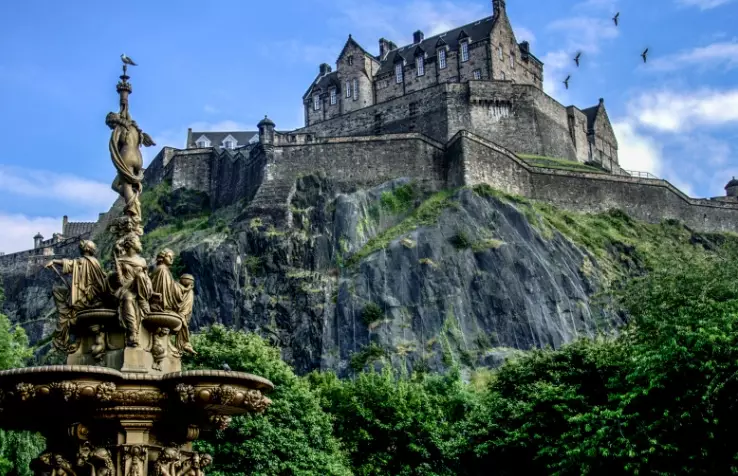
I've been guiding folks around this city for years, and the biggest mistake I see is people trying to tick off a list without understanding the place. Let's fix that. This isn't just another list of attractions. It's a practical, opinionated guide to navigating Edinburgh's iconic sights, based on what actually works.
Your Edinburgh Attractions Cheat Sheet
Edinburgh Castle: More Than Just a Photo Op
Let's start with the big one. Edinburgh Castle isn't just a castle; it's the reason the city exists. Built on the plug of a long-extinct volcano, it's been a fortress, royal residence, and prison. You'll see it from almost everywhere. But going inside is a different story.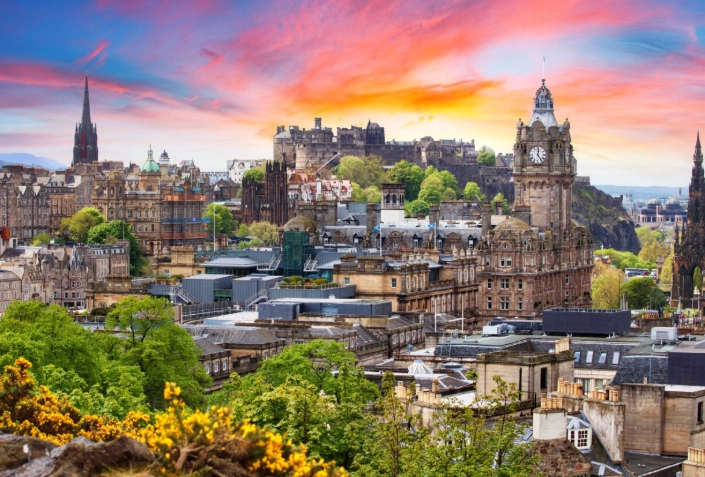
First, the logistics. This is the most ticketed attraction in Scotland, managed by Historic Environment Scotland.
| Info | Details |
|---|---|
| Address | Castlehill, Edinburgh EH1 2NG |
| Ticket Price (Online) | £19.50 - £22.50 for adults (peak). Always cheaper online. |
| Opening Hours | 9:30 AM - 6:00 PM (Apr-Sep), 10:00 AM - 4:00 PM (Oct-Mar). Last entry 1 hour before closing. |
| Getting There | Walk up the Royal Mile from Waverley Station (15 mins steep climb). Lothian Buses 23, 27, 41, 42 stop nearby. |
Now, my take. Is it worth the price and the crowds? For a first-time visitor, yes—but only if you do it right. Most people wander in, get overwhelmed by the scale, and leave having only seen the Crown Jewels and some nice views.
Here's what you should actually focus on:
The Must-Sees Inside the Walls
The Honours of Scotland (Crown Jewels) and Stone of Destiny: This is the main event. The Stone of Destiny, used in coronations for centuries, only returned to Scotland in 1996. The line here is always long. Go straight there after entry.
St. Margaret's Chapel: The oldest surviving building in Edinburgh (c. 1130). It's tiny, quiet, and feels ancient in a way the grander rooms don't. A moment of calm.
The Great Hall: An incredible vaulted ceiling and an impressive collection of armour. It feels like a film set.
The Scottish National War Memorial: A profoundly moving and beautifully designed space. It's a sombre stop, but essential for understanding modern Scotland.
Pro Tip Everyone Misses: The One O'Clock Gun. It's fired every day (except Sunday) at—you guessed it—1 PM. It's loud. If you're in the castle then, find a spot near Mills Mount Battery. If you're anywhere in the New Town below, you'll hear it. It's a fun, quirky tradition dating back to 1861 to help ships in the Firth of Forth set their maritime clocks.
The Royal Mile: A Mile of History (and Crowds)
The Royal Mile is the spine of the Old Town, connecting the Castle to the Palace of Holyroodhouse. It's actually a succession of four streets: Castlehill, Lawnmarket, High Street, and Canongate. Think of it as an open-air museum with too many souvenir shops.
Don't just walk down the middle of the street. The magic is in the "closes"—the narrow, often steep alleyways that lead off it like ribs. Each has a story. Mary King's Close, for instance, is a preserved 17th-century street now buried beneath City Chambers (you can tour it).
Key Stops You Shouldn't Walk Past:
St Giles' Cathedral: The historic parish church of Edinburgh. It's free to enter (donation appreciated). Look for the Thistle Chapel inside—a breathtaking example of Gothic revival craftsmanship.
The Real Mary King's Close: A guided tour through the preserved underground streets. It's commercial but genuinely fascinating. Book ahead. Address: Warriston's Close, 2 High St. Tickets around £19.
The Scotch Whisky Experience: If you want a whisky intro, this is it. The tour is a bit theme-parky, but the tasting at the end and the world's largest whisky collection are legit. Next to the castle. Gold Tour from £26.
The Museum of Edinburgh: At the Canongate end, near Holyrood. It's free, rarely crowded, and packed with local artefacts, including the original National Covenant. A great escape.
My controversial opinion? You can skip the paid "museums" like The Tartan Weaving Mill. They're thinly veiled shops. Spend your time and money on the authentic history instead.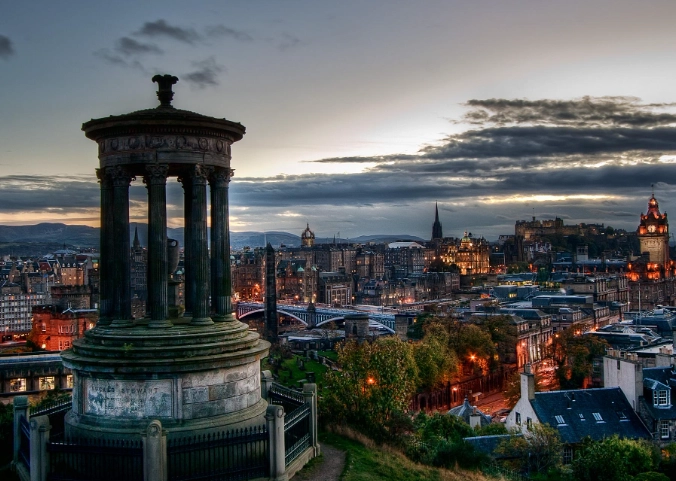
Conquering Arthur's Seat: The City's Wild Heart
This is Edinburgh's party trick. A 251-meter ancient volcano in the middle of a royal park, offering panoramic views from its summit. Holyrood Park is a 650-acre wilderness, and Arthur's Seat is its crown.
Address/Start Point: Holyrood Park, Queen's Drive, Edinburgh EH8 8HG. Easiest access is from the back of the Scottish Parliament building.
Cost: Free. Always open, but use common sense—don't go up in the dark.
There are multiple routes. The most straightforward for visitors is from the Dunsapie Loch side (east). It's a clearer path. The classic route from the Salisbury Crags side (west) is steeper and more rugged.
I once saw someone attempt it in flip-flops on a drizzly day. They turned back after 50 meters, slipping and miserable. Don't be that person.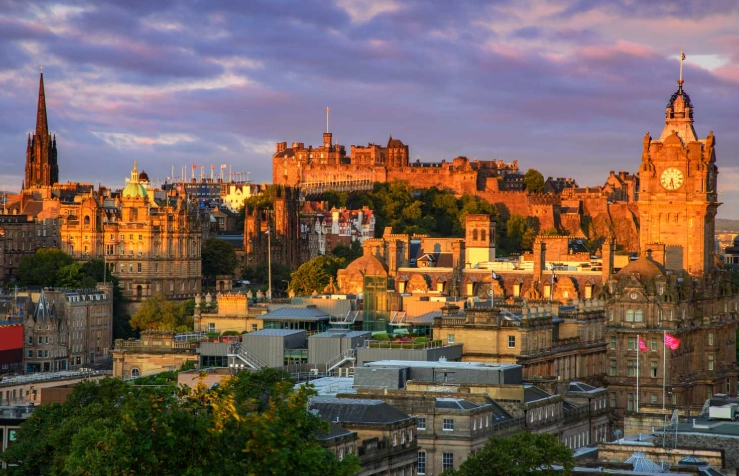
What You Actually Need: Proper trainers or hiking shoes with grip. A waterproof/windproof jacket (the summit is exposed). Water. Allow 2-3 hours for a comfortable round trip with time at the top. Check the forecast on the Met Office website. If it says "40 mph gusts," believe it. The view from the top on a clear day is unbeatable—you see the Castle, the Firth of Forth, and the city laid out like a map.
Beyond the Postcards: Edinburgh's Hidden Gems
If you have more than a day, get off the beaten track. These spots offer the Edinburgh feel without the shoulder-to-shoulder crowds.
Calton Hill: Often overshadowed by Arthur's Seat, but it's a much easier climb (5-10 minutes) and offers arguably better, more curated views of the city skyline. Home to the unfinished National Monument ("Edinburgh's Disgrace") and the Nelson Monument. Free access.
The Dean Village: A five-minute walk from the west end of Princes Street, this feels like a fairy-tale hamlet dropped into the city. Old mill buildings cling to the Water of Leith. It's purely a residential area, so be respectful. Find the viewpoint on Dean Path bridge.
The Scottish Parliament Building: Love it or hate its modern architecture (and many locals hate it), a free tour here is fascinating. It's a symbol of modern Scotland. Book a tour online via the Scottish Parliament website.
Greyfriars Kirkyard: This cemetery is famous for Greyfriars Bobby, the loyal dog, but it's also a serene, spooky, and historically rich spot. Look for tombstones that inspired names in Harry Potter (like Thomas Riddell).
Making it Work: Brutally Honest Practical Tips
Planning is everything in Edinburgh.
Timing is Key: August is the Edinburgh Festival Fringe. The city is electric, packed, and expensive. If you want to see standard attractions, it's the worst possible time. May-June or September are ideal.
Book Everything in Advance: I mean everything. Castle tickets, popular restaurant dinners, even walking tours. Slots sell out days or weeks ahead.
Walk or Bus: The city centre is very walkable, but it's hilly. Lothian Buses are excellent. Get a day ticket (£5) for unlimited travel. Don't bother with a car in the centre—congestion charges and parking are a nightmare.
The Weather Rule: Pack layers. A typical day can have sunshine, horizontal rain, and a chilly wind—all before lunch. A compact umbrella is useless in the wind; a good hood is better.
Your Edinburgh Questions, Answered
Edinburgh's attractions tell a story of fire, faith, and resilience. It's a city built on geology and grit. Don't just chase the photos. Take a moment in St. Margaret's Chapel, get lost in a close, feel the wind on Arthur's Seat. That's when you'll understand it.