Let's be honest. When you search for "things to do in Boston," you're immediately hit with the same list: Freedom Trail, Faneuil Hall, maybe a duck boat. Those are fine, they're famous for a reason. But after a decade of showing friends around and playing tourist in my own city, I've learned Boston's real magic lives in the spaces between those landmarks. It's in the quiet courtyard of a museum you didn't plan to visit, the perfect cannoli debate in the North End, and the view of the skyline from a forgotten pier.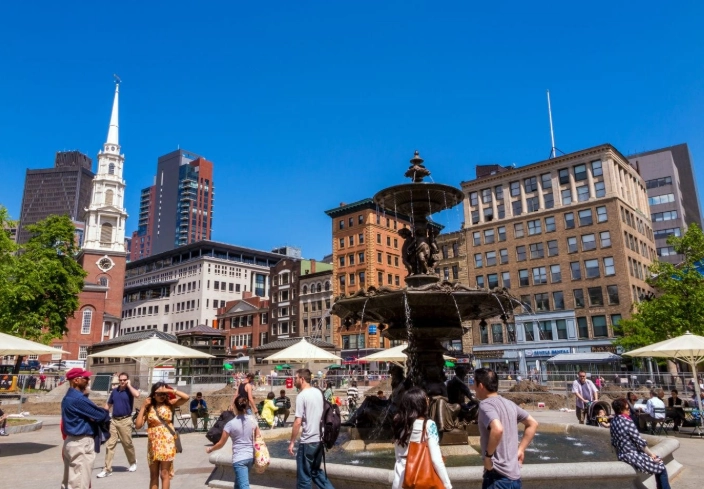
This guide is for the traveler who wants the iconic photos but also the authentic stories. We'll cover the essentials, sure, but we'll dive deeper into what makes Boston tick—its neighborhoods, its food, and its surprisingly walkable scale.
Your Boston Adventure at a Glance
Beyond the Freedom Trail: Boston's Diverse Attractions
The 2.5-mile red brick line is a great spine for your first day. But don't just tick off churches and graves. Stop and read the plaques. Imagine the chaos at the Old State House. My pro tip? Start at the Bunker Hill Monument in Charlestown (free, climb the 294 steps for the view) and walk backwards towards downtown. You beat the crowds and end where the food is.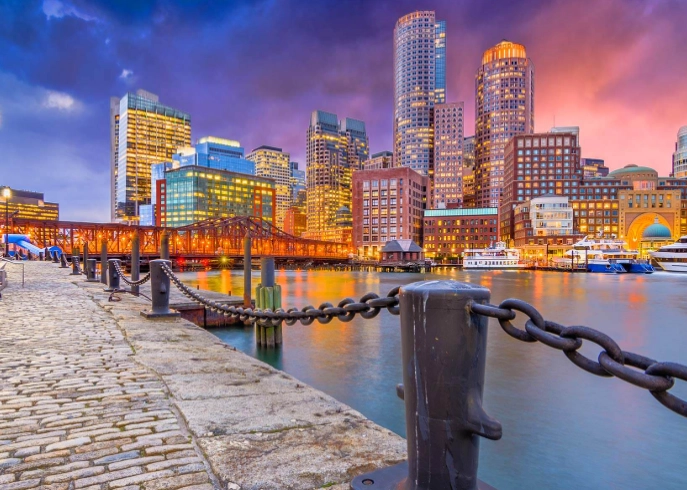
Museums That Are Actually Cool (Even If You Hate Museums)
Forget dusty halls.
The Isabella Stewart Gardner Museum is my top pick. It's a Venetian palace filled with art, centered around a stunning courtyard. The story of the 1990 art heist (still unsolved!) is fascinating. Tickets are around $20, book online. Go on a weekday if you can; it gets packed.
The Museum of Fine Arts (MFA) is world-class, but overwhelming. Don't try to see it all. Focus on one wing—the American Art galleries, with their stunning Sargents and colonial portraits, tell a powerful story. General admission is $27. Wednesday nights after 4 PM are donation-based, but expect a line.
For something completely different, the Institute of Contemporary Art (ICA) in the Seaport offers killer harbor views from its cantilevered gallery. The art is hit-or-miss, but the building and location are a win. It's $20, and free for kids under 18.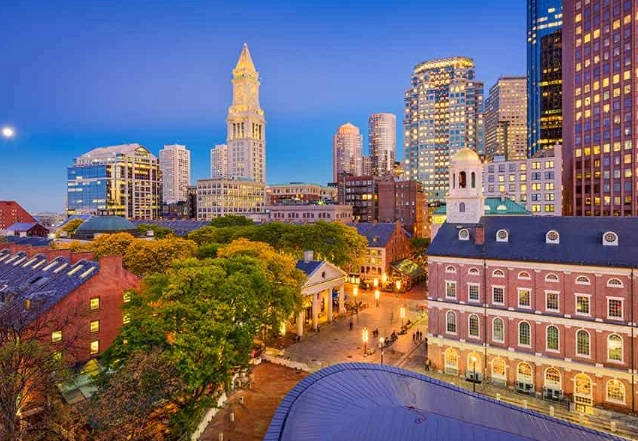
Neighborhoods to Wander and Get Lost In
The North End is Boston's Little Italy. The tourist trap restaurants are on Hanover Street. For better food, go one block over to Salem or Richmond Streets. The real move here is an evening *passeggiata* (stroll) with a pastry. The debate between Modern Pastry and Mike's Pastry is legendary. I'm Team Modern—their cannoli shells are filled to order, so they stay crisp. Mike's is a spectacle, often with a line down the block.
Back Bay is for architecture lovers. Stroll down Commonwealth Avenue's mall (a tree-lined promenade), peek into the hidden courtyards, and shop on Newbury Street. Don't miss the Boston Public Library central courtyard. It's a peaceful oasis that feels like you've been transported to Rome. Free and open to the public.
The Seaport District has transformed from parking lots to a gleaming tech hub. It feels a bit sterile, but it's worth a trip for the views and a drink at a rooftop bar like Lookout Rooftop. The Boston Tea Party Ships & Museum here is cheesy but fun if you have kids.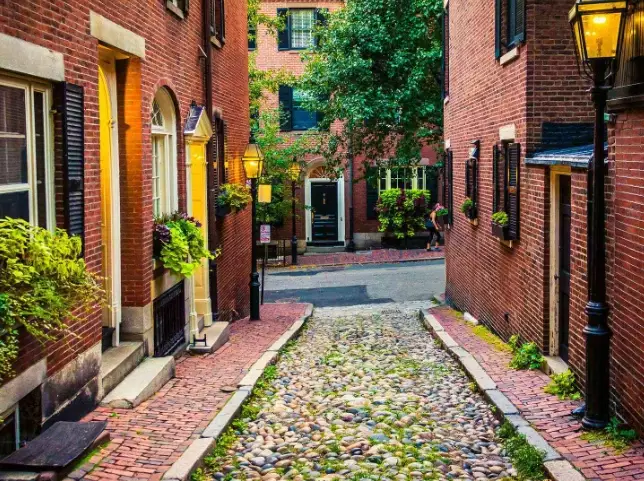
Boston's Culinary Scene: More Than Just Chowder
Yes, you should try New England Clam Chowder. The version at Union Oyster House (historic, touristy) is fine, but for a more modern take, head to Row 34 in the Seaport. It's a splurge, but the oysters and chowder are exceptional.
Boston's real food strength is in its neighborhoods. Here's a quick, no-nonsense breakdown of where to eat:
| Neighborhood | Vibe & Must-Try | Spot to Try | Note |
|---|---|---|---|
| North End | Authentic Italian, bakeries | Giacomo's (cash only), Modern Pastry | Dinner reservations are a myth here. Expect to queue. |
| South End | Trendy, brunch capital, LGBTQ+ friendly | Torro (Spanish tapas), The Butcher Shop | Brownstone-lined streets perfect for a post-meal walk. |
| Cambridge | Academic, international, food halls | Life Alive (healthy bowls), Alden & Harlow (New American) | Explore Harvard Square and the quieter streets around Central Square. |
| Chinatown | Late-night eats, dumplings | Gourmet Dumpling House, Peach Farm | Go for a bustling, no-frills experience. Cash is king at many spots. |
One thing Boston does incredibly well is seafood shacks. You need to get out of downtown. Take a short trip to Belle Isle Seafood in Winthrop or Yankee Lobster Co. near the Seaport for a no-nonsense lobster roll (cold with mayo or warm with butter—you pick your side) and fried clams.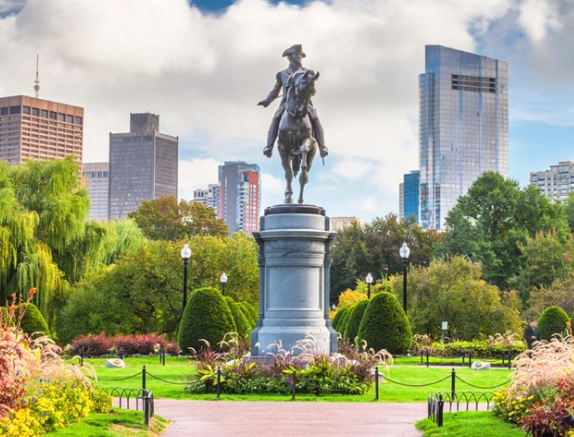
Planning Your Boston Visit: Practical Tips from a Local
Getting Around: Boston is a walking city. Seriously, you can walk from the Common to the North End in 20 minutes. The subway (the "T") is old and can be frustrating, but it works. Get a CharlieCard (the reusable plastic card) for cheaper fares than a paper ticket. The 7-day pass for $22.50 is a steal if you're here for a week. Driving in downtown Boston? Don't. The roads are a colonial-era maze and parking will cost you more than your hotel room.
When to Come: Fall is glorious (and packed). October is peak foliage and tourism. Spring is lovely but unpredictable—pack layers. Summer can be hot and humid, but full of festivals. Winter is cold, but hotels are cheaper, and the city has a quiet charm.
Budgeting: Boston is expensive. A decent hotel downtown starts at $250/night. Save money by staying in a neighborhood like Brookline or Cambridge near a T stop. Eat a big lunch at a mid-range place (lunch specials are common) and have a lighter, cheaper dinner. Use the many free attractions—walking the Freedom Trail, exploring the Public Garden, visiting the Harvard campus.
A Sample 3-Day Boston Itinerary
Day 1 (History & Heart): Morning walking the Freedom Trail from Boston Common to Copp's Hill. Lunch at Quincy Market (quick, varied). Afternoon exploring the North End (Old North Church, Paul Revere House). Dinner at a North End trattoria. Evening stroll along the Harborwalk.
Day 2 (Culture & Neighborhoods): Morning at the Isabella Stewart Gardner Museum. Lunch in the cool student area of Coolidge Corner (Brookline). Afternoon exploring Back Bay (shops, library, Public Garden). Sunset drinks at a rooftop bar. Dinner in the South End.
Day 3 (Choose Your Adventure): Option A: Day trip to Salem (30 min train) for witch history. Option B: Harvard Square & Museum of Science. Option C: Harbor Islands ferry trip. Option D: Cambridge deep dive (MIT, Harvard Art Museums).
Your Boston Questions, Answered
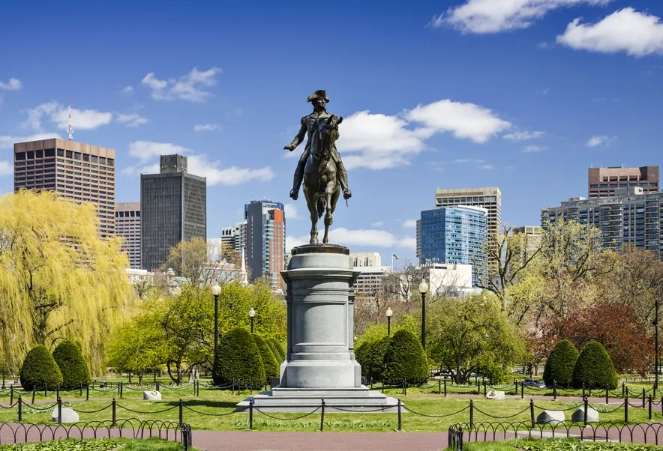
Boston isn't a city you blast through on a checklist. Its charm is in the cobblestone side streets, the quiet university quads, and the fierce local pride. Skip trying to do everything. Pick a couple of landmarks, settle into a neighborhood, and just wander. That's when you'll find the real Boston.