Let's be honest. When you think "Arizona things to do," the Grand Canyon is the first, second, and third thing that pops into your head. And it should be. But treating Arizona as a one-attraction state is the quickest way to miss its soul. This place is a layered masterpiece of red rock cathedrals, saguaro-studded deserts, quirky urban energy, and deep Native American history. I've spent years exploring its highways and backroads, and the mistake I see most? People try to see it all in a rush. They bake in summer traffic, miss the hidden slots, and leave thinking Arizona is just a big hole in the ground.
It's so much more.
Your Arizona Adventure at a Glance
The Iconic Natural Wonders (Beyond the Canyon)
Yes, we'll talk about the Grand Canyon. But let's frame it correctly.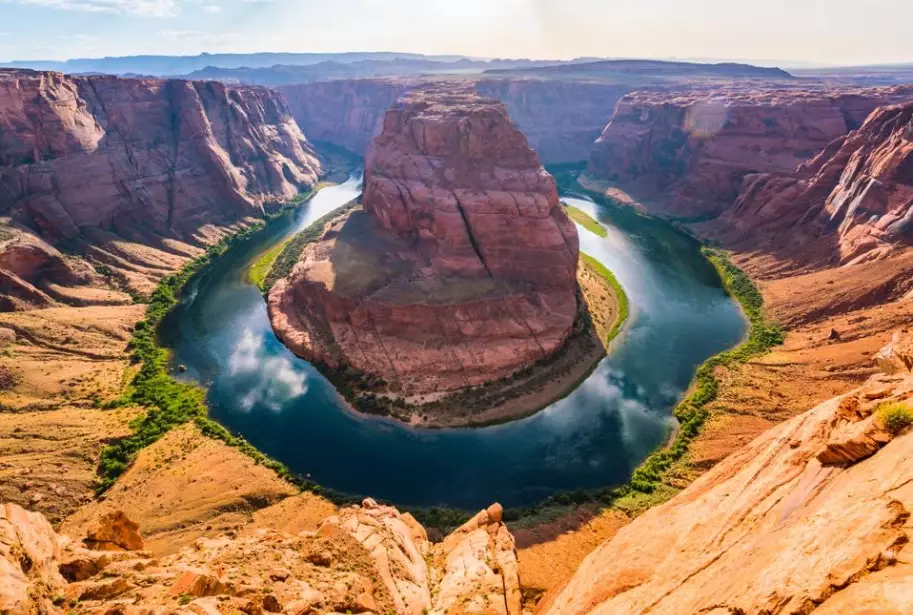
Grand Canyon National Park: South Rim vs. North Rim
Most visitors go to the South Rim. It's open year-round, has the classic postcard views from Mather Point and Yavapai, and more services. The entry fee is $35 per vehicle, valid for 7 days. It's about a 3.5-hour drive from Phoenix. My pro-tip? Don't just snap photos from the rim. Hike even a mile down the Bright Angel or South Kaibab Trail. The perspective change is humbling. The canyon walls swallow you, and the scale becomes real.
The North Rim is a different beast. Higher elevation, cooler, and receives 90% fewer visitors. It's only open mid-May to mid-October. The drive is longer, but the solitude is worth it. The view from Bright Angel Point feels more intimate, somehow.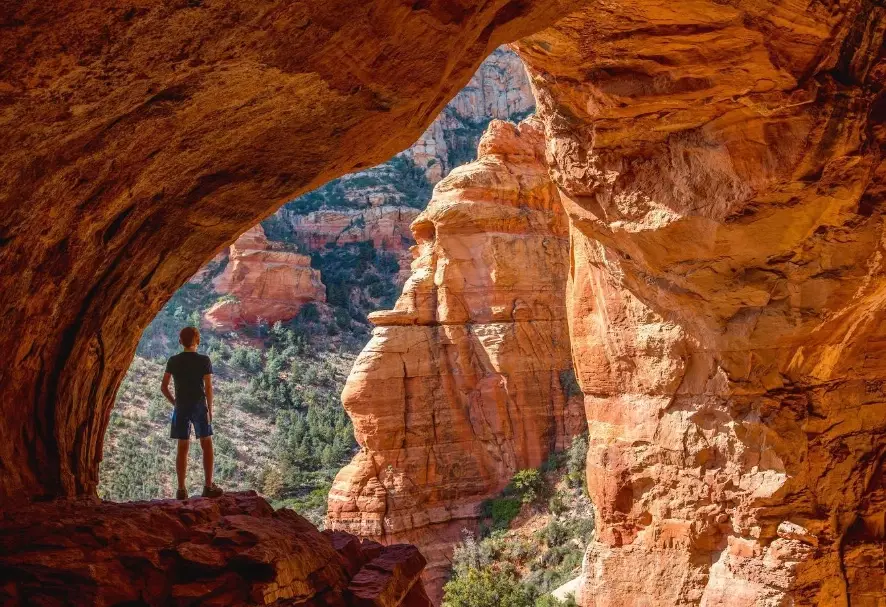
Here's a quick comparison:
| Feature | South Rim | North Rim |
|---|---|---|
| Accessibility | Year-round, easier access from major airports (Phoenix, Las Vegas). | Seasonal (May-Oct), remote location. |
| Crowds | Heavy, especially at main viewpoints. | Much lighter, peaceful. |
| Vibe | Grand, iconic, bustling. | Serene, forested, secluded. |
| Best For | First-timers, families, those wanting full services. | Repeat visitors, hikers, solitude seekers. |
Sedona's Red Rock Country
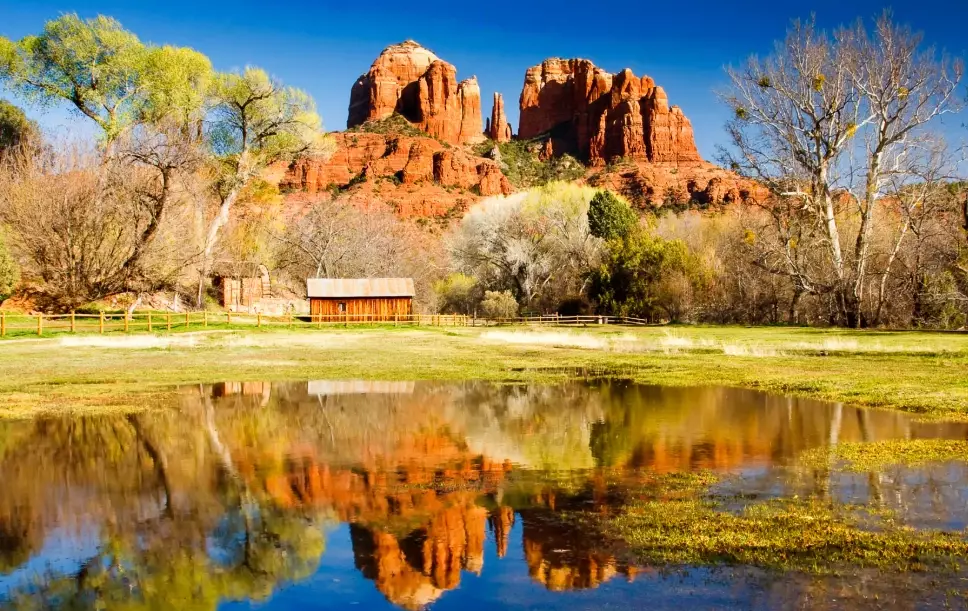
Two hours north of Phoenix, Sedona isn't just pretty. It's spiritually charged. The vortex sites are a thing, but you don't need to buy into the energy to feel the majesty. The hiking is world-class.
- Cathedral Rock Trail: Short but steep. The scramble up is fun, and the view from the saddle at sunset is unreal. Gets packed—go early.
- Devil's Bridge Trail: You've seen the photo. The natural sandstone arch you can walk on. A moderate 4.2-mile round trip. The line to take your picture on the bridge can be long by midday.
- Boynton Canyon Trail: Longer, quieter, and passes by the famous Enchantment Resort. Feels more immersive.
Parking at trailheads is a nightmare after 8 AM. Use the free Sedona Shuttle that runs to the most popular trails on weekends and holidays. It saves your sanity.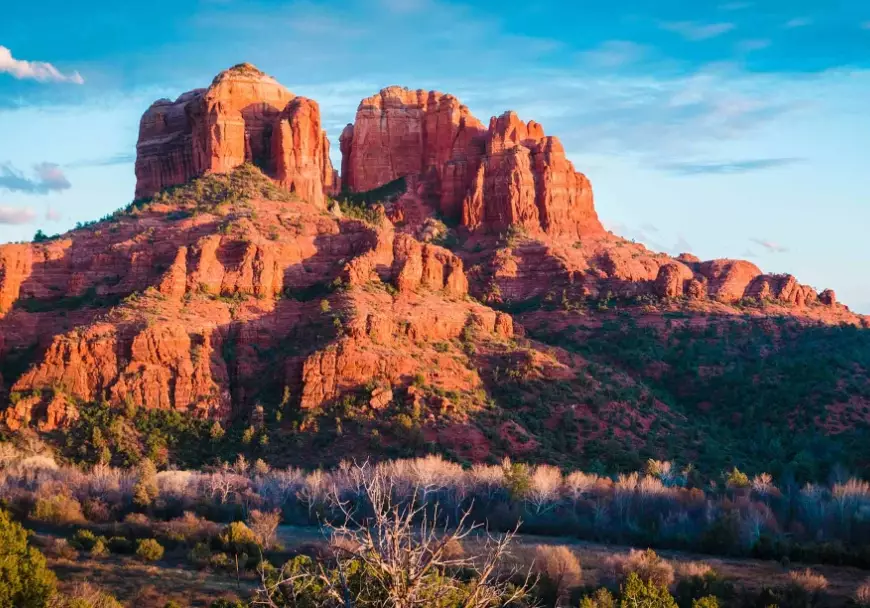
Monument Valley Navajo Tribal Park
This is the landscape of every Western movie. Those towering buttes on a vast, empty plain. It's not a U.S. National Park; it's on the Navajo Nation. You pay a $20 entry fee per vehicle (up to 4 people).
You can drive the 17-mile Valley Drive, a rough dirt road, in your own car (check conditions, SUVs are better). But the real magic is on a guided tour with a Navajo guide. They take you into areas closed to the public, share stories, and show you petroglyphs and hidden formations. I did a sunset tour with a local operator, and watching the shadows stretch across the Mittens as the guide explained their cultural significance was an experience no guidebook can replicate.
Urban Pulse & Cultural Gems
Arizona's cities have their own defiant personality.
Phoenix & Scottsdale: Desert Metropolis
Phoenix is sprawling. Downtown Phoenix has great museums like the Heard Museum (dedicated to Native American art and culture—a must-visit). But for most visitors, the action is in nearby Scottsdale.
Scottsdale's Old Town is touristy but fun—think Southwestern boutiques, art galleries, and restaurants. The Musical Instrument Museum (MIM) in North Phoenix is a global standout, consistently ranked a top U.S. museum. It's interactive and fascinating even if you're not a musician.
The food scene is a highlight. Forget chain restaurants. Try:
- Barrio Café (Phoenix): 2814 N 16th St. James Beard-nominated chef Silvana Salcido Esparza serves up incredible, creative Mexican food. The cochinita pibil is legendary. Moderate to high price point.
- FnB (Scottsdale): 7125 E 5th Ave. Chef Charleen Badman, "the Vegetable Butcher," makes Arizona agriculture shine. The menu changes but is always vegetable-forward and brilliant.
Tucson: A UNESCO City of Gastronomy
Tucson feels grittier, more authentic than Phoenix. Its culinary history earned it a UNESCO designation. You have to explore the El Charro Café lineage (they claim to have invented the chimichanga) and get a Sonoran hot dog from a street cart—bacon-wrapped dog in a bolillo roll, loaded with beans, onions, tomatoes, and mayo.
Just outside town, Saguaro National Park (split into East and West districts) protects dense forests of the iconic saguaro cactus. The west district has a denser concentration. Drive the Bajada Loop Drive (dirt, but usually passable for cars) at sunset. The silhouettes are unforgettable. Entry is $25 per vehicle.
Flagstaff: Mountain Gateway
At 7,000 feet, Flagstaff is your cool, pine-scented basecamp for the Grand Canyon. Its historic downtown has a great vibe—breweries, bookshops, and the Lowell Observatory where Pluto was discovered. It's a college town (Northern Arizona University) with good energy. A perfect stop to acclimate to elevation before heading to the canyon.
Off-the-Beaten-Path Hidden Gems
This is where you beat the crowds.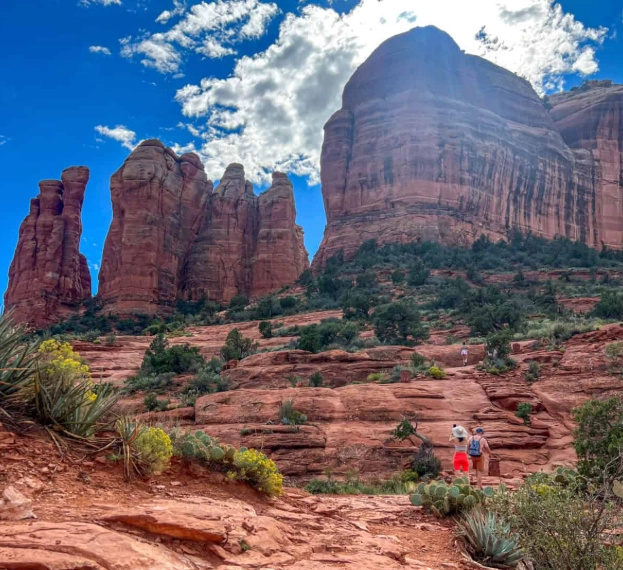
Chiricahua National Monument: Called the "Wonderland of Rocks," it's a maze of volcanic rock spires in southeastern Arizona. It's a haul to get there (about 2 hours from Tucson), but you'll have the trails mostly to yourself. The Echo Canyon Loop is a stunning hike.
Bisbee: A historic copper mining town turned funky artist colony, tucked into the Mule Mountains near the Mexican border. It's all steep streets, Victorian architecture, and quirky B&Bs. Tour the Queen Mine, then have a drink at a historic saloon. It feels like stepping into a different century.
The Salt River Tubing: East of Phoenix. In the summer, this is a local ritual. You rent a tube, float down the slow-moving Salt River, and see wild horses coming to the banks to drink. It's chaotic, fun, and incredibly Arizonan. Go on a weekday if you can.
Local's Insight: The Light Beam Chase
Everyone wants that photo of the light beam in Antelope Canyon (near Page, AZ). The secret? The beams are most dramatic in the summer months (roughly March-October) when the sun is high enough. Upper Antelope Canyon gets the famous beams. But you must book your guided tour months in advance, especially for the prime 11 AM - 1 PM slots. The tours are expensive and feel rushed, but the visual spectacle is undeniable. If you crave a quieter experience, ask about midday tours for Lower Antelope Canyon or look into nearby Canyon X.
Planning Your Trip: The Nitty-Gritty
Best Time to Visit: This is critical. Spring (March-May) and Fall (September-November) are perfect—warm days, cool nights. Summer (June-August) is brutally hot in the deserts (Phoenix, Tucson) but pleasant at higher elevations (Grand Canyon South Rim, Flagstaff). It's also monsoon season with dramatic, sometimes dangerous, afternoon storms. Winter can bring snow to the north and the rim, but desert hiking is pleasant.
Getting Around: You need a car. Public transit won't cut it. Rent one. Distances are vast. Phoenix to Tucson: 2 hrs. Phoenix to Sedona: 2 hrs. Sedona to Grand Canyon: 2 hrs. Grand Canyon to Page: 2.5 hrs. Factor this in.
What to Pack: This isn't a casual suggestion. Hydration is a safety issue. Carry more water than you think you need—a gallon per person per day for serious hiking. Sun protection (hat, sunglasses, SPF 50+) is mandatory. Good hiking shoes with grip for sandstone and rocky trails. Layers are key—desert mornings can be chilly, days hot, and nights cold, especially up north.
Your Arizona Travel Questions Answered
What is the single biggest mistake first-time visitors make when planning an Arizona trip?
Underestimating the distances and climate. Arizona is massive. Driving from Phoenix to the Grand Canyon South Rim takes about 3.5 hours non-stop. Trying to cram Sedona, the Grand Canyon, and Monument Valley into a tight 3-day itinerary means you'll spend more time in the car than experiencing the places. Pair that with attempting strenuous hikes in the peak summer heat, and you have a recipe for exhaustion. The fix? Pick one or two regions per trip and respect the desert climate by planning activities for early mornings and late afternoons.
Is it possible to see the best of Arizona without a car?
Realistically, no, not for the classic Arizona experience. Public transportation between cities and to major natural parks is extremely limited. While you can enjoy Phoenix or Tucson using rideshares and tours, the soul of Arizona—those winding desert roads, sudden canyon vistas, and secluded trailheads—requires your own wheels. The freedom to stop at a roadside pullout because you saw a stunning rock formation is irreplaceable. Renting a car is a non-negotiable for most itineraries focused on outdoor attractions.
What's a unique, less crowded alternative to Antelope Canyon?
Look into Canyon X or Antelope Canyon's lesser-known sister, Canyon X, operated by the same outfitters. It offers similarly mesmerizing light beams and narrow passageways but with significantly smaller tour groups. For complete autonomy, consider Wire Pass Trail to Buckskin Gulch (near Page, AZ). It's a hike, not a tour. You navigate a short, fun slot canyon that eventually leads to one of the longest and deepest slot canyons in the world. You need a permit, but you hike at your own pace without a guide narrating every turn. The experience feels more like discovery and less like a procession.
How many days do I need for a basic Arizona road trip?
A basic loop covering the highlights needs a minimum of 5-7 days to avoid being purely a driving marathon. A feasible 5-day outline: Day 1-2: Land in Phoenix, drive to Sedona (2 hrs), explore. Day 3: Drive to Grand Canyon South Rim (2 hrs), spend afternoon. Day 4: Sunrise at GC, drive to Page (2.5 hrs) for Antelope Canyon tour. Day 5: See Horseshoe Bend, drive back to Phoenix (4.5 hrs). This is fast-paced. Adding Monument Valley or Saguaro National Park easily pushes it to 7-10 days for a more relaxed and immersive journey.
Ultimately, Arizona rewards the traveler who slows down. It's not about checking boxes. It's about feeling the dry heat on your skin, watching a thunderstorm roll across the desert floor, and standing in silence before a landscape that makes you feel wonderfully small. Skip the rushed tour. Pick your corner of this incredible state and dive deep. You'll find more than just things to do—you'll find a feeling that sticks with you long after you've left the red dust behind.
Reader Comments