Your Quick Guide to Affordable Cities
Let's be real. The idea of a vacation often comes with a side of financial anxiety. Flights, hotels, eating out every day – it adds up fast. But what if I told you that you can have a fantastic trip without draining your savings? It's totally possible if you know where to look.
Forget the idea that a great American vacation means New York or San Francisco. Some of the most memorable experiences are hiding in plain sight, in cities that are rich in culture, history, and natural beauty, but light on your wallet. I've been there, stressing over credit card bills after a trip. That's why I started seeking out these hidden gems.
The trick isn't just finding a place with a cheap hotel. It's about the overall ecosystem of a trip. A truly affordable destination has reasonable lodging, plenty of free or low-cost activities, walkable areas or good public transit to save on car rentals, and a food scene that doesn't require a fine dining budget. You want a place where you can relax and explore, not constantly check your bank account.
Why These Cities Are Your Wallet's Best Friend
So, what makes a city qualify as one of the cheapest vacation cities in the US? It's a mix of factors. I look at average hotel or Airbnb costs, of course. But I dig deeper. How much is a local beer or a coffee? Are the major attractions free, like parks and museums with donation-based entry? What's the cost of getting around? A city might have cheap beds but expensive everything else, which is a trap.
I also consider the "value for money" factor intensely. Cleveland, for instance, has a world-class art museum that's free to the public. That's insane value. In San Antonio, you can wander the iconic River Walk for hours without spending a dime. These experiences form the core of a great trip and cost nothing.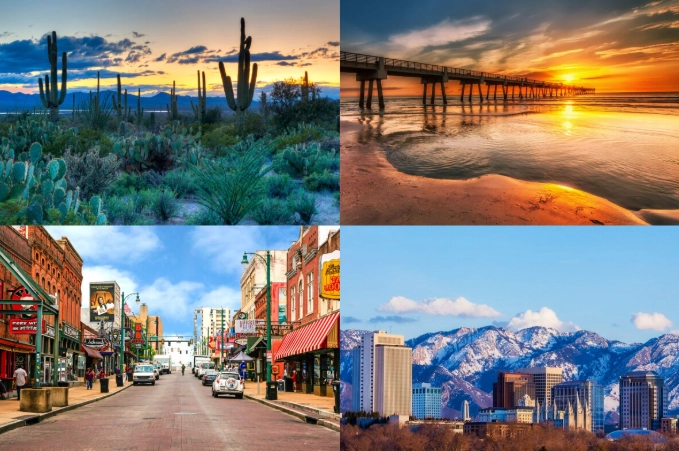
Pro Tip: Always check a city's tourism bureau website (like Visit Pittsburgh or Explore St. Louis). They often list free events, walking tours, and discount passes that never show up on generic travel sites.
Another huge factor is the shoulder season. Visiting these places in the peak of summer or during a major festival will always be more expensive. But go just a week or two outside that window, and prices for flights and hotels can plummet. The weather is often still great, and the crowds are thinner. It's a win-win.
I have to admit, sometimes the food scene in these affordable spots surprises me the most. You find incredible, authentic family-run restaurants, bustling food halls, and legendary cheap eats that become the highlight of the trip. It's where the locals eat, not where the tourists are funneled.
Top Picks for Affordable Adventures
Alright, let's get into the good stuff. Based on my own travels and relentless research, here are some standout contenders for the title of cheapest vacation cities in the US. This isn't just a list from a cost-of-living index; it's a list of places where you can actually have a fulfilling vacation.
San Antonio, Texas
San Antonio is a masterclass in free entertainment. The heart of the city is the River Walk, a network of walkways along the San Antonio River. You can spend a whole day just strolling, people-watching, and admiring the scenery. Then there's the Alamo. It's free to enter (though donations are appreciated), and it's a cornerstone of Texas history. The surrounding historic missions are part of a National Historical Park and are also free to tour.
Where the Savings Are: Beyond the free attractions, San Antonio has a very affordable public food scene. You can get fantastic Tex-Mex without the fancy prices. I remember a massive, delicious breakfast taco for under $3. The city also has a good bus system, and many of the core attractions are within walking distance of each other, saving on transport costs.
My personal take? The Pearl District is a cool area to explore for its shops and eateries, and it won't break the bank. Some people find the River Walk area a bit touristy and crowded (which is fair), but step a few blocks away, and you find the real character of the city.
Albuquerque, New Mexico
Albuquerque flies under the radar, but it's a treasure. The big draw here is the stunning natural landscape and unique culture. You can take the Sandia Peak Tramway for breathtaking views (it's a splurge, but worth it), but then hike in the foothills for free. The Petroglyph National Monument is another low-cost outdoor activity where you can see ancient rock carvings.
Where Albuquerque really shines as one of the cheapest vacation cities in the US is in its cultural offerings. The Indian Pueblo Cultural Center is reasonably priced and incredibly informative. Old Town Albuquerque is free to wander, full of historic adobe buildings and shops. And the food? New Mexican cuisine is its own wonderful category, and you can get a life-changing green chile stew or stacked enchiladas at local joints for a very fair price.
I visited during the off-season (not during the famous Balloon Fiesta, which jacks up prices), and was blown away by how much there was to do on a modest budget. The sunsets alone are worth the trip.
Cleveland, Ohio
Cleveland is the comeback city that proves affordability and world-class culture can mix. The Cleveland Museum of Art is, as mentioned, completely free and is consistently ranked among the best in the country. That's not a discount experience; that's a top-tier experience for zero dollars. The Rock & Roll Hall of Fame is the big-ticket item, but you can often find discounts online.
Sample Daily Budget (Per Person):
- Budget Hotel/Airbnb: $70-$90
- Food (Local Diner, Pub Meal): $25-$35
- Attractions (Focusing on free options): $0-$10 (donation)
- Public Transit/Transport: $5-$10
Total Rough Estimate: $100-$145 per day
Then you have the West Side Market, an incredible historic food market where you can grab cheap and amazing eats. The Cleveland Metroparks system, dubbed the "Emerald Necklace," provides endless free outdoor recreation. The public transit (RTA) is decent for getting to key areas. The vibe in neighborhoods like Ohio City or Tremont is fantastic, with great breweries that don't charge big-city prices for a pint.
Is it a tropical beach? No. But for a city packed with genuine experiences, it's hard to beat the value. The lakefront is beautiful, especially in the summer.
Memphis, Tennessee
Memphis is for music and history lovers. You can feel the soul of the city just walking down Beale Street (it's free to enter and soak up the atmosphere, though the clubs have covers). The National Civil Rights Museum at the Lorraine Motel is a profoundly moving and essential visit. While it has an admission fee, it's worth every penny and is priced accessibly.
For music, Sun Studio, the "Birthplace of Rock 'n' Roll," offers a reasonably priced tour. You can also visit the Stax Museum of American Soul Music. But beyond the museums, the music is in the air. You can find incredible live blues and soul in smaller bars for the price of a drink.
Pittsburgh, Pennsylvania
Pittsburgh is a city of bridges, hills, and surprising charm. It's incredibly green, with large parks like Schenley Park and Frick Park offering free recreation and stunning city views from places like Grandview Avenue. Riding the Duquesne Incline is a classic, low-cost activity for a panoramic vista.
The Carnegie Museums (of Art and Natural History) are a great value, and the Andy Warhol Museum is a unique draw. The neighborhoods are the real stars, though. The Strip District is a bustling market area great for cheap food and people-watching. Lawrenceville is full of quirky shops and affordable eateries.
What makes Pittsburgh a great choice for cheap vacation cities in the US is its scale. It feels big but is manageable. You can see and do a lot without a car by using their bus system or just walking. The people are genuinely friendly, which always makes a trip feel richer.
How to Plan Your Budget Trip: A Step-by-Step Mindset
Finding the destination is half the battle. The other half is planning the trip with a budget-conscious mindset from the start. It's not about deprivation; it's about intentionality.
First, set a realistic total budget. Then break it down: flights, accommodation, food, activities, transport, and a little buffer for surprises. Seeing it in categories helps you prioritize. Maybe you splurge on a unique food tour but save by staying in a neighborhood just outside the downtown core.
For flights, be flexible with dates and use incognito mode when searching. Consider alternative airports. For accommodation, don't just look at hotels. A private room in a well-located Airbnb or a hostel with good reviews can cut costs dramatically and often give you a kitchen to prepare some meals.
Food is a major expense. My strategy? I have one nice sit-down meal a day, usually lunch (it's often cheaper than dinner). Breakfast is coffee and a pastry from a local bakery, or I make it if I have a kitchen. Dinner might be a collection of snacks from a market or a famous, cheap local specialty. I also always carry a reusable water bottle.
For activities, research the free options first. Almost every city has free walking tours (you just tip the guide), free museum days, historic districts to wander, and parks. Then, if there's one or two paid attractions you really want, you can fit them in without guilt.
Let's look at a quick comparison to see how these cities stack up on the core expenses. Remember, these are average ranges and can vary by season.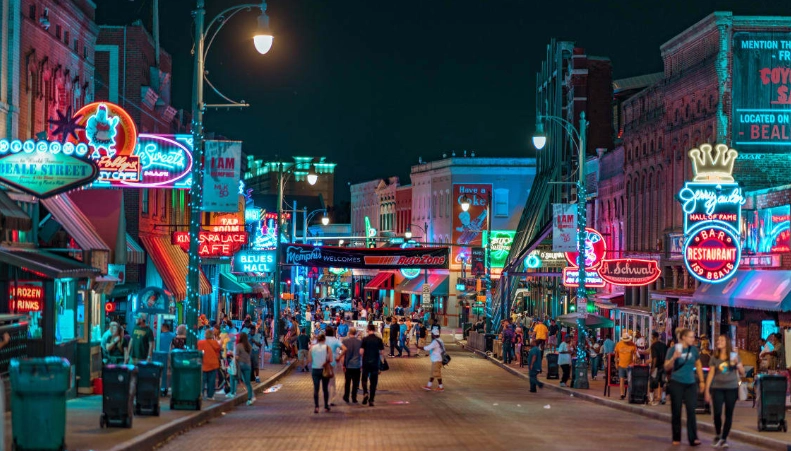
| City | Avg. Hotel (Mid-Range) | Key Free/Low-Cost Attraction | Budget Meal Estimate |
|---|---|---|---|
| San Antonio, TX | $110 - $140 | The Alamo, River Walk | $8 - $12 (Taco/Plate) |
| Albuquerque, NM | $100 - $130 | Petroglyph NM, Old Town | $9 - $14 (New Mexican Plate) |
| Cleveland, OH | $95 - $125 | Cleveland Museum of Art, Metroparks | $10 - $15 (Pub Food) |
| Memphis, TN | $105 - $135 | Beale Street, Riverfront | $11 - $16 (BBQ Sandwich) |
| Pittsburgh, PA | $115 - $145 | City Views from Parks, The Strip District | $10 - $14 (Diner Meal) |
See? The differences aren't astronomical, but they add up over a 4-5 day trip. The real savings come from leveraging those free attractions and eating like a local.
Answers to Your Biggest Budget Travel Questions
I get a lot of questions from friends about this stuff. Here are the most common ones, answered plainly.
Is it safe to stay in cheaper accommodations?
Generally, yes. The key is research. Read the most recent reviews on platforms like Airbnb, Booking.com, or Hostelworld. Look for comments about location, cleanliness, and safety. A place with hundreds of reviews averaging 4.5+ stars is usually a safe bet. I often look for places where the host is a "Superhost" or has a quick response time. Trust your gut. If a deal seems too good to be true in a prime location, it might be.
How can I save on food without just eating fast food?
This is my favorite challenge. First, visit grocery stores or local markets. You can get fresh fruit, local snacks, and drinks for a fraction of café prices. Second, eat your big meal at lunch. Many restaurants have lunch specials that are significantly cheaper than dinner menus for similar portions. Third, look for food halls or truck pods. They offer variety and often at better prices than sit-down restaurants. Finally, ask locals! Baristas, hotel clerks, or shop owners will usually point you to their favorite affordable spot.
Are city tourist passes worth it?
Sometimes, but not always. You have to do the math. If a pass costs $80 and gives you access to 5 attractions you were already planning to visit that would cost $25 each, it's a no-brainer. But if you're the type who prefers wandering and only plans to hit one or two major paid sites, it's probably not worth it. Also, check if the pass pressures you to rush. The goal is to enjoy your vacation, not run a museum marathon to "get your money's worth." I only get them if my itinerary is very attraction-heavy.
What's the single biggest mistake people make when looking for cheap vacations?
Focusing only on the flight and hotel price.
They book a $300 flight to a city where a mediocre hotel is $200 a night, a museum ticket is $30, and a simple dinner is $25 per person. The daily cost explodes. The true cost of a trip is the destination's ecosystem. A $350 flight to a city with a $90 hotel, free museums, and $12 meals will almost always be cheaper overall. You have to look at the total picture.
Making It Happen: Your Action Plan
So you're convinced that finding the cheapest vacation cities in the US is the way to go. Here's a simple plan to get started.
- Pick Your Priorities: Do you want history? Nature? Live music? Great food? Narrow down what you want from the trip first.
- Research 2-3 Cities: Based on your priorities, look into 2-3 of the cities mentioned (or others that fit the bill). Check their official tourism websites for calendars of free events.
- Play with Dates: Use flight search engines to see how prices change if you leave on a Tuesday versus a Friday, or if you go in May versus June. Be flexible.
- Book the Big Things: Lock in your flight and accommodation once you find a good deal. These are your biggest fixed costs.
- Plan a Loose Itinerary: List the free activities you want to do. Identify 1-2 paid attractions that are must-sees. Book those in advance if needed (sometimes it's cheaper).
- Budget for Food & Fun: Set a daily spending allowance for food, drinks, and souvenirs. Withdrawing that amount in cash can help you stick to it.
Final Thought: The goal of a vacation is to create memories and recharge. Some of my fondest travel memories are from these affordable trips – a perfect hike in Albuquerque, a powerful moment in the Cleveland Museum of Art, laughing with friends over cheap beers in Pittsburgh. It proves that the cost of a trip has little to do with its value.
Start looking at those cheapest vacation cities in the US not as a compromise, but as a doorway to a more authentic, relaxed, and financially smart way to travel. Your bucket list (and your bank account) will thank you.
Got a favorite affordable city I missed? I'm always looking for new ideas. The search for value never ends, and that's part of the fun.