What’s Inside
Let's be honest. Typing "Florida places to visit" into Google is downright overwhelming. You get hit with a tidal wave of listicles: "Top 50 Must-Sees!" "100 Hidden Gems!" It's too much. Your screen fills with pictures of perfect beaches, screaming kids on rollercoasters, and smiling retirees on golf carts. But which of those Florida vacation spots is right for you? That's the real question, isn't it?
I've been going to Florida for years—family trips, solo adventures, you name it. I've seen the postcard-perfect parts and the crowded, overhyped tourist traps. This guide isn't about throwing another massive list at you. It's about making sense of it all. We're going to break down the Sunshine State into understandable pieces, match destinations with traveler types, and give you the straight talk you need to plan a trip you'll actually love. Forget just checking boxes; let's find the Florida that fits your vibe.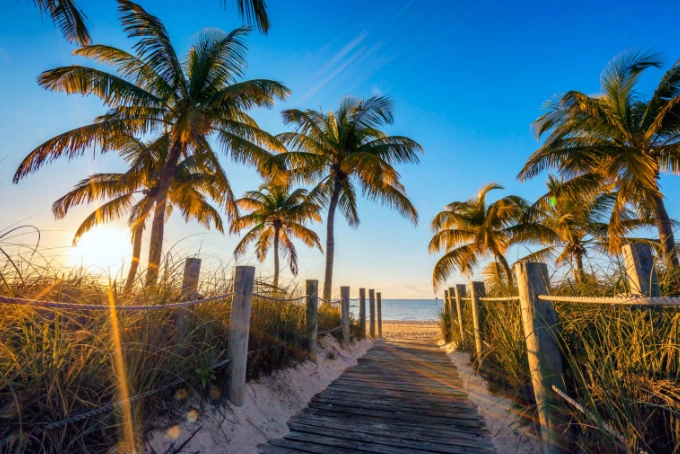
Why Florida? More Than Just a Theme Park State
Everyone knows about the mouse and the wizard. But Florida's magic runs way deeper. Think about it geographically. You've got the Atlantic Ocean on one side, the Gulf of Mexico on the other, and a massive, mysterious river of grass—the Everglades—cutting through the middle. This unique setup creates wildly different experiences just a few hours apart.
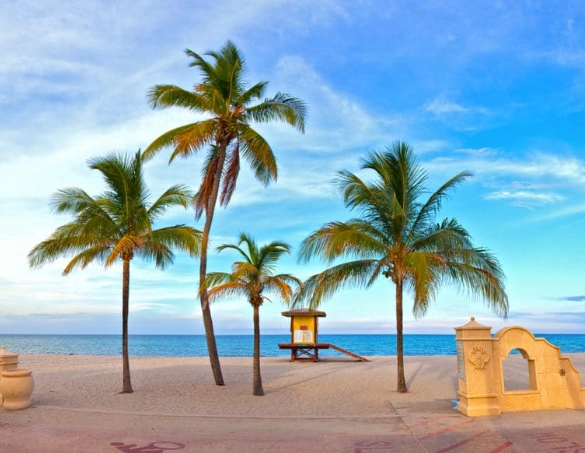
On the Gulf Coast, the water is often calm, warm, and shockingly clear, with sands so white they look like sugar. The Atlantic side has more wave action, perfect for surfers, and a different energy altogether. Then you head inland, and the landscape shifts to citrus groves, freshwater springs so clear you feel like you're floating on air, and those iconic moss-draped oak trees. The variety is Florida's secret weapon. You can literally go from watching a rocket launch at Cape Canaveral to kayaking with manatees in a crystal-clear spring a few days later. That's the kind of trip that sticks with you.
The Core Regions Demystified: To wrap your head around Florida places to visit, start by thinking in regions. It's the easiest way to narrow things down.
- South Florida: Miami, Fort Lauderdale, the Florida Keys. Think international flair, art deco, Latin rhythms, and a "see-and-be-seen" energy. Also, the gateway to the Caribbean-like string of islands that are the Keys.
- Central Florida: Orlando, Tampa, Clearwater. The undisputed theme park capital of the world (Orlando), paired with fantastic Gulf Coast beaches (Tampa Bay area). It's the classic family vacation hub.
- Southwest Florida: Naples, Fort Myers, Sanibel Island. More relaxed, wealthy, and known for shelling, gorgeous sunsets over the Gulf, and top-tier golf.
- North Florida & The First Coast: Jacksonville, St. Augustine, Amelia Island. Feels more like the Deep South. Rich history (St. Augustine is the nation's oldest city), fewer crowds, and a more laid-back vibe.
- The Panhandle: Destin, Panama City Beach, Pensacola. Known for those brilliant white-sand beaches and emerald-green water. It's often called the "Redneck Riviera," which tells you about its affordable, family-friendly reputation.
See? Already less chaotic. But where to start? Let's match the place to the person.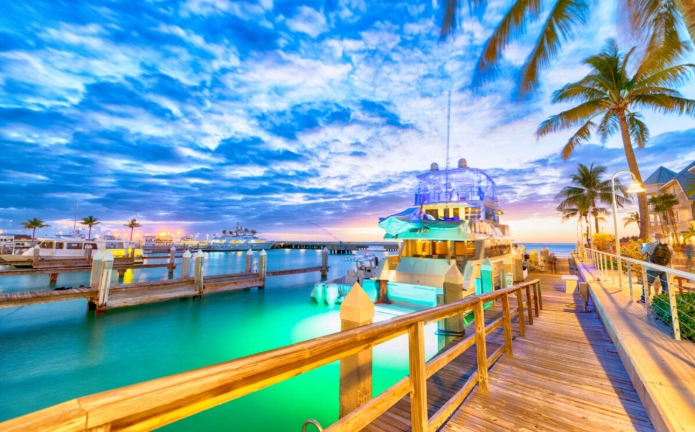
Finding Your Florida: Destinations for Every Traveler
This is where most generic lists fail. They just rank places, ignoring who's actually going. Your idea of the best places in Florida is going to be totally different if you're a couple on a romantic getaway versus a family with three hyperactive kids.
For Families (Especially with Younger Kids)
Let's get the obvious out of the way: Orlando is a powerhouse for a reason. It's a controlled, immersive, air-conditioned (crucially important in summer) wonderland. Walt Disney World is its own universe, and for kids meeting their heroes, it's pure magic. Universal Studios brings movies and comics to life in a way that's incredible for older kids and teens. The secret here isn't just "go to Orlando." It's managing it. Parks are exhausting and expensive. My advice? Don't try to do a park every day. Schedule pool days. Explore other Orlando-area spots like Gatorland (way cooler and more old-Florida than it sounds) or a natural spring nearby.
Parent Pro-Tip: The lines. Oh, the lines. Seriously, look into the skip-the-line systems each park offers (Genie+ at Disney, Express Pass at Universal). They cost more, but for a short trip, they can be the difference between a fun day and a meltdown-filled nightmare. Budget for them if you can.
But Florida family trips aren't only Orlando. The Gulf Coast from Clearwater down to Sarasota is fantastic. The beaches are gentle, shallow, and perfect for little ones to splash in. You've got the amazing Clearwater Marine Aquarium (home of Winter the dolphin from *Dolphin Tale*), the Ringling Museum in Sarasota (art and a circus museum!), and just a slower pace. For a more nature-focused trip, Merritt Island near Cape Canaveral offers wildlife drives and the incredible Kennedy Space Center, which is way more awe-inspiring than you might think, even for non-space-geeks.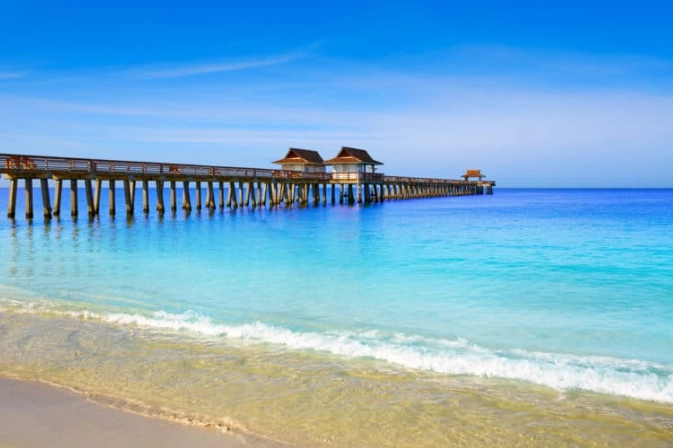
For Couples & Romance Seekers
If you're dreaming of a romantic Florida getaway, the automatic answer for many is Miami's South Beach. And look, it has its appeal—glamorous art deco hotels, trendy restaurants, vibrant nightlife. But personally? I find it can feel a bit like a production. It's expensive, the beach can be crowded, and the vibe is less "relaxing escape" and more "see-and-be-seen."
My vote for a truly romantic Florida experience? The Florida Keys. Drive the Overseas Highway, where you're hopping from island to island over breathtaking bridges. Key Largo is for diving at John Pennekamp Coral Reef State Park (the only living coral barrier reef in the continental US). Islamorada is the sportfishing capital. But the crown jewel is Key West. It's funky, historic, and has a "end-of-the-world" celebration vibe every night at sunset at Mallory Square. Stay at a charming bed and breakfast, rent bikes, eat key lime pie on a stick, and just unwind. It feels far removed from the mainland hustle.
Here's a hot take for couples: don't sleep on Naples and Sanibel Island on the Gulf Coast. Naples has beautiful, upscale beaches, fantastic dining on 5th Avenue, and a sophisticated but not stuffy feel. Sanibel is all about shelling—it's world-famous for it. There's something incredibly peaceful and connecting about walking a beach at sunrise, hand in hand, looking for treasures. The pace is slow, the sunsets are legendary, and it's just... lovely.
For the Nature Lovers & Adventurers
This is Florida's hidden strength, and my personal favorite side of the state. If your idea of the best places in Florida involves wildlife and wild spaces, you are in for a treat.
The crown jewel is Everglades National Park. Calling it a swamp does it a massive disservice. It's a slow-moving "river of grass," a unique ecosystem found nowhere else on Earth. You must experience it from the water. An airboat tour is the classic (and fun) way to see it, but for a quieter, more intimate experience, take a guided kayak or canoe trip through the mangrove tunnels. You'll see alligators, countless birds, and maybe even a timid manatee. The official National Park Service website for Everglades is your best resource for planning, trail conditions, and ranger programs.
Then there are the springs.
Florida's freshwater springs are a national treasure. They stay a constant 72 degrees year-round and are unbelievably clear. Ginnie Springs is famous for tubing and diving. Ichetucknee Springs State Park is perfect for a serene tubing trip down a crystal-clear river. For an otherworldly snorkel or dive, head to Devil's Den, an underground spring inside a prehistoric cave. It's breathtaking. The Florida Department of Environmental Protection's Florida Springs website is an excellent portal to explore these natural wonders.
And let's not forget the wildlife. For manatee viewing, the Crystal River area is the only place in North America where you can legally swim with them (in winter, when they congregate in the warm springs). It's a humbling experience. For birding, the J.N. "Ding" Darling National Wildlife Refuge on Sanibel Island is world-class.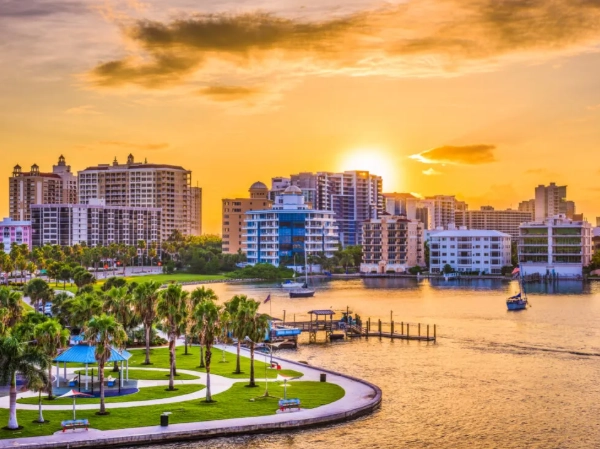
Building Your Florida Itinerary: A Practical Blueprint
Okay, you've got some ideas. Now, how do you stitch them together into a real trip? Trying to do Miami, Orlando, and the Keys in one week is a recipe for spending your entire vacation in the car. Here’s a saner approach.
The Classic First-Timer's Week (Orlando & Gulf Coast)
- Days 1-4: Orlando. Hit two major theme parks. Use your other days for a water park, Disney Springs, or a day trip to a spring like Wekiwa.
- Days 5-7: Gulf Coast Beach Time. Drive 1.5-2 hours west to Clearwater Beach or St. Pete Beach. Unwind, build sandcastles, visit the Clearwater Marine Aquarium, and soak in those Gulf sunsets.
The Nature & Keys Adventure Week
- Days 1-2: Everglades. Fly into Miami or Fort Lauderdale, rent a car, and drive straight to the Everglades (Homestead entrance). Do an airboat tour and a kayak trip.
- Days 3-6: The Florida Keys. Drive down the Overseas Highway. Spend a night in Islamorada, then 2-3 nights in Key West. Snorkel, bike, and enjoy the sunset celebration.
- Day 7: Miami. Drive back, spend your last night experiencing the food and art deco vibe of Miami Beach before flying out.
When to Go? The Critical Factor. This isn't just about comfort; it's about experience and cost.
High Season (Dec-April): Perfect weather. Also perfect crowds and perfect prices (meaning highest). Everything is busy. Book everything far in advance.
Shoulder Season (May, Sept-Nov): My sweet spot. May and November can have fantastic weather. September and October are hotter and squarely in hurricane season, but you'll find amazing deals and fewer people. Just get travel insurance.
Low Season (June-August): It's hot. And humid. And rainy (brief, intense afternoon thunderstorms are a daily ritual). But it's also when the water is warmest, and if you can handle the heat, you'll get good value. Just hydrate and plan indoor activities for the afternoon.
Comparing the Coasts: A Quick Decision Guide
Stuck between an Atlantic Coast trip and a Gulf Coast trip? This table breaks down the vibe to help you choose.
| Feature | Atlantic Coast (e.g., Miami, Daytona, Cocoa) | Gulf Coast (e.g., Clearwater, Naples, Destin) |
|---|---|---|
| Water & Sand | Ocean waves, typically darker sand, better for surfing. | Calmer, shallower, often spectacularly clear with very white, soft sand. |
| Sunset View | Sunrise over the ocean. Sunset is inland. | Legendary, unobstructed sunsets over the water. |
| General Vibe | More energetic, faster-paced, more urban options. | Generally more relaxed, family-oriented, "beach town" feel. |
| Best For | Surfers, partiers, city lovers, access to the Bahamas/Caribbean. | Families with small kids, shell collectors, romance, calm water activities. |
| A Classic Destination | Miami South Beach | Clearwater Beach / Siesta Key |
Florida Travel FAQs: Answering Your Real Questions
Here are the things people actually wonder when planning their Florida places to visit, based on forums, questions I get, and my own head-scratching moments.
Do I need a car in Florida?
Almost certainly, yes. Outside of a stay in a single dense area like South Beach Miami or within the Disney World bubble (with their buses), Florida is built for driving. Public transit is limited. To explore multiple Florida vacation spots or regions, a rental car is non-negotiable. The one partial exception is Key West—once you're there, you can walk or bike most places, but you'll need the car to get there.
Is it safe to swim? (Alligators, sharks, etc.)
This is the #1 fear. For ocean swimming, shark incidents are incredibly rare—you're in more danger driving to the beach. Pay attention to lifeguard flags for rip currents (the real ocean hazard). For alligators, they are in freshwater. Do not swim in freshwater lakes, rivers, or canals unless it's a designated swimming area like a spring or state park. They generally avoid humans in the open ocean. Use common sense, and you'll be fine.
What's the deal with hurricanes?
Hurricane season runs June 1 to November 30, peaking August-October. Should you avoid Florida then? Not necessarily. Modern forecasting is excellent, giving days of warning. The risk is real, but the solution is simple: get travel insurance that covers weather. It's worth the peace of mind. If a storm is forecast, airlines and hotels are usually very flexible about changes.
What's one thing I shouldn't miss?
Beyond the big-ticket items? A freshwater spring. It's a uniquely Floridian experience. Floating in that 72-degree, gin-clear water, looking at fish and ancient rock formations, is something you can't do just anywhere. It'll give you a whole new appreciation for the state's natural side.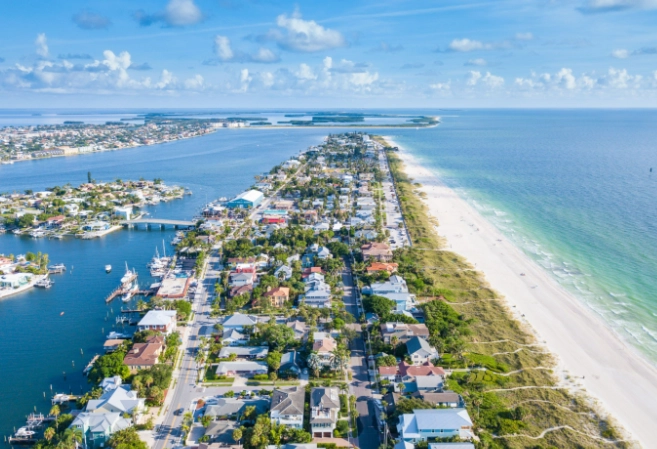
Final Thoughts: Making Your Florida Trip Yours
The biggest mistake people make when picking Florida places to visit is trying to do it all. Florida is bigger and more diverse than you think. You can't have a deep-Disney, chill-on-the-Gulf, party-in-Miami, and dive-in-the-Keys trip in one go. It's a recipe for exhaustion.
Instead, pick a theme. Is this a family fun trip? Anchor it in Orlando and add a Gulf beach. Is it a nature and relaxation trip? Base it around the Everglades and a spring or two. A romantic getaway? The Keys or a luxury Gulf Coast spot is your answer.
My last piece of advice? Leave a day completely unplanned. Some of my best Florida memories are from those days—stumbling upon a tiny seafood shack with the best grouper sandwich, taking a wrong turn and finding a deserted beach cove, or just spending an extra hour floating in a spring because we had nowhere else to be. That's the real magic. Plan your framework, then let Florida surprise you.
Start with the official Visit Florida tourism website for general inspiration and events. Then, dive deeper into the specific state park or national park websites for the natural areas that catch your eye. Armed with this guide, you're not just searching for a list—you're crafting an experience. Now go find your Sunshine State.