Your Beach Journey Map
- The Lay of the Land: Australia's Beach Regions Explained
- Picking Your Perfect Beach: Beyond the Pretty Pictures
- The Nitty-Gritty: What Nobody Tells You About Visiting Australia Beaches
- Your Australia Beach Trip Planner: A Quick Checklist
- Answering Your Burning Questions (The FAQ Section)
- The Final Word
Let's be honest. When you think of Australia, you picture beaches. It's not just a postcard thing; it's woven into the national identity. But here's the kicker – with over 10,000 beaches stretching along 60,000 kilometres of coastline, knowing where to start can feel impossible. Do you chase the iconic surf breaks, find a family-friendly bay, or hunt for that secret spot nobody talks about?
I've spent years exploring these shores, from the tourist-packed icons to the empty stretches where you feel like the last person on earth. I've also had my share of disappointments – beaches that looked amazing online but were windswept and bleak in person, or spots so crowded you couldn't lay a towel down. This guide is my attempt to cut through the glossy brochure stuff and give you the real picture.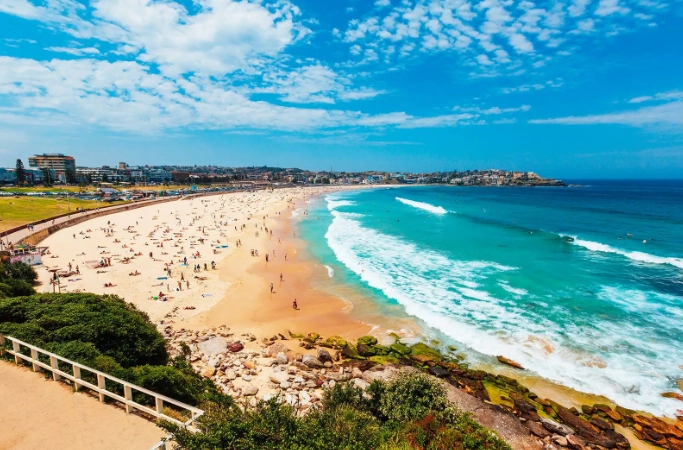
We're not just listing pretty names. We're talking about the vibe, the practicalities, and the honest downsides. Because a perfect beach day depends entirely on what you're after.
The Lay of the Land: Australia's Beach Regions Explained
First things first, you can't lump all Australia beaches together. The experience on the east coast is a world away from the west or the south. The water temperature, the swell, the sand, even the colour of the ocean changes dramatically.
The East Coast: The Classic Postcard
This is the Australia most people imagine. The Pacific Ocean delivers consistent, often powerful surf. The water is generally warmer (especially in Queensland), and the development is heavy. You've got cities right on the sand. It's accessible, vibrant, and where you'll find the most famous names.
Bondi in Sydney is the celebrity. It's worth seeing once for the spectacle – the bold lifeguards, the bustling promenade, the sheer energy. But would I spend my whole holiday there? Not a chance. It's hectic. Parking is a nightmare costing a small fortune, and in summer, it's a patchwork of towels. For a better Sydney experience, I always sneak off to less hyped spots like Bronte or even the Northern Beaches like Avalon.
Further north, the Gold Coast is a 70-kilometre strip of sand backed by high-rises. Surfers Paradise is exactly what it says on the tin – a paradise for surfers and party-goers. Families tend to prefer the southern end like Burleigh Heads or Coolangatta, which have a more laid-back, village feel with excellent point breaks.
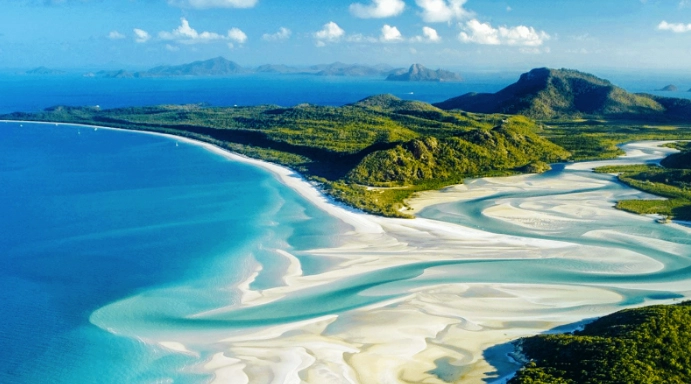
Then you hit Queensland. The beaches in Australia here shift from surf to sublime calm. The Sunshine Coast (Noosa, Mooloolaba) and the Whitsundays (Whitehaven Beach) offer that turquoise water and powder-white sand you see in dreams. Whitehaven's silica sand doesn't get hot, which is a genius trick by nature. But remember, accessing these pristine spots often requires a boat or ferry trip.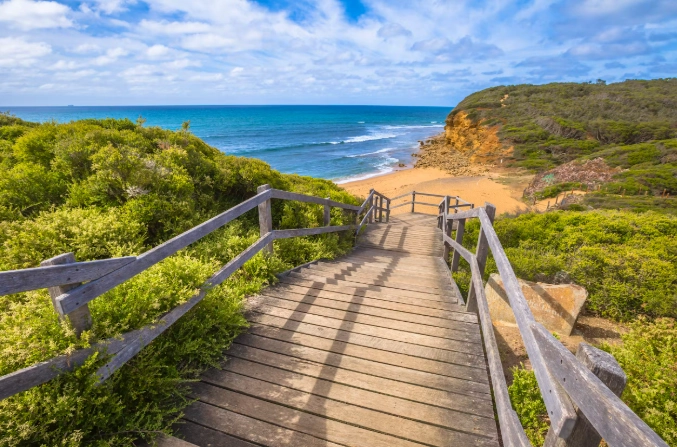
The West Coast: Raw and Remote Power
Flying to Perth and hitting Cottesloe Beach is a rite of passage. The Indian Ocean has a different mood – wilder, more powerful, and often a stunning shade of deep blue. The sunsets here are unbeatable, literally sinking into the water.
But Western Australia's real magic lies in getting out of the city. Down south around Margaret River, you find world-class surf breaks like Surfers Point (Margaret River Pro location) right next to world-class wineries. It's a fantastic combo. Up north, the coastline becomes increasingly remote and dramatic. The entire Coral Coast from Cervantes to Exmouth is another level.
Turquoise Bay near Exmouth is my personal favourite for snorkelling. You literally float over the reef with the current, barely needing to kick. It's effortless magic. But the drive is long, the sun is fierce, and facilities are basic. You trade convenience for an experience that feels untouched.
The South Coast & Tasmania: Hidden Gems and Rugged Beauty
Often overlooked, the southern coastlines offer a cooler, quieter charm. South Australia's Fleurieu Peninsula has vineyards that roll down to beaches like Maslin Beach (famously clothing-optional). Victoria's Great Ocean Road is more about the clifftop views, but beaches like Bells Beach (surfing shrine) and Apollo Bay are worth the stop.
Tasmania is a wild card. The water is cold. Like, take-your-breath-away cold. But the beaches are empty and dramatic. Wineglass Bay in Freycinet National Park is a hike to access, but the crescent of white sand against pink granite mountains is a view you earn. It's not for a swim (unless you're a polar bear), but for sheer, stark beauty, it's hard to beat.
So, which region is for you? Maybe this quick comparison helps.
| Region | Vibe | Best For | Water Temp | Crowd Level |
|---|---|---|---|---|
| East Coast (NSW/QLD) | Vibrant, accessible, iconic | Surfing, families, first-timers, nightlife | Warm to very warm | High (near cities) |
| West Coast (WA) | Raw, powerful, remote | Adventure, snorkelling, solitude, epic landscapes | Cool to warm (varies) | Low to medium |
| South Coast & TAS | Chilly, rugged, scenic | Hiking, photography, wildlife, road trips | Cold to cool | Low |
Picking Your Perfect Beach: Beyond the Pretty Pictures
Okay, so you've chosen a region. Now, how do you pick the actual strip of sand? It's not one-size-fits-all. A beach perfect for a surfer is a nightmare for a toddler. Here’s how to match the beach to your mission.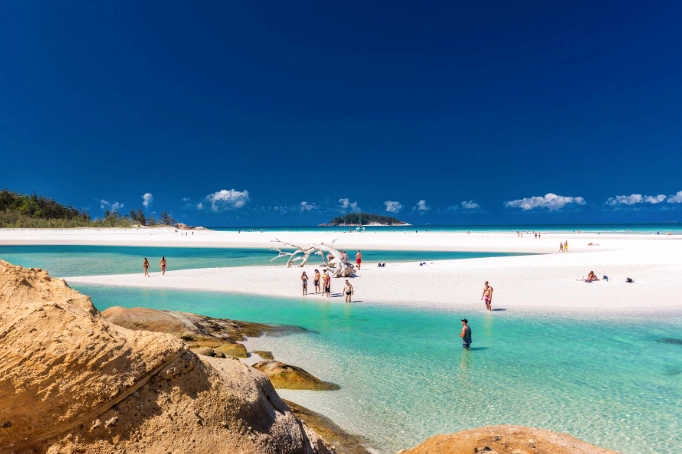
For Families with Young Kids
Your checklist is simple: calm water, shallow slope, sand (not rocks), and amenities close by (toilets, cafes, shade).
- Shelly Beach, Sydney (NSW): A sheltered, north-facing cove next to Manly. The water is calm, it's a marine reserve so there's fish to see while snorkelling, and there's a great path for prams. It feels a world away from the Sydney bustle.
- Mooloolaba Beach, Sunshine Coast (QLD): The name says "mooloo" (meaning snapper) but it should mean "easy." A long, patrolled beach with a gentle slope, a fantastic esplanade with playgrounds and ice cream, and the Spit at the northern end for even calmer waters.
- City Beach, Perth (WA): Purpose-built for families. Great playgrounds, excellent cafes right on the grass, clean amenities, and solid surf lifesaving patrols. It's Perth's go-to for a stress-free day.
What you're avoiding: big surf, strong rips, long walks from the car, and no shade.
For the Surfers (or Learners)
Australia's surfing pedigree is legendary. But not all breaks are for beginners.
- Byron Bay (NSW): The Pass is a long, forgiving right-hand point break perfect for longboarders and learners. The Wreck can be good for more intermediate surfers. The town's vibe is all about the surf culture.
- Bells Beach, Victoria: Sacred ground. Powerful, heavy, and for experienced surfers only. The Rip Curl Pro is held here. It's more of a pilgrimage to watch than a place for your first lesson.
- Noosa Heads, Sunshine Coast (QLD): Several point breaks (First Point, National Park) that work beautifully on smaller swells. Often crowded, but the waves are usually clean and manageable. Great for progressing from a beginner to intermediate level.
For the Snorkellers and Dive Bunnies
You want clear water, marine life, and easy access. The Great Barrier Reef is the obvious star, but you don't always need a multi-day boat trip.
- The Great Barrier Reef (QLD): It's vast. For a day trip, the reefs off Cairns (like Green Island) are accessible but can be crowded. For a more pristine experience, the reefs from Port Douglas or the Whitsunday embarkation points are better. Always check the Great Barrier Reef Marine Park Authority for latest conditions and responsible tourism operators.
- Ningaloo Reef, Western Australia: The reef meets the shore here. You can literally walk in from beaches like Turquoise Bay or Oyster Stacks (check tides!) and be surrounded by coral and fish. It's arguably more accessible than the Barrier Reef for DIY snorkelling. Swimming with whale sharks here (seasonal) is a top-tier life experience.
- Shelly Beach, Sydney: As mentioned, a fantastic, easy shore dive/snorkel in a city. You'll see wobbegongs, blue gropers, and loads of tropical fish carried down by the East Australian Current.
The Nitty-Gritty: What Nobody Tells You About Visiting Australia Beaches
This is the stuff that makes or breaks your day. The practical, sometimes annoying, but essential knowledge.
Beach Safety: It's Not a Joke
Australian beaches are beautiful but can be dangerous. Rip currents are the main killer. They don't drag you under; they pull you out to sea.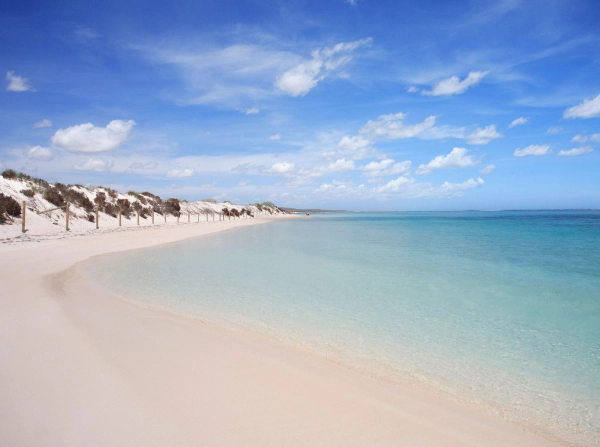
- Swim Between the Red and Yellow Flags: This isn't a suggestion; it's rule number one. These areas are patrolled by volunteer surf lifesavers. They've assessed the conditions for the day. Surf Life Saving Australia is the authority – their website and beachsafe app are gold.
- How to Spot a Rip: Look for a calm patch between breaking waves, water that's a different colour, or a channel of churning, sandy water heading out. If in doubt, don't go out.
- If You're Caught in a Rip: Don't panic. Don't swim against it. Stay afloat, raise an arm for help, and swim parallel to the beach until you're out of the current, then swim in.
Also, the sun. It's brutal. SPF 50+, a hat, and a rash vest are non-negotiable, even on cloudy days.
Getting Around & Logistics
Public transport to beaches in major cities like Sydney and Melbourne is good. But to explore properly, you'll want a car. That means dealing with parking.
Popular spots fill up by 9 am on a summer weekend. You'll see cars circling like sharks. Research park-and-walk options or smaller, adjacent beaches. In remote areas like WA, a 4WD might be necessary to access some of the best spots, and you must be totally self-sufficient with water, fuel, and supplies.
Costs Can Add Up
A day at a city beach can be cheap (packed lunch, public transport). But parking, hiring an umbrella and chairs, buying lunch at a beachfront cafe – it quickly becomes a $100+ day for a family. Remote beach trips mean high fuel costs and often expensive accommodation nearby.
Your Australia Beach Trip Planner: A Quick Checklist
- Define Your "Why": Relaxation? Surf? Snorkel? Instagram photos? This dictates everything.
- Pick Your Coast: East for ease and buzz, West for adventure and space, South for scenery and cool climate.
- Research Specific Beaches: Don't just go to the most famous one. Find the one that matches your activity (see sections above).
- Check Seasonal Conditions: Northern Australia (QLD, NT, northern WA) has a wet season (Nov-Apr) with stinger jellyfish (irukandji, box jellyfish). Stinger nets are deployed at many popular beaches, but always heed warnings. Southern states are best in summer (Dec-Feb), but that's also peak crowd time.
- Book Smart: Accommodation near premium Australia beaches books out months in advance for summer and school holidays.
- Pack Like a Pro: Sun protection (reef-safe sunscreen is encouraged), plenty of water, a cooler bag, a first-aid kit, a waterproof phone case, and cash (some remote kiosks don't take card).
Answering Your Burning Questions (The FAQ Section)
The Final Word
Exploring the beaches of Australia is more than a holiday activity; it's a way to understand the country's soul. It's about the vast, empty horizons of the west, the vibrant, social energy of the east, and the quiet, rugged corners down south.
The key is to manage your expectations. Not every day will be a perfect, glassy, sunny masterpiece. Some days will be windy, some beaches will be crowded, and you might get sunburnt despite your best efforts. But when you find that spot that feels like it was made just for you – whether it's watching experts carve up a point break, floating over a coral garden, or building a sandcastle with your kids on a safe, gentle shore – you'll get it.
Do your homework, respect the power of the ocean, and don't try to see it all. Pick a stretch of coast and explore it deeply. That's where the real magic of the Australian coastline lies.
Now, go find your patch of sand.