Skip to What Matters
Let's cut to the chase. Indonesian cuisine isn't just about satay or fried rice—it's a wild ride of flavors that'll make your taste buds dance. I remember my first time in Bali, I ordered nasi goreng from a street cart and thought I'd figured it all out. Then I tried rendang in a tiny Padang joint, and it blew my mind. That's what this guide is for: to get you past the tourist traps and into the heart of Indonesian dishes.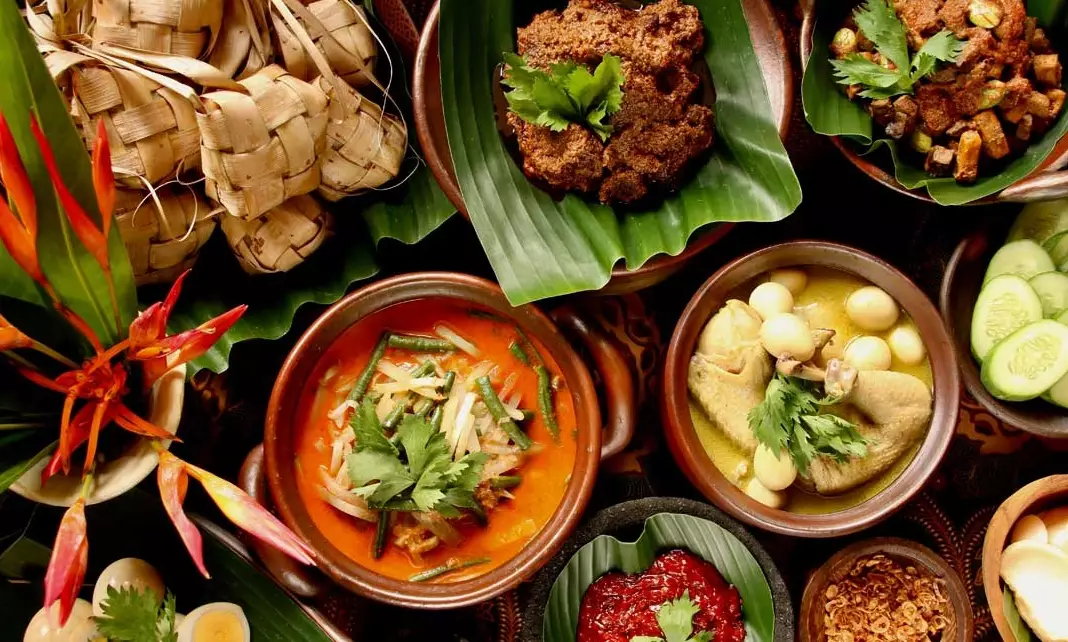
Why Indonesian Food Tastes Like This
Indonesian food is a mash-up of centuries of trade, colonialism, and local ingenuity. Think spices from the Moluccas, techniques from Chinese immigrants, and Dutch influences. But here's the thing everyone misses: it's not just about heat. The balance of sweet (from palm sugar), sour (tamarind), salty (soy sauce), and umami (fermented pastes) is what sets it apart. I once had a sambal in Jakarta that was so complex, it took me five bites to pinpoint all the flavors. That's typical.
Regions play a huge role. Java leans sweet, Sumatra is bold and spicy, while Bali incorporates pork due to Hindu traditions. If you're eating Indonesian dishes without considering origin, you're missing half the story.
Dishes You Can't Miss (With Where to Eat)
Forget generic lists. Here are the Indonesian dishes that actually matter, based on my trips and chats with locals.
Pro tip: Always ask for sambal on the side—it lets you control the spice. Most places assume you want it mixed in.
Rendang: The King of Slow Cooking
This West Sumatran beef stew simmers for hours in coconut milk and spices until it's dark, tender, and almost dry. A good rendang shouldn't be swimming in oil. Try it at Rumah Makan Padang Sederhana in Jakarta (Jl. Cikini Raya No. 33, open 10 AM-10 PM, budget $5-10). Their version is consistently rich, and the meat falls apart. I've had bad rendang at fancy hotels—it's often too sweet or tough.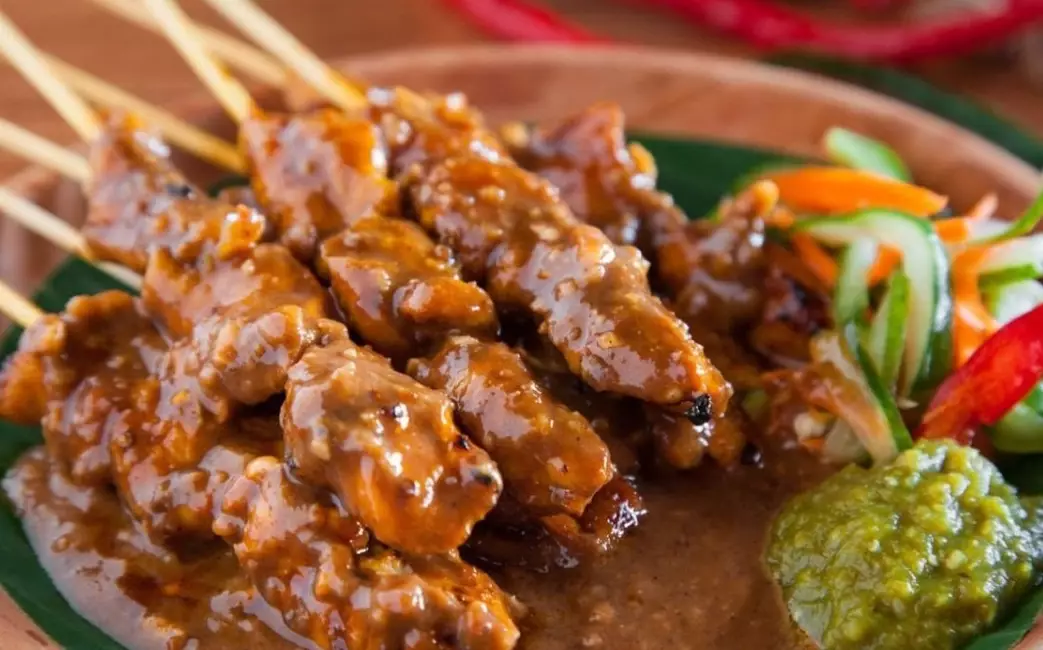
Soto Ayam: Comfort in a Bowl
A turmeric-based chicken soup that's lighter but packed with flavor. Head to Soto Kadipiro in Yogyakarta (Jl. Laksda Adisucipto, open 7 AM-2 PM, $2-4). It's fragrant without being overwhelming. Don't skip the boiled egg and rice cakes on the side.
Nasi Campur: The Ultimate Mix
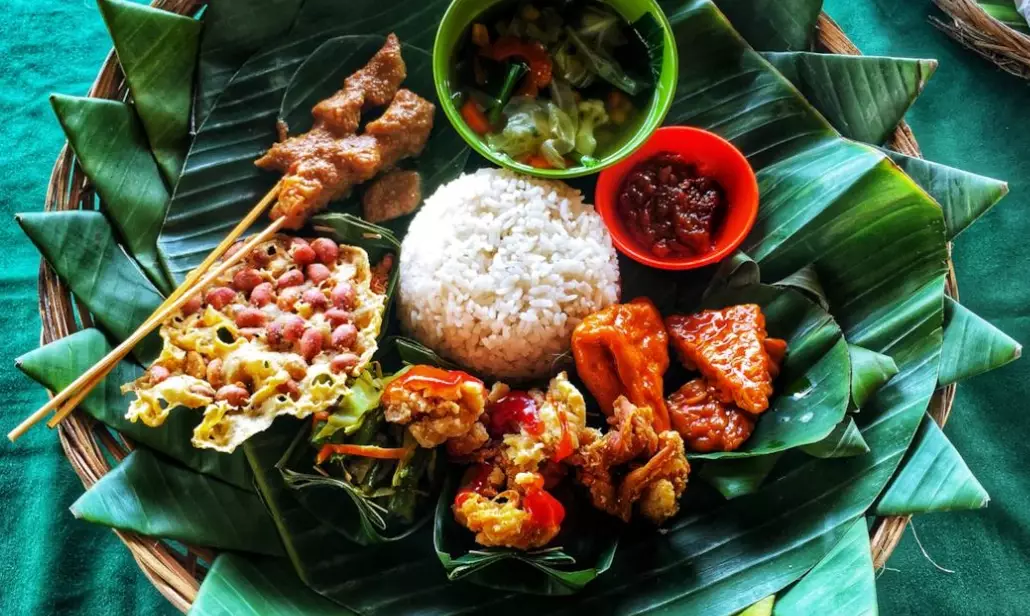
Literally "mixed rice," this lets you sample small portions of various dishes. In Bali, Warung Nasi Campur Men Weti (Sanur Beach, open 8 AM-4 PM, $3-5) is legendary. You get rice with bits of grilled fish, veggies, and sambal. It's messy, delicious, and perfect for beginners.
Here's a quick table to sum up the top picks:
| Dish | Region | Best Place to Try | Price Range |
|---|---|---|---|
| Rendang | West Sumatra | Rumah Makan Padang Sederhana, Jakarta | $5-10 |
| Soto Ayam | Java | Soto Kadipiro, Yogyakarta | $2-4 |
| Nasi Campur | Bali | Warung Nasi Campur Men Weti, Sanur | $3-5 |
| Gado-Gado | Nationwide | Warung Gado-Gado Bonbin, Bandung | $2-3 |
Finding Authentic Spots: A Curated List
You don't need to wander aimlessly. These spots deliver real Indonesian dishes without the fuss.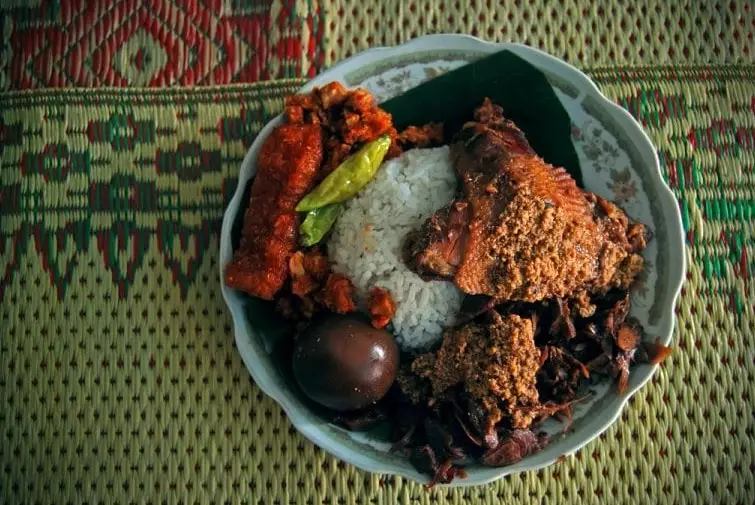
Jakarta: For a deep dive, hit Pasar Santa (Jl. Cilandak KKO, open 24/7 for some stalls). It's a food market with everything from spicy noodles to grilled seafood. Prices vary, but you can eat well for under $10. I found a stall there selling bakso (meatball soup) that's better than any restaurant version.
Bali: Avoid the Kuta tourist traps. Warung Babi Guling Pak Dobiel (Jl. Raya Tegallalang, open 8 AM-4 PM, $3-5) serves suckling pig that's crispy and flavorful. Go early—it sells out by afternoon.
Yogyakarta: Leshan Prawirotaman (Jl. Prawirotaman, open 11 AM-10 PM, $$) offers a modern twist on classics. Their ayam goreng (fried chicken) is juicy, though a bit pricey for locals.
Street food is king, but hygiene matters. Look for places with a crowd—it means fresh food. I once skipped a quiet stall and ended up with stale tempeh. Lesson learned.
Bringing Indonesia to Your Kitchen
Want to cook Indonesian dishes at home? Start with basics like kecap manis (sweet soy sauce) and terasi (shrimp paste). You can find these in Asian stores or online.
A simple nasi goreng recipe: Use day-old rice, fry it with garlic, shallots, and a dash of kecap manis. Add chicken or shrimp if you like. The key is high heat—don't let it steam. I messed this up for years until a vendor in Surabaya showed me to keep the wok screaming hot.
Common pitfall: Overusing spices. Indonesian food is about balance, not overwhelm. Start with small amounts of chili and adjust.
What Most Guides Won't Tell You
Here's the raw truth from my experience.
First, not all Indonesian dishes are spicy. Things like martabak (stuffed pancake) or bubur ayam (chicken porridge) are mild. But tourists often assume everything's hot and miss out.
Second, portion sizes can be huge. In Padang restaurants, they'll bring multiple plates to your table—you only pay for what you eat. Don't feel pressured to finish it all. I've seen people waste food because they didn't know this.
Third, drinks matter. Es teh manis (sweet iced tea) is the perfect companion to cut through spice. Avoid pairing heavy dishes with soda—it'll bloat you.
Lastly, service can be slow in local warungs. It's not rudeness; they're cooking fresh. Patience pays off with better flavor.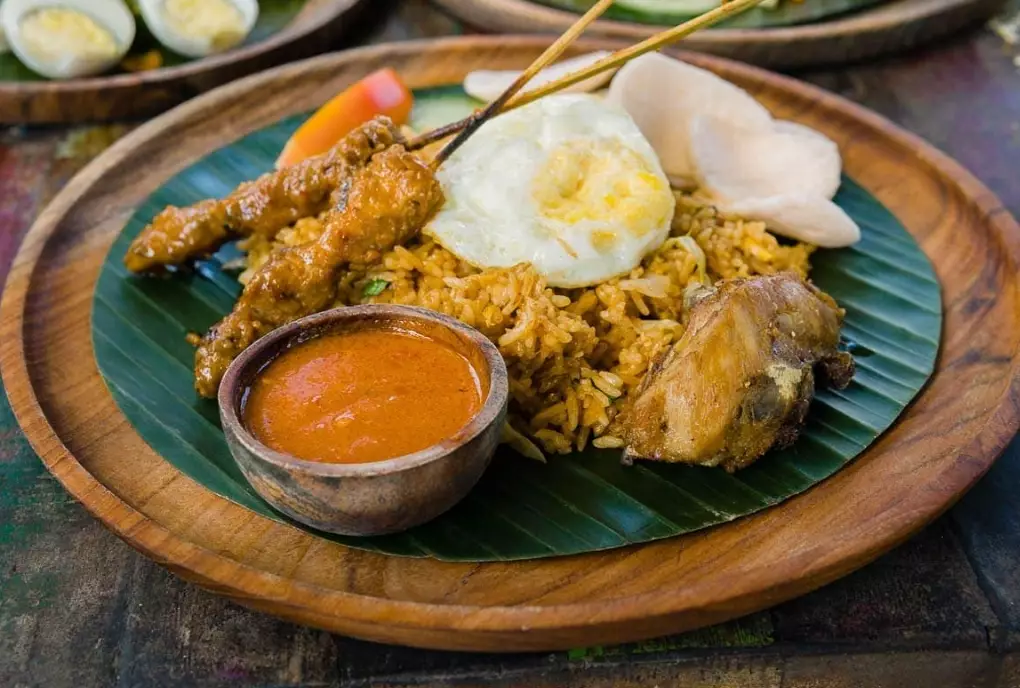
Your Questions, Answered
 Indonesian dishes are a journey, not a destination. Start with rendang, explore street markets, and don't be afraid to ask locals. They'll point you to hidden gems. I still dream about that sambal from Jakarta—maybe you'll find your own favorite.
Reader Comments