Let's be honest. When you search for things to do in Seoul, you get the same list: Gyeongbokgung Palace, N Seoul Tower, Myeongdong. They're great, but they're just the surface. After living here and guiding friends around for years, I've learned that Seoul's magic lives in the layers beneath the obvious. It's in the alleyway pocha (tent bar) where office workers unwind, the hidden tea house in a hanok, the specific way you're supposed to eat that street food. This guide is about building a Seoul itinerary that feels real, not just a checklist.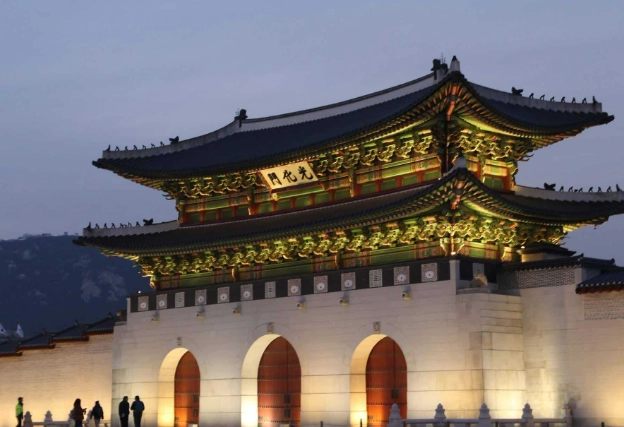
Your Seoul Adventure at a Glance
Cultural Cornerstones: Palaces & History
You can't ignore the palaces. But how you see them makes all the difference.
Gyeongbokgung Palace: Do It Right
Address: 161 Sajik-ro, Jongno-gu, Seoul. Nearest Subway: Gyeongbokgung Station (Line 3), Exit 5.
Hours: 9:00 AM - 6:00 PM (Closed Tuesdays). Admission: 3,000 KRW (about $2.50).
The main gate changing ceremony is at 10:00 AM and 2:00 PM. Get there 15 minutes early for a good view.
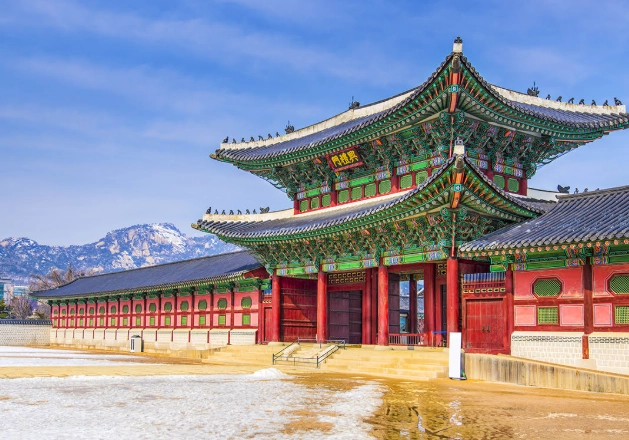
Most people walk the central axis, snap a photo at the throne hall, and leave. Big mistake. The real beauty is in the rear gardens and the National Palace Museum of Korea (free, on the left as you enter) which gives crucial context. Even better, book the Huwon (Secret Garden) tour at Changdeokgung Palace (you must book online in advance via the Cultural Heritage Administration website). It's a guided, timed entry that feels worlds away from the crowds.
Bukchon Hanok Village: A Living Neighborhood
This isn't a museum. It's a residential area with traditional Korean houses (hanok) perched on a hill between Gyeongbokgung and Changdeokgung. The key is respect. People live here. Walk quietly, stay on the main alleys, and don't peer into windows. The best photo spots are on the high alleys looking over the tiled roofs with the modern city skyline in the distance. For a deeper dive, book a traditional tea ceremony or a craft workshop in one of the cultural centers.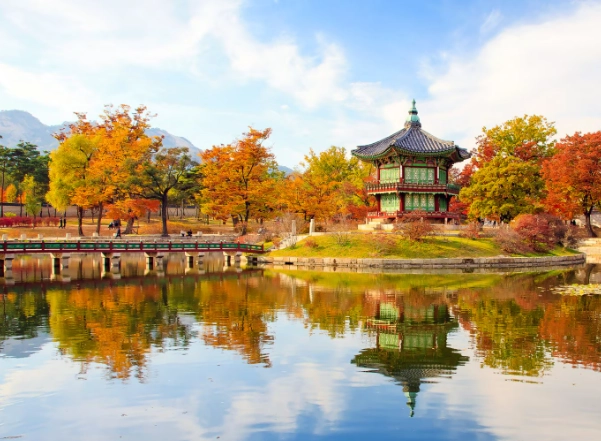
The Essential Foodie Journey
Eating is a primary activity in Seoul. You don't just have meals, you embark on food adventures.
Street Food Markets: Gwangjang vs. Myeongdong
Myeongdong Street Food is for tourists. It's flashy, expensive (a tornado potato can be 7,000 KRW!), and has long lines. It's fun for the spectacle once.
Gwangjang Market is the real deal. This is where locals have been eating for over a century. Go for:
- Bindaetteok: Savory mung bean pancakes, crispy on the outside. Look for a stall with a long line of older Koreans—that's the good one. Expect to pay 5,000-7,000 KRW.
- Mayak Gimbap: "Drug" kimbap (because it's addictive). Tiny, flavorful rice rolls for 3,000 KRW a portion.
- Soondae: Blood sausage. Be adventurous.
Sit at the communal counters, order a bottle of makgeolli (rice wine), and soak it in.
The Non-Negotiable Dining Experience: Korean BBQ
Skip the fancy hotel restaurants. Find a local spot with metal hoods over the tables and a slightly smoky atmosphere. In Mapo-gu, the Mapo Sutbul Galbi area is legendary. You'll point at the meat you want (usually pork belly - samgyeopsal, or marinated beef ribs - galbi), they'll bring it raw with a mountain of side dishes (banchan), and you grill it yourself. The ritual of wrapping the meat in lettuce with garlic, ssamjang, and a bit of kimchi is half the fun. Budget 20,000-35,000 KRW per person.
| Market/Area | Best For | Vibe | Price Level |
|---|---|---|---|
| Gwangjang Market | Authentic street food, bindaetteok, local experience | Loud, bustling, historic | Low |
| Myeongdong Street Stalls | Spectacle, trendy snacks, people-watching | Touristy, crowded, flashy | Medium-High |
| Insadong | Traditional tea houses, lunch sets after palace touring | Cultural, artsy, calm | Medium |
| Hongdae | Late-night eats, budget-friendly student spots, fried chicken | Youthful, energetic, creative | Low-Medium |
Catching the Modern Pulse
Gangnam: More Than Just a Song
Yes, see the Gangnam Style Statue at COEX if you must. But then explore. Starfield COEX Mall houses the stunning Starfield Library—a massive public atrium with giant bookshelves. It's free and perfect for a photo break. For a curated, upscale shopping and dining experience, wander through Garosu-gil, a tree-lined street filled with designer boutiques and chic cafes. It's a window into Seoul's affluent, stylish side.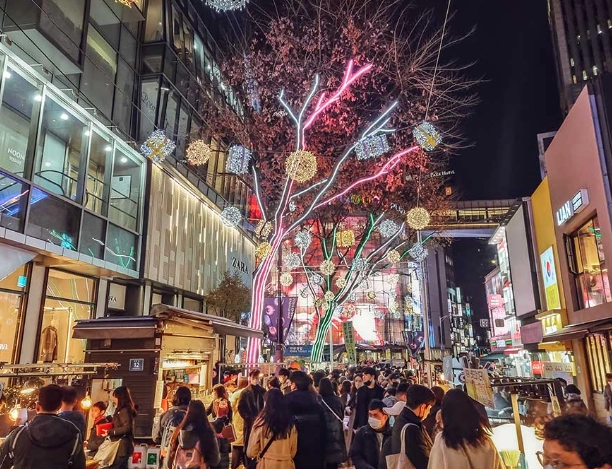
Hallyu & Hongdae: The Youth Culture Engine
If you're into K-pop, SMTOWN COEX at COEX is a pilgrimage site with a museum, merch, and hologram concerts. In Hongdae, the energy is raw and creative. By day, check out indie design shops and quirky cafes (like the Thanks Nature Cafe with sheep!). By night, the streets fill with busking performers—some incredibly talented future idols. Hongdae's clubs are legendary, but know the door policies can be selective.
My personal favorite modern escape? Haneul Park (Sky Park) on the World Cup Park grounds. It's a massive park on a reclaimed landfill hill. You can take a shuttle or walk up the 291 stairs (it's a workout). The reward? Sweeping, unobstructed views of the Han River and Seoul's skyline, and in October, vast fields of pink muhly grass. It feels a million miles from the city bustle.
How to Plan Your Seoul Itinerary
Geography is your biggest planning factor. Group activities by district to avoid wasting hours on the subway.
A Sample 3-Day Core Itinerary:
- Day 1 (North of the River - Jongno): Gyeongbokgung Palace (AM, see ceremony) -> National Folk Museum -> Lunch in Insadong -> Bukchon Hanok Village -> Evening street food at Gwangjang Market.
- Day 2 (Central/Modern): Namsan Seoul Tower (go early or for sunset) -> Myeongdong (shopping/lunch) -> Changdeokgung & Secret Garden (booked in advance) -> Dinner and nightlife in Hongdae.
- Day 3 (South of the River - Gangnam): Bongeunsa Temple (a serene Buddhist temple next to skyscrapers) -> Starfield COEX Mall & Library -> Garosu-gil -> Dinner in upscale Apgujeong or a final Korean BBQ feast in Mapo on your way back.
Seoul FAQs: The Nitty-Gritty
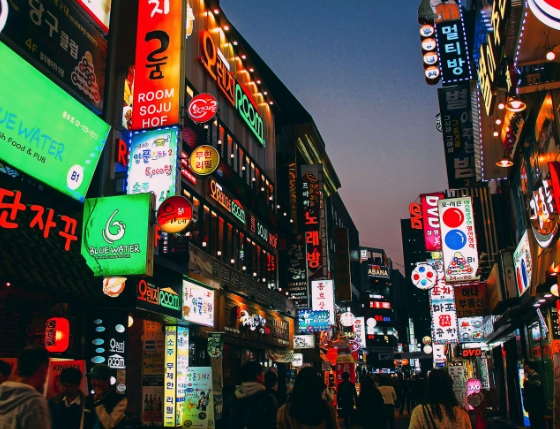
Seoul doesn't reveal itself all at once. It asks you to wander, to try the strange-looking food, to get a little lost in a side alley. Use this guide as a framework, but leave room for your own discoveries. That pocha you stumble upon, the quiet temple garden, the conversation with a local shopkeeper—those often become the things you remember most.