Let's get one thing straight. If you think Jordanian food is just a variation of what you've had at your local Lebanese or Syrian restaurant, you're in for a surprise. The food here has its own soul, shaped by Bedouin traditions, Levantine influences, and a landscape that ranges from desert to fertile highlands. It's hearty, communal, and often tells a story. I remember my first real Mansaf experience not in a fancy restaurant, but at a family home in Salt. The sheer scale of the platter, the specific way the lamb melted into the tangy jameed sauce, and the act of eating together with my hands—it wasn't just a meal, it was an introduction to Jordanian hospitality.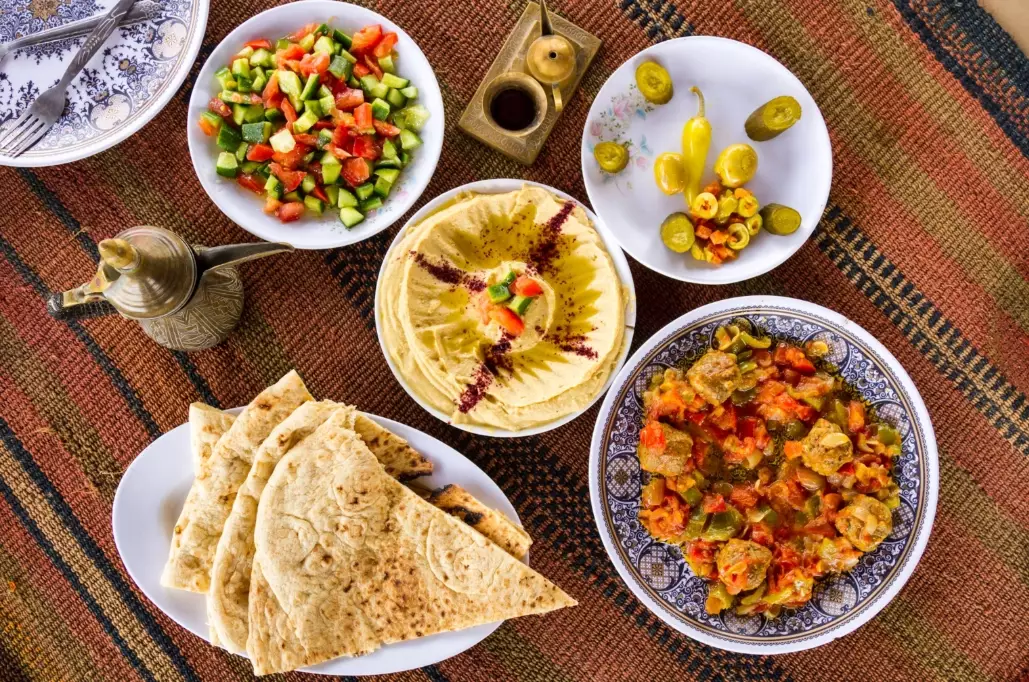
Your Jordan Food Journey at a Glance
The Heart of the Table: Iconic Jordanian Dishes
Forget the checklist approach. Understanding a few core dishes will unlock the entire cuisine.
| Dish | What It Is | Where to Try It Best | My Take |
|---|---|---|---|
| Mansaf | The national dish. Lamb cooked in dried yogurt (jameed) sauce, served over rice with nuts. | Family gatherings, Friday lunches at local restaurants like Al-Quds (Downtown Amman). | Don't be intimidated. The jameed flavor is unique—tangy, salty, and rich. Using your right hand to roll the rice into a ball is part of the fun. Skip it if you're dining alone; it's a shared experience. |
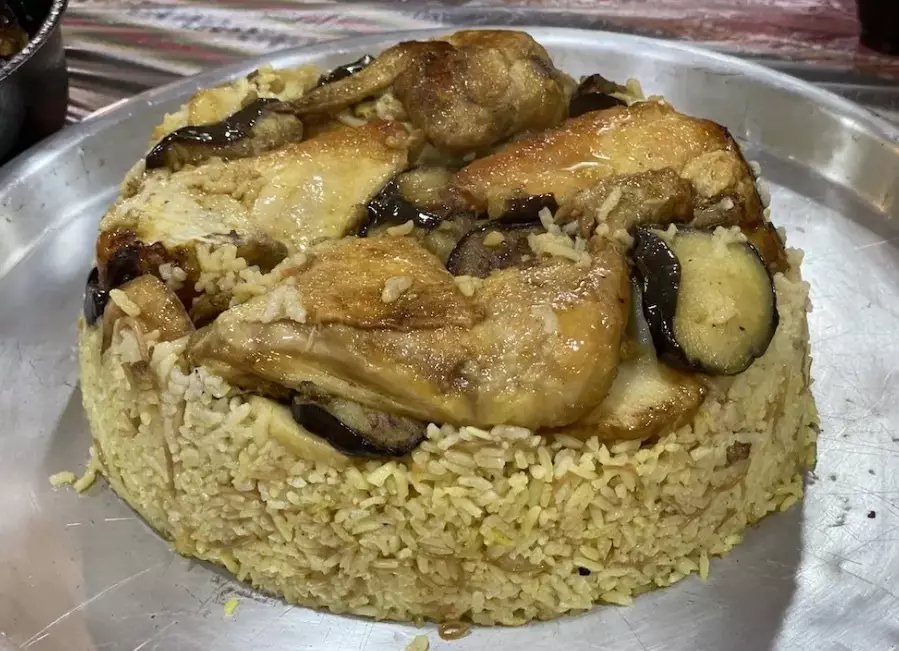
| Maqluba | "Upside-down" casserole of rice, vegetables (eggplant, cauliflower), and chicken or lamb, flipped tableside. | Home-cooked style at places like Reem in Amman. A common family Sunday meal. | The theatrical flip is key. The bottom layer, where the vegetables caramelize against the pot, is the best part. Often heavier on spices like turmeric than Mansaf. |
| Zarb | Bedouin barbecue. Meat and vegetables slow-cooked in an underground sand pit. | Wadi Rum desert camps. This isn't a city restaurant dish. | The smoky, tender result is incredible. This is less about sauce and more about the pure, fire-cooked flavor of the meat. A must-do if you're overnighting in the desert. |
| Mezze Spread | An array of small plates: Hummus, Mutabbal, Warak Enab, Falafel, etc. | Any restaurant, but quality varies wildly. Sufra or Fakhreldin in Amman do an exceptional version. | This is where you taste skill. Good hummus is creamy, not grainy. Real mutabbal should have a deep, smoky eggplant flavor. Don't fill up on bread before the mains arrive. |
| Kunafa | Sweet cheese pastry soaked in syrup, topped with shredded phyllo, baked until crisp. | Specialty sweet shops like Habibah (multiple branches) or Zalatimo Sweets in Madaba. | Order it "na'ameh" (soft) or "khishneh" (crunchy). I prefer khishneh for the texture contrast with the gooey cheese. Best eaten fresh and warm, standing at the counter. |
A common misconception? That Mansaf and Maqluba are similar. They're not. Mansaf is about the distinct jameed sauce and is a ceremonial dish. Maqluba is a spiced, layered casserole, more of a comforting family staple. Knowing the difference helps you appreciate the context.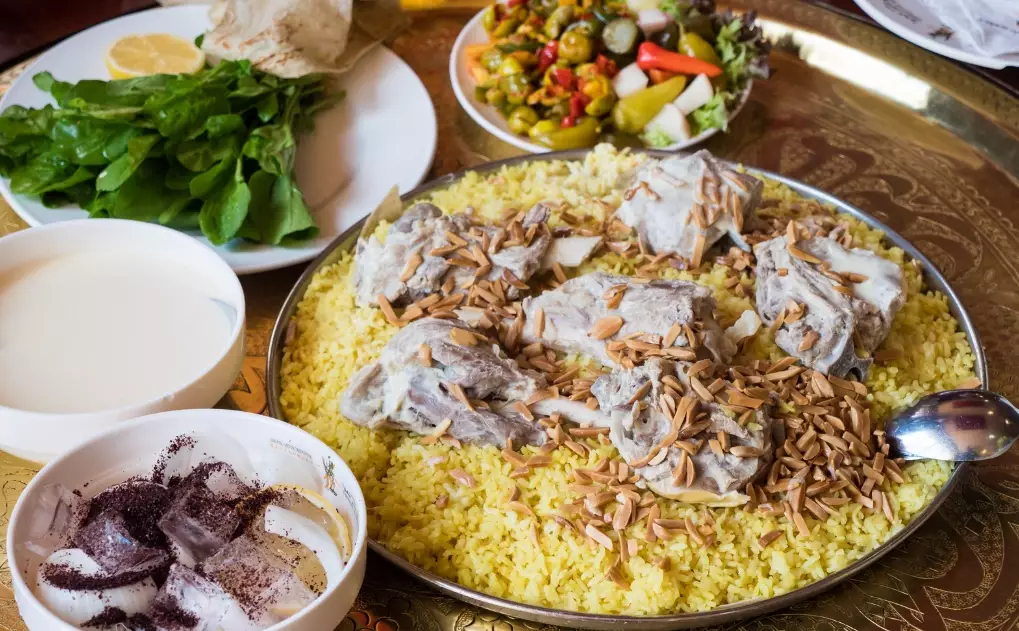
How to Eat Like a Local: Etiquette & Tips
Getting the food is one thing. Navigating the meal is another.
Portions are generous, meant for sharing. The Western habit of ordering one main per person leads to waste and a surprisingly large bill. For two people, start with 3-4 mezze and one main to share. See how you go. Servers will often guide you if you ask.
Left Hand Rule: This is important. The left hand is considered unclean. Eat only with your right hand, especially when sharing from a common platter like Mansaf. Use bread to scoop dips, not forks (though forks are provided everywhere now).
Hospitality is relentless. Your plate will be constantly refilled. Saying "I'm full" ("ana shabi'at") often doesn't work. A better tactic is to leave a little food on your plate, signaling you truly can't eat more.
Tea and coffee are social glue. If offered in a shop or home, accept it. A polite refusal can offend. You don't have to finish it, but take a few sips. Black tea with fresh mint or sage is standard. Arabic coffee, spiced with cardamom, is stronger and served in small cups—a shake of the cup means you're done.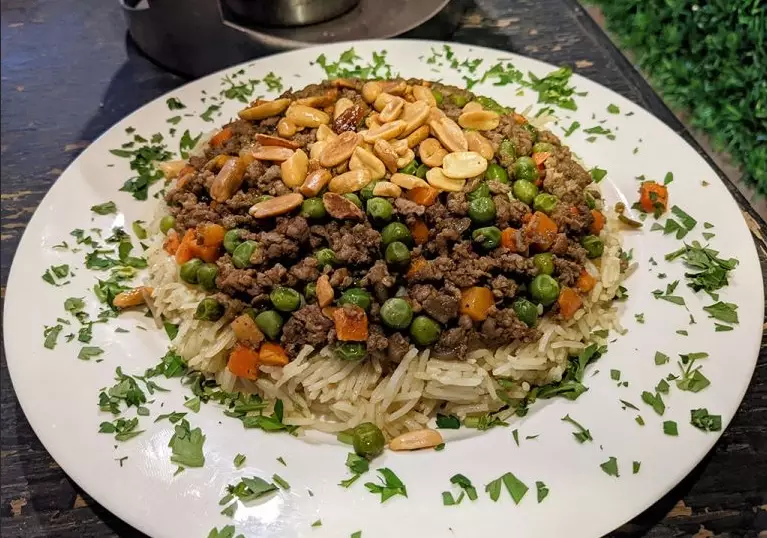
Navigating Menus & Street Food
Street food is your friend and wallet's best ally.
- Falafel: Look for places that fry them fresh. A good falafel is green inside (from herbs), crispy outside, and never greasy. Hashem in downtown is the gold standard.
- Shawarma: Jordanian shawarma is usually chicken ("shwarma dajaj"), marinated in spices and cooked on a vertical spit. It's served in bread with pickles, tomatoes, and often a garlic sauce (toum) or tahini. Avoid places where the meat looks dry.
- Mana'eesh: Flatbread topped with za'atar (thyme, sumac, sesame mix) or cheese. The perfect breakfast or snack. Grab one from any local bakery.
Where to Eat in Amman: From Street Stalls to Fine Dining
Amman is a layered city, and its food scene reflects that. Here’s a breakdown based on experience, not just price.
| Name & Area | Vibe & Specialty | Price Range & Hours | Why It's Worth It |
|---|---|---|---|
| Hashem Restaurant Downtown (Al-Balad) |
No-frills, chaotic, iconic. Plastic tables in an alley. Famous for falafel, hummus, foul, and mint tea. | JD 2-5 per person. Open 24/7. | It's an institution. You're paying for history and authenticity, not ambiance. The food is simple, fresh, and incredibly cheap. Don't expect menu—they'll know what you want. |
| Sufra Restaurant Rainbow Street, Jabal Amman |
Beautiful traditional house with a garden terrace. Excellent, refined versions of all classic dishes. | JD 15-25 per person. Opens 12 PM daily. | This is where you take someone for a perfect mezze spread. The setting is gorgeous, service is professional, and the food is consistently top-tier. Their "Fattet Hummus" is a must. |
| Al-Quds Restaurant Downtown (Al-Balad) |
Local favorite for traditional mains like Mansaf and Maqluba. Bustling, authentic, no tourists. | JD 8-12 per person. Daily for lunch & dinner. | If you want a proper Mansaf without a local invitation, this is the spot. Go for lunch, especially on Friday. It's loud, busy, and the real deal. |
| Shams El Balad Cafe Downtown (Al-Balad) |
Modern, airy cafe focusing on local, organic produce. Creative twists on traditional flavors. | JD 10-18 per person. 8 AM - 11 PM. | Perfect for breakfast or a lighter meal. Their labneh, sourced from local farms, is exceptional. Shows the evolving, contemporary side of Jordanian food culture. |
| Habibah Sweets Multiple locations (Downtown main) |
Famous, often crowded sweet shop. The go-to for Knafeh Nabulseyeh. | JD 1-3 per portion. Opens early, closes late. | The knafeh is iconic for a reason. Be prepared to queue. Eat it on the spot while it's hot and the cheese is perfectly stretchy. Don't bother with the pre-boxed versions. |
Beyond Amman: Culinary Stops on Your Jordan Trip
Your food journey shouldn't end in the capital.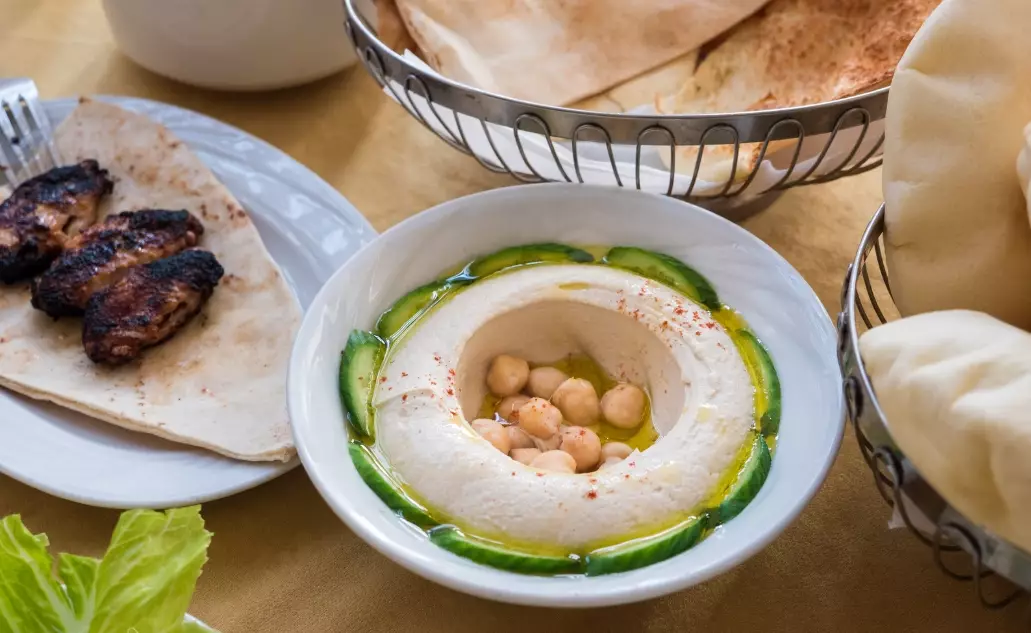
In Madaba, famous for its mosaics, head to Haret Jdoudna. It's a restored old house serving superb traditional food in a charming setting. Their meat grills and mezze are excellent. Try the local specialty, "Shraak" bread, made fresh on a domed griddle.
In Petra, dining options near the visitor center are mostly touristy. For better quality, go into Wadi Musa town. Al-Wadi Restaurant offers a good mix of local and international dishes in a pleasant Bedouin-style tent setting. My advice? Keep it simple here—grills and mezze are safer bets than complex stews.
Wadi Rum is all about the Zarb experience at your camp. Confirm with your camp operator that Zarb is included in your overnight stay. Sitting under the stars eating food cooked in the earth is unforgettable.
The Dead Sea resort hotels have extensive international buffets, but ask if they have a "Jordanian Night." It's often a buffet dedicated to local dishes and can be a great way to sample many things at once.
Your Burning Questions About Jordanian Food
 Where can I find the best authentic local food in Amman, not just tourist spots?
Jordan's food is a direct path to understanding its people. It's generous, flavorful, and steeped in tradition. Go beyond the familiar dips. Share a Mansaf, get your hands messy, accept that third cup of tea. That's where the real memories—and the best flavors—are made.
Reader Comments