My Food Journey Highlights
You see it on travel shows, maybe you've been to a hotel luau. A whole pig, some purple paste, flower leis everywhere. It looks amazing, but let's be honest, sometimes the taste at those tourist spots can be... underwhelming. A bit bland, a bit repetitive. I remember my first "Polynesian" buffet; it was mostly sweet and sour chicken next to a tray of what they called "kalua pig" but tasted like plain pulled pork. It left me wondering, is that really it?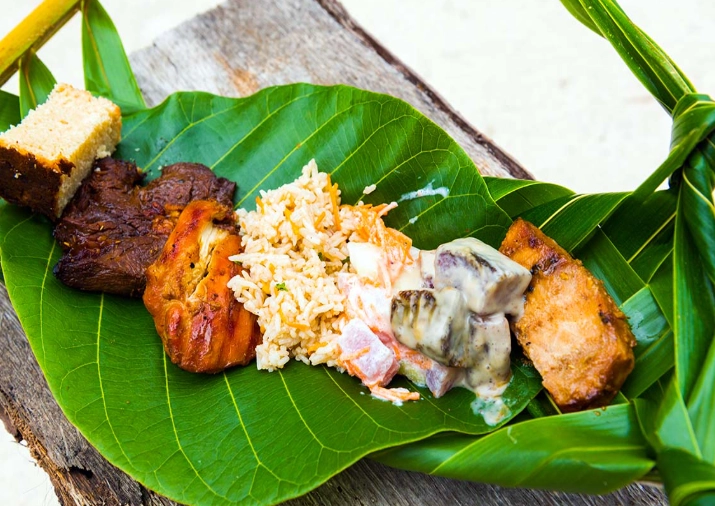
It's not. Not even close. Real Polynesian dishes are a story of the ocean, the earth, and fire. They're about survival, celebration, and a deep connection to the 'aina (land). The flavors are bold, subtle, earthy, and fresh all at once. This isn't just food; it's the heart of cultures spread across the world's largest ocean. So, if you're curious about what makes these foods tick beyond the spectacle, you're in the right place. We're going to dig into the real stuff—the flavors that define Polynesia, the must-try dishes you should seek out, and how this ancient cuisine is living in the modern world.
The Core Flavors and Ingredients of Polynesian Cuisine
Forget complex spice racks. The magic of traditional Polynesian food comes from a few powerful ingredients and transformative cooking methods. It's a lesson in making incredible food from limited resources.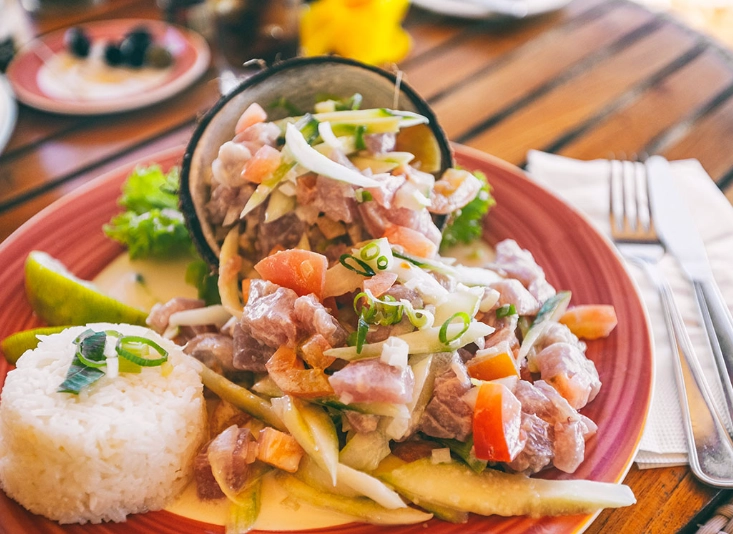
The Holy Trinity: Taro, Coconut, and the Underground Oven
If you understand these three, you understand the foundation.
Taro (Kalo in Hawaiian): This isn't just a vegetable; it's an ancestor. The starchy corm is steamed, baked, or pounded. But its most famous form is poi. Taro is cooked and pounded with water until it reaches a smooth, sticky paste. Fresh poi is slightly sweet. As it ferments over a few days, it turns sour. Locals debate the perfect consistency—one-finger (thick) or two-finger (thinner). To the first-time taster, the bland, paste-like texture can be a challenge. I wasn't a fan initially, but dipped in salty lomi lomi salmon or paired with rich kalua pig, it makes perfect sense. It's the earthy, neutralizing base that balances a fatty meal.
Coconut (Niu): Every part is used. Water for drinking, milk and cream for cooking, meat for eating and grating, shells for bowls. Coconut cream is the secret richness in countless Polynesian dishes, from Samoan palusami (more on that later) to creamy fish curries in Tahiti. It adds a luxurious, nutty fat that carries other flavors beautifully.
The Imu (Underground Oven): This is the original slow-cooker and the soul of a feast. A pit is dug, hot rocks are placed inside, the food (a whole pig, bunches of taro, breadfruit) is layered in with banana leaves and wet burlap for steam, and everything is buried for hours. The result? Meat so tender it falls apart, infused with a smoky, earthy flavor no conventional oven can replicate. This is the essence of kalua pig in Hawaii. The tourist version often uses liquid smoke and an oven. The real deal tastes of the earth.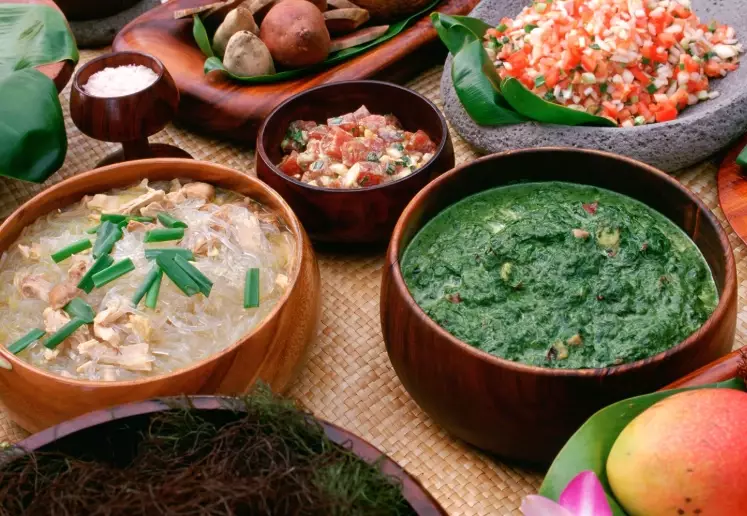
Other Key Players
- Breadfruit ('Ulu): A versatile starchy fruit that can be cooked like potato—roasted, fried, or boiled. When fermented, it becomes a sour paste similar to poi.
- Seafood, obviously: Tuna, mahi-mahi, octopus (he'e), shellfish. Eaten raw in salads, grilled, or wrapped in leaves and steamed.
- Ti Leaves: Not eaten, but used as natural, aromatic plates and food wrappers for steaming. They impart a unique, grassy fragrance.
- Fermentation & Salt-Curing: Before refrigeration, these were key. Fermented taro or breadfruit, salt-cured fish. These techniques create complex, tangy, umami flavors that define many traditional preparations.
You see, the ingredient list isn't long, but the techniques—pounding, fermenting, slow-cooking in earth—turn simple things into something profound.
Must-Try Polynesian Dishes (A Breakdown, Not Just a List)
Okay, let's get to the good stuff. Here are the classics you need to know. Think of this as your hit list for exploring Polynesian cuisine.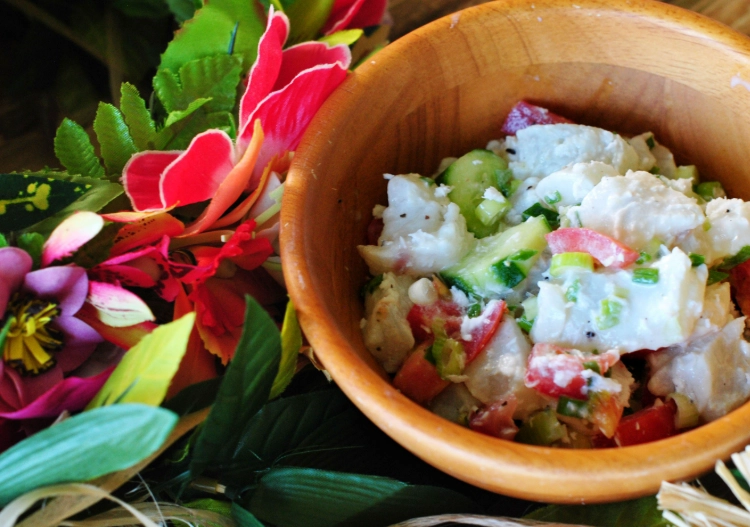
Poi (Hawaii)
We talked about it, but it deserves its own spot. It's the ultimate test of an open mind. Don't eat it plain. The way to appreciate poi is as a palate cleanser and a utensil. Use it to scoop up flavorful, salty meats and fish. Its mildness cuts through fat and salt perfectly. The University of Hawaii's College of Tropical Agriculture has done extensive research on taro varieties and their cultural significance, highlighting how central it is.
Kalua Pig (Hawaii)
The star of the luau. Real imu-cooked kalua pig is seasoned traditionally with just Hawaiian salt and the smoke from the wood used to heat the rocks. It's shredded, juicy, and has a flavor that's simply primal. It's often served with cabbage, which soaks up all the delicious juices.
Poke (Hawaii)
Yes, it's a global trend now, but its soul is in Hawaii. Pronounced "poh-kay," it means "to slice or cut." At its core, it's cubed fresh raw fish (usually ahi tuna) seasoned simply. The classic is poke shoyu—with soy sauce, green onions, and sesame oil. Forget the crazy versions with mango and avocado you see in trendy bowls. Start with the simple one. The quality of the fish is everything. The Hawaii Department of Land and Natural Resources manages the nearshore fisheries that provide the ahi for traditional poke.
Lomi Lomi Salmon (Hawaii)
A refreshing, tangy salad. It's salt-cured salmon massaged ('lomi lomi') with tomatoes, sweet Maui onions, and sometimes green onions. It's a burst of freshness alongside rich poi and kalua pig. The salt-curing technique is a direct link to the past, a way of preserving the catch.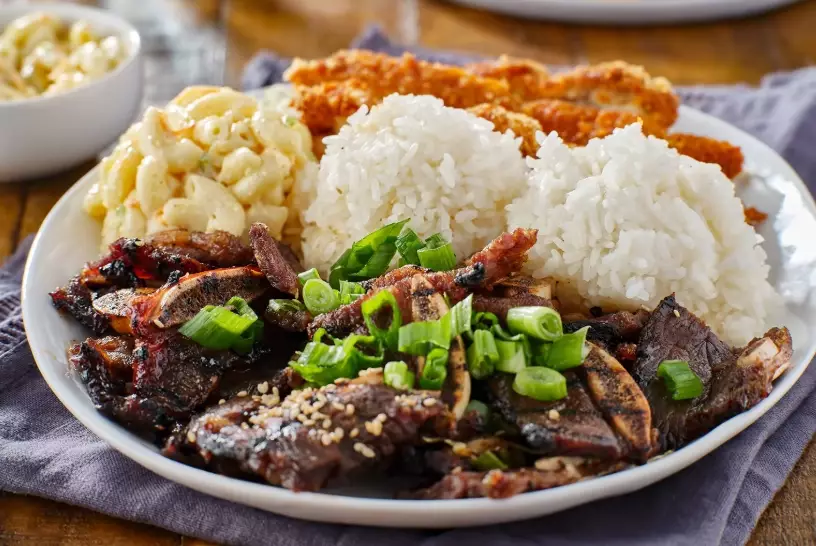
Palusami (Samoa)
This might be my personal favorite. It's young taro leaves (or sometimes spinach) bundled around a core of coconut cream and onions, wrapped in more leaves, and baked or steamed until the package sets. You open it up, and it's this creamy, savory, incredibly rich green pudding. The flavor is pure, lush coconut infused with the earthiness of the leaves. It's decadent in the best way.
Oka I'a (Samoa) / Poisson Cru (Tahiti)
The Polynesian answer to ceviche. Fresh raw fish (often tuna or snapper) is "cooked" in lime or lemon juice, then mixed with coconut milk, diced vegetables (cucumber, tomato, onion), and sometimes a bit of chili. The Tahitian version, Poisson Cru, is iconic. It's light, bright, and the coconut milk adds a luxurious creaminess that citrus-only ceviches lack. It perfectly captures the spirit of the islands—fresh from the ocean, simple, stunning.
'Umu Feast (Various Islands)
This isn't a single dish but the entire experience. In Samoa, it's called 'umu; in New Zealand, a hāngī. It's the full underground oven spread: pork, chicken, fish, taro, breadfruit, sweet potatoes, all cooked together. The food isn't just smoky; it's impossibly tender and moist, with all the juices mingling. Attending a true 'umu or hāngī is about community, not just eating.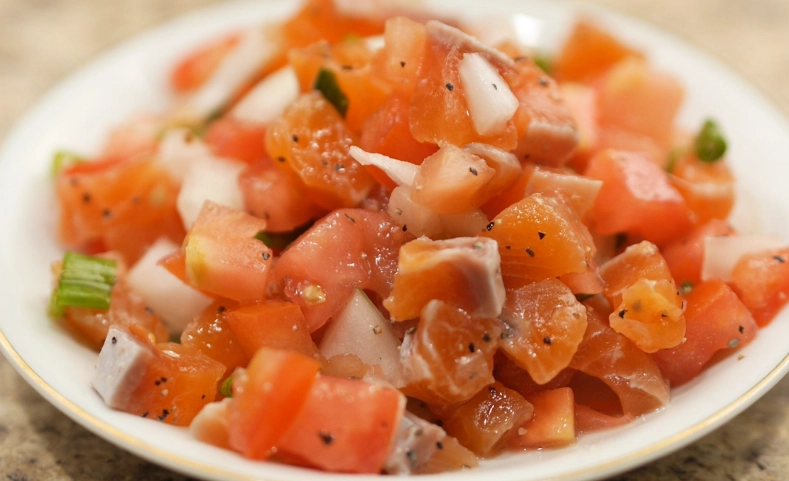
Fafaru (French Polynesia)
Now for the adventurous one—the polarizing dish. Fish (usually parrotfish) is marinated for a day or two in fermented seawater packed with crushed shrimp heads and guts. The result is... powerfully aromatic. Let's say it has a strong, cheesy, oceanic smell that many find challenging. I tried it in Raiatea. The taste was less intense than the smell, a funky, fermented punch. It's an acquired taste for sure, but it's a real, traditional food that shows the no-waste, fermentative side of the cuisine. Not for everyone, but a fascinating part of the culinary landscape.
Beyond Tradition: Modern Polynesian Food & Fusion
Culture isn't static, and neither is food. Polynesian chefs are doing incredible things, honoring tradition while playing with modern techniques and global influences. This is where it gets really exciting.
You get chefs in Honolulu making loco moco (a local comfort dish of rice, burger patty, egg, and gravy) with gourmet ingredients like foie gras. Or using taro to make gnocchi. In Auckland, chefs might serve a deconstructed hāngī, using sous-vide to replicate the tender texture and pairing it with modern vegetable purees.
The key in the best modern takes is respect. They use the traditional flavor profiles—the earthiness of taro, the creaminess of coconut, the smoke of the imu—as a starting point. It's innovation, not replacement.
Then there's the diaspora influence. In places like California or Utah with large Pacific Islander communities, you find bakeries selling panipopo (Samoan coconut buns)—soft rolls baked in a sweet coconut sauce. It's a beloved snack, a taste of home that's traveled and thrived.
Where to Find Authentic Polynesian Dishes
This is the practical part. You're hungry now, right?
- On the Islands: Go beyond the hotel. Hit the local markets (like the Swap Meet in Honolulu or the Maketi in Suva). Look for lunch wagons, family-run diners, and roadside stands. In Samoa, look for 'umu stands on the side of the road on Saturday mornings. In Tahiti, the roulottes (food trucks) are legendary. The Tahiti Tourism Board even has guides to the best ones.
- On the Mainland (US/NZ/AUS): Seek out communities. In cities like Honolulu (of course), Los Angeles, Salt Lake City, Seattle, and Auckland, look for restaurants in neighborhoods with a Pacific Islander presence. Search for "Samoan food," "Tongan restaurant," or "Hawaiian plate lunch" rather than just "Polynesian." A plate lunch—two scoops rice, mac salad, and a meat—is a cornerstone of local Hawaiian food culture.
- At Home: You can cook this! Start simple. Make a basic poke with sushi-grade ahi from a reputable fishmonger. Try making palusami with spinach and canned coconut cream (it won't be exactly the same, but it's delicious). The key is sourcing good ingredients. Look for real Hawaiian or Pacific sea salt, and try to find fresh or frozen taro leaves if you can.
Common Questions About Polynesian Food (FAQs)
Is Polynesian food healthy?
Historically, yes, very. It was based on fresh seafood, complex carbohydrates from taro and breadfruit, and plenty of fruits. The cooking methods were often steaming or baking. However, modern introductions like canned corned beef (super popular in Samoa as "pisupo"), processed sugars, and more frying have changed the health landscape in some communities. The traditional core diet, though, is a great model of whole foods.
What's the difference between Hawaiian food and other Polynesian dishes?
Hawaii is part of the Polynesian family, so it shares the roots. However, its modern cuisine has been heavily influenced by the many immigrant groups that came to work on plantations—Japanese, Chinese, Filipino, Portuguese, Korean. That's why you find soy sauce in poke, rice as a staple, and dishes like saimin (noodle soup) or malasadas (Portuguese donuts). Hawaiian food is a unique, creolized branch of the Polynesian tree.
I'm a vegetarian. Can I eat Polynesian food?
It can be tricky, as many classic dishes feature pork or fish. But there are gems! Poi is vegan. Palusami can be made without meat. Many root vegetable preparations ('ulu, taro, sweet potato) are fantastic. Just be sure to ask, as even vegetable dishes might be cooked in chicken broth or with pork fat for flavor.
What's the one dish I absolutely shouldn't miss?
If you have to pick one to understand the soul of it? Go for a proper, imu-cooked kalua pig with a side of fresh poi and lomi lomi salmon. That combination gives you the earthy, the smoky, the salty, and the fresh—the full spectrum in one plate.
How do I eat poi politely?
Use one or two fingers to scoop a bit, then use it to grab a piece of your main. Don't just eat a whole mouthful of plain poi and make a face. Mix it with the other foods on your plate. It's a team player, not a solo act.
Final Thoughts: The Soul of the Food
Exploring Polynesian dishes isn't just a culinary adventure; it's a cultural one. This food was born from voyagers navigating vast oceans, settling new islands, and making the most of what they found. Every pound of the poi pestle, every layer of the imu, tells that story.
It's food of community, of sharing from a common bowl. It's food that can be humble and earthy like poi, or celebratory and grand like a whole pig from the 'umu.
Skip the tourist luau platter if you can and find the small spot where the aunties are cooking. That's where you'll taste the real heart of the Pacific. The flavors might surprise you—they might challenge you—but they'll definitely connect you to a way of life that's deeply rooted in place and history. And that's the best kind of meal there is.