快速导览
- The Heartbeat of the Table: Rice and Core Curries
- A Tour of Regional Flavors
- The Unsung Heroes: Salads, Soups & Sidekicks
- Navigating the Meal: Etiquette and How to Eat
- Street Food vs. Restaurant vs. Home Cooking
- Your Practical Guide to Enjoying Burmese Food
- Common Questions About a Myanmar Meal (FAQs)
- Bringing the Flavors Home
Let's talk about food in Myanmar. You've probably heard of Thai curries or Vietnamese pho, but Burmese cuisine? It's like that quiet friend who turns out to be the most interesting person in the room. A proper Myanmar meal is an experience, not just a plate of food. It's a symphony of textures and flavors that somehow manages to be both familiar and completely unexpected. I remember my first real encounter with it in Yangon, sitting on a plastic stool, utterly confused by the array of bowls in front of me. That confusion quickly turned into delight.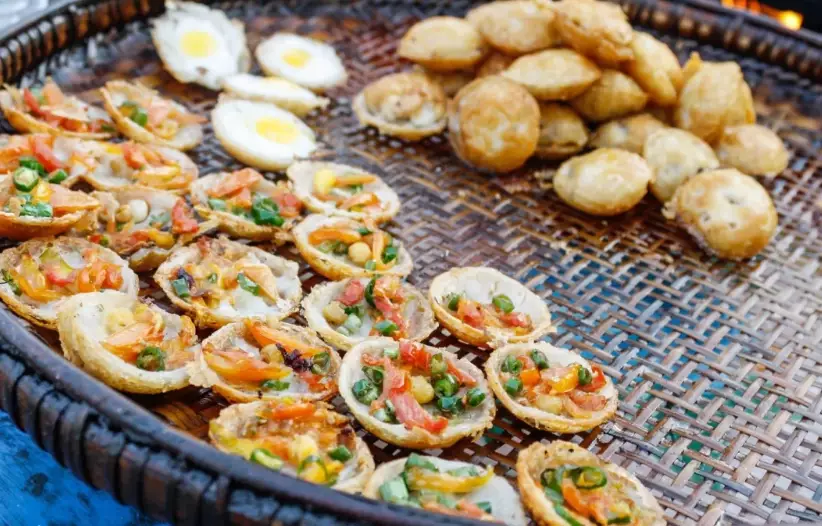
What makes it so unique? Imagine the tangy punch of a lime, the earthy depth of fermented fish paste, the crunch of fresh herbs, the slow burn of chilies, and the subtle sweetness of caramelized onions—all dancing together in one bite. It's a culinary crossroads, drawing influences from its giant neighbors—India, China, Thailand—and then twisting them into something distinctly its own.
Core Idea: At its heart, a traditional Myanmar meal is about balance and variety. It's rarely a single main course. Instead, think of a constellation of smaller dishes—a rice centerpiece, a main protein curry (hin), a light soup (hingo), a fresh salad (athoke), and an array of raw and blanched vegetables with dips. Every element has a role to play.
The Heartbeat of the Table: Rice and Core Curries
You can't have a Myanmar meal without rice. It's the undisputed king, the foundation upon which everything else is built. Steamed white rice (htamin) is the standard, acting as a neutral canvas and a tool for sopping up all those incredible flavors. In some regions, you might find sticky rice or even rice noodles taking center stage for specific dishes.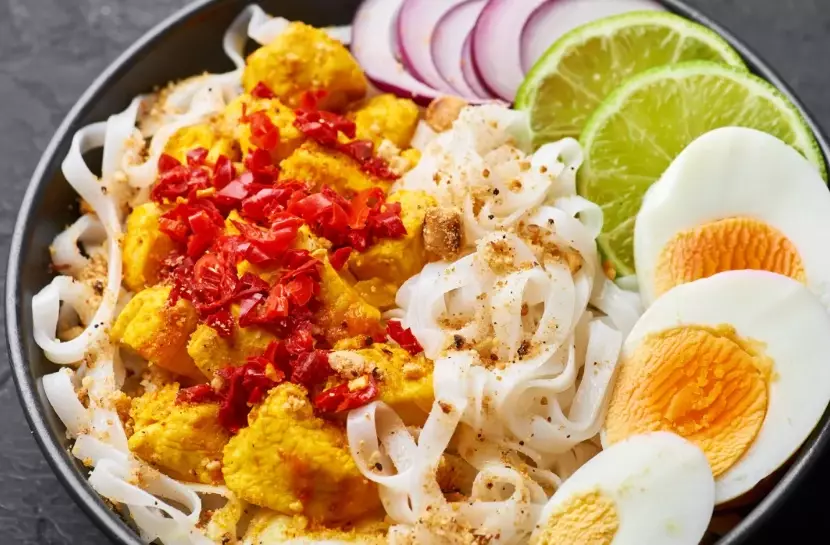
The curry, or hin, is where the magic of slow cooking shines. Burmese curries are often oilier and use more whole spices than their Thai counterparts. They're not necessarily swimming in liquid; the sauce is usually rich, concentrated, and packed with flavor.
Must-Try Mainstay Curries
Ohn No Khao Swe: This is the ultimate comfort food. Imagine wheat noodles in a creamy, coconut milk-based broth, gently spiced with turmeric and ginger, topped with shredded chicken, a hard-boiled egg, a squeeze of lime, and a handful of crispy fried noodles and chickpea fritters for texture. It's hearty, satisfying, and deeply aromatic. For a deeper dive into its cultural significance, the Myanmar Ministry of Hotels and Tourism often highlights it as a national favorite.
Htamin Chin (Rice Salad): Calling this a "salad" feels almost insulting. It's a vibrant, tangy, textural masterpiece. Cold rice is tossed with a powerful dressing of fermented tomato or lime, shredded cabbage, herbs, crunchy beans, nuts, and sometimes slices of green mango. It's a refreshing counterpoint to richer curries and a popular standalone lunch.
Mohinga: Widely considered the national dish, this is the breakfast of champions. Rice vermicelli noodles swim in a complex, fish-based broth made with catfish, lemongrass, ginger, banana stem, and a hint of ngapi (fermented fish paste). It's served with a basket of accompaniments: boiled eggs, fried fish cake, cilantro, chili, and lime wedges. Every region has its own twist, and arguing over whose is best is a national pastime. The broth in the south near Mawlamyine tends to be clearer and more herbal, while in Yangon it's often thicker and richer.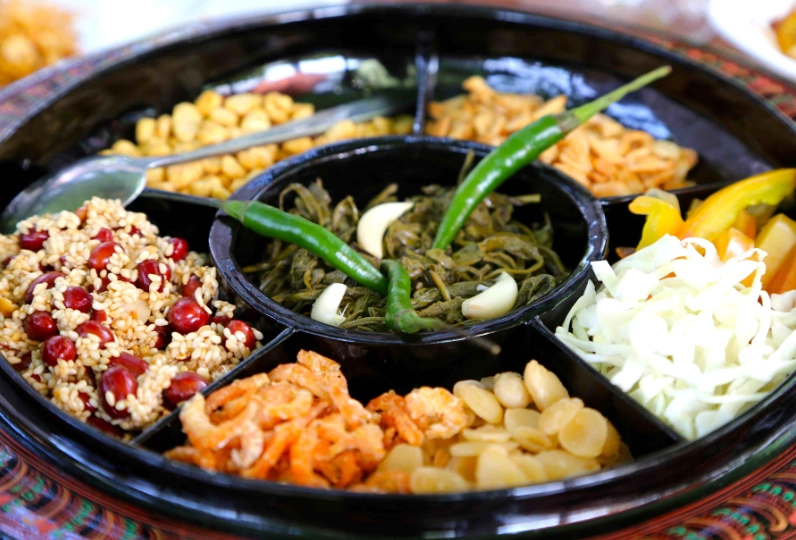
I have to be honest—the first time I saw the bowl of grayish broth for Mohinga, I was skeptical. It didn't look like much. But one spoonful completely changed my mind. The depth of flavor is astonishing. It's savory, slightly sour, fragrant, and utterly moreish. Don't judge it by its color!
A Tour of Regional Flavors
Myanmar is incredibly diverse, and its food reflects that. A Myanmar meal in Mandalay is a different beast from one in Shan State or Rakhine. Here's a quick breakdown of what to expect where.
| Region | Flavor Profile & Characteristics | Signature Dish to Seek Out |
|---|---|---|
| Upper Myanmar (Mandalay, Bagan) | More savory, oily, and less coconut-based. Heavier use of legumes and pulses. Food tends to be robust, reflecting the drier climate. | Shan Tofu (Tofu Nyway): Not made from soy! It's a creamy, savory jellied paste made from chickpea flour, served cold with chili oil, soy sauce, and pickled veggies. A fantastic snack. |
| Shan State | Lighter, subtler, with strong Thai and Chinese influences. Lots of fresh herbs, tomatoes, and fermented soybeans. Sticky rice is common. | Shan Khauk Swe (Shan Noodles): Flat rice noodles in a slightly spicy, tomato-based broth with minced chicken or pork, topped with peanuts and pickled mustard greens. It's tangy, savory, and utterly addictive. |
| Rakhine State (Western Coast) | FIERCE. Known for intense, mouth-numbing heat and abundant use of fresh seafood. Their curries are often thinner and packed with chili. | Rakhine Mont Di: Thin rice noodles in a fiery, clear fish broth. It's simple, clean, and will definitely wake you up. Not for the faint of heart. |
| Southern Myanmar (Mon State, Tanintharyi) | More coconut milk, similar to neighboring Thai cuisine. Sweeter curries and abundant tropical seafood. | Mok Pa (Steamed Fish in Banana Leaf): Fresh fish mixed with herbs, chilies, and sometimes coconut milk, wrapped in a banana leaf and steamed. The flavor is incredibly fresh and aromatic. |
See what I mean? You could travel for weeks and just scratch the surface. The diversity is part of what makes exploring a Myanmar meal so rewarding.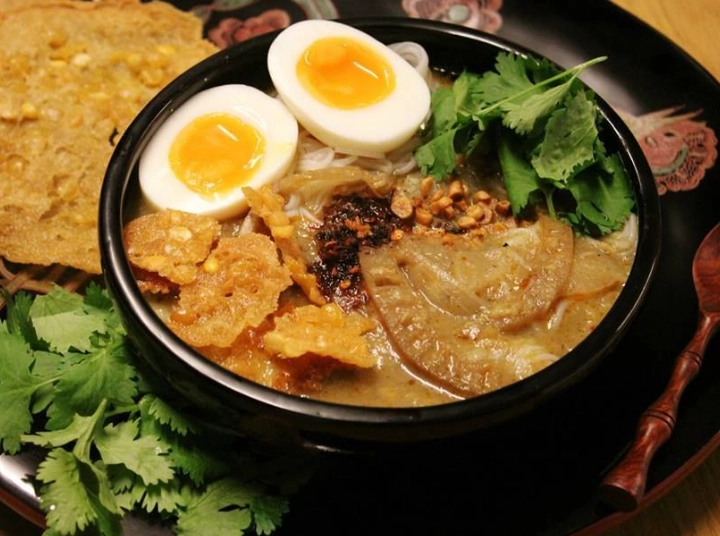
The Unsung Heroes: Salads, Soups & Sidekicks
This is where the meal truly comes alive. If the rice and curry are the main actors, these are the supporting cast that steals the show.
Athoke (Salads): Burmese salads are not an afterthought. They're marinated, dressed, and full of punch. The most famous is Laphet Thoke (Tea Leaf Salad). Fermented tea leaves, which have a unique, slightly bitter, umami flavor, are mixed with crispy fried garlic, peas, nuts, sesame seeds, and tomatoes. The texture contrast is insane—chewy, crunchy, soft, all at once. It's a caffeine kick and a flavor bomb rolled into one. According to resources from the FAO (Food and Agriculture Organization), Myanmar is one of the world's unique consumers of edible fermented tea leaves.
Other incredible salads include ginger salad, tomato salad, and a fantastic sour mango salad with shrimp powder.
Hingo (Soups): These are light, clear broths, often sour, served alongside the meal. They're meant to cleanse the palate and aid digestion. A simple sour mustard green soup or a light vegetable broth is common. You sip it intermittently throughout the meal.
Fresh & Blanched Veggies with Dips: A plate of raw cucumber, long beans, bitter gourd, and blanched morning glory is standard. The dip is usually Ngapi Ye—a pungent, salty paste of fermented fish or shrimp, thinned out with lime juice and chili. It's an acquired taste, but it's the quintessential flavor of Myanmar. If it's too strong, a simple chili-garlic-soy dip is often available.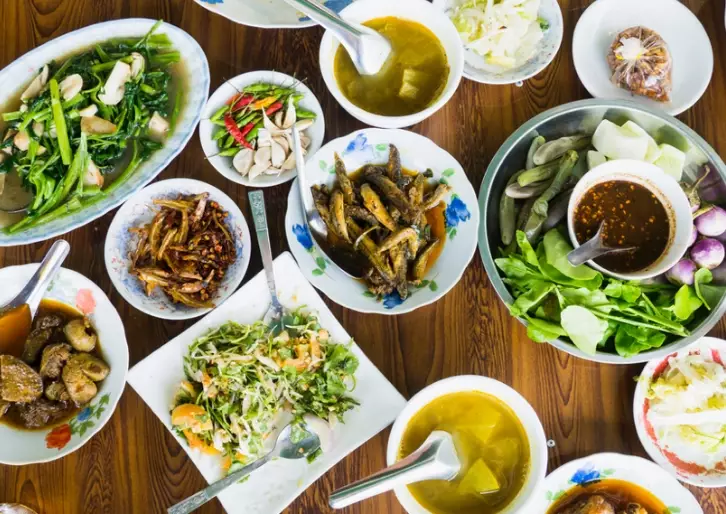
Pro Tip: Don't be afraid of the ngapi dip. Start with a tiny dab on a piece of vegetable. It's salty, funky, and incredibly savory. It might just grow on you.
Navigating the Meal: Etiquette and How to Eat
Okay, you've got all these bowls in front of you. Now what? The etiquette is relaxed but has a few unspoken rules.
First, rice is your plate. You take a spoonful of rice onto your own plate (or sometimes just a section of the banana leaf or table). Then, you add small amounts of the different curries, salads, and vegetables around it. You don't dump everything on the rice at once. You mix and match bites.
Use your right hand to mix and eat, if you're comfortable. It's traditional and many locals believe it makes the food taste better. Spoon and fork are absolutely fine and widely used, with the fork in the left hand to push food onto the spoon in the right. Knives are rare—everything is pre-cut to bite-size.
Take the soup spoon and sip the clear soup between bites. It's a reset button for your palate.
Sharing is fundamental. A Myanmar meal is communal. All the dishes are placed in the center, and everyone helps themselves. It's polite to try a bit of everything.
Watch Out: The curries, especially the drier ones, can be deceptively oily. That oil is flavor-central, but if you have a sensitive stomach, maybe go easy on spooning too much of the oil onto your rice initially.
Street Food vs. Restaurant vs. Home Cooking
Where you eat drastically changes the experience.
Street Food & Tea Shops: This is the soul of Burmese eating culture. Plastic tables, bustling atmosphere, incredible value. You'll find the best mohinga, Shan noodles, and skewers here. Tea shops are social hubs where people gossip, talk politics, and snack on samosas, fried breads (palata), and sweet milk tea. For an authentic, no-frills Myanmar meal, this is the place. Hygiene varies, so look for stalls with high turnover.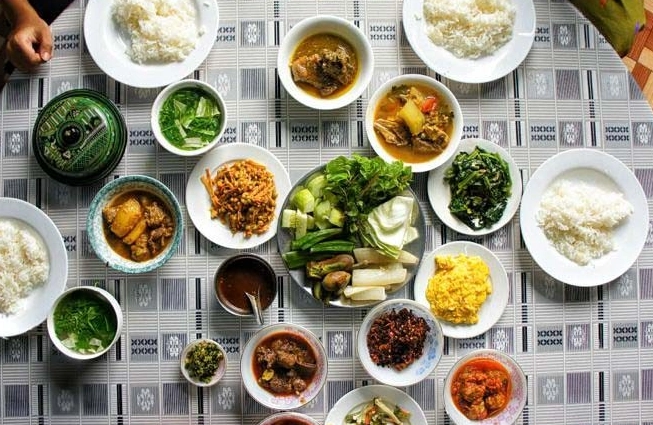
Local Restaurants: These range from simple curry houses to more upscale places. The curry house model is fantastic: a display of 10-20 different curries, meats, and vegetables. You point at what you want, and they serve you rice and your selections. It's a great way to try a wide variety. Websites like TasteAtlas can be a good starting point to identify regional specialties before you go.
Home Cooking: The holy grail. If you get invited to a home, you're in for a treat. The flavors are often more nuanced, with family recipes passed down generations. Portions are generous, and hospitality is boundless. Be prepared to eat a lot.
I had a home-cooked meal in a village near Inle Lake. The lady of the house made a simple eggplant curry that was, without exaggeration, one of the best things I've ever eaten. It was smoky, tender, and perfectly spiced. You won't find that exact version anywhere else.
Your Practical Guide to Enjoying Burmese Food
Finding the Good Stuff
In Yangon, head to the bustling streets of Chinatown for evening street food. In Mandalay, the night markets are essential. In Bagan, many family-run restaurants near Old Bagan serve excellent local fare. Don't just eat at your hotel restaurant. Walk a few blocks.
Dietary Notes
Vegetarians: You can eat very well, but you must be specific. Say "thatalo" (no meat) and "acheik" (no fish). Be extra clear about "ngapi" (fish paste), as it's used as a seasoning in many vegetable dishes. Buddhist vegetarian restaurants are a safe bet, especially around pagodas.
Spice Levels: It's not uniformly volcanic like some Thai or Indian food. The heat is often provided by fresh chilies or chili powder on the side. You control it. If you're sensitive, just say "acha ma pet bu" (not too spicy, please).
Common Questions About a Myanmar Meal (FAQs)
Bringing the Flavors Home
Want to recreate a taste of your travels? The key pantry staples are:
- Turmeric & Dried Chili Powder: For color and warmth.
- Shallots & Garlic: The fundamental aromatics, often used in abundance.
- Fish Sauce & Shrimp Paste: For that essential umami saltiness. (Ngapi is hard to find abroad, but Thai shrimp paste is a close substitute).
- Tamarind Paste: For the signature sour note.
- Chickpea Flour: For thickening curries and making Shan Tofu.
Start with a simple recipe like a basic chicken curry or ginger salad. Don't be intimidated.
My own attempts at home have been... mixed. I can never quite get the oil-to-spice ratio right like they do in Mandalay. My curries are either too dry or too soupy. But even my imperfect versions bring back the smells and memories. That's part of the fun.
So, there you have it. A Myanmar meal is more than sustenance; it's a window into the country's history, geography, and soul. It's humble, complex, communal, and incredibly delicious. It asks you to slow down, to taste each component, to enjoy the conversation, and to embrace a little messiness.
Skip the familiar international chains. Find a busy tea shop, point at something that looks good, and dive in. Your taste buds will thank you.