Quick Navigation
- The Unbeatable Street Food: Your Culinary Playground
- Beyond the Street: The Royal Cuisine & Restaurant Gems
- Navigating the Regional Maze: It's Not All the Same
- How to Actually Order Thai Food (Without Embarrassment)
- Answering Your Burning Questions About Thailand Foods
- Bringing Thailand Home: It's More Than Just a Paste Jar
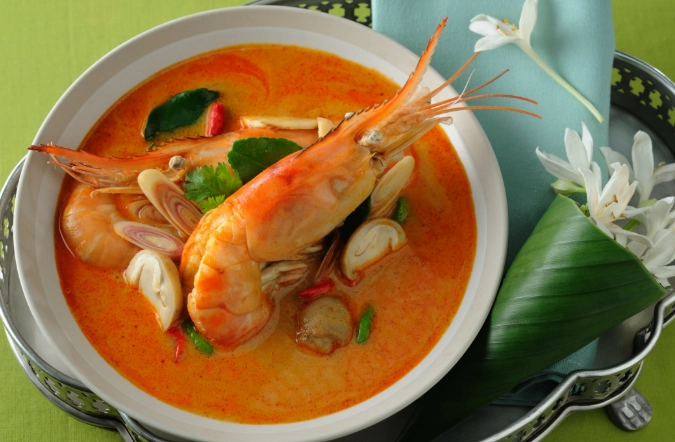
Let's be honest, you probably didn't come here for a dry, textbook definition of Thai food. You're here because you remember that first bite of a properly made Pad Thai, the one that hit you with a confusing yet wonderful mix of sweet, salty, and tangy. Or maybe it was a spoonful of Tom Yum Goong that cleared your sinuses and made you feel alive in a way you didn't expect from soup. That's the magic we're talking about. Thailand's foods aren't just meals; they're experiences, often chaotic, always flavorful, and deeply tied to the country's soul.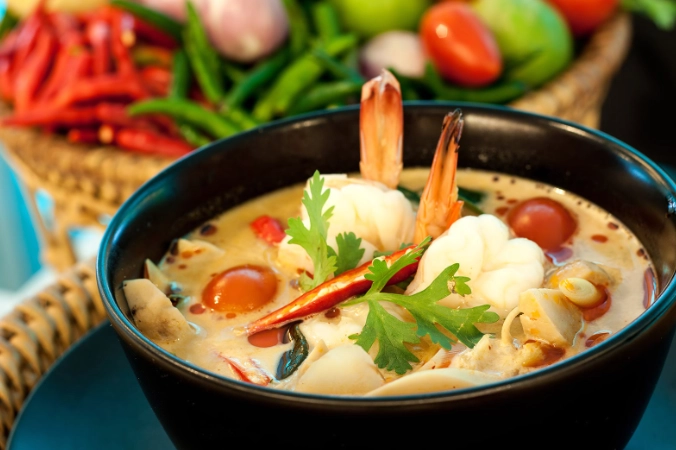
I still remember my first real food panic in Bangkok. Staring at a street cart menu with no pictures, just Thai script, feeling utterly lost. I pointed at something random and got a plate of what I now know is Pad Krapow Moo Saap. The first mouthful was a volcanic eruption of chili and basil. I coughed, my eyes watered, and the vendor laughed. But five minutes later, I was scraping the plate clean, addicted. That's the journey I want to take you on—from the intimidating to the irresistible.
The Unbeatable Street Food: Your Culinary Playground
Forget fancy restaurants for a moment. The true heartbeat of Thailand's food scene pulses on the sidewalks. Street food here isn't a trend; it's a way of life, a democratic culinary space where office workers, taxi drivers, and tourists queue side-by-side. The variety is staggering, the prices are laughably low, and the flavors are uncompromising.
Navigating it can feel overwhelming. So, let's break it down into a simple checklist. Think of this as your survival guide to the essential street eats.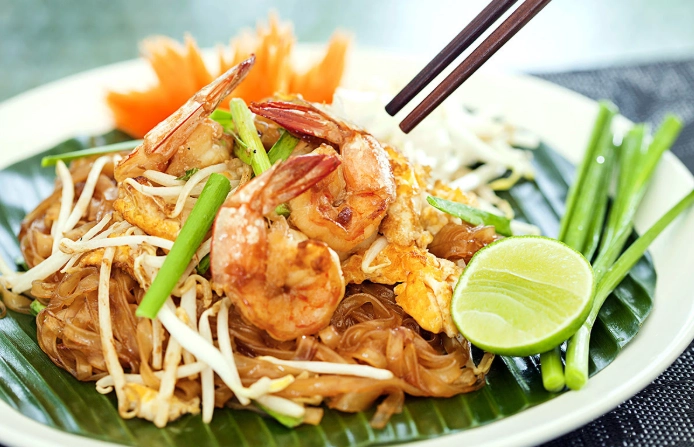
Must-Try Thai Street Food Checklist
| Dish Name | What It Is (In Plain English) | Approx. Price (THB) | Why You Can't Miss It |
|---|---|---|---|
| Pad Thai | Stir-fried rice noodles with egg, tofu, shrimp, bean sprouts, and peanuts. | 50-60 | The national icon. A perfect introduction—familiar yet uniquely Thai. |
| Som Tum (Green Papaya Salad) | Shredded unripe papaya pounded in a mortar with chili, lime, fish sauce, tomatoes, and green beans. | 40-50 | A flavor explosion. The ultimate sweet, sour, spicy, and salty combo. Ask for "mai phet" (not spicy) if you're nervous. |
| Moo Ping (Grilled Pork Skewers) | Marinated pork skewers grilled over charcoal, served with sticky rice. | 10-15 per skewer | The ultimate savory, smoky snack. The marinade (coconut milk, coriander root) is genius. |
| Khao Niao Mamuang (Mango Sticky Rice) | Sweet, ripe mango served with glutinous rice soaked in coconut milk. | 60-80 | Simple, perfect dessert. The creamy, sweet contrast is heavenly. |
| Guay Teow (Noodle Soup) | A vast category of broth-based noodle soups. Can be with chicken (nam tok), beef (neua), or wantons. | 40-60 | Comfort in a bowl. Customize with condiments (chili flakes, sugar, fish sauce) on the table. |
My personal street food hack? Look for the stalls with the longest queue of locals. It's the universal sign of quality and value. Don't be shy about pointing at what someone else is eating. And always, always have some small bills ready.
Beyond the Street: The Royal Cuisine & Restaurant Gems
While street food gets the glory, Thailand has a parallel universe of refined cooking known as "ahan chao wang" or royal cuisine. Historically developed in the palace kitchens, these dishes are less about fiery heat and more about intricate, subtle flavors, meticulous presentation, and often more time-consuming techniques.
Dishes like Mee Grob (crispy rice noodles in a sweet-sour sauce) or Gaeng Massaman (a rich, mild curry with Persian influences, often called the world's best curry by some lists) fall into this category. The flavors are complex but balanced, with spices like cardamom, cinnamon, and nutmeg taking center stage instead of raw chili heat.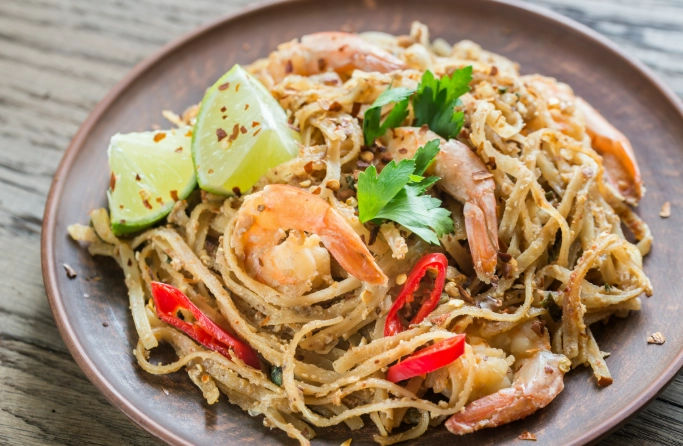
It's a different side of Thailand foods altogether.
Finding authentic royal cuisine can be trickier. Look for older, well-established restaurants in Bangkok, like those around the Rattanakosin island area. The Tourism Authority of Thailand (TAT) website sometimes features reputable establishments that specialize in this heritage cooking—it's a good resource for verified info. For a deep dive into the history and recipes, academic and cultural preservation sites like the Thai Food Heritage project offer fascinating insights.
Navigating the Regional Maze: It's Not All the Same
This is where many guides fall short. Saying "Thai food" is like saying "European food." The differences between regions are profound and knowing them changes how you order.
Northern Thailand (Chiang Mai, Chiang Rai)
Forget the coconut milk. Here, the food is milder, earthier, and influenced by neighboring Myanmar and Laos. Sticky rice is the staple, eaten with the hands. Must-tries include Khao Soi (coconut curry noodle soup with crispy noodles on top—my personal favorite dish in all of Thailand) and Sai Oua (herb-packed grilled sausage). The flavors are herbal from ingredients like turmeric and ginger, not blisteringly hot.
Northeastern Thailand / Isan (Khon Kaen, Ubon Ratchathani)
Brace yourself. This is the spicy, pungent, and fiercely flavorful heartland. Som Tum here is fiercer, often featuring fermented fish sauce (pla ra). Larb (minced meat salad) and Gai Yang (grilled chicken) are staples. The food is designed to be eaten with copious amounts of sticky rice to temper the heat. It's bold, unapologetic, and incredibly delicious.
Central Thailand (Bangkok, Ayutthaya)
This is the "Thai food" most of the world knows. It's the harmonious blend of all the regions, with lots of coconut milk, freshwater fish, and intricate royal dishes. Curries are richer, sweets are more prevalent. Pad Thai, Tom Yum, and Green Curry are classic Central dishes.
Southern Thailand (Phuket, Krabi, Songkhla)
Seafood paradise with Malaysian and Indonesian influences. Expect Massaman Curry, Gaeng Som (a sour orange curry), and an abundance of fresh fish, squid, and shellfish. The food here is often the spiciest in the country, using fresh turmeric and bird's eye chilies liberally. Coconut features heavily, but it's balanced with sharp, sour notes.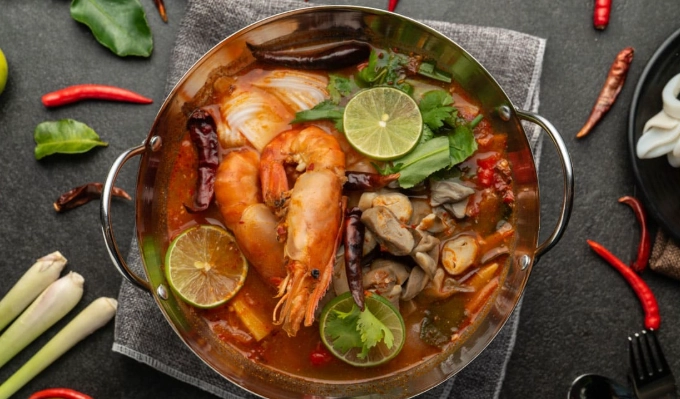
How to Actually Order Thai Food (Without Embarrassment)
This is the practical stuff nobody tells you. Walking into a Thai restaurant and ordering can be a minefield. Let's demystify it.
First, Thai meals are communal and shared. Don't order one main for yourself. Order a spread for the table: a curry, a stir-fry, a soup, a salad, and a mountain of rice. This lets you experience the interplay of flavors and textures.
Second, the spice level. This is crucial. The default is usually Thai spicy, which can be brutal for the uninitiated. Here's your vocabulary:
- "Phet" = Spicy.
- "Mai phet" = Not spicy. They might still make it a little spicy.
- "Phet nit noy" = A little bit spicy. This is usually a safe, flavorful middle ground.
- "Phet mak mak" = Very very spicy. Only say this if you are absolutely confident.
I made the "phet mak mak" mistake once with a Papaya Salad. The vendor gave me a skeptical look, I nodded confidently. The resulting dish was inedible, even for my Thai friends. It was a waste of good food and money. Learn from my error.
Third, don't ignore the condiment caddy on the table. It's not decoration. It contains the four pillars: sugar, fish sauce, chili flakes, and vinegar with chilies. Thai food is personalized at the table. Is your soup not sour enough? Add a spoonful of the vinegar. Not salty enough? Fish sauce. Need more heat? Chili flakes. Too spicy? More rice, and maybe a sprinkle of sugar can surprisingly help balance it.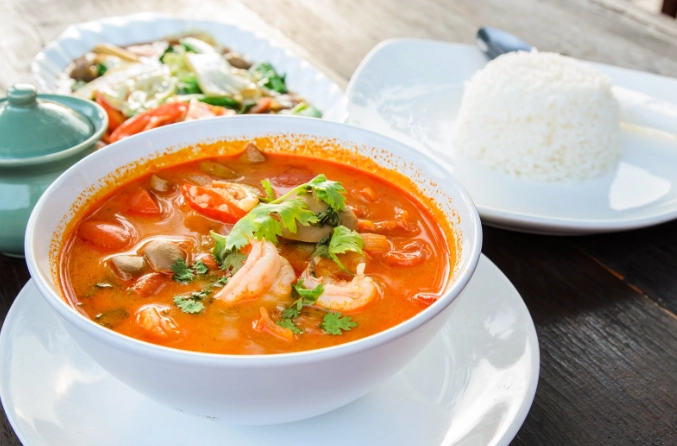
Answering Your Burning Questions About Thailand Foods
Bringing Thailand Home: It's More Than Just a Paste Jar
So you're hooked and want to cook it at home. The supermarket curry paste jar is a start, but it's like comparing instant coffee to a freshly brewed cup. The soul of Thai cooking is in the fresh ingredients.
Your non-negotiable fresh shopping list: lemongrass, galangal (not ginger!), kaffir lime leaves, Thai basil (holy basil for certain dishes), and fresh chilies. Dried spices won't cut it. For authentic recipes and techniques, I always cross-reference with trusted sources. The website of the Thai Ministry of Agriculture and Cooperatives sometimes has great information on traditional ingredients, and established culinary institutes often publish reliable recipes.
Start simple. A Tom Kha Gai (coconut chicken soup) is surprisingly easy and forgiving. You simmer lemongrass, galangal, and lime leaves in coconut milk, add chicken, mushrooms, and finish with fish sauce, lime juice, and chili. The fragrance will transport you.
The real secret? Taste as you go.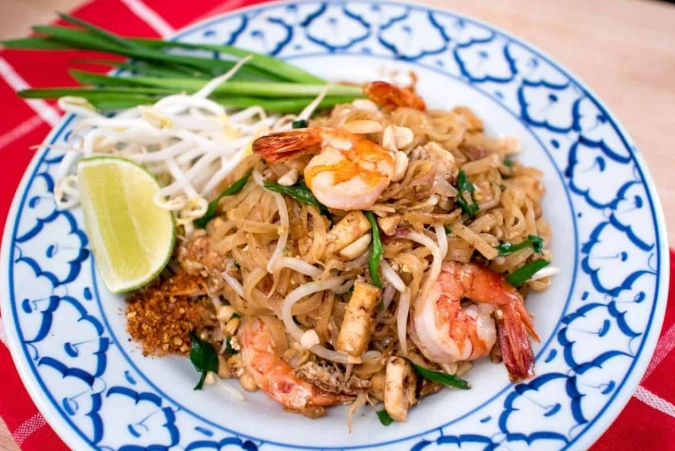
Remember the balance—sweet (a pinch of palm sugar), sour (lime juice), salty (fish sauce), spicy (fresh chili). Keep adjusting until it sings. Your first attempt might not be perfect, but it will be yours, and it will be a million times better than anything from a generic takeout menu abroad.
Exploring Thailand foods is a lifelong journey. There's always a new street cart to discover, a regional specialty you haven't heard of, or a family recipe that blows your mind. It's a cuisine built on balance, boldness, and an incredible depth of flavor. Don't just eat it—engage with it. Ask questions, point at things, customize your spice level, and get your hands dirty with sticky rice. That's how you move from being a tourist at the table to someone who genuinely understands why this food captures hearts around the globe. Now, go find something delicious to eat.
Reader Comments