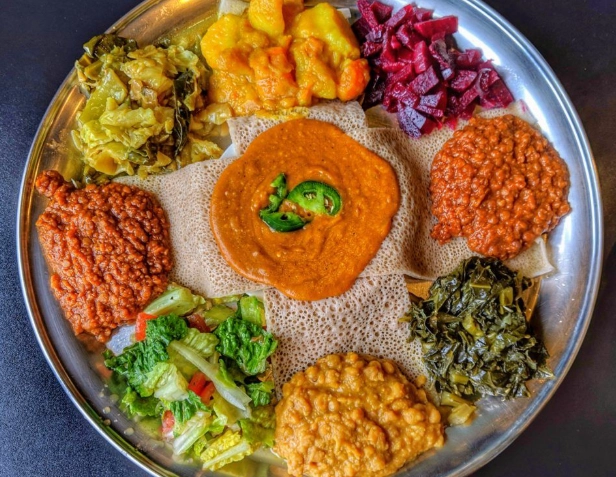
So, you've heard about Ethiopian food—maybe that sourdough-like bread called injera or the spicy stews. But let me tell you, it's more than just a meal; it's an experience that ties culture, history, and flavor into one communal platter. I still remember my first time in Addis Ababa, sitting on a low stool, sharing a massive injera spread with strangers who quickly became friends. The tang of the bread, the heat of the berbere spice, and the richness of the stews—it’s something you don't forget. In this guide, I'll walk you through everything from the basics to the hidden gems, so you can enjoy Ethiopian cuisine like a pro, whether you're dining in Ethiopia or at a local spot back home.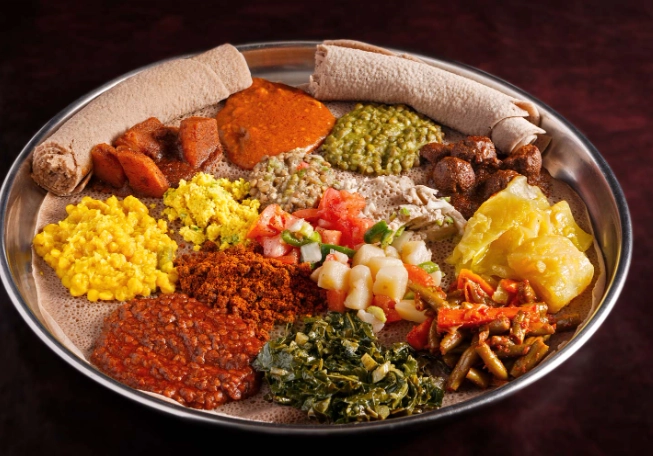
Your Ethiopian Food Cheat Sheet
What Makes Ethiopian Cuisine Unique?
Ethiopian food isn't just about taste—it's about community. Meals are often shared from a single platter, symbolizing unity. The cuisine relies heavily on injera, a spongy flatbread made from teff flour, which acts as both plate and utensil. Teff is a tiny grain native to Ethiopia, packed with nutrients, and it gives injera its distinctive sour flavor from fermentation. According to the Ethiopian Institute of Agricultural Research, teff has been cultivated for thousands of years, making it a staple deeply rooted in history.
Injera: The Spongy Staple
Injera is the heart of every meal. It's gluten-free and fermented for up to three days, giving it a tangy taste that balances the spicy stews. Many people think it's just bread, but it's more like a edible tablecloth—you tear off pieces to scoop up everything else. I’ve seen newcomers struggle with the texture; it can be an acquired taste, but once you get used to it, there's no going back.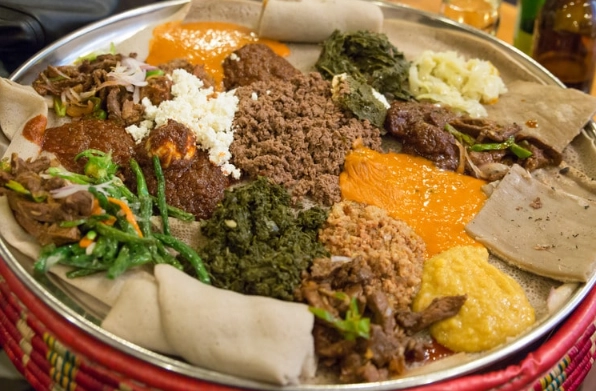
Berbere and Mitmita: The Spice Blends
Berbere is a fiery spice mix with chili peppers, garlic, ginger, and fenugreek. It's what gives dishes like doro wat their kick. Mitmita is even hotter, often used for kitfo. Don't assume all Ethiopian food is blistering hot, though. Some stews, like alicha wat, skip the berbere for a milder turmeric-based flavor. I once made the mistake of loading up on berbere without asking—my mouth was on fire for hours. Lesson learned: always taste first.
Top 5 Must-Try Ethiopian Dishes
If you're new to Ethiopian food, start with these five dishes. They're the classics you'll find everywhere, from street stalls to high-end restaurants.
These dishes showcase the diversity—from plant-based options to meat-centric feasts. A common error is ordering only one thing; Ethiopians typically share multiple dishes to experience a range of flavors.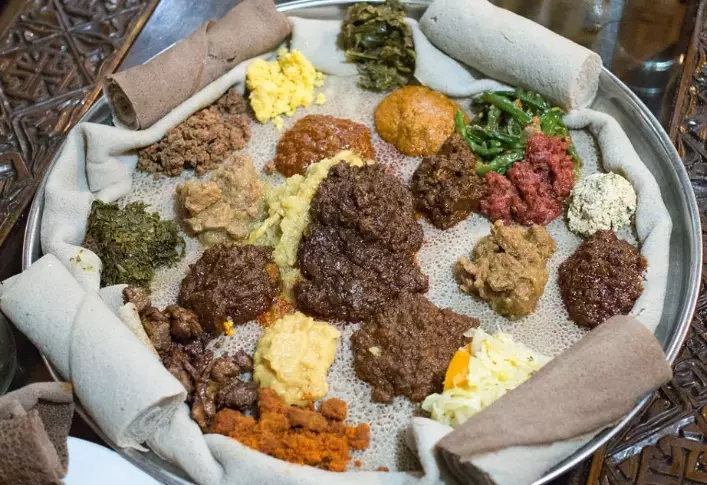
Where to Eat Authentic Ethiopian Food
Finding authentic Ethiopian food can be tricky, especially outside Ethiopia. But if you're in Addis Ababa or major cities like New York or London, here are some spots I've personally visited or heard rave reviews about.
Address: Bole Road, Addis Ababa, Ethiopia
Hours: 11 AM – 11 PM daily
Price: $10-$20 per person
What to order: Kitfo, doro wat, and tej (honey wine). This place has live traditional music and dance performances, making it a tourist favorite. The injera is fresh, and the service is swift. I’d rate it 4.5/5 stars—just avoid peak hours when it gets crowded.
Address: Near Meskel Square, Addis Ababa, Ethiopia
Hours: 10 AM – 10 PM daily
Price: $5-$15 per person
What to order: Tibs, shiro, and vegetarian platter. It's more low-key, with generous portions and affordable prices. The atmosphere is cozy, perfect for a relaxed meal. Some reviews on TripAdvisor mention slow service, but I found it fine during weekday lunches.
Address: Various locations in Washington D.C., USA (if referencing outside Ethiopia, mention it's for diaspora dining)
Hours: 12 PM – 10 PM
Price: $15-$25 per person
What to order: Combination platter with injera. This chain is known for authenticity in the diaspora community. I haven't been, but friends swear by their berbere spice level—it's toned down for Western palates but still flavorful.
When choosing a restaurant, look for places that make their injera fresh daily. A good tip: check if they offer coffee ceremonies, which are a traditional end to meals. In Addis, many smaller cafes like Tomoca Coffee are great for post-meal coffee, as reported by BBC Travel in their feature on Ethiopian coffee culture.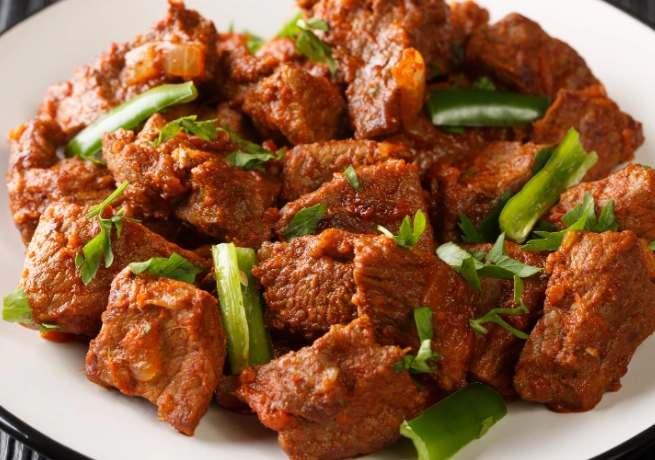
How to Eat Ethiopian Food Like a Local
Eating Ethiopian food isn't just about the food—it's about the ritual. Here’s how to do it right, so you don't stick out as a tourist.
First, wash your hands. You'll be eating with your right hand only; the left is considered unclean. Tear off a piece of injera, about palm-sized, and use it to scoop up a bit of stew. Don't double-dip—once the injera touches your mouth, it's done. I’ve seen people use utensils, but locals will appreciate the effort to go traditional.
Share generously. Meals are communal, so order a platter for the table and let everyone dig in. It's polite to try a bit of everything. If you're with Ethiopians, they might hand-feed you a bite as a sign of hospitality—accept it graciously.
Pace yourself. The flavors are intense, and it's easy to overeat. Drink water or tej (honey wine) to cleanse your palate. A common mistake is rushing; Ethiopians savor meals slowly, often over conversation.
Common Misconceptions About Ethiopian Food
Let's clear up some myths. I've heard these repeatedly, and they often stem from limited exposure.
Myth 1: Ethiopian food is always spicy. Not true. While berbere adds heat, dishes like alicha wat or boiled vegetables are mild. You can always ask for less spice. I once dined with a friend who assumed everything was fiery—she ended up with a bland meal because she overcompensated.
Myth 2: It's just stews and bread. Ethiopian cuisine includes grilled meats, salads, and fermented beverages. Kitfo, for instance, is raw and seasoned, not stewed. There's also enset (false banana) dishes in southern regions, which are less known but equally fascinating.
Myth 3: It's unhealthy. Actually, it's quite balanced. Teff is high in fiber and protein, and many dishes are plant-based. The use of nit’ir qibe (spiced butter) adds fat, but in moderation, it's fine. A study by the Journal of Ethnic Foods highlights the nutritional benefits of traditional Ethiopian diets.
My take? People often overlook the cultural significance—food is tied to Orthodox Christian fasting periods, where vegan dishes dominate. That's why shiro and lentils are so prevalent.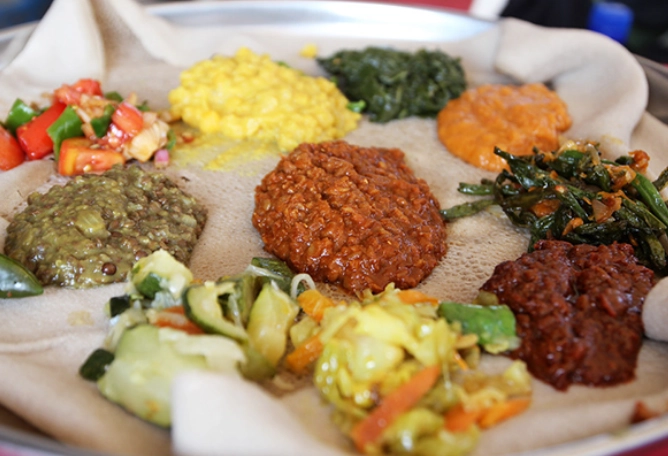
Your Ethiopian Food Questions Answered
Ethiopian food is more than a trend—it's a living tradition. Whether you're diving into a platter of injera or sipping tej, the key is to embrace the experience. I still crave that tangy bread after years, and I hope this guide helps you discover your own favorite dish. Remember, it's okay to make mistakes; even I once used my left hand by accident—just laugh it off and enjoy the meal.