Quick Exploration Guide
- The Great Smell Debate: Love It or Loathe It
- Deconstructing the Aroma: A Smell Component Checklist
- Does the Smell Change? Variety, Ripeness & Preparation
- How to Actually Describe the Smell to a Newbie
- A Cultural & Personal Thing: It's Not Just Your Nose
- Your Burning Questions Answered (FAQ)
- The Final Verdict: So, What DOES a Durian Smell Like?
Let's cut to the chase. You've heard the stories. You've seen the videos of people gagging or grinning. The question burning in your mind is simple yet loaded: what does a durian smell like? Is it really that bad? Is it sweet? Is it rotten? The short, unsatisfying answer is: it's complicated. But that's why you're here, right? You want the real breakdown, not some one-line joke.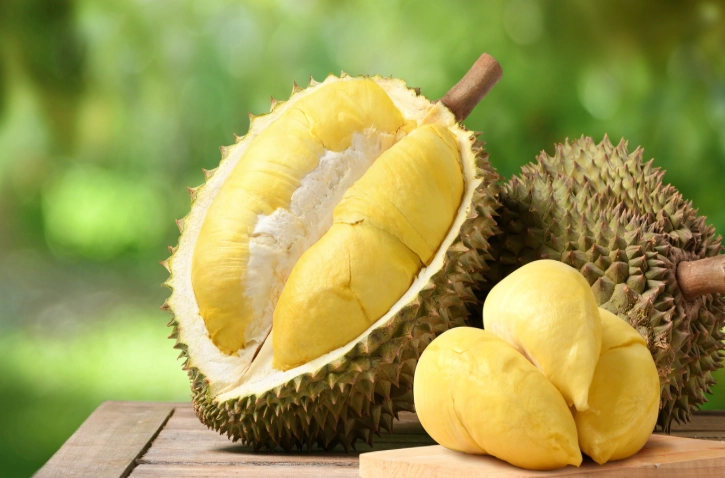
I remember my first encounter. It wasn't in a fancy market in Thailand, but in the hallway of an apartment building in Vancouver. The scent hit me before I even turned the corner—a wave of something profoundly sweet, heavy, and... oniony? It was confusing. My brain couldn't categorize it. That's the durian experience in a nutshell: sensory confusion that eventually becomes either love or hate.
The Great Smell Debate: Love It or Loathe It
No fruit polarizes people like the durian. In Southeast Asia, it's revered as the "king of fruits." In many hotels and public transport systems across Singapore, Thailand, and Malaysia, you'll see signs with a durian crossed out—a clear ban. This duality is the heart of the mystery. To understand what a durian smells like, you have to listen to both sides.
The Haters' Camp: Their descriptions are vivid and often horrified. They'll tell you it smells like rotting onions, stale gym socks, turpentine, or even raw sewage. The intensity is the main offender—it's not just a smell, it's an assault. It's pervasive, clinging to clothes and rooms for hours. For them, the idea of putting this in their mouth is unthinkable.
The Lovers' Camp: This group hears those descriptions and just shakes their heads. To them, asking "what does a durian smell like" yields answers like: caramelized sugar, rich custard, toasted almonds, and a deep, boozy aroma like a fine brandy. They acknowledge the pungency but frame it as complexity, a prelude to the creamy, sublime flavor inside. The smell, to them, is a promise of delight.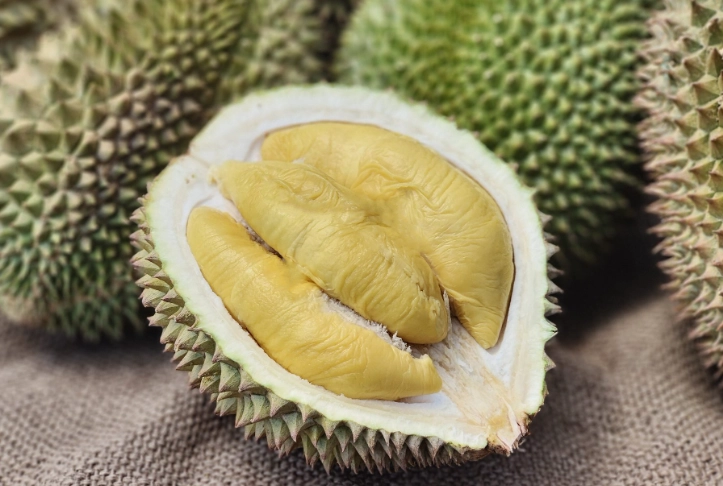
So who's right? Technically, both. The smell is a complex cocktail of dozens of aromatic compounds, and your genetics, your upbringing, and even your expectations determine which notes your brain decides to amplify.
Deconstructing the Aroma: A Smell Component Checklist
Instead of vague metaphors, let's get specific. When you sniff a durian, your nose is detecting a wild mix of signals. Scientists have identified over 50 different volatile compounds in durian aroma. To answer "what does a durian smell like," we can break it down into families of smells that most people can recognize.
| Smell Category | What It Smells Like | Common Association / Chemical Culprit |
|---|---|---|
| Fruity & Sweet | Overripe pineapple, very sweet banana, cooked apple | Esters like ethyl propionate, propyl propionate |
| Creamy & Custardy | Vanilla custard, caramel, butterscotch, whipped cream | Compounds like furaneol |
| Nutty & Roasty | Toasted almonds, roasted onions, fried garlic | Sulfur-containing compounds |
| Savory & Funky | Fermented cheese, yeast, over-ripe Camembert | Various sulfur compounds and acids |
| Chemical & Pungent | Turpentine, gasoline, rotten cabbage, skunk | High concentrations of sulfur compounds (like hydrogen sulfide and ethanethiol) |
The wild thing is, you're smelling all of this at once. Your brain struggles to process it. If you focus on the sweet, fruity esters, you might lean towards loving it. If your nose zeroes in on the sulfurous, skunky compounds (like ethanethiol, which is also added to natural gas so we can smell leaks), you'll likely recoil. It's a literal chemical battle in your olfactory receptors.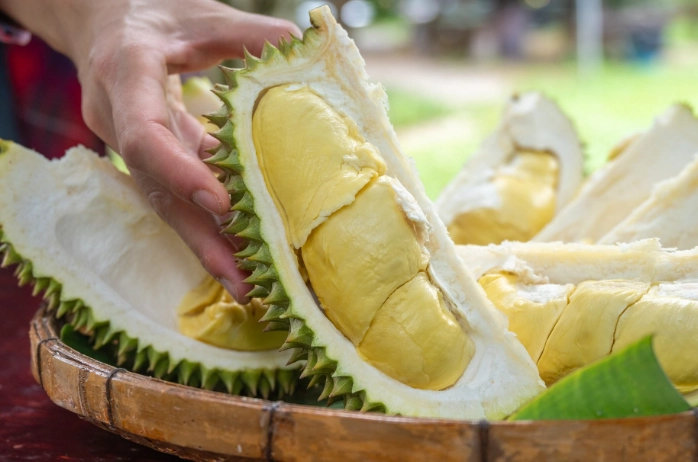
The Science Bit: Why Does It Smell So... Extreme?
The potency of the durian's smell isn't an accident. In the wild, that powerful aroma serves a purpose: it attracts large mammals like elephants, tigers, and orangutans from miles away. These animals eat the fruit and disperse the large seeds, helping the durian tree reproduce. The stronger the smell, the better its survival strategy. Humans just happened to stumble upon this evolutionary masterpiece (or monstrosity, depending on your view). Research published on PubMed and resources from the National Center for Biotechnology Information (NCBI) detail the unique volatile sulfur compounds that set durian apart from any other fruit on the planet.
Does the Smell Change? Variety, Ripeness & Preparation
Here's a crucial point most guides miss: not all durians smell the same. Asking "what does a durian smell like" is like asking "what does wine taste like?" It varies massively.
By Variety (Cultivar)
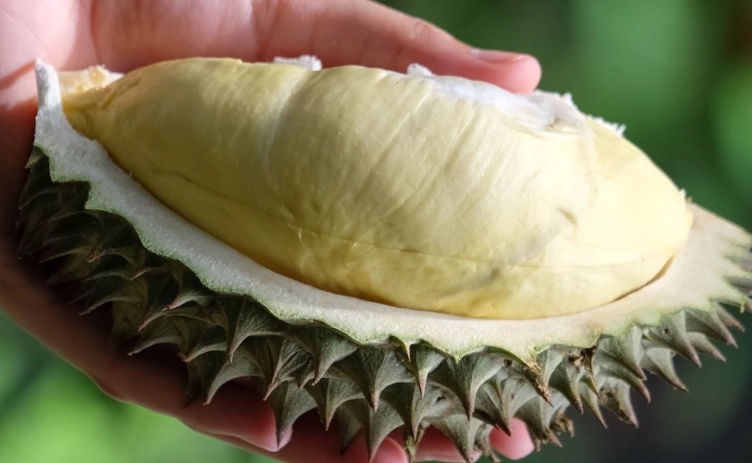
There are hundreds of durian cultivars. The popular Musang King (Mao Shan Wang) is known for a intensely bitter-sweet, alcoholic aroma with a deep golden flesh. Its smell is often described as richer and more complex. The D24 Sultan variety might be milder, creamier, and less pungent. A Monthong (the common Thai variety) can have a softer, sweeter smell. The variety dramatically shapes your first impression of what a durian smells like.
By Ripeness
A durian's smell evolves like a living thing. An unripe durian is relatively quiet, maybe giving off a faint green, vegetal scent. At perfect ripeness, the full symphony of sweet, savory, and pungent notes is in harmony. An overripe durian? That's when the rotten, fermented notes (from yeast and bacteria breaking down the sugars) completely take over, and the smell becomes genuinely unpleasant for almost everyone. Timing is everything.
Frozen vs. Fresh
Frozen durian pulp, often sold in Asian supermarkets, is a great gateway. The freezing process dampens the volatile sulfur compounds more than the sweet esters. So, what does a frozen durian smell like when you open the package? Usually, it's much milder, sweeter, and more custard-like. The sharp, offensive edges are filed off. It's a gentler introduction.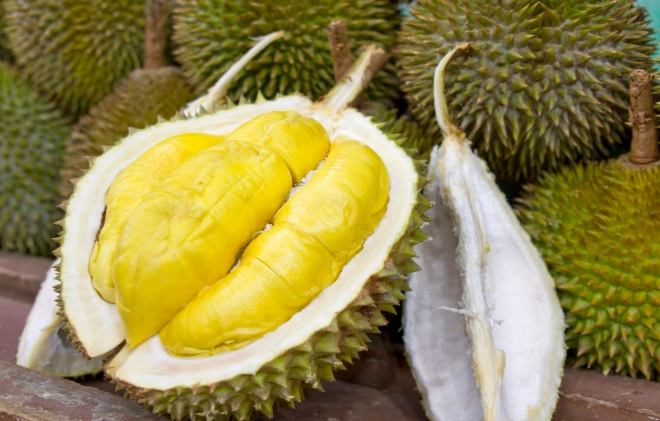
How to Actually Describe the Smell to a Newbie
If you need to prepare someone, here's a more practical, layered description of what a durian smells like:
- First Impression (From a Few Feet Away): A surprisingly sweet, fruity-alcoholic scent. Like a fruit basket that's been sitting in the sun for a day, with a hint of honey.
- Close-Up Sniff (The Critical Moment): The sweetness is still there, but now it's joined by a strong, savory undertone—think sautéed onions mixed with Parmesan cheese. There's a sharp, almost chemical tang that might make your nose hairs tingle.
- The Lingering Scent (After it's Gone): This is where the "bad" reputation often solidifies. The sweet top notes evaporate quickly. What's left on your hands or in the room is the heavier, sulfurous base note. It can smell like stale onions or cooked cabbage hours later. This disconnect between the initial and lingering smell is key to the confusion.
It's an experience of contrasts. Sweet vs. savory. Fruity vs. funky. Delicious vs. disgusting. It's all in there.
A Cultural & Personal Thing: It's Not Just Your Nose
Your reaction isn't just biology. If you grew up in Malaysia eating durian during family gatherings, that smell is tied to happiness, community, and celebration. It's a comfort smell. The Food and Agriculture Organization (FAO) of the UN highlights durian's cultural and economic significance in Southeast Asia. If your first exposure is in a foreign context where it's labeled "the world's smelliest fruit," you're primed for disgust. You're hunting for the rot, not the custard.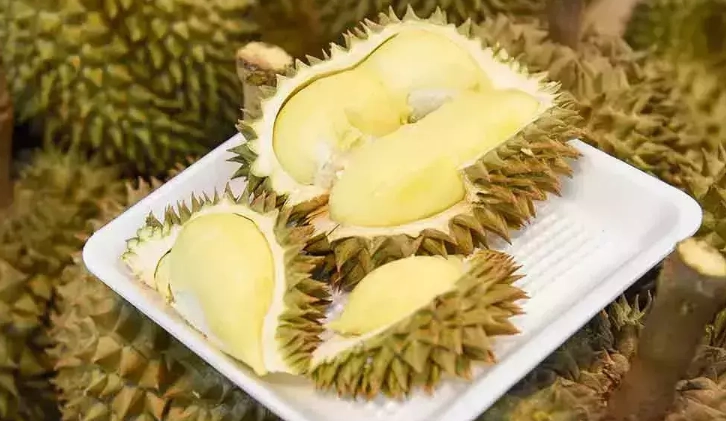
I forced myself to try it three times before I "got" it. The first two were a struggle. The third time, in Penang with a vendor who picked a perfect, ripe fruit, something clicked. The smell, which I once found offensive, suddenly seemed rich and appetizing. The taste followed. Now, I crave it. The brain is a weird and adaptable organ.
Your Burning Questions Answered (FAQ)
The Final Verdict: So, What DOES a Durian Smell Like?
After all this, what's the final answer to "what does a durian smell like"?
Imagine the most decadent dessert you know—a crème brûlée or a rich egg custard. Now imagine someone took that dessert and sautéed it in a pan with sweet onions, a dash of gasoline, and a chunk of funky cheese. Then they left it in a warm room for an afternoon.
That's the chaos.
It's a smell that defies simple description because it is inherently contradictory. It is both heavenly and hellish, appetizing and repulsive, all depending on the moment, the variety, and most importantly, you.
The only way to truly know what a durian smells like is to find a reputable vendor (check guides from sources like Lonely Planet or the BBC Travel section for recommendations), take a deep breath with an open mind, and decide for yourself. You might join the haters. You might join the cult. But you'll finally have your own answer, and it'll be a story you tell for years.
Just maybe don't do it in your apartment hallway.