Quick Navigation
- First Things First: What Exactly IS Kuromon Market?
- The Golden Hour: When to Visit Kuromon Market Japan
- Navigating the Food Maze: What to Actually Eat (and What to Skip)
- Beyond the Bites: Shopping for Ingredients and Souvenirs
- The Unwritten Rules: Etiquette for a Smooth Visit
- Kuromon Market FAQs: Answering Your Real Questions
- The Hidden Gems: Where the Locals Go
- Final Thoughts: Making Kuromon Market Your Own
Let's be honest, when you first hear "Kuromon Market Japan," you probably picture a crowded lane packed with tourists holding giant crab legs and strawberry daifuku, right? I did too. My first visit years ago was a bit of a shock – it was loud, it was chaotic, and I definitely overpaid for a piece of tuna that was just okay. I walked away thinking it was a classic tourist trap. But then I kept going back. I talked to the vendors, visited at different times, and learned where to look. And you know what? Kuromon Ichiba, as the locals call it, has layers. It's a working market for chefs and housewives at its core, with a vibrant, sometimes overwhelming, tourist layer on top. Calling it just "Osaka's Kitchen" feels a bit cliché, but it's also surprisingly accurate if you know how to navigate it. This isn't a fluff piece. This is the guide I wish I had, pulling back the curtain on what makes this place tick, where the real gems are hiding, and how to have an experience that feels genuine, not just scripted for Instagram.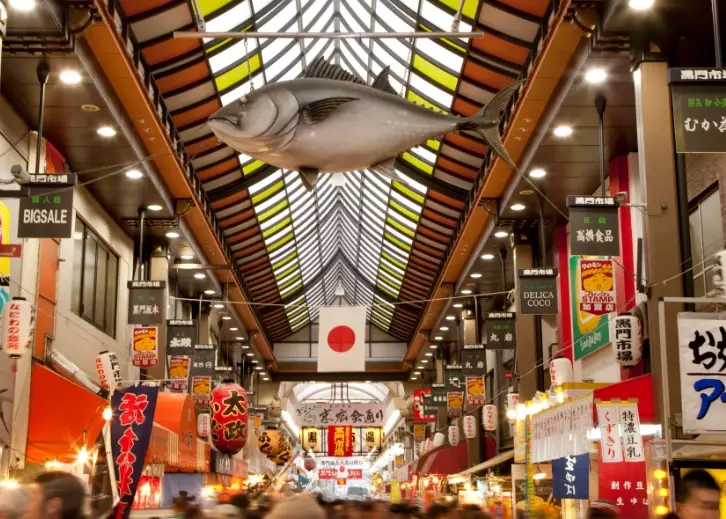
So, is Kuromon Market worth it? Absolutely. But going in blind is a surefire way to have a mediocre time. This guide is about changing that.
First Things First: What Exactly IS Kuromon Market?
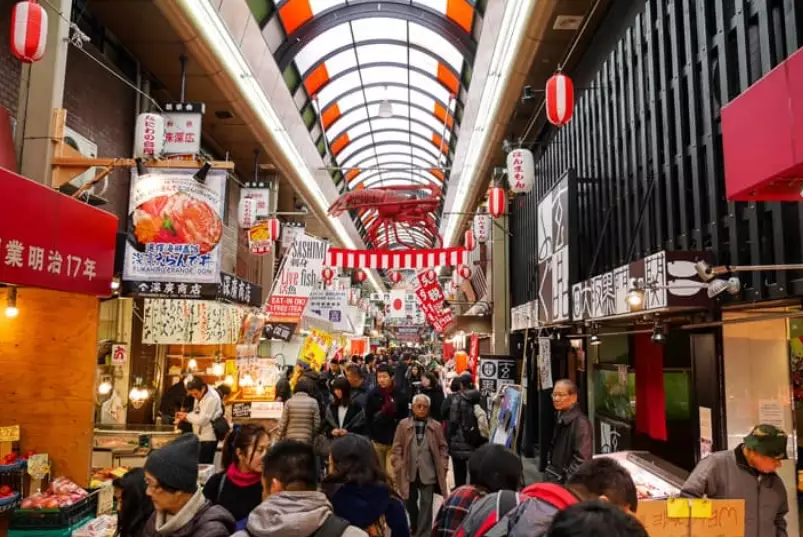
Kuromon Ichiba (黒門市場) is a roughly 600-meter long covered shopping street in Osaka's Nipponbashi district. Its history goes back over 190 years, starting as a local fish market. The "Kuro-mon" or "Black Gate" name comes from a nearby black-painted gate of a temple. While the tsunami of tourism has transformed its surface, the heart of the market is still a bustling wholesale and retail hub. You'll see Michelin-starred restaurant chefs in the early morning, followed by savvy local grandmothers, and then the wave of visitors from mid-morning onwards. That duality is its defining characteristic. It's not a museum piece like some old markets; it's a living, breathing, and sometimes shouting, entity.
The Golden Hour: When to Visit Kuromon Market Japan
Timing is everything. Your experience will be radically different based on the clock.
Early Bird (8:00 AM - 10:00 AM): This is the market's purest form. The air is thick with the smell of the sea and fresh produce. You'll see the serious business of food happening – crate-loads of fish being delivered, negotiations, chefs picking out the day's best cuts. The tourist-oriented snack stalls are just setting up. It's the best time for photography and to feel the market's authentic pulse. Some of the best sashimi deals are snapped up here.
Peak Tourist Rush (10:30 AM - 4:00 PM): This is the Kuromon most people know. It's packed. Shoulder-to-shoulder in places. The energy is high, the samples are plentiful, and the famous grilled scallops and crab legs are in full production. It's fun, loud, and overwhelming. Perfect for people-watching and trying a wide variety of street food, but be prepared for lines and higher prices.
Late Afternoon (After 4:30 PM): The crowd thins significantly. Many stalls start closing around 5 or 6 PM. Vendors are more likely to offer discounts on remaining fresh seafood to avoid waste. It's a more relaxed vibe, but your options are limited. Not all shops stay open late.
My personal favorite window? Weekdays between 9 AM and 11 AM. You get the tail end of the wholesale action and the beginning of the snack offerings without the worst of the crush.
Navigating the Food Maze: What to Actually Eat (and What to Skip)
This is why you're here. The array of food is staggering. But not all that glitters is gold. Based on multiple visits and some regrettable purchases, here's a breakdown.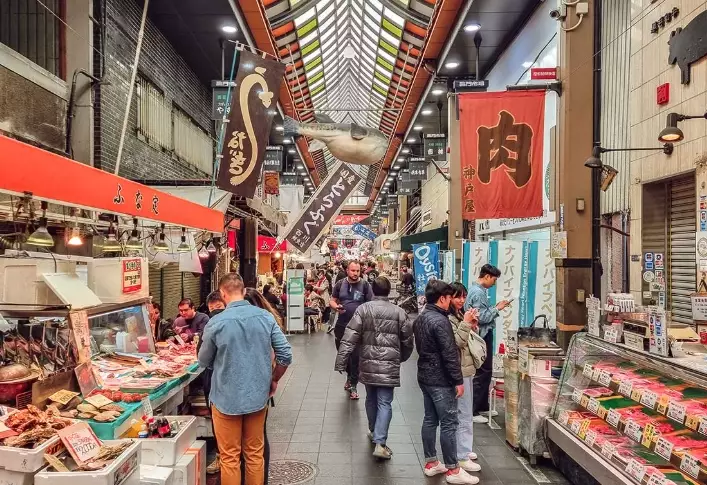
The Must-Try Hall of Fame
These are the items consistently done well by multiple vendors. You can't really go wrong.
- Freshly-Grilled Scallops (Hotate): Often cooked in the shell with a dab of butter and soy. The smell alone is irresistible. Look for stalls where they grill them fresh to order, not ones sitting under a heat lamp.
- Kobe Beef Skewers: Yes, it's touristy. But a small, reasonably priced skewer of genuine Kobe beef (look for the official certification logo) is a worthwhile splurge. The marbling melts in your mouth. Avoid the giant, overpriced steaks.
- Seasonal Fruit: Japan treats fruit like luxury jewelry. In winter, seek out the decadent, sweet mikan (mandarins) or giant strawberries. In summer, try the peach or melon slices. Expensive? Yes. A memorable treat? Absolutely.
- Tako Tamago: That iconic baby octopus stuffed with a quail egg. It's more about the novelty and perfect Instagram moment, but the sweet sauce and contrasting textures are fun.
- Fresh Oysters (Kaki): In the colder months, the oysters from Hiroshima or Miyagi are sublime—plump, clean, and briny. Eaten raw with a squeeze of lemon or quickly grilled.
Proceed with Caution
These items are hit-or-miss. You need to pick your vendor carefully.
- Giant Crab Legs: They look impressive. The reality is they are often pre-cooked, reheated, and can be dry and stringy. If you must, share one. Don't let it be your main meal.
- Uni (Sea Urchin): The quality varies wildly from sublime, sweet, and creamy to bitter and mushy. This is one item where you should absolutely not buy the cheapest option. Look for bright color and a fresh, ocean smell.
- Pre-cut Sashimi Platters: Convenient, but the fish can sit out. For the best sashimi, go to a dedicated fish counter and ask them to cut a few slices for you right there. The difference is night and day.
Here’s a quick comparison table I wish I had my first time: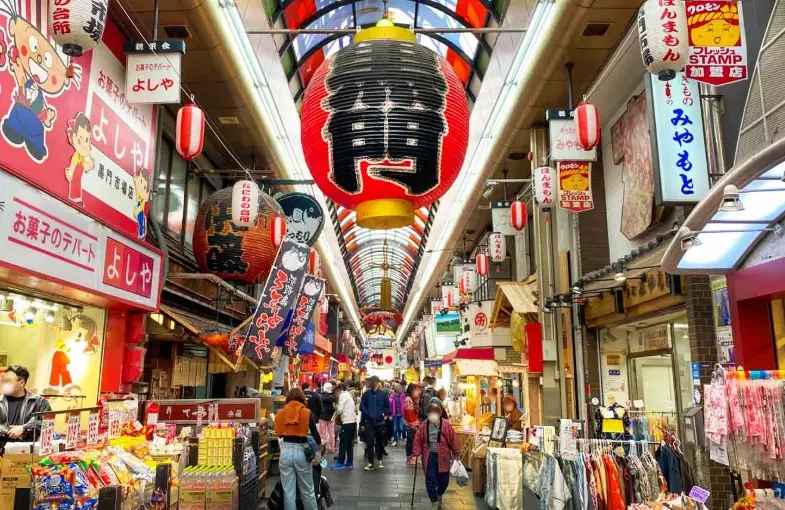
| Food Item | Best For | Typical Price Range (Yen) | Pro Tip |
|---|---|---|---|
| Grilled Scallop | A reliable, delicious snack | 500 - 1000 | Pick the busiest grill; turnover equals freshness. |
| Kobe Beef Skewer | A luxurious bite | 800 - 1500 | Verify it's certified Kobe beef, not just "Wagyu." |
| Giant Crab Leg | The photo op | 2000 - 4000 | Consider sharing. Taste often doesn't match the spectacle. |
| Tako Tamago | Novelty & fun | 300 - 500 | Eat it quickly; the egg can get rubbery. |
| Seasonal Fruit Skewer | A refreshing palate cleanser | 500 - 1200 | Winter strawberries and summer peaches are worth it. |
| Fresh Oyster | Seafood lovers in winter | 400 - 800 each | Best from Oct-Feb. Ask for the origin. |
Beyond the Bites: Shopping for Ingredients and Souvenirs
While eating is the main event, Kuromon Market Japan is also a fantastic place to buy non-perishable souvenirs and specialty ingredients. This is where you can tap into its real market function.
- Knives: Several shops sell excellent Japanese kitchen knives. This is a serious purchase. Do your research beforehand, but the selection can be great.
- Dry Goods & Tea: Look for shops selling kombu (kelp), katsuobushi (bonito flakes), high-quality soy sauce, and matcha powder. They pack easily and make fantastic gifts.
- Pickles (Tsukemono): Osaka is known for its pickles. You'll find barrels of vibrant yellow takuan (daikon radish) and other varieties.
- Kitchenware: From beautiful donburi bowls to bamboo utensils, there are quirky and practical finds.
Avoid buying fresh seafood to take back to a hotel unless you have immediate plans to eat it and proper facilities. The exception might be some pre-marinated fish ready for grilling.
The Unwritten Rules: Etiquette for a Smooth Visit
This isn't a theme park; it's a workspace for many. A little awareness goes a long way.
- Don't Block the Flow: The main alley is narrow. If you stop to look or eat, move to the side, ideally in front of the stall you're buying from. Never stop in the middle of the pathway.
- Sample Politely: Many stalls offer samples. Take one if you're interested, say "arigatou gozaimasu," and move on. Don't hover and graze.
- Cash is King: While more places accept credit cards now, especially the tourist-focused ones, many smaller, older vendors only take cash. Have plenty of yen on hand.
- Pointing is Fine: If there's a language barrier, pointing and simple phrases like "kore, onegaishimasu" (this one, please) work perfectly.
- Trash Disposal: Public trash cans are incredibly rare in Japan. Most food stalls will have a small bin for waste from their product only. It's polite to finish your snack near the stall you bought it from and use their bin. Consider carrying a small plastic bag for your own trash.
Kuromon Market FAQs: Answering Your Real Questions
Kuromon Market FAQs: Answering Your Real Questions
Let's tackle the stuff you're actually searching for.
How do I get to Kuromon Market?
It's very easy. The closest stations are Nipponbashi Station (on the Sakaisuji Line, Sen-Nichimae Line, and Kintetsu Line) and Namba Station (a major hub for multiple lines, including JR). From Nipponbashi, it's a 2-minute walk. From Namba, it's about a 5-10 minute walk through the bustling shopping streets. Signage is plentiful. For the most accurate train schedules and maps, the official Osaka Station guide is a reliable resource, though for a simple trip like this, Google Maps is perfectly fine.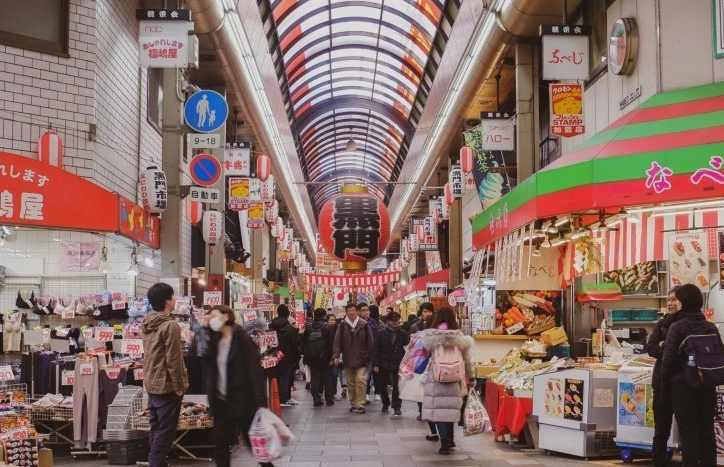
Is it better than Nishiki Market in Kyoto?
Apples and oranges. Nishiki is narrower, more cramped, and feels more traditionally preserved. It has a higher density of pickles, tea, and kitchenware shops. Kuromon is wider, louder, and has a much bigger focus on fresh seafood and hearty, grilled street food. Kuromon feels more robust and working-class; Nishiki feels more refined and historic. I prefer Kuromon for a lively, filling food crawl and Nishiki for ingredient shopping and atmosphere.
Is the food safe for tourists?
Generally, yes, Japan has extremely high food safety standards. However, use common sense. Avoid raw shellfish if you have a sensitive stomach. Eat cooked items that are hot and fresh. The biggest risk for most people is simply overeating!
Can I find vegetarian or vegan food?
It's challenging, but not impossible. Kuromon is a seafood and meat paradise. Look for takoyaki (can be made without octopus, ask for "tako nashi"), imagawayaki (sweet bean-filled cakes), roasted chestnuts, fresh fruit, and some pickle stalls. There are also a few sit-down restaurants on the side streets that might have veg options. Don't expect a wide selection, though.
How much money should I bring?
If you plan to eat a meal's worth of street food (e.g., a few skewers, a scallop, some fruit, a drink), budget at least 3,000 to 5,000 yen per person. If you want to try Kobe beef or king crab, obviously more. Bringing 10,000 yen in cash per person is a safe bet for a generous food tour.
The Hidden Gems: Where the Locals Go
The main artery gets all the attention, but the real character—and often better value—is in the smaller perpendicular alleys and the shops that have been there for decades.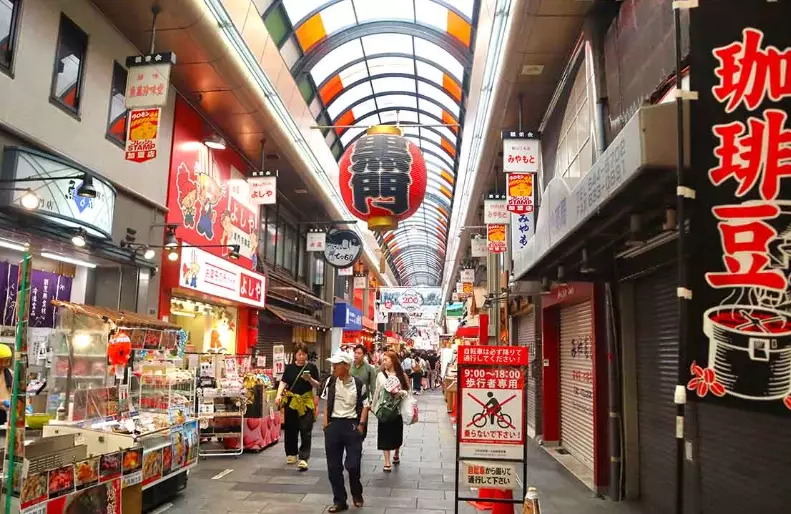
Look for:
- The tiny, standing-only sushi bars tucked in the side alleys. They often cater to market workers and have incredibly fresh, reasonably priced nigiri.
- Shops selling kamaboko (fish cake) in myriad shapes and colors. They often give free samples and it's a unique taste.
- Stalls specializing in one thing, like only unagi (eel) or only ikura (salmon roe). Their expertise is usually evident in the quality.
One of my best finds was a small vendor at the far end (closer to Nipponbashi station) who sold nothing but different grades of tamagoyaki (Japanese omelette). The sweet, layered one I bought was a revelation—far better than any I'd had in a convenience store.
"The soul of Kuromon isn't in the giant crab ads. It's in the older woman meticulously arranging her pickles, or the fishmonger deftly filleting a tuna for a regular customer. Slow down and watch those moments."
Final Thoughts: Making Kuromon Market Your Own
Visiting Kuromon Market Japan is an experience, not just a meal. Embrace the chaos but don't be ruled by it. Go early, wander the side lanes, talk to a vendor (even with gestures), and don't feel pressured to try every viral food item. Pick what looks good to you.
Is it touristy? Yes. Is it commercialized in parts? Absolutely. But underneath that, it's still a vital, functioning market. That tension is what makes it fascinating. You're not getting a pristine, historical artifact; you're getting a messy, delicious, and utterly alive slice of Osaka. Come with an appetite, comfortable shoes, a stack of cash, and a sense of adventure. You'll leave full in more ways than one.
And if you do overpay for that giant crab leg? Don't sweat it. Consider it the price of admission to one of Japan's most unforgettable food stages. Just make sure your next stop is that tiny standing sushi bar in the alley.