Quick Guide
- Where It All Comes From: The Three Pillars (And The Secret Fourth)
- Your Non-Negotiable Eat List: The Must-Try Dishes
- The Ultimate Malaysian Street Food & Hawker Guide
- Navigating the Practical Stuff: A Traveler's FAQ
- Digging Deeper: Beyond the Plate
- The Regional Battle: Where to Go for What Food
- Final Bites: How to Not Be a Clueless Tourist
Let's be honest. When most people think about the cuisine in Malaysia, they picture a busy food court with a dozen stalls. It's not wrong, but it's like describing the ocean as "a bit wet." It misses the point entirely. The food here is a living, breathing story. It's the result of centuries of trade, migration, and communities deciding that sharing a kitchen was better than fighting over one. You get Malay heart, Chinese wok-hei, Indian spice, and influences from the Portuguese, British, and indigenous tribes all on one plate. Sometimes literally.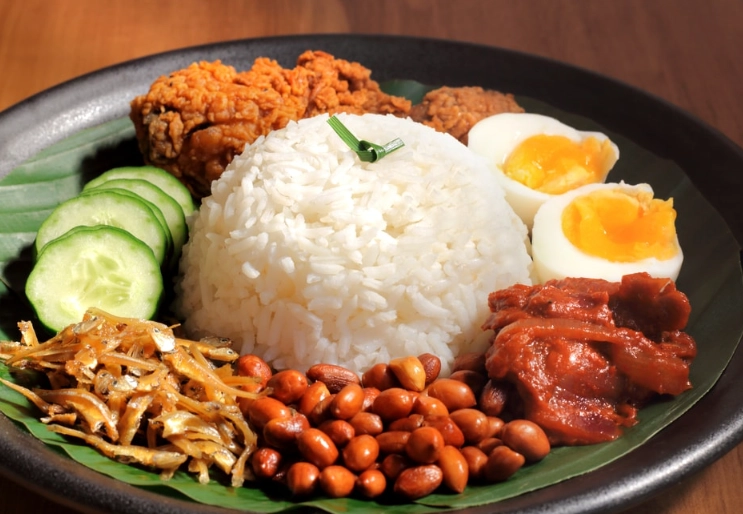
I remember my first real taste of it, beyond the airport hotel buffet. It was a plate of Char Kway Teow from a guy operating out of what looked like a converted garden shed. The smoke, the sizzle, the smell of shrimp paste and chili hitting the hot metal. It was chaotic and perfect. That's the cuisine in Malaysia in a nutshell—organized chaos that somehow makes sense only when you eat it.
Where It All Comes From: The Three Pillars (And The Secret Fourth)
You can't talk about food in Malaysia without understanding who makes it. It's built on three major culinary traditions, but there's a fourth, often-overlooked element that ties it all together.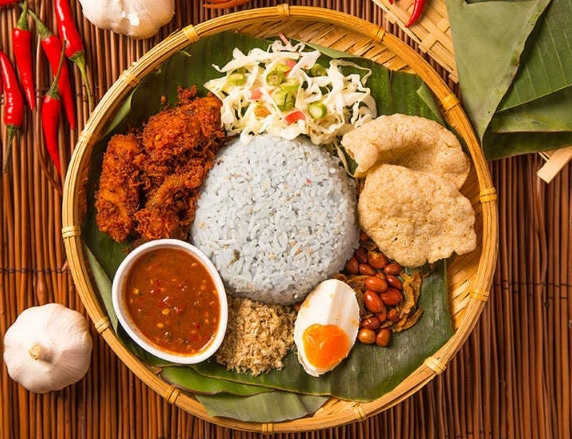
The Malay Foundation: Spice Pastes and Coconut Milk
This is the soul food. Dishes are often built on a "rempah," a complex spice paste ground fresh from ingredients like lemongrass, galangal, turmeric, chilies, and shallots. It's slow-cooked until the oil separates—that's the sign of a good rempah. Coconut milk is the other star, adding richness and mellowing out the spices. Think creamy, fragrant curries (like Gulai), dry-spiced grilled meats (Satay), and rice cooked in coconut milk (Nasi Lemak). It's hearty, aromatic, and often deceptively spicy. The cuisine in Malaysia leans heavily on these techniques, and you can taste the history in every bite.
The Chinese Influence: Wok Skills and Noodle Mastery
This is the fiery, smoky, technical side. Chinese-Malaysian, or "Nyonya" (Peranakan) cuisine, is a fusion born in the Straits Settlements like Penang and Malacca. It takes Chinese cooking methods and marries them with local ingredients. The result? Dishes where technique is king. Char Kway Teow needs a blisteringly hot wok to get that smoky flavor. Hokkien Mee is all about a rich, pork-and-prawn broth simmered for hours. It's bold, savory, and packed with umami. This branch of Malaysian food is what you crave after a long day.
The Indian Contribution: Breads and Spice Blends
This is the vibrant, aromatic crowd-pleaser. Indian-Malaysian food isn't just curry (though their Fish Head Curry is legendary). It's about flatbreads like Roti Canai—flaky, crispy, and perfect for mopping up dhal. It's about Banana Leaf Rice, where you eat a mountain of rice and various curries off a banana leaf with your hands. The spice blends here are complex but balanced—warming, not just hot. You'll find Mamak (Muslim Indian) stalls everywhere, open late, serving Roti Telur and sweet Teh Tarik (pulled tea). It's the comfort food backbone of the cuisine in Malaysia.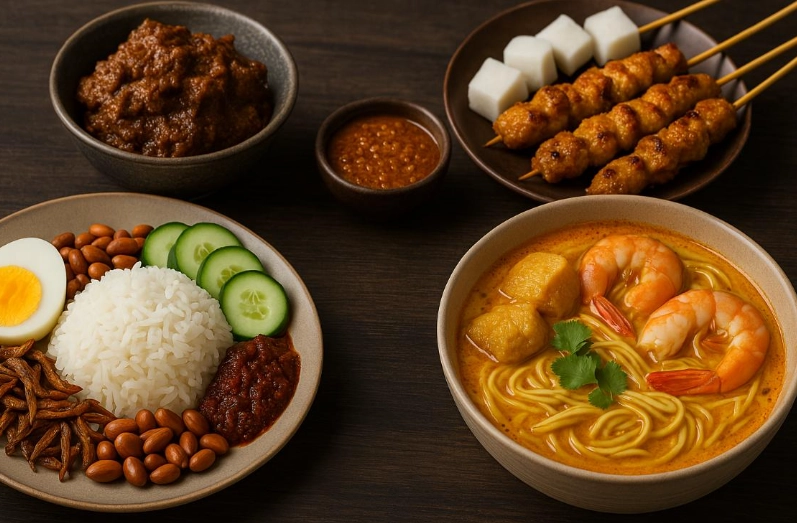
The Secret Fourth Pillar: The Indigenous & Regional Wildcards
This is what most guides skip. In East Malaysia (Borneo), the food of the Kadazan-Dusun, Iban, and other indigenous groups is a revelation. It's about ingredients you won't find elsewhere. Umai is a Melanau dish of raw fish "cooked" in lime juice and chili, similar to ceviche but with a local twist. Midin is a crunchy jungle fern stir-fried with belacan (shrimp paste). There's a use of souring agents like asam gelugur and ingredients from the rainforest that create a flavor profile totally distinct from the Peninsula. Ignoring this is like reading only the first half of a book.
Your Non-Negotiable Eat List: The Must-Try Dishes
Forget fancy restaurants for a moment. The heart of Malaysian food beats in hawker stalls, kopitiams (coffee shops), and night markets. If you try nothing else, make it these. I've ranked them not by popularity, but by what I think gives you the best understanding of the flavor spectrum.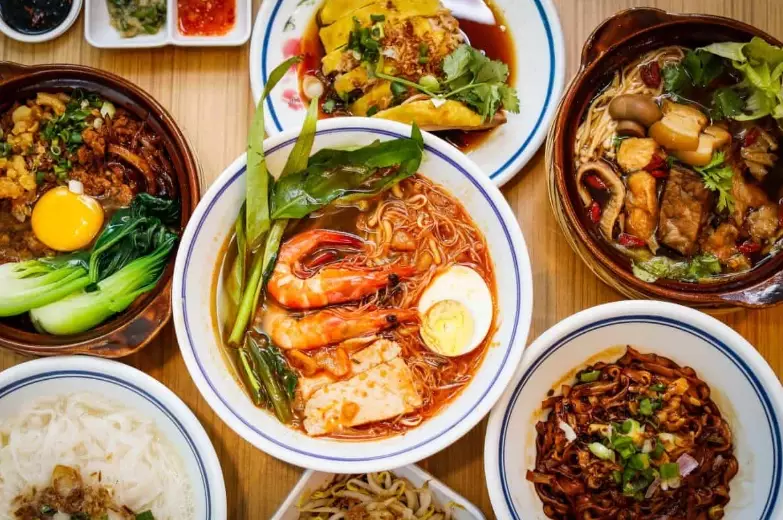
Top Tier: The National Icons
Nasi Lemak: The unofficial national dish. It seems simple: coconut rice, sambal, crispy anchovies (ikan bilis), roasted peanuts, cucumber, and a hard-boiled egg. But when each component is perfect—the rice fragrant, the sambal sweet-spicy-tangy, the anchovies crunchy—it's a symphony. You can get a basic packet for breakfast or one topped with fried chicken or rendang for a full meal. It's the best introduction to the cuisine in Malaysia you can get.
Char Kway Teow: Flat rice noodles stir-fried in a searing hot wok with dark soy sauce, shrimp, bloody cockles (don't be scared, they add a metallic sweetness), bean sprouts, Chinese chives, and often a slice of Chinese sausage. The key is "wok hei," that breath-of-the-wok, slightly charred flavor. A bad version is greasy and bland. A good version is smoky, savory, and unforgettable. Penang is the holy grail for this.
Second Tier: The Flavor Bombs
Laksa: This is where the argument starts. There are two main wars: Asam Laksa (Penang) and Curry Laksa (everywhere else). Asam Laksa is a sour, fish-based broth with tamarind, flaked mackerel, mint, and pineapple. It's a shock to the system—tangy, spicy, herbal. Curry Laksa is a coconut milk-based curry broth with noodles, tofu puffs, shrimp, and chicken. Rich, spicy, and comforting. Which is better? Try both. It's the best way to experience the diversity of Malaysian food.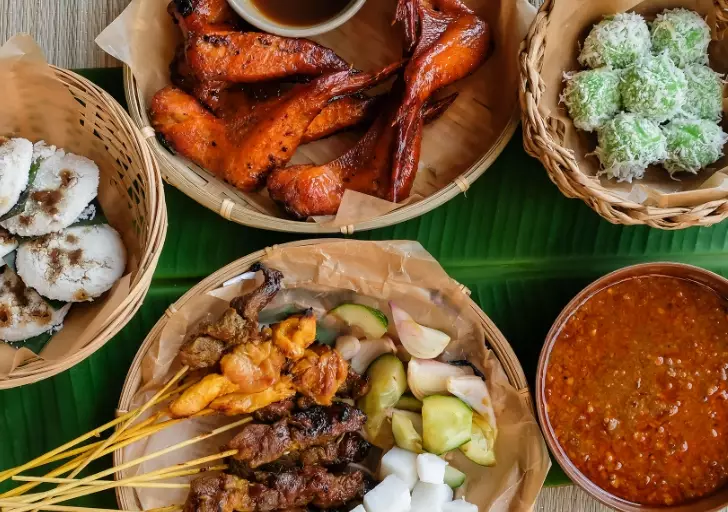
Roti Canai: The ultimate snack. It's a dough that's flipped, stretched, and clapped until paper-thin, then folded and griddled to buttery, flaky perfection. Served with a small bowl of dhal (lentil curry) or fish/chicken curry for dipping. Watching the mamak uncle make it is a show in itself. For breakfast, get it with an egg cracked inside (Roti Telur).
Third Tier: The Unsung Heroes
Rendang: Often called a curry, but it's really a dry beef stew. Beef is slow-cooked for hours in coconut milk and a rempah until the liquid evaporates and the spices caramelize into a dark, rich coating on the tender meat. It's a labor of love. A good rendang shouldn't be swimming in sauce. It's a celebration dish, often served at festivals.
Cendol: The dessert you need in the equatorial heat. Shaved ice, coconut milk, palm sugar syrup (gula melaka), and green rice flour jelly noodles that taste like pandan. Sometimes with red beans or sweet corn. It's sweet, cold, creamy, and ridiculously refreshing. Don't leave without trying it.
The Ultimate Malaysian Street Food & Hawker Guide
Navigating a hawker center can be overwhelming. Here’s a practical breakdown of what to look for and where to find the best versions of key dishes. This table is based on my own gluttonous research and consensus from locals.
| Dish | What It Is | Best Place to Find It | Pro-Tip / What to Ask For |
|---|---|---|---|
| Nasi Lemak | Coconut rice with sambal, sides. | Anywhere for breakfast. Famous spots: Village Park (KL for rendang topping), Nasi Lemak Antarabangsa. | Say "Nasi Lemak ayam goreng" for fried chicken. Ask for "sambal tambah" for extra sambal. |
| Char Kway Teow | Stir-fried flat rice noodles. | Penang is king. Lorong Selamat, Siam Road. In KL, try Restoran Meng Kee. | Specify "hum" (cockles) if you want them, "taugeh" (bean sprouts). Ask for less oil if you're wary. |
| Asam Laksa | Sour, fish-based noodle soup. | Penang. Air Itam Laksa near the Kek Lok Si temple is iconic. | It's an acquired taste. Add the shrimp paste (hae ko) provided on the side to adjust the flavor. |
| Roti Canai | Flaky flatbread with curry dip. | Any Mamak stall, 24/7. Valentine Roti in KL or any busy local spot. | Try Roti Telur Bawang (with egg & onion) or Roti Pisang (with banana) for variety. |
| Satay | Marinated, skewered grilled meat. | Satay Kajang Haji Samuri is a famous chain. Jalan Alor in KL has good options. | Order a mix of chicken (ayam) and beef (daging). The peanut sauce (kuah kacang) is key. |
| Hainanese Chicken Rice | Poached chicken with fragrant rice. | Everywhere. Nam Heong or Eminent in KL's Petaling Street area. | Get the roasted version (shiu ngap fan in Cantonese) for more flavor. Don't skip the chili-ginger dip. |
Use this as a cheat sheet, not a bible. The best find is often the stall around the corner from your hotel that's packed with taxi drivers.
Navigating the Practical Stuff: A Traveler's FAQ
Alright, so you're hungry and ready to explore. Here are the real questions people have before they dive in.
Is the cuisine in Malaysia safe for travelers to eat?
Generally, yes, extremely. The high turnover at popular stalls means food doesn't sit around. Use common sense: drink bottled or filtered water, maybe avoid ice in very remote areas (though in cities, it's usually fine from established places), and see the "queue rule" above. Your main concern will likely be spice levels, not food poisoning.
How spicy is it really? Can I handle it?
It can be very spicy. Sambal and fresh chilies are ubiquitous. The good news? You can almost always ask for less spice. Learn the phrase "Kurang pedas" (less spicy) or "Tidak mau pedas" (don't want spicy). Most vendors will accommodate. Start mild and work your way up. And have a sweet Teh C Peng (iced tea) or Cendol on standby to cool your mouth.
What about dietary restrictions? Halal, vegetarian, etc.?
Halal: Malay food stalls and Mamak stalls are always Halal. Chinese stalls often are not (they may use pork or alcohol). Look for the Halal certification sign (a square with Arabic script) or simply ask, "Ada babi?" (Is there pork?).
Vegetarian: It's challenging but doable. Indian vegetarian restaurants (look for "vegetarian" or "sayur") are your best bet. At Chinese stalls, you can find dishes like Kangkung Belacan (water spinach) or fried rice without meat, but be aware the wok may have been used for meat and shrimp paste (belacan) is a common flavoring. Be clear: "Saya vegetarian, tidak makan daging, ikan, atau belacan."
How much does food cost?
One of the best things about Malaysian food is the value. At a hawker center or kopitiam, you can get a fantastic meal for RM 10-20 (roughly USD 2-4.50). A plate of Char Kway Teow might be RM 8-12. A serving of satay (5-10 sticks) RM 10-15. Even in a mid-range restaurant, a meal rarely breaks RM 50 per person. It's a paradise for budget eaters.
Digging Deeper: Beyond the Plate
Food here isn't just fuel. It's social glue, a point of pride, and a window into history. Understanding a bit of that context makes eating it so much richer.
The concept of "makan" (to eat) is central. "Sudah makan?" (Have you eaten?) is a common greeting. Meals are shared. Going to a hawker center with friends means ordering several different dishes for the table and everyone digging in. It's communal.
Then there's the history on a plate. The Peranakan (Nyonya) culture, for example, is a unique blend of Chinese immigrants and local Malays that started in the 15th century. Their cuisine, with dishes like Ayam Pongteh (a soy-based chicken stew) and Kueh (intricate, colorful sweets), is a direct edible record of that fusion. You can learn more about this fascinating culture from resources like the Penang State Museum or the Peranakan Museum in Singapore, which offers deep dives into the shared heritage of the Straits Chinese.
Even the humble Kopi (coffee) has a story. The beans are traditionally roasted with margarine and sugar, giving the brew a unique, almost chocolatey, savory depth. Ordering it is a ritual: Kopi O (black coffee with sugar), Kopi C (with evaporated milk), Kopi Peng (iced).
The Regional Battle: Where to Go for What Food
Malaysia isn't a monolith. Geography changes the cuisine in Malaysia dramatically.
- Penang: The undisputed food capital. Focus here is on hawker food and Peranakan cuisine. Musts: Asam Laksa, Char Kway Teow, Hokkien Mee, Cendol. The food is often sharper, tangier, and more seafood-focused.
- Kuala Lumpur: The melting pot. You can find excellent versions of everything from all over the country and it's the best place for high-end interpretations of local dishes. Great for Mamak food and Chinese seafood restaurants.
- Malacca: The historical heart of Peranakan culture. Famous for Satay Celup (satay fondue), Chicken Rice Balls, and rich, sweet desserts like Bubur Cha Cha.
- East Malaysia (Sabah & Sarawak): A whole different world. Try Sarawak Laksa (a distinct, sambal-based curry laksa), Kolo Mee (springy dry noodles with minced pork), and the indigenous dishes mentioned earlier like Umai.
If you have time, pick a region and dive deep. If not, KL gives you a fantastic sampler platter of the nation.
Final Bites: How to Not Be a Clueless Tourist
A few last pieces of unsolicited advice to make your culinary adventure smoother.
First, learn a few words. "Terima kasih" (thank you), "Minta" (please/ I would like), and the spice-related phrases go a long way. Pointing and smiling works, but effort is appreciated.
Second, embrace the chaos. Hawker centers are loud, hot, and sometimes confusing. Find a seat (sometimes you can share a table), note your table number, then go order from different stalls. They'll bring the food to you. Pay at the stall when you order or when the food arrives. It's a system, I promise.
Third, be adventurous but listen to your gut. That weird-looking fruit? Ask what it is (Buah apa ini?). That unidentifiable fried thing? Try it. But if a place feels genuinely sketchy, just walk away. There are a thousand other stalls.
Finally, remember that exploring the cuisine in Malaysia is a journey, not a checklist. You won't try everything. I've been multiple times and I still have a list as long as my arm. The goal is to enjoy the process—the smells, the sounds, the sweat on your brow from a good sambal, and the sheer joy of discovering a new favorite dish in the most unassuming place.
It's more than just food. It's the story of Malaysia, served on a plate, a banana leaf, or in a little plastic bag. Just dig in.