Your Flavorful Journey Map
- The Three Pillars of Flavor: Malay, Chinese, Indian
- You Can't Leave Without Trying These: The Essential Malaysian Dishes
- The Building Blocks: Flavors That Define Malaysian Cuisine
- Where and How to Eat Like a Local
- Beyond the Peninsula: Food in East Malaysia
- Answering Your Burning Questions (FAQ)
- Final Thoughts: Dive In and Explore
Let's talk about Malaysian food. Seriously, if you haven't tried it, you're missing out on one of the world's most thrilling culinary adventures. It's not just one thing – it's a beautiful, chaotic, delicious mess of cultures all shouting for attention on your plate. Imagine Chinese wok skills meeting Indian spice blends, all wrapped up in Malay hospitality and cooked under the Southeast Asian sun. That's cuisine Malaysia for you.
I remember my first real encounter with it. It wasn't in a fancy restaurant, but at a sticky, humid night market in Kuala Lumpur. The air was thick with the smell of charcoal, frying shallots, and something sweet and spicy I couldn't name. One bite of a satay skewer, dipped in that rich peanut sauce, and I was hooked. I spent the next two weeks eating my way through the country, from breakfast roti canai to midnight bowls of curry laksa. It was glorious.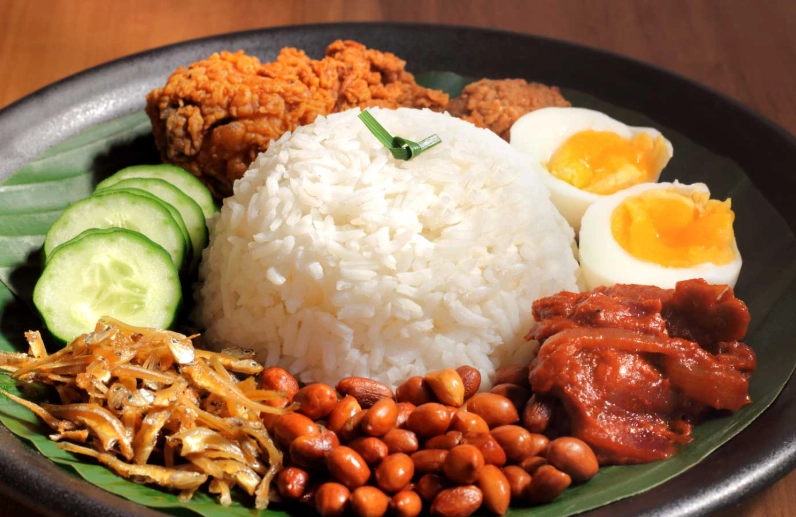
The Heart of It All: What defines Malaysian cuisine isn't a single ingredient or technique. It's the story of a trading port crossroads. For centuries, Malays, Chinese, Indians, Arabs, and later the British and Portuguese, all landed here, brought their recipes, and then swapped them with their neighbors. The result? A national menu that's proudly mixed, forever evolving, and unapologetically bold.
The Three Pillars of Flavor: Malay, Chinese, Indian
To get your head around Malaysian food, it helps to break it down by its main cultural contributors. But remember, the lines are deliciously blurry.
Malay Food: The Aromatic Foundation
This is where it all starts. Traditional Malay cooking is deeply aromatic, often using fresh herbs you pound into a paste (rempah) as the base for almost everything. Think lemongrass, galangal, turmeric, and kaffir lime leaves. Coconut milk (santan) is a star, adding creaminess and balancing the heat.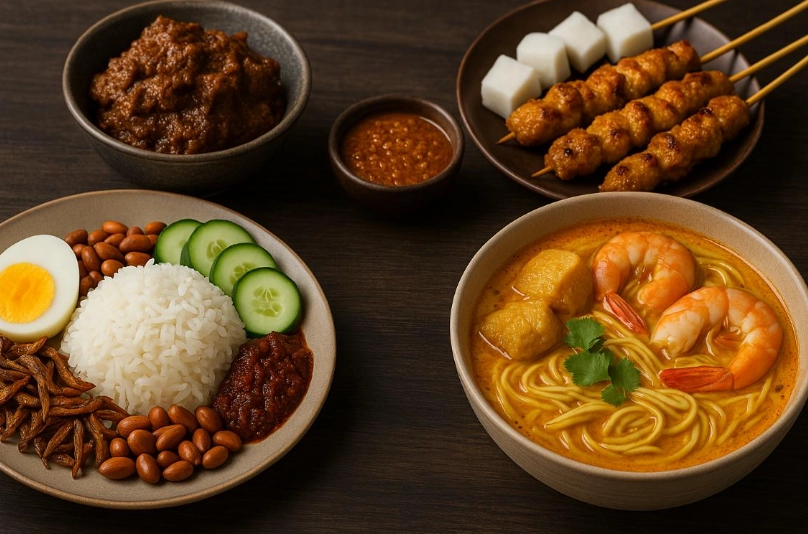
Dishes are often slow-cooked or simmered, letting all those flavors marry. It's hearty, communal food meant for sharing. You'll find a lot of grilled or steamed fish, rich coconut-based curries (gulai), and salads (kerabu) bursting with fresh herbs and a tangy dressing.
A must-try? Rendang. Don't call it a curry. It's a dry beef stew cooked for hours in coconut milk and spices until the sauce caramelizes and clings to the tender meat. It's a labor of love and, in my opinion, one of the world's great dishes.
Chinese-Malaysian Food: The Wok's Fury
When Chinese immigrants arrived, they adapted. Local ingredients met Cantonese and Hokkien techniques, and magic happened. This is where the wok hei – that breath of the wok, the smoky char – becomes king.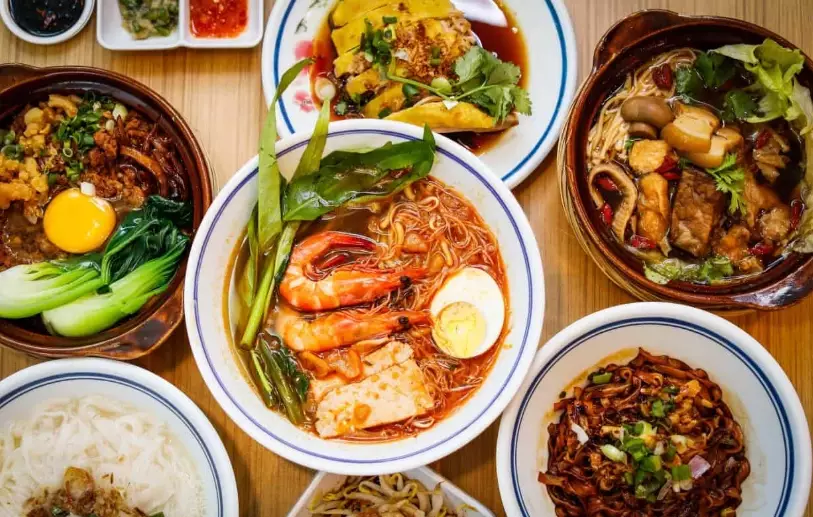
Stir-fried noodles are a national obsession. The flavors are often sharper, leaning on soy sauce, dark soy, oyster sauce, and fermented beans. But they've been localized. Chillies found their way in. So did local shrimp paste (belacan).
Pro Tip: The Chinese-Malaysian community is also responsible for much of the amazing hawker food. They run a huge number of the stalls you'll see at food courts and markets.
Indian-Malaysian Food: The Spice Route's Gift
Primarily from South India, this influence brought the glorious world of curry leaves, mustard seeds, tamarind, and complex spice powders. It gave Malaysia its love affair with flatbreads, like the flaky, crispy roti canai you tear apart and dunk into dhal or fish curry for breakfast.
Banana leaf restaurants are a quintessential experience. You get a huge leaf as a plate, piled with rice, an array of vegetable dishes (poriyal), pickles, papadum, and your choice of curry. Eating with your right hand is encouraged. It's messy, fun, and incredibly satisfying.
And then there's mamak food. Mamak refers to Tamil Muslims, and their stalls are the country's 24-hour social hubs. They serve a unique subset of Indian-Malaysian dishes like murtabak (a stuffed, pan-fried bread), nasi kandar (rice with your choice of curries), and sweet, pulled tea (teh tarik).
You Can't Leave Without Trying These: The Essential Malaysian Dishes
Okay, let's get practical. Here's my personal, utterly non-definitive but highly opinionated list of dishes you simply must seek out. Consider it your edible bucket list for cuisine Malaysia.
| Dish Name | What Is It? | Key Flavors | Where to Find It Best |
|---|---|---|---|
| Nasi Lemak | The unofficial national dish. Coconut rice served with sambal, crispy anchovies, roasted peanuts, cucumber, and a hard-boiled egg. Often comes with add-ons like fried chicken or rendang. | Rich, creamy, spicy, savory, crunchy. | Everywhere. From humble roadside packets to hotel breakfast buffets. A good stall is judged by its sambal. |
| Char Kway Teow | Flat rice noodles stir-fried in a very hot wok with dark soy, prawns, bloody cockles, Chinese sausage, bean sprouts, and chives. The quest for the perfect "wok hei" is real. | Smoky, savory, slightly sweet, umami. | Penang is the holy grail. Look for a stall with a long queue and a grumpy-looking uncle wielding a mighty wok. |
| Satay | Marinated meat (chicken, beef, or mutton) skewered and grilled over charcoal. Served with a spiced peanut sauce, raw onion, cucumber, and compressed rice cakes (ketupat). | Smoky, savory, nutty, slightly sweet from the marinade. | Night markets (pasar malam) or dedicated satay restaurants. Kajang, a town near KL, is famous for it. |
| Laksa | A spicy noodle soup. Two main types: Curry Laksa (coconut-based, with cockles and tofu puffs) and Asam Laksa (tamarind-based, fishy, with shredded mackerel and mint). | Rich, spicy, sour (especially Asam Laksa), herbal. | Curry Laksa is common in KL. For the best Asam Laksa, you must go to Penang. |
| Bak Kut Teh | Literally "meat bone tea." A hearty soup of pork ribs simmered for hours with garlic, soy sauce, and a secret blend of herbs and spices (star anise, cinnamon, dong quai). | Peppery, garlicky, herbal, deeply savory. | Best in Klang, the port town where it originated. Eaten with rice, youtiao (fried dough sticks), and strong tea. |
| Roti Canai | The ultimate breakfast. A flaky, crispy, chewy Indian flatbread, fried on a griddle and served with dhal (lentil curry) or other curries for dipping.Buttery, savory, crispy, perfect with spicy dip. | Mamak stalls, early in the morning. Watch the chefs slap and twirl the dough – it's a show in itself. | |
| Hainanese Chicken Rice | Deceptively simple. Poached chicken served at room temperature, incredibly tender and smooth, with fragrant oily rice cooked in chicken broth, and sides of chili-ginger sauce and dark soy. | Clean, subtle, fragrant. The flavor is in the quality of the chicken and the rice. | Found in Chinese coffee shops (kopitiam). A dish where simplicity is everything. |
| Cendol | The classic dessert. Shaved ice, green rice flour jelly noodles, red beans, coconut milk, and palm sugar syrup (gula melaka). The ultimate refreshment on a sweltering day. | Sweet, creamy, cold, with a unique texture from the jelly. | Dedicated dessert stalls or at the end of a meal in a mamak. The quality of the gula melaka makes or breaks it. |
See what I mean? Just reading that list makes me hungry. And we've barely scratched the surface. There's ikan bakar (grilled fish), otak-otak (spiced fish cake grilled in banana leaf), popiah (fresh spring rolls), roti john... the list is endless.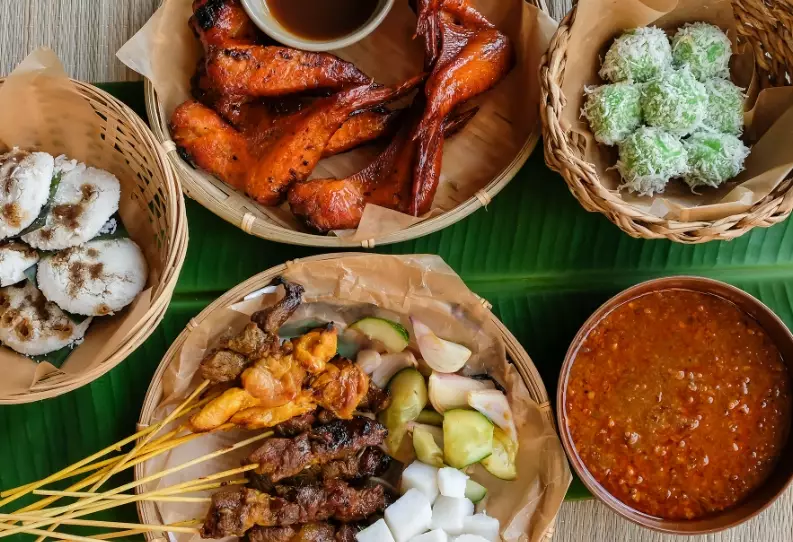
A Word of Caution: Don't make the mistake of thinking all Malaysian food is unbearably spicy. Yes, chilli is a key player, but many dishes are about balance. The heat in a good sambal is there to complement, not obliterate. And you can always ask for less spice ("kurang pedas"). But where's the fun in that?
The Building Blocks: Flavors That Define Malaysian Cuisine
So what are the secret weapons in the Malaysian kitchen? What gives Malaysian cuisine that unmistakable taste?
- Sambal: This is the mother sauce. A chilli-based paste that can be raw, cooked, sweet, sour, or fermented. Every family has their own recipe. Sambal belacan (with shrimp paste) is a classic condiment.
- Belacan: Fermented shrimp paste. It smells... potent. But toasted and used in small amounts, it adds an incredible depth of umami funk to sambals, stir-fries, and salads. Don't be scared of it.
- Coconut Milk (Santan): The great mellower. It adds richness and body to curries, desserts, and rice dishes, rounding out sharp spices and heat.
- Lemongrass, Galangal & Turmeric (The Aromatics): The holy trinity of the rempah paste. They provide the citrusy, earthy, warm foundation for countless dishes.
- Tamarind (Asam): The source of that lip-smacking sourness in dishes like asam laksa and many fish curries. It cuts through richness beautifully.
- Gula Melaka: Palm sugar. It has a deep, caramel-like, almost smoky sweetness that's miles away from white sugar. Essential for desserts like cendol.
When these elements come together, you get that complex, layered flavor profile that's spicy, sour, sweet, savory, and fragrant all at once. It's a symphony, not a single note.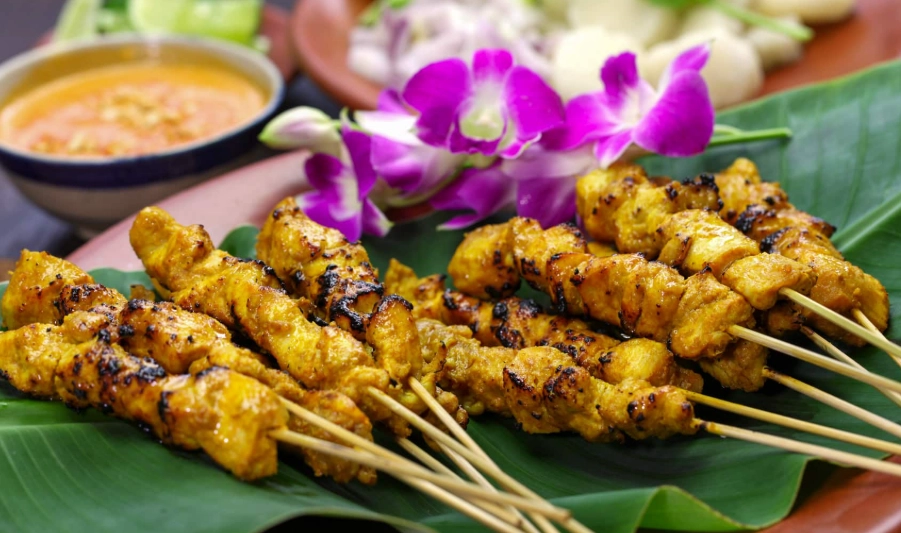
Where and How to Eat Like a Local
Forget fine dining for a moment. The soul of Malaysian food lives in more humble settings. Here’s your field guide.
Hawker Centers & Food Courts
These are open-air complexes filled with individual stalls, each specializing in one or two dishes. It's democratic, affordable, and the best way to try a variety. Grab a table (sometimes you have to share), note the table number, then go order from different stalls. They'll bring the food to you. Places like Jalan Alor in KL or Gurney Drive in Penang are famous, but sometimes the best ones are the unmarked ones in a residential neighborhood.
Kopitiam (Coffee Shops)
Traditional Chinese coffee shops. They serve strong, thick coffee (kopi) and tea (teh), along with a limited menu of classics like kaya toast (coconut jam and butter on toast), soft-boiled eggs, and noodles like Hokkien Mee. The perfect start to the day.
Mamak Stalls
The 24-hour heart of community life. Perfect for a late-night roti canai or teh tarik session. It's loud, bustling, and incredibly welcoming.
Pasar Malam (Night Markets)
A weekly traveling market that sets up on a particular street. It's not just food, but food is the main attraction. You'll find everything from fresh produce to snacks, grilled meats, and desserts. Go with an empty stomach and a sense of adventure.
"The best food advice I got in Malaysia was simple: 'Look for the queue.' If locals are willing to wait 20 minutes for a plate of noodles from a specific stall, that stall is doing something right. It's an infallible rule."
Beyond the Peninsula: Food in East Malaysia
Often overlooked, the states of Sabah and Sarawak on the island of Borneo have their own distinct culinary traditions. The indigenous groups like the Iban, Kadazan-Dusun, and others use ingredients from the rainforest and rivers.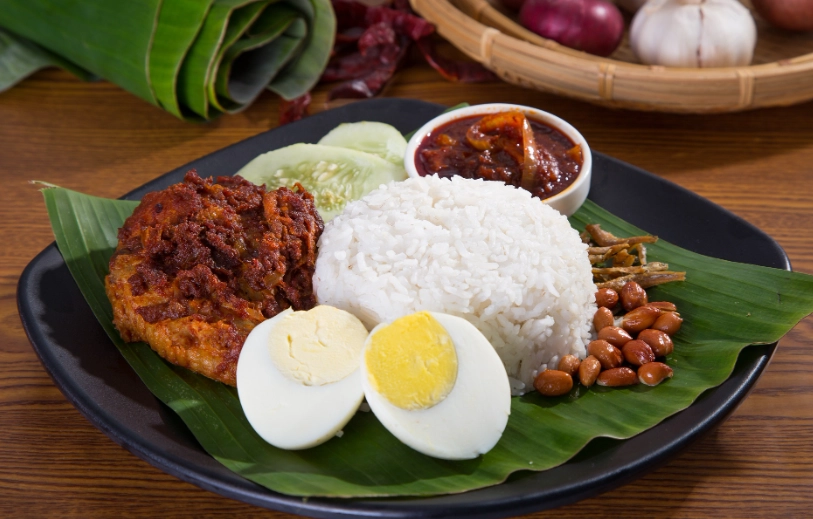
You'll find dishes like umai (a Melanau dish of raw fish "cooked" in lime juice and chilli, similar to ceviche), manok pansoh (chicken cooked in bamboo with herbs), and the infamous durian is even more revered here. Sarawak Laksa is a category of its own – a milder, more aromatic broth compared to its Penang cousin. Exploring Malaysian cuisine isn't complete without considering these Bornean flavors.
Answering Your Burning Questions (FAQ)
It can be, but it's not universally fiery. Many dishes have a gentle warmth, and the spice is layered with other flavors. Sambal is often served on the side, so you control the heat. If you're sensitive, just say "tidak mau pedas" (don't want spicy) or "pedas sikit saja" (just a little spicy).
Great question. They're siblings, but with different personalities. Thai food often has a clearer, sharper balance of sweet, sour, salty, and spicy (think tom yum). Indonesian food, especially Javanese, can be sweeter (from sweet soy sauce - kecap manis). Malaysian cuisine sits in between, but its defining feature is the distinct tripartite cultural fusion (Malay/Chinese/Indian) you find in a single meal, which is less pronounced in the others.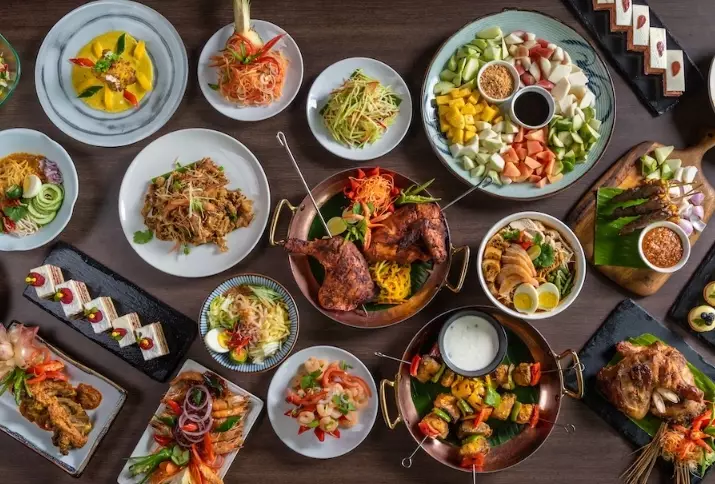
Not at all! While many dishes contain shrimp paste (belacan) or fish sauce, there are plenty of options. Indian-Malaysian vegetarian restaurants (often labeled "vegetarian" or "pure veg") are fantastic and abundant. You can get amazing roti canai with dhal, vegetable murtabak, and a huge variety of vegetable curries and stir-fries. Just ask clearly: "Saya vegetarian, ada makanan tanpa daging, ikan, belacan?"
The king of fruits. It's infamous for its smell, which people describe as anything from rotten onions to custard. It's banned in most hotels and public transport. The taste? Rich, creamy, sweet, and complex. You either love it or hate it. My advice? Try it fresh in season from a reputable vendor. Hold your nose for the first bite. It's a rite of passage for any Malaysian food explorer.
For authoritative information on Malaysia's cultural heritage, including its culinary traditions, you can visit the official portal of the Government of Malaysia. For specific cultural insights, the Department of Museums Malaysia offers resources. Internationally, the BBC's travel feature on Malaysian food provides excellent context and storytelling.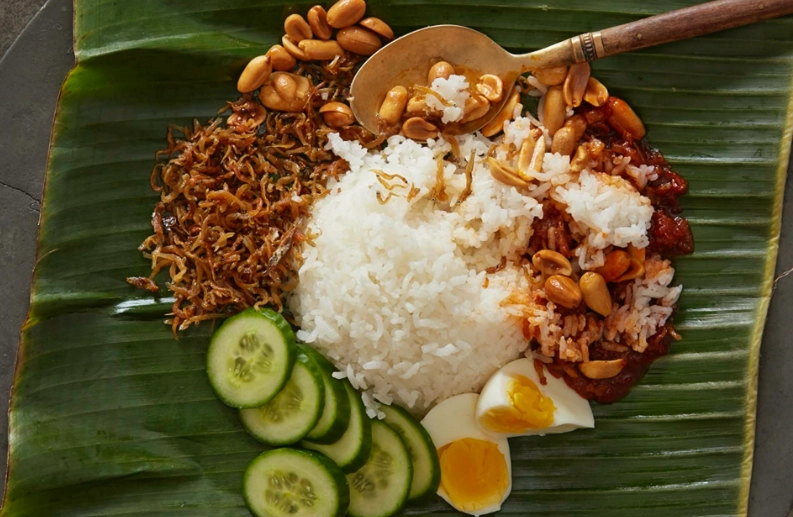
Final Thoughts: Dive In and Explore
Writing this makes me want to book a flight back immediately. Malaysian cuisine isn't something you just read about. It's something you experience with all your senses. The sizzle of the wok, the scent of pandan leaves, the vibrant colors of a market stall, the communal joy of sharing a meal.
It's democratic food. A billionaire and a taxi driver might queue at the same char kway teow stall. That's what I love about it. So go. Start with the classics on the list. Be adventurous. Talk to the stallholders. Let go of your expectations and just enjoy the glorious, messy, flavorful ride. Your taste buds will thank you.
Trust me, once you've had a proper taste of cuisine Malaysia, no other food will ever be quite the same.