Quick Guide
- What Exactly Is a Durian, Anyway?
- Navigating the World of Durian Varieties
- How to Choose and Open a Durian Like a Pro
- Is Food Durian Actually Good for You?
- From Fresh to Fancy: How to Eat Durian
- Handling the Aftermath: The Smell and Storage
- Your Durian Questions, Answered
- The Final Word on Food Durian
Let's talk about the elephant in the room, or rather, the spiky fruit in the market. Durian. You've probably heard the stories. People either worship it or run screaming from it. There's no middle ground. I was in the latter camp for years, convinced it was some kind of culinary prank. Then I tried it properly in Thailand, and my entire perspective flipped. It wasn't just about tolerating it; I started seeking it out. That's the thing about food durian—it's a complete experience, not just a taste.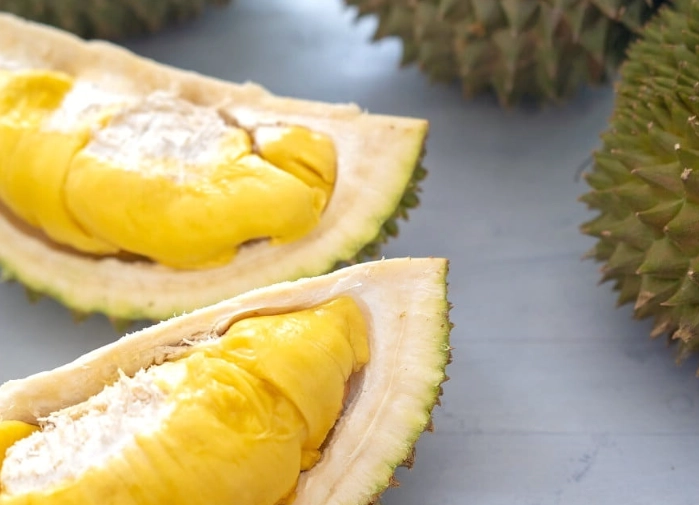
This guide isn't for the faint of heart. It's for the curious, the adventurous eater, or the person who's been handed a piece at a party and wants to know what on earth they're putting in their mouth. We're going deep. We'll crack open the science behind that infamous smell, explore the different varieties that taste nothing like each other, and even get into the kitchen. Because yes, you can cook with durian, and it's fantastic.
What Exactly Is a Durian, Anyway?
Botanically speaking, durian (Durio zibethinus) is a tropical fruit native to Southeast Asia. It grows on tall trees, and the fruit itself is a beast—a large, spiky husk protecting custard-like flesh pods inside. But calling it a fruit feels almost reductive. The texture, the intensity, the nutritional profile—it operates in its own category.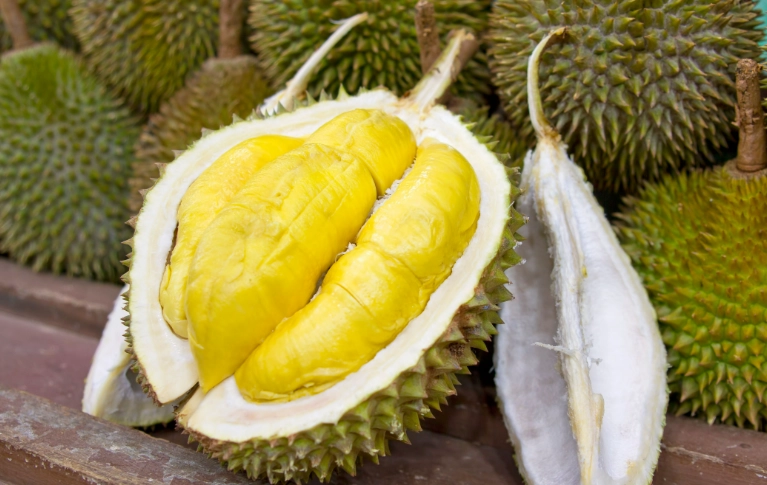
The first time I held a whole durian, I was struck by how heavy and medieval it felt. Those spikes aren't for show. In the wild, they protect the seeds from animals. For us, they make opening it a bit of a chore (more on that later). Inside, you'll find several compartments, each holding a creamy, pale yellow (sometimes orange) aril surrounding a large seed. That creamy aril is the edible part, the coveted food durian.
Its flavor profile is where words fail. People throw around descriptors like caramel, vanilla, almond, and onion all in one sentence. It sounds contradictory, but that's the magic. The base is a rich, sweet custard, but there are layers—floral notes, a hint of bitterness, a savory umami backnote. The texture is where it wins me over: impossibly creamy, almost like a rich cheesecake or flan that melts on your tongue.
And then there's the smell.
The Science of the Smell: Why Does Durian Stink?
This is the big one. The odor is the primary barrier for most people. It's been banned from hotels, airplanes, and public transport across Asia. Descriptions range from "rotting onions" and "turpentine" to "gym socks." But what's actually causing it?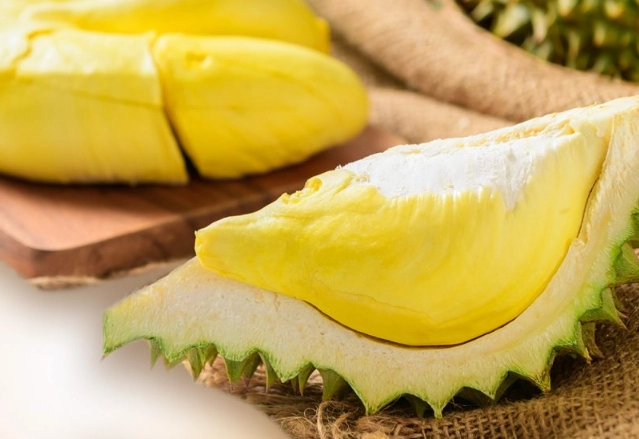
Researchers have identified a complex cocktail of volatile compounds. A key study published in the Journal of Agricultural and Food Chemistry broke it down. The smell isn't from one single villain, but a mix of compounds associated with various aromas: ethyl propionate (fruity), propyl propionate (pungent, fruity), and a bunch of sulfur-containing compounds like ethanethiol and methanethiol (think rotten cabbage, garlic). It's this sulfur group that gives durian its potent, penetrating quality.
Here's a funny thing, though. The smell intensity varies wildly. A fresh, high-quality durian that's perfectly ripe might have a strong, sweet, alcoholic aroma rather than a foul one. A durian that's overripe or of a lower-grade variety is more likely to smell offensive. So if your first encounter was with a bad specimen, you got the worst possible introduction.
Navigating the World of Durian Varieties
Thinking all durians are the same is like thinking all apples are the same. The variety is everything. It dictates flavor, texture, color, and price. In Southeast Asia, durian connoisseurs debate the merits of different types with the passion of wine sommeliers.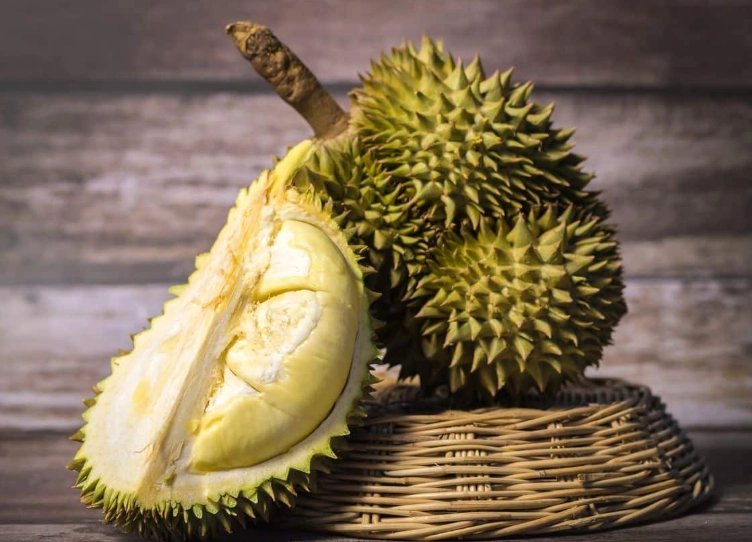
Let's look at some of the most famous and sought-after varieties. This table should help you decode what you're looking at (or tasting).
| Variety Name | Origin | Flavor Profile | Texture & Color | Key Notes |
|---|---|---|---|---|
| Musang King (Mao Shan Wang) | Malaysia | Intensely rich, bittersweet, with complex caramel and roasted almond notes. Often considered the gold standard. | Thick, creamy, bright yellow. | Has a distinctive star-shaped pattern at the base of the husk. Commandingly bitter aftertaste that fans love. |
| D24 (Sultan) | Malaysia | Bitter-sweet balance, creamy, with hints of vanilla and coffee. | Fine, smooth, pale yellow. | A classic, widely available, and a great introduction for beginners due to its balanced profile. |
| Monthong | Thailand | Milder, sweeter, less pungent. Notes of honey and vanilla. | Dryer and firmer than Malaysian types, golden yellow. | The most exported variety. Its milder smell and sweetness make it a "gateway" durian for many. |
| Black Thorn (D200) | Malaysia | Exceptionally sweet and aromatic, with floral and wine-like notes. Minimal bitterness. | Very creamy, orange-red flesh. | Rare and expensive. Named for the black thorn on its stem. A premium, dessert-like experience. |
| Red Prawn (Ang Heh) | Malaysia | Sweet, creamy, with a distinctive alcoholic or fermented fruit note. | Soft, creamy, orange-red. | Beloved for its unique flavor. Can be an acquired taste due to its fermented character. |
See what I mean? Choosing a Monthong versus a Musang King is a completely different food durian experience. The Monthong is friendly and approachable. The Musang King is an intense, bitter-sweet punch to the senses. I personally lean towards the complex bitterness of a good Musang King, but I know plenty who find it overwhelming and prefer the gentle sweetness of a Monthong.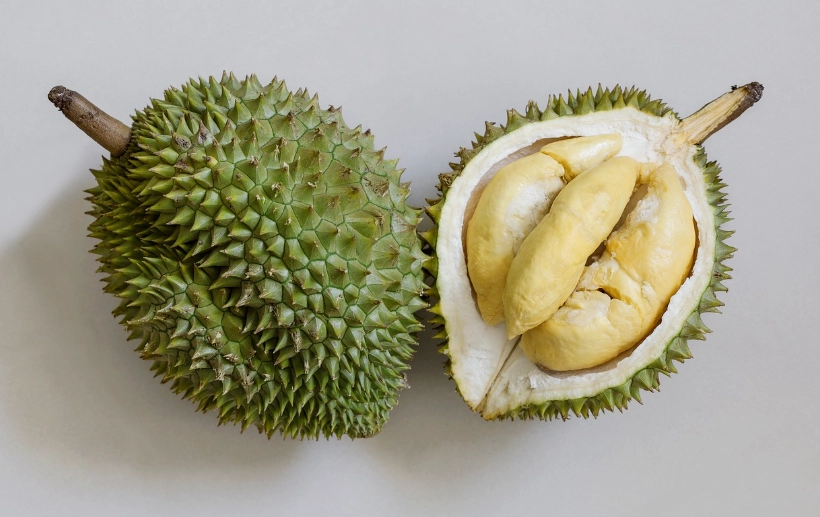
How to Choose and Open a Durian Like a Pro
This is where most people get intimidated. You're faced with this armored, smelly orb. How do you pick a good one? And then what?
Choosing the Perfect Fruit
If you're buying a whole durian, use your senses.
- Listen: Shake it gently. You should hear a slight, soft rattling sound. This means the flesh has pulled away from the husk slightly, indicating ripeness. No sound might mean it's unripe; a loud sloshing could mean overripe.
- Smell: The stem should have a strong, sweet aroma. Avoid fruits with a sour, alcoholic, or acetone-like smell—that's fermentation and spoilage.
- Look: Check the spikes. The tips should be slightly dry and brown, not green and moist. The color between the spikes can vary, but look for a yellowish hue. Avoid fruits with cracks or holes, which can let insects in.
- Feel: Press the spikes towards each other. They should have a slight give. If they're rock hard, it's unripe. If they feel loose and the fruit feels light for its size, it might be dried out.
The Great Opening: A Step-by-Step Guide
If you're going solo, you'll need a heavy knife (a cleaver is ideal), a thick towel or gloves, and a large bowl. Do this outdoors or in a very well-ventilated area.
- Find the seam: Turn the durian over. You'll see faint lines running from the stem to the base. These are the natural seams where the fruit segments join.
- Protect your hands: Wrap the durian in the towel or wear gloves. Those spikes are sharp.
- Insert and pry: Place the tip of your knife into one of the seams near the stem. Use a mallet or the heel of your hand to tap the knife handle firmly. You're not chopping, you're wedging. Once it's in about an inch, lever the knife downwards. You should hear a cracking sound as the husk splits along the seam.
- Open it up: Work your way around the fruit, inserting the knife into the crack and prying it open further until you can pull the two halves apart with your hands.
- Harvest the pods: Inside, you'll see the creamy flesh pods nestled in compartments. Gently lift them out and place them in your bowl. The large seeds are inside the flesh.
It's messy. It's sticky. It's part of the ritual.
Is Food Durian Actually Good for You?
Beyond the taste and smell drama, durian packs a serious nutritional punch. It's incredibly energy-dense, which is why you feel so full after just a few pods. Let's break down the facts, referencing solid sources.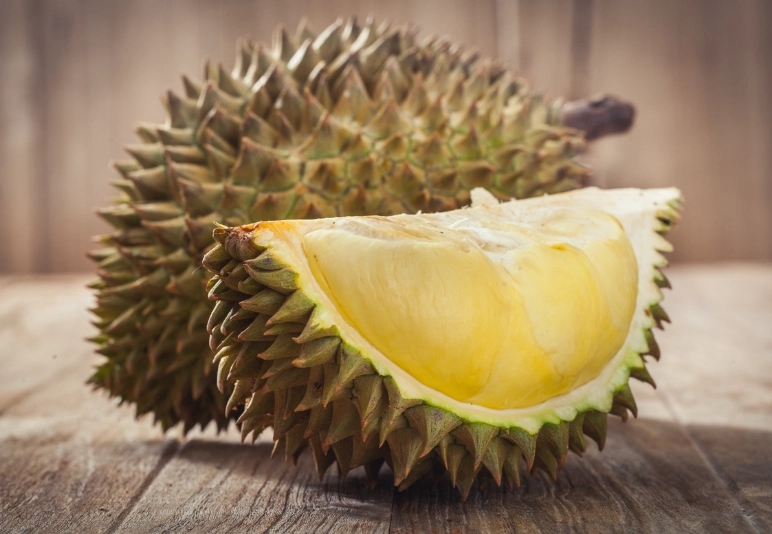
According to the USDA FoodData Central database, a 100-gram serving of raw durian flesh provides:
- Calories: Around 147 kcal. It's high in carbohydrates and healthy fats, making it a great source of quick and sustained energy. Farmers in Southeast Asia have long used it as a field snack for this reason.
- Dietary Fiber: About 3.8 grams. Good for digestive health.
- Vitamins: An excellent source of Vitamin C (about 19.7 mg, or 33% of the Daily Value) and a very rich source of Thiamin (Vitamin B1). It also contains good amounts of Riboflavin (B2), Niacin (B3), and Vitamin B6.
- Minerals: High in Potassium (436 mg), which is crucial for heart and muscle function. It also contains Magnesium, Copper, and Manganese.
- Phytonutrients: Durian contains antioxidants like flavonoids, carotenoids, and polyphenols, which help combat oxidative stress in the body.
Now, the elephant in the room again: the old wives' tale about durian being "heaty" and the warning against eating it with alcohol. The "heaty" concept in Traditional Chinese Medicine refers to foods that raise metabolic heat. While not a Western medical term, some people do report feeling warmer or experiencing a sore throat after overindulging. This could be due to its high sugar and fat content, which requires metabolic effort to digest.
The alcohol warning is more serious. A study cited by the Singapore Food Agency (SFA) highlights that durian contains compounds that may inhibit the enzyme aldehyde dehydrogenase (ALDH), which is responsible for breaking down acetaldehyde, a toxic byproduct of alcohol metabolism. This can lead to a buildup of acetaldehyde, causing nausea, vomiting, and heart palpitations. It's not a guaranteed reaction for everyone, but it's a well-known enough risk that the advice is to avoid combining them.
From Fresh to Fancy: How to Eat Durian
The simplest way is the best way: fresh, at room temperature, straight from the husk. Use your fingers. That's the pure food durian experience. But the culinary world hasn't stopped there.
Savory and Sweet Culinary Uses
In Southeast Asian cuisine, durian isn't just a dessert fruit.
- Durian in Rice: In Indonesia, nasi kuning (yellow rice) is sometimes served with a side of durian sauce for a sweet and savory combination.
- Tempura Durian: Lightly battered and fried durian fritters are a popular street food. The heat caramelizes the sugars and tempers the smell, leaving a warm, gooey center.
- Durian Curry: Yes, really. In some regions, unripe durian is used in savory curries, similar to how jackfruit is used. It absorbs the spices beautifully.
Where it truly shines, though, is in sweets. Its natural creaminess makes it a perfect base.
- Durian Pancakes: Thin crepes filled with fresh durian pulp and whipped cream. A classic dessert in Singapore and Malaysia.
- Durian Cakes and Pastries: From moist durian cheesecakes to flaky durian puffs (durian kek).
- Durian Ice Cream & Sticky Rice: A dollop of durian ice cream on warm coconut sticky rice is heavenly. You can also find durian-flavored mochi, dodol (a toffee-like candy), and even coffee.
Handling the Aftermath: The Smell and Storage
This is a major user pain point. You've enjoyed your food durian, but now your hands, breath, and kitchen smell like it. What do you do?
De-Smelling Your Hands and Kitchen
- The Shell Trick: After eating, take some of the leftover durian shell and rinse your hands with water while rubbing them with the inside of the shell. The porous, fibrous interior acts like a natural scrub that neutralizes the odor surprisingly well.
- Stainless Steel: Rub your fingers on a stainless steel spoon or sink under running water. The sulfur compounds in the durian smell bind with the steel molecules.
- Baking Soda Paste: Make a paste of baking soda and water and scrub your hands. Rinse thoroughly.
- For the Kitchen: Immediately take all the husks and seeds out to an outdoor bin. Wipe down all surfaces with a mixture of vinegar and water. Leave a bowl of white vinegar or coffee grounds out overnight to absorb lingering odors.
Storing Leftover Durian
Fresh durian flesh is best eaten immediately. If you must store it:
- Short-term (1-2 days): Place the flesh in an airtight container. I mean really airtight—glass with a rubber seal is best. Put this container inside another sealed bag or a second container. Store in the fridge. This double-bagging is non-negotiable unless you want your entire fridge to taste like durian.
- Long-term: Freeze it. Spread the pulp on a tray, freeze solid, then transfer to a heavy-duty freezer bag, squeezing out all the air. Frozen durian is great for smoothies or baking later. The texture changes (becomes more crystalline), but the flavor remains potent.
Your Durian Questions, Answered
Let's tackle some of the most common questions and searches people have about this unique food.
The Final Word on Food Durian
Durian challenges us. It defies easy categorization. It's not just a fruit; it's a cultural icon, a nutritional powerhouse, and a culinary chameleon all wrapped in a spiky, smelly package. To dismiss it based on its odor is to miss out on one of the most unique eating experiences on the planet.
My advice? Find a reputable seller, maybe start with a milder Thai Monthong, and approach it with an open mind. Don't just sniff it and walk away. Taste it. Let the creamy texture and complex flavor sit on your palate. You might just discover a new obsession. Or you might confirm your dislike. But at least you'll know from experience, not just from legend.
At the end of the day, exploring food like durian is what makes eating an adventure. It reminds us that flavor is subjective, that our senses can be trained, and that the world's pantry holds some wonderfully weird treasures. So go on, be brave. Give the king of fruits its due.