Your Navigation Guide
Let's talk about the Eastern Seaboard. You've probably heard the term thrown around in weather reports or history books. But what is it, really? Is it just a fancy way to say "East Coast"? Well, sort of, but it's also so much more. It's this incredible, sprawling stretch of land where American history was literally written in the sand, where skyscrapers kiss the clouds just miles from quiet fishing villages, and where the pace of life changes faster than the tides. I've driven most of it, from the rocky, pine-scented coves of Maine down to the warm, humid marshes of Florida, and let me tell you, lumping it all together does it a disservice. It's a region of wild contrasts.
Think about it. This is where the Pilgrims first landed (after a seriously rough trip, mind you). It's where revolution was plotted in Boston taverns and where the industrial might of a young nation first roared to life. Today, it's a economic and cultural powerhouse, but it's also facing some very real, very wet challenges. So whether you're planning a road trip, considering a move, or just curious about this iconic slice of America, stick around. We're going to get into the weeds – the good, the bad, and the occasionally flooded.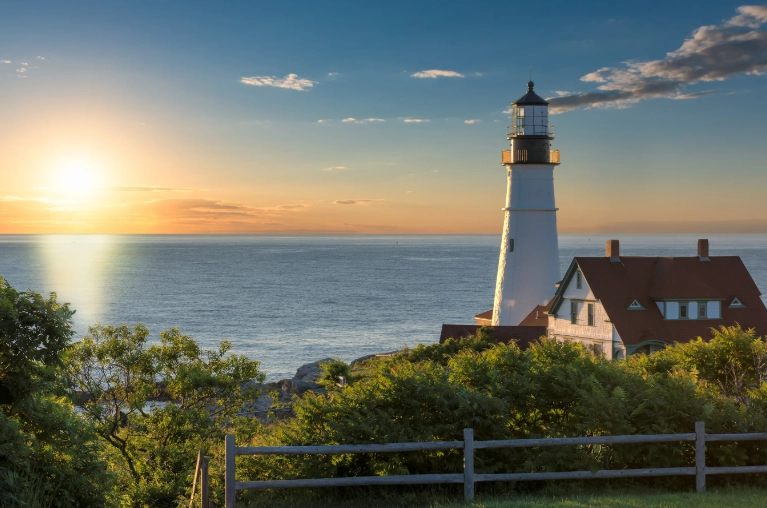
So, What Exactly is the Eastern Seaboard?
Geographically, the Eastern Seaboard of the United States refers to the states that have a coastline along the North Atlantic Ocean. It's the front porch of the country, facing Europe and the wider Atlantic world. But it's not a political unit. No one gets elected "President of the Seaboard." It's a physical and cultural region.
Most definitions include the states from Maine all the way down to Florida. But here's where it gets fuzzy. Does Pennsylvania count? It has that tiny sliver on the Delaware River, but it's not directly on the open ocean. What about Washington D.C.? For most practical purposes, when people talk about the eastern seaboard of the US, they're talking about the coastal plains and immediate hinterlands of these fourteen states: Maine, New Hampshire, Massachusetts, Rhode Island, Connecticut, New York, New Jersey, Delaware, Maryland, Virginia, North Carolina, South Carolina, Georgia, and Florida. Sometimes the term "Eastern Seaboard" is used interchangeably with "Northeast," but that's not quite right. The true seaboard stretches deep into the South.
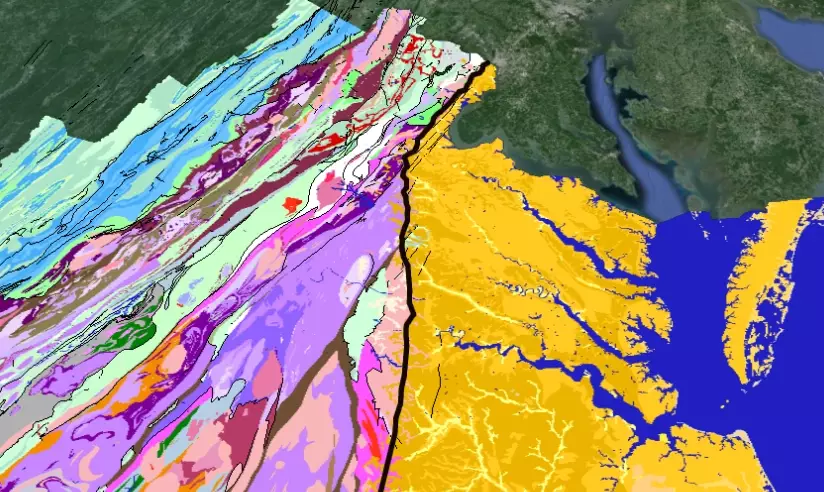
A Quick Geography Refresher: The landform itself is the Atlantic Coastal Plain. It's mostly low, flat land that was underwater millions of years ago. This is why you get those amazing, long barrier islands from the Outer Banks down to the Florida Keys – they're basically giant sandbars. Up north, in New England, the coast is "emergent" – rocky, rugged, and carved by glaciers. It's two completely different personalities shaped by the same ocean.
Why does this matter? Because this geography dictates everything. It shaped where the first ports were built (deep, sheltered harbors up north). It influences the weather (nor'easters, anyone?). And it's now at the forefront of the climate change conversation, but we'll get to that.
The Major Players: Cities That Define the Coast
You can't talk about the Eastern Seaboard without talking about its cities. They're the economic engines, the cultural hubs, and the places most people picture. But they're not all the same. Not even close.
Let's break down some of the heavy hitters. I'm going to be honest about them too – the hype isn't always real.
| City | Vibe & Vocation | The Good Stuff | The Not-So-Good Stuff |
|---|---|---|---|
| Boston, MA | The historic scholar. Tech, finance, education. Feels old, in a good way. | Walkable, incredible history (Freedom Trail is legit), top-tier universities. Great seafood chowder. | Expensive. The traffic and road layout will make you question your sanity. Winters are long. |
| New York City, NY | The chaotic masterpiece. Finance, media, arts, everything. The pace is relentless. | Unmatched diversity of food/culture. 24/7 energy. Public transit that actually works. | Overwhelmingly expensive and crowded. Can feel impersonal. That "city smell" in summer is real. |
| Philadelphia, PA | The gritty renaissance. Healthcare, education, history. More relaxed than NYC. | More affordable than its northern neighbors. Amazing food scene (cheesesteaks, yes, but so much more). Rich American history. | Some areas feel neglected. It can have a rough-around-the-edges charm that not everyone loves. |
| Washington, D.C. | The powerful planner. Government, obviously, and non-profits. Feels monumental (literally). | Free world-class museums (Smithsonian!). Beautiful, planned layout. Diverse international community. | Can feel transient with political cycles. Summer humidity is a swampy nightmare. Expensive housing. |
| Charleston, SC | The polished southern belle. Tourism, port, growing tech. Picture-perfect and proud of it. | Stunning historic architecture. Incredible food (lowcountry cuisine!). Friendly, mannered atmosphere. | Can feel a bit like a theme park of itself. Flooding is a serious, frequent issue. Getting pricey. |
| Miami, FL | The tropical melting pot. Finance, trade, tourism, nightlife. A slice of Latin America in the US. | Vibrant, 24/7 Latin culture and energy. Beautiful beaches. Warm winters (obviously). | Extremely humid in summer. Traffic is horrendous. Can feel superficial; not much "old" America here. |
See what I mean? The character of the Eastern Seaboard shifts dramatically every few hundred miles. A finance job in New York is a completely different life experience than a tourism job in Myrtle Beach or a tech job in Raleigh (which, while not directly on the coast, is heavily influenced by it).
My personal take? I find the midsize cities often offer the best balance. Places like Portland, ME, or Savannah, GA. You still get that coastal feel, a strong sense of place, and great food, but without the soul-crushing cost and chaos of the megacities. Just my two cents.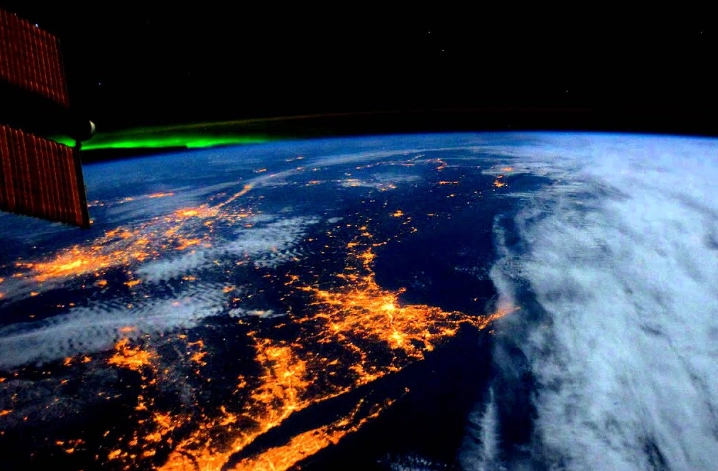
Beyond the Cities: What to See and Do
If you only stick to the I-95 corridor, you're missing 90% of what makes the Eastern Seaboard of the US special. The real magic is in the detours.
For the Nature Lover
The variety is insane. Up north, you have Acadia National Park in Maine. Hiking Cadillac Mountain to be the first person in the US to see the sunrise is a cheesy but genuinely awesome experience. The rocky coastline there is dramatic and raw. Further south, the Outer Banks of North Carolina are a world of their own – long, windswept ribbons of sand where the Wright Brothers first flew. It feels remote and wild. And then you have the Everglades in Florida, a vast, slow-moving river of grass full of alligators and unique birds. It's unlike anywhere else on the continent.
Pro-Tip for Road Trippers: The Blue Ridge Parkway and Skyline Drive (running through Virginia and North Carolina) aren't directly on the coast, but they offer breathtaking mountain views just inland from the seaboard. A perfect way to mix coastal and mountain scenery.
For the History Buff
You can't swing a cat without hitting a historic site here. It's overwhelming. Colonial Williamsburg in Virginia is a full immersion into 18th-century life (a bit pricey, but well-done). The battlefields of Gettysburg (PA) and Antietam (MD) are solemn and powerful, even if you're not a Civil War expert. In Massachusetts, Plymouth Plantation and Salem offer very different glimpses into the early colonial mind. And of course, there's the endless array of historic homes, forts, and lighthouses dotting the entire coast. The National Park Service does a fantastic job managing many of these sites. Their website is an essential tool for planning.
I once spent a week just visiting lighthouses from Connecticut to Maine. Each one had its own story, its own character. Some were lonely and automated, others you could still climb. It was a simple theme that gave the whole trip a focus.
Living on the Edge: The Realities of Seaboard Life
Okay, let's get practical. What's it actually like to live here, day in and day out? It's not all lobster rolls and sunset beach walks.
Cost of Living: The Harsh Truth
It's high. Really high in the big corridor from Boston to Washington D.C. Housing is the biggest culprit. Want a small apartment in a decent part of a major city? Be prepared to pay a small fortune. Taxes, particularly property taxes in states like New Jersey and New Hampshire, can be brutal. Groceries, utilities, insurance – it all adds up. The trade-off is access to jobs, amenities, and higher average salaries. But that math doesn't always work for everyone. Southern seaboard states like the Carolinas and Georgia generally offer a lower cost of living, which is a huge part of their booming growth.
The Climate Gamble
The weather is... varied. Up north, you have nor'easters – these intense winter storms with heavy snow, rain, and vicious wind that can paralyze the region for days. Then there's hurricane season (June to November), which primarily threatens the southern and mid-Atlantic parts of the seaboard. But as we've seen with storms like Sandy, they can slam the Northeast too.
The Big Issue: Sea Level Rise & Flooding. This isn't a future problem; it's a now problem. Cities like Miami and Charleston experience "sunny day flooding" during high tides. Nuisance flooding is becoming routine. According to the National Oceanic and Atmospheric Administration (NOAA), sea level along the U.S. coastline is projected to rise, on average, 10 - 12 inches in the next 30 years. That's going to impact property values, insurance costs (if you can even get it), and infrastructure. It's the single biggest challenge facing the long-term viability of many coastal communities on the Eastern Seaboard.
I remember talking to a homeowner in coastal Delaware who had to raise his house on stilts. His flood insurance premium was more than his mortgage used to be. It's a stark reality.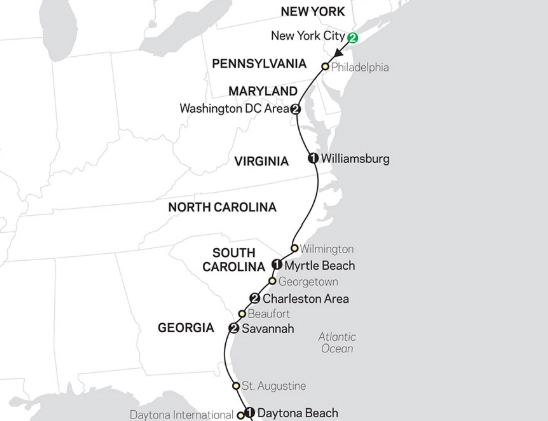
Getting Around
Traffic on I-95 is legendary, and not in a good way. It's often a parking lot. The Northeast Corridor has a saving grace: the Amtrak Acela and regional trains. If you're traveling between D.C., Philly, NYC, and Boston, the train is almost always faster and less stressful than flying or driving. It's a genuinely pleasant way to travel. Once you get south of D.C., though, the train service thins out dramatically, and the car becomes king again. Major airports are plentiful, but they're also some of the busiest and most delay-prone in the country (looking at you, LaGuardia and Newark).
Your Eastern Seaboard Questions, Answered
Final Thoughts: A Region in Flux
The Eastern Seaboard of the United States is America's origin story and its ongoing experiment. It's where the country's past is most visibly preserved and where its future challenges – climate change, urbanization, inequality – are most acutely felt. It can be frustrating, expensive, and crowded. The traffic jams are real, and the winters up north can feel endless.
But.
It's also endlessly fascinating. The energy of its cities is contagious. The beauty of its natural landscapes, from the quiet salt marshes to the pounding surf, is restorative. The layers of history make you feel connected to a longer story. For all its problems, there's a reason people keep coming here, fighting to live here, and building their lives on this edge of the continent.
My advice? Don't just read about it. Go see a piece of it. Get off the highway. Eat the local food. Talk to the locals. You'll quickly see that the Eastern Seaboard of the US isn't one thing. It's a hundred different things, all jostling for space between the Appalachian foothills and the rolling Atlantic. And that's what makes it so compelling.