Your Florida Travel Companion
- First Things First: When Should You Actually Go?
- Building Your Florida Vacation Itinerary: Pick Your Vibe
- Your Florida Vacation Budget: A Realistic Breakdown
- Packing for Florida: Beyond the Bathing Suit
- Making it Sustainable: Enjoying Florida Responsibly
- Florida Vacation FAQs: Answering Your Real Questions
- Final Thoughts Before You Book
Let's be honest. The thought of planning a Florida vacation can feel a bit like standing in front of one of those massive theme park maps for the first time. Exciting? Absolutely. But also... where do you even start? Do you chase the thrill of roller coasters in Orlando, melt into the powdery sand of a Gulf Coast beach, or lose yourself in the vibrant, pulsing energy of Miami?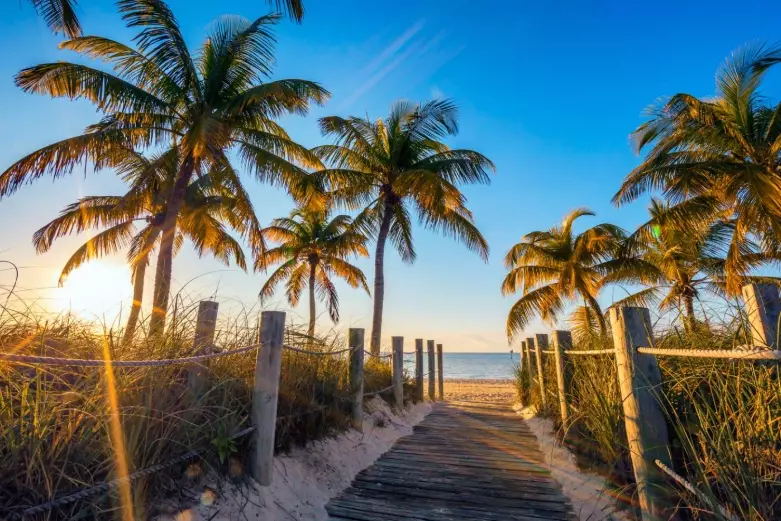
The good news is you don't have to choose just one. The better news is that with a little insider know-how, you can stitch together a trip that feels tailor-made, without blowing your budget or your sanity. I've made my fair share of mistakes on trips down here—booking the wrong hotel zone, underestimating the August humidity, showing up at a popular spring without a reservation—so you don't have to.
First Things First: When Should You Actually Go?
Timing is everything in Florida. Get it right, and you've got sunshine and manageable crowds. Get it wrong, and you're either sharing the sidewalk with a million other families or running from daily afternoon thunderstorms.
Most folks will tell you the best time to visit Florida is between late fall and early spring. They're not wrong. From November to April, the weather is near-perfect—warm days, cool-ish evenings, and low humidity. It's peak season for a reason. But "peak" also means higher prices for flights and hotels, and you'll need to book everything much further in advance.
Summer (June-August) is a whole different beast. It's hot. I mean, really hot and humid. Afternoon thunderstorms are almost a daily guarantee. But it's also when you'll find some of the best deals outside the major parks, and the beaches are lively. Just pack your patience, a giant water bottle, and plan indoor activities for the early afternoon.
And then there's hurricane season (June 1 to November 30). This scares a lot of people off. Look, it's a real consideration. The peak is usually August through October. But here's the thing: modern forecasting is excellent. The key is to get travel insurance that covers weather disruptions. I never book a Florida vacation during this window without it. It's a small price for peace of mind.
Building Your Florida Vacation Itinerary: Pick Your Vibe
Florida isn't a monolith. It's a collection of distinct personalities. Trying to cram Miami, the Keys, and Orlando into a 5-day trip is a recipe for exhaustion. My advice? Pick a base region and explore it deeply.
The Theme Park & Family Fun Hub: Orlando & Central Florida
This is the obvious one, but it's popular for a reason. It's not just Disney World (though that's a universe in itself). You've got Universal's mind-blowing Wizarding World and epic coasters, SeaWorld, LEGOLAND, and a dozen other attractions. A Florida vacation centered here is about immersive entertainment.
Don't make my early mistake: thinking you can "do Disney" in two days. You can't. Each park deserves a full day, at least. And the new Genie+ and Lightning Lane system? It's confusing. Do your homework on how it works before you go, or you'll be stuck in lines. The official Walt Disney World website is your best friend for planning.
Beyond the parks, Orlando has fantastic outdoor springs, airboat tours in the nearby wetlands, and a surprisingly good food scene in areas like Winter Park.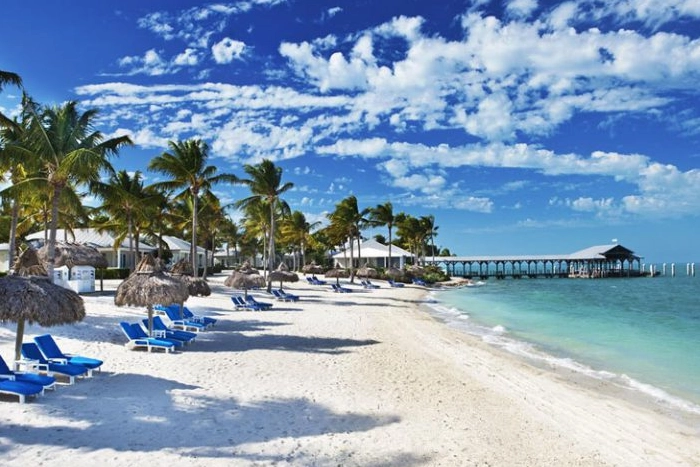
The Beach & Culture Blend: Miami, Fort Lauderdale & the Southeast Coast
Energy. That's the word for Miami. A Florida vacation here is a sensory overload in the best way. The art deco glamour of South Beach, the murals of Wynwood, the authentic Cuban flavors of Little Havana. It's less about relaxing and more about experiencing.
Just north, Fort Lauderdale offers a slightly more laid-back, yacht-filled version of coastal cool with its incredible canal system (the "Venice of America"). And if you want a break from the city buzz, the Florida Keys are a string of islands offering a uniquely quirky, "island time" atmosphere culminating in Key West. The drive down the Overseas Highway is worth the trip alone.
The Gulf Coast Gem: Tampa, St. Pete & Clearwater
This is my personal favorite region for a balanced trip. On the Gulf side, the sand is famously sugar-white and the sunsets are legendary. St. Pete has transformed into a legit arts destination, home to the incredible Dalí Museum. Tampa offers great family attractions like Busch Gardens and a historic Latin quarter, Ybor City.
The pace here feels more relaxed than Southeast Florida. You can spend the morning at a world-class art museum, the afternoon building sandcastles on Fort De Soto Park's pristine beaches (consistently ranked among the best in the US), and the evening watching the sunset at Clearwater Beach with street performers in the background. It's a versatile mix.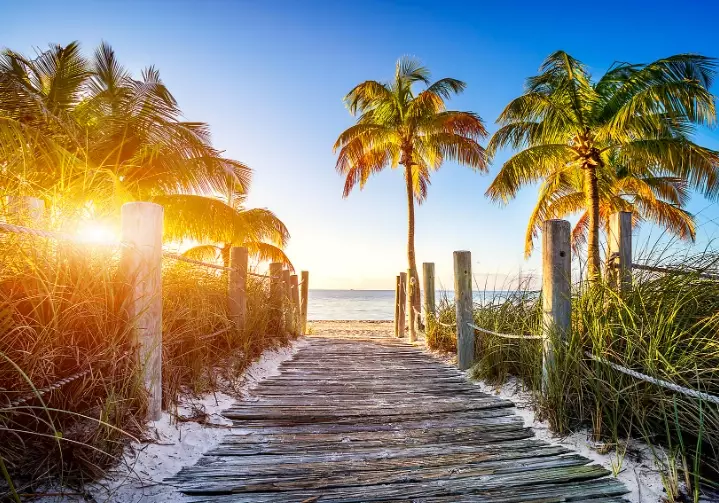
The Nature & Seclusion Seekers: The Panhandle & Southwest Florida
Looking for emerald green water and a slower pace? The Panhandle (Destin, Panama City Beach, Pensacola) has some of the most stunning beaches in the state, with dunes and state parks that feel a world away from the glitz of Miami. It's a huge hit with families from the South.
Southwest Florida (Naples, Marco Island, Sanibel & Captiva Islands) is upscale and serene. It's known for shelling, top-tier golf, and wildlife viewing in places like the J.N. "Ding" Darling National Wildlife Refuge on Sanibel. This is the spot for a luxurious, quiet retreat.
| Region | Best For | Top Experiences | Vibe | Budget Note |
|---|---|---|---|---|
| Orlando & Central | Families, Thrill-seekers, Disney fans | Theme Parks, Springs, Airboat Rides | High-energy, Commercial, Fun-focused | Can be very expensive (tickets, hotels, food). Look for vacation packages. |
| Miami & Southeast | Couples, Foodies, Nightlife, Culture | Art Deco District, Wynwood Walls, Everglades, Keys Road Trip | Trendy, Fast-paced, International | Miami is pricey. Keys can be too. Look for deals in Ft. Lauderdale. |
| Tampa Bay & Gulf Coast | Balanced trips, Beach lovers, Arts enthusiasts | St. Pete Beaches, Dalí Museum, Busch Gardens, Sunsets | Laid-back, Artistic, Family-friendly | Generally good value. Wider range of accommodations. |
| Panhandle & Southwest | Secluded beaches, Nature, Golf, Relaxation | Destin's Emerald Coast, Shelling on Sanibel, Naples' Luxury | Relaxed, Southern, Secluded/Upscale | Panhandle is often more affordable. Southwest Florida leans upscale. |
Your Florida Vacation Budget: A Realistic Breakdown
Let's talk money. A Florida vacation can cost almost anything. You can do it shoestring-style with camping and grocery store meals, or you can drop a fortune on five-star resorts and VIP tours.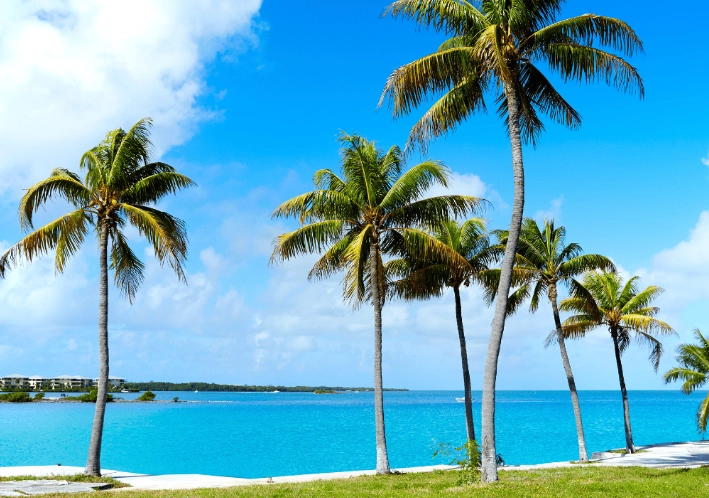
For a moderate, one-week trip for two (think decent hotels, a mix of eating out and some self-catering, a few paid attractions, and a rental car), you're realistically looking at:
- Accommodation: $150-$300/night, depending on location and season. Orlando resort-area hotels are often cheaper than Miami Beach ones.
- Food & Drink: $80-$150/day for two. This can balloon fast if you're doing sit-down meals three times a day at tourist spots. Hit a local Publix supermarket for breakfast items, snacks, and drinks.
- Attractions & Entertainment: This is the wild card. A one-day ticket to a major theme park can be over $150 per person. Research combo tickets or multi-day passes if parks are your focus. Many of Florida's best experiences—beaches, state parks, exploring neighborhoods—are low-cost or free.
- Transportation: A rental car is almost essential unless you're staying exclusively in a dense area like South Beach or Disney World. Factor in gas, tolls (Florida has lots of them!), and parking (which can be steep in cities and at beaches).
Packing for Florida: Beyond the Bathing Suit
You know to pack swimwear and sunscreen (and make it reef-safe, please—it matters, especially in the Keys). But here are the items people forget that you'll be grateful for:
- A Lightweight Rain Jacket or Poncho: Those afternoon showers appear out of nowhere. A cheap disposable poncho is fine for the parks, but a packable jacket is better for exploring.
- Water Shoes: For rocky shorelines, boat decks, and most importantly, protecting your feet from scorching hot sand. Trust me on this one.
- A Reusable Water Bottle: Hydration is non-negotiable. Many parks and attractions have refill stations.
- Bug Spray: Mosquitoes are a fact of life, especially near water and at dusk. If you're venturing into the Everglades or any nature preserve, it's a must.
- Comfortable Walking Shoes That Can Get Wet: You'll walk miles. And you might get caught in the rain. Sandals are great, but have a pair of supportive sneakers too.
Making it Sustainable: Enjoying Florida Responsibly
This place is beautiful, and fragile. A little awareness goes a long way. This is what sustainable tourism Florida looks like on the ground:
- Respect Wildlife: Give manatees, dolphins, sea turtles, and birds plenty of space. Never feed wild animals. It's illegal and harms them. For sea turtle nesting info, check the Florida Fish and Wildlife Conservation Commission (FWC) website.
- Choose Reef-Safe Sunscreen: Chemicals like oxybenzone bleach and damage coral reefs. Many areas, like Key West, have bans. Mineral-based (zinc oxide, titanium dioxide) is the way to go.
- Support Local: Eat at the family-owned Cuban café, not just the chain. Book a tour with a local guide. It spreads the economic benefit and gives you a more authentic experience.
- Leave No Trace: Especially on beaches and in state parks. Take all your trash, and never take shells with living creatures inside.
Florida Vacation FAQs: Answering Your Real Questions
How many days do I need for a Florida vacation?
There's no perfect answer, but less than 5 days feels rushed. A solid week (7-8 days) lets you settle into one region comfortably. For a multi-region trip (e.g., Orlando + beaches), aim for 10-14 days to avoid feeling like you're constantly packing and driving.
What's the best airport to fly into?
It depends entirely on your destination. Orlando (MCO) is the hub for the theme park area. Miami (MIA or FLL) for the southeast. Tampa (TPA) is fantastic for the Gulf Coast. Sometimes flying into a smaller airport like Sarasota or Fort Myers can be easier and cheaper for the southwest.
Is it better to book a package or plan everything separately?
For a complex Orlando trip with tickets and hotel, packages from reputable sites or directly from Disney/Universal can offer convenience and sometimes savings. For a more free-form beach or city trip, I almost always book flights, hotel, and car separately. It gives me more flexibility to choose exactly what I want.
Do I need a rental car?
In 90% of cases, yes. Public transit is limited outside dense urban cores. Rideshares are great for getting around a single city, but they become prohibitively expensive for day trips or moving between regions. Having your own wheels is freedom in Florida.
Is Florida family-friendly?
It's one of the most family-friendly destinations in the world. Beyond the obvious theme parks, there are interactive museums, wildlife parks, gentle beaches, and activities for all ages. The key is pacing—don't over-schedule, build in pool/beach downtime.
What's a realistic daily budget?
For a family of four on a moderate budget, excluding flights and major pre-booked tickets, plan for $300-$500 per day for food, gas, parking, and incidental activities. It can easily be less if you're frugal, or much more if you're dining out lavishly every night.
Final Thoughts Before You Book
Planning a Florida vacation should be fun, not a chore. The biggest mistake I see is trying to do too much. Florida isn't going anywhere. Pick the experience that calls to you right now—the non-stop fun, the cultural deep dive, the beach coma, or the nature retreat—and dive into it.
Do your research, especially on official sites for major attractions and parks. The VISIT FLORIDA official tourism site is a treasure trove of ideas and seasonal events. Book key things in advance during peak times. And then, once you're there, leave room for the unexpected—the roadside fruit stand with the best orange juice, the quiet beach you discover on a whim, the local festival you stumble upon.