Your Road Trip Compass
Let's be honest. The idea of a California road trip gets tossed around so much it can start to sound like a cliché. Sunshine, beaches, maybe a redwood tree. But here's the thing – it's popular for a reason. There's a magic to hitting the open road here that's hard to pin down until you've done it yourself. It's not just one trip; it's a hundred different trips packed into one state. You've got the postcard-perfect coast, sure, but then you turn inland and find deserts that look like Mars, mountains begging for a hike, and tiny towns with stories to tell.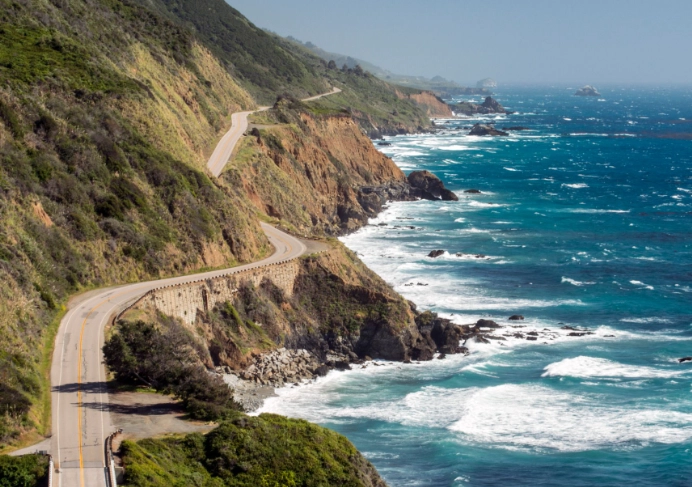
I've done this drive more times than I can count, in beat-up sedans and borrowed convertibles, with detailed plans and with no plan at all. I've also sat in mind-numbing traffic on the 405, which is a special kind of California experience I don't recommend. This guide is my attempt to funnel all those miles into something useful for you. We'll skip the fluff and get into the real stuff: how to actually plan this thing without losing your mind, which routes are worth the hype (and which aren't), where to find the spots the Instagrammers miss, and how to do it without blowing your entire savings account.
Because a successful California road trip isn't about checking boxes. It's about the feeling of the Pacific wind in your hair, the taste of a perfect fish taco from a roadside shack, and the surprise of rounding a bend to a view that literally makes you say "wow" out loud. Let's figure out how to make that happen for you.
Part 1: The Blueprint – Planning Your California Road Trip
Jumping in the car and just going sounds romantic. It also sounds like a good way to spend your first night in a Motel 6 next to a gas station because everything else is booked. A little planning goes a long way, especially in a place as big and varied as California. This isn't a small loop.
Picking Your Path: The Classic Routes & Beyond
Most people think of the coast. That's a great place to start, but it's not the only game in town. Your choice really depends on what you're after. Scenery? Adventure? History? Food? Here's a breakdown of the big players to help you decide.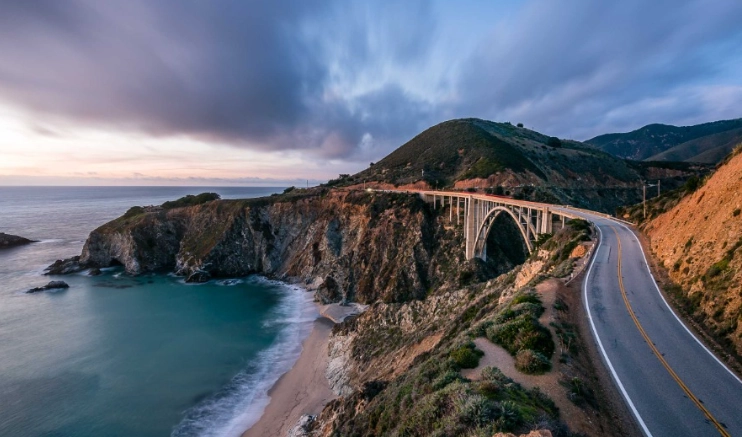
| Route Name | Core Vibe | Best For | Realistic Timeframe | Big Draw | Potential Downside |
|---|---|---|---|---|---|
| The Classic Coast (Highway 1 & PCH) | Iconic, dramatic, leisurely | First-timers, photographers, couples | 5-7 days (SF to LA) | Unbeatable ocean views, Big Sur, coastal towns | Can be crowded, slow-going, foggy |
| The National Park Circuit | Epic, diverse, outdoorsy | Hikers, nature lovers, families | 10-14 days (loop) | Yosemite, Sequoia, Death Valley | Long drives between parks, requires booking ahead |
| The Desert Explorer | Otherworldly, quiet, starkly beautiful | Solitude-seekers, artists, stargazers | 4-6 days | Joshua Tree, Anza-Borrego, Salvation Mountain | Extreme heat in summer, limited services |
| The Northern Frontier | Wild, rugged, undiscovered | Adventurers, road trip veterans | 7-10 days | Redwoods, lost coast, small fishing villages | Remote, less "polished," weather can be moody |
My personal favorite? A hybrid. Maybe start with 2-3 days on the coast for that classic California road trip feel, then cut over to the Sierra foothills via Highway 46. You get wine country, then sequoias, without feeling like you're just on a highway the whole time. The road trip California dream often focuses on the coast, but weaving in some inland surprises creates a much richer story.
Don't try to see it all in one go. California is bigger than Italy. Choose a region or a theme and dive deep.
When to Go: It's More Than Just "Sunny"
California has a reputation for perfect weather, but that's a bit of a lie. It has *many* perfect weathers, in different places, at different times. Go to the coast in July and you might freeze in the fog. Go to Death Valley in July and, well, don't.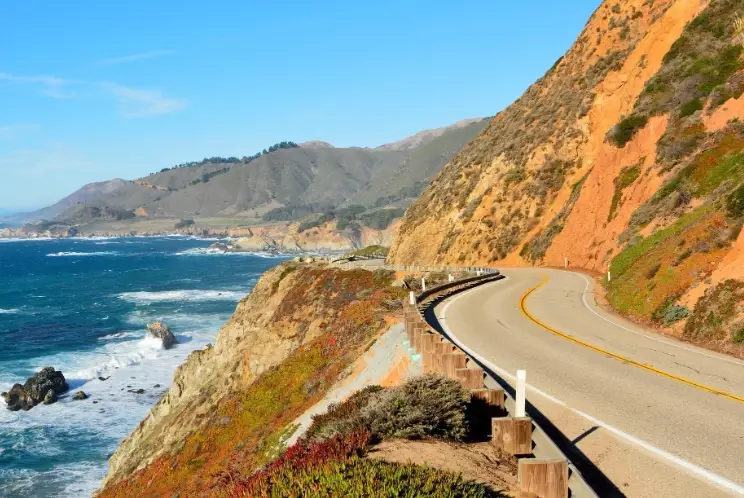
The Sweet Spot: For a coastal-focused trip, late September to early November is magic. The summer crowds have thinned, the fog lifts, the water is (relatively) warm, and prices dip. April to May is a close second, with green hills and wildflowers, but the ocean is colder. For the mountains and deserts, spring and fall are also ideal. Winter can be great for the desert and sometimes the coast (if you don't mind rain), but mountain passes like Tioga Road in Yosemite are closed.
I made the mistake once of planning a road trip through California in August, thinking it was all sun all the time. We spent three days in San Francisco wearing every layer we packed, and then melted when we finally got to Paso Robles. Lesson learned: check microclimates. The state has several.
Budgeting: The Real Cost of Freedom
Let's talk money. A road trip can be as cheap or as luxurious as you want, but hidden costs pop up. Gas is the obvious one—California prices are often the highest in the nation. Tolls on some bridges (like the Golden Gate) add up. And then there's the temptation of all that amazing food.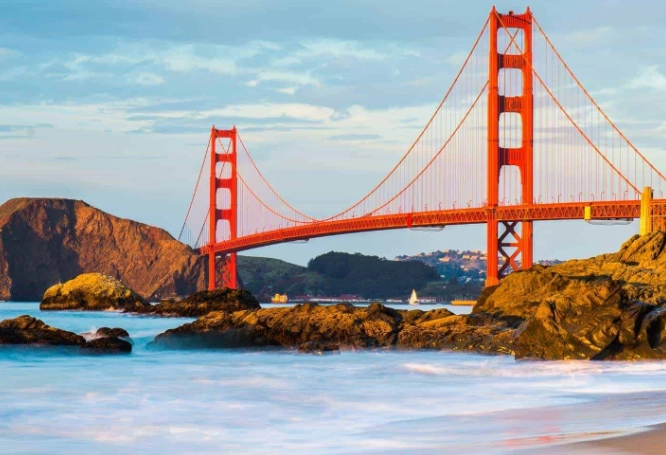
Here's a rough breakdown for a moderate 7-day trip for two people, not including flights to/from California:
- Car Rental: $400 - $700 (book EARLY, especially for convertibles or SUVs). Consider an off-airport rental company for better deals.
- Gas: $250 - $400 (depending on your route and MPG).
- Lodging: This is the big variable. Mixing budget motels ($100/night), a few nice hotels ($250/night), and maybe one splurge can average $150/night = $1,050.
- Food & Drink: $80 - $150 per day for two if you mix grocery picnics, taco stands, and a couple of nice dinners. So, ~$800.
- Activities & Parks: $200 (National Park pass is $80 for 7 days and covers your vehicle, worth every penny).
- Buffer/Misc: $200 (for that random wine tasting, souvenir, or parking fee).
Total Realistic Estimate: ~$3,000 for two. You can do it cheaper by camping and cooking every meal, or easily double it with luxury hotels and fine dining. The key is to decide your splurge category. Ours is always food.
Watch Out: Parking in big cities (SF, LA, San Diego) is expensive and stressful. Factor in $40-$60/day for a secure garage if your hotel doesn't include it. Street parking is a gamble with break-in risk.
Part 2: On the Road – Execution & Survival Tips
Plans are great. Reality is what happens when a rockslide closes Highway 1 or you get a flat tire near a town with a population of 50. Here's how to roll with it.
The Packing List (Beyond the Bathing Suit)
Everyone packs shorts. Smart people pack layers. My non-negotiable items for any California road trip itinerary:
- A Warm Layer & A Windbreaker: Even in summer. The coastal fog is no joke. A lightweight puffer jacket and a shell are perfect.
- Comfortable Walking Shoes: You will walk more than you think. Blisters are the enemy of joy.
- Reusable Water Bottles & Cooler: Staying hydrated is critical. A small cooler saves you from buying overpriced drinks and lets you keep picnic supplies.
- Physical Map or Atlas: Cell service dies in the best places. A paper map from AAA or a good old-fashioned road atlas is a lifesaver in Big Sur, Death Valley, or the Eastern Sierra.
- National Parks Pass: If you're hitting more than two parks, the $80 America the Beautiful Pass pays for itself instantly. Buy it online or at the first park entrance.
Personal Fail: I once wore flip-flops on a "quick stop" at a beach in Mendocino. Ended up on a spontaneous hike on a bluffy trail. By the end, I was basically hobbling. Never again. Real shoes, always.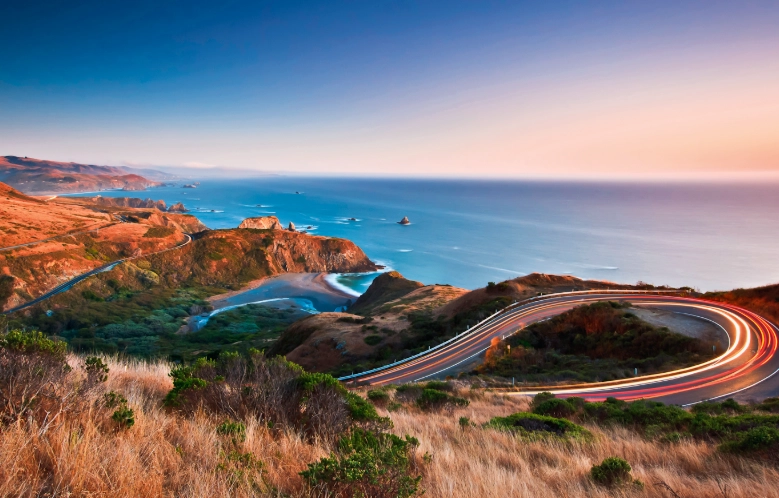
Driving in California: The Unwritten Rules
California drivers have a... reputation. It's not entirely undeserved. Here's how to navigate it.
The Fast Lane is Sacred. On multi-lane highways, the left lane is for passing only. If you're cruising there, even at the speed limit, you will have a line of cars on your tail. Move over when it's safe.
Watch for Sudden Slowdowns. Traffic can go from 75 mph to a standstill in seconds, especially around LA and the Bay Area. Stay alert.
Gas Up Before "The Middle of Nowhere." Places like the stretch of Highway 1 through Big Sur, the road to Death Valley, and Highway 395 along the Eastern Sierra have long gaps between stations. When you see a station at half a tank, just fill up.
Check Road Conditions. Before you head out each day, a quick glance at Caltrans' QuickMap can save you hours. It shows real-time closures, construction, and chain controls in the mountains.
And one more thing – the classic Pacific Coast Highway road trip involves a lot of winding roads. If you're prone to motion sickness, come prepared. The views are incredible, but the switchbacks are real.
Where to Sleep: Motels, Hotels, and Something Different
Hotels book up fast, especially in peak season near major attractions. But there are alternatives.
- State Park Cabins & Yurts: Many California state parks offer rustic cabins or even canvas tents. They're affordable, often in stunning locations, and bookable on ReserveCalifornia. You need to be quick when reservations open.
- Historic Motels: Don't overlook the old-school, neon-signed motels in towns like San Luis Obispo, Morro Bay, or Lone Pine. They often have more character than a chain and can be cheaper.
- Platforms Like Hipcamp: For a truly unique stay, look at Hipcamp. It's like Airbnb for camping, offering everything from a spot in someone's backyard to a fancy tent on a private ranch.
My best sleep on a road trip california style? A tiny cabin in the redwoods near Santa Cruz, booked last-minute. It smelled like pine, cost less than a hotel, and we fell asleep to the sound of a creek. Beats a highway Holiday Inn any day.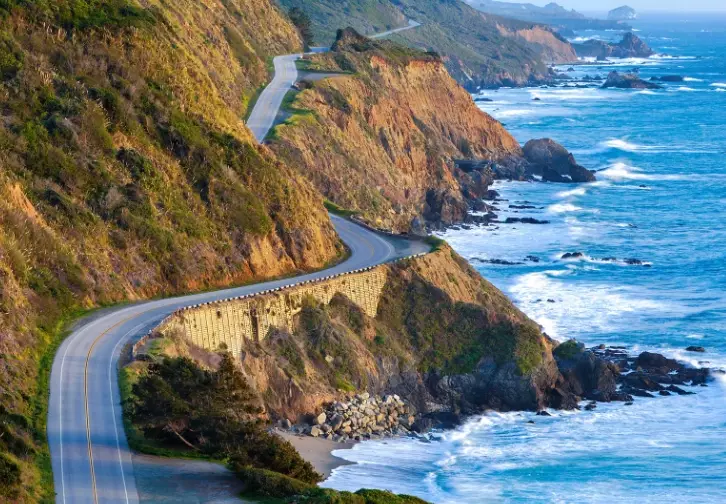
Part 3: The Good Stuff – What to Actually See & Do
Okay, the practicals are out of the way. Let's talk about the fun part. This isn't an exhaustive list—it's a curated one based on what's actually worth your time.
The Coast: More Than Just Big Sur
Big Sur is the star, and for good reason. Bixby Creek Bridge, McWay Falls, Pfeiffer Beach (look for the purple sand if the tide is right). But the crowds know that too.
Go a Little Further:
- North of San Francisco: Point Reyes National Seashore. Hike to Alamere Falls, a waterfall that drops onto the beach. Visit the Cypress Tree Tunnel. Eat oysters in Tomales Bay.
- Central Coast Gems: Montana de Oro State Park near San Luis Obispo has wild, rugged coastline with barely anyone on it. Further south, the Danish town of Solvang is kitschy but fun for a pastry stop, and nearby Los Alamos is a cool, low-key foodie spot.
- Southern Coast: Everyone goes to Santa Monica. Try the Palos Verdes Peninsula instead for dramatic cliffs and hidden coves. Or, south of Laguna Beach, the beaches in Dana Point and San Clemente feel more local.
The Cities: A Quick Hit Guide
You're on a road trip, not a city break. Pick one or two to explore in depth, and just pass through the others.
- San Francisco: Don't drive downtown. Park the car at your lodging and use transit/walk. Must-dos: Lands End Trail, the Mission District for burritos and murals, a ferry to Sausalito.
- Los Angeles: It's a beast. Pick a neighborhood. Venice Beach boardwalk is an experience (go early), Griffith Observatory for the iconic Hollywood sign view, and the Getty Center for art and architecture. Driving between them will take forever.
- San Diego: Laid-back vibe. Balboa Park is massive and beautiful, La Jolla Cove for sea lions, and the tacos in Barrio Logan are next-level.
The National Parks: Yosemite & Its Siblings
Yosemite Valley is like a cathedral. It's also like a crowded train station in summer. To enjoy it, you must reserve your day-use entry pass in advance (check NPS.gov for the latest system). Go at sunrise. The light on Half Dome is worth the early wake-up, and you'll have the place mostly to yourself for an hour.
But California's park system is deeper than its most famous face.
- Sequoia & Kings Canyon: Often overlooked, right next door. Walk among the giant trees in the Giant Forest. The General Sherman Tree will humble you.
- Death Valley: Visit in the cooler months. Badwater Basin (lowest point in North America), Mesquite Flat Sand Dunes at sunset, and the surreal Artist's Palette drive. It feels utterly alien.
- Joshua Tree: A rock climber's paradise and a stargazer's dream. The park has two distinct desert ecosystems. The Cholla Cactus Garden at golden hour is spectacular.
In the parks, talk to a ranger. At the visitor center, just ask, "What's your favorite short hike that's not super crowded?" They'll give you gold.
The Hidden Gems & Quirky Stops
These are the places that make your California road trip uniquely yours.
- Salvation Mountain & East Jesus (Niland, near Salton Sea): A massive, handmade mountain of paint and folk art in the desert. It's pure, unfiltered passion. The nearby Salton Sea is a fascinating, eerie post-apocalyptic landscape.
- Alabama Hills (Lone Pine): Those strange, rounded rock formations you've seen in a hundred old Westerns. Free camping (dispersed), incredible views of the Sierra, and it feels like you're on a movie set.
- Ferndale: A perfectly preserved Victorian village on the Lost Coast. It's like stepping back in time. The drive there along the "Avenue of the Giants" through Humboldt Redwoods State Park is a top-tier road trip California experience.
- Mendocino: A dramatic headlands village with a strong New England vibe. Great for art, cozy inns, and storm watching in the winter.
Part 4: Your California Road Trip Questions, Answered
What is the best time for a California road trip?
For overall balance (weather, crowds, prices), late September through October is the absolute winner. Spring (April-May) is a close second, but can be rainier. Summer is great for mountains/deserts but crowded and foggy on the coast.
How many days do I need?
For a satisfying taste, you need at least 7 days. That lets you do a focused route like SF to LA on the coast, or a loop hitting 2 national parks. For a more comprehensive, relaxed trip covering multiple regions, aim for 10 to 14 days.
What's a realistic daily budget?
For two people sharing a car and mid-range lodging, plan for $300 to $450 per day all-in (gas, food, stay, activities). This allows for a mix of picnics and nice dinners, motels and a couple of nicer stays.
Is it safe to sleep in my car?
It's generally legal in many rest areas for limited hours (usually 8). Overnight parking in national forest or BLM land ("dispersed camping") is often allowed unless posted otherwise. It is illegal and unsafe to just pull over on the side of a highway or sleep in city street parking. Use apps like iOverlander to find vetted, safe spots.
What are the must-eat foods?
This is a foodie state. Don't miss: A Mission-style burrito in San Francisco, fresh fish tacos from a coastal shack, California-style pizza (think Chez Panisse influences), In-N-Out Burger (it's a rite of passage, order Animal Style), and anything from a farmers' market.
How do I avoid the crowds?
Two words: Go early. Arrive at major sights by 8 AM. You'll have them to yourself. Also, visit popular places on weekdays, not weekends. And consider the shoulder seasons (spring/fall) over summer.
Is the Pacific Coast Highway scary to drive?
It can be if you're not used to winding roads with steep drop-offs. The key is to take your time, pull over at turnouts to let faster drivers pass, and never stop in the lane of traffic. Drive it north to south for the best, least nerve-wracking views (you'll be on the ocean side). If you're very anxious, maybe skip the Big Sur section and take the inland 101—it's still beautiful.
---
At the end of the day, the perfect road trip california is the one you take. It won't be flawless. You'll miss a turn, get stuck behind a slow RV, and the weather might not cooperate for that one iconic photo. But you'll also stumble upon a perfect empty beach, have a conversation with a local that changes your perspective, and watch a sunset that feels like it was painted just for you.
That's the real magic. It's not in the guidebook or the Instagram pin. It's in the space between the planned stops, in the freedom of the open road, and in the sheer, overwhelming variety of this place they call California. So map out your route, pack your bags, and then be ready to throw half the plan out the window when you see a sign for something interesting. That's where the best stories begin.
Now, go hit the road.