Your Quick Guide to Southern Italy Towns
- The Lay of the Land: Southern Italy's Distinct Regions
- Your Handpicked List: Towns Worth Building a Trip Around
- How to Navigate the Practical Stuff (The Unsexy, Essential Guide)
- Comparing the Classics: A Quick-Reference Table
- Answering Your Burning Questions
- Wrapping It Up: Finding Your Southern Italian Town
Let's be honest. When you think of Italy, your mind probably jumps to Rome, Florence, or Venice. Postcard stuff, sure. But the soul of the country? For me, that's always been further south. It's in the chaotic energy of Naples, the silent white streets of a Puglian hill town at noon, and the impossible blues of the Tyrrhenian Sea seen from a cliffside path. Talking about towns in Southern Italy isn't just listing pretty places. It's about understanding a different rhythm of life, one that's warmer, louder, sometimes frustrating, but overwhelmingly genuine.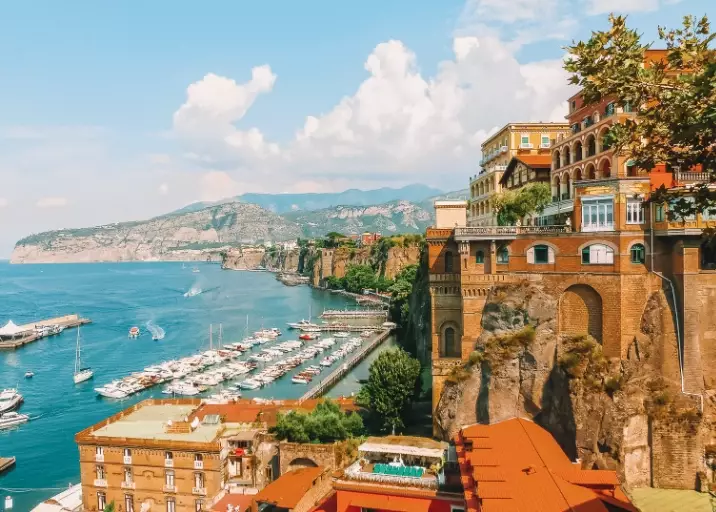
I've lost count of the times I've veered off the *autostrada* and found myself in a piazza where time feels suspended. That's the magic down here. This guide isn't about ticking boxes. It's about giving you the map to find those moments for yourself. We'll dig into the regions, the can't-miss spots, the under-the-radar gems, and the practical stuff nobody tells you until you're there, wondering where to park your rental car (a universal struggle).
The Lay of the Land: Southern Italy's Distinct Regions
You can't just say "Southern Italy." It's a mosaic of distinct areas, each with its own personality, dialect, and culinary pride. Getting this straight is the first step to planning a trip that matches your vibe.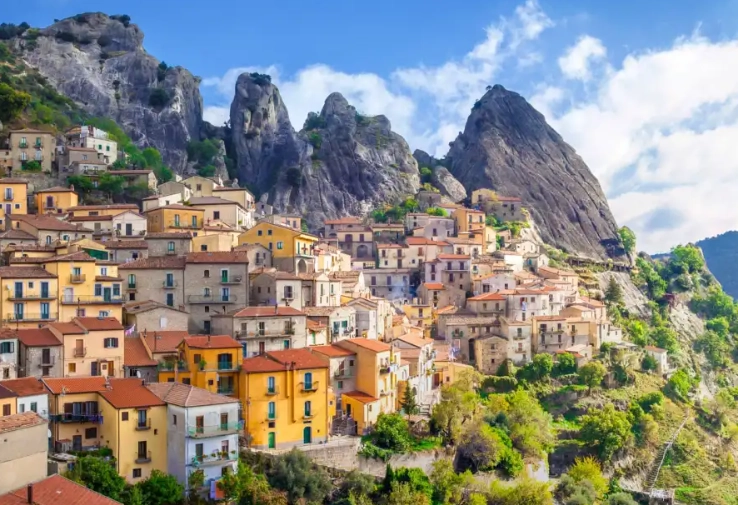
Campania: The Volcanic Heart
Naples is the chaotic, glorious capital of the south. It's not a quiet town, but it's the gateway. From here, you access the legends: the Sorrento Peninsula, the Amalfi Coast, and Pompeii. The coast gets all the fame, but inland Campania holds treasures like Benevento, with its mysterious Lombard history and legendary *strega* (witch) liqueur.
The Amalfi Coast towns—Positano, Amalfi, Ravello—are stunning. They're also packed and pricey. My take? Ravello, perched high above, feels more refined and less cramped than Positano. The views from Villa Cimbrone are stupidly beautiful. But for a slice of local life, look at Minori or Maiori. They have the same seaside charm, great food (Minori is famous for pasta), and fewer day-trippers.
Puglia: The Sun-Baked Heel of the Boot
This is my personal favorite for a deep dive into towns in Southern Italy. It's more relaxed than Campania, flatter, and draped in olive groves. The architecture is unique. In the Valle d'Itria, you have the conical *trulli* houses of Alberobello—a UNESCO site that's fascinating, though admittedly very tourist-focused. For a more lived-in *trulli* experience, the countryside around Locorotondo (a circular town with blindingly white streets) or Cisternino is perfect.
Then you have the Baroque explosion of Lecce, the "Florence of the South." The golden stone seems to melt under the sculptor's tools. And don't ignore the coastal towns. Polignano a Mare, with its dramatic cliffs and pebble beach wedged in a cove, is iconic. Monopoli, just south, is a working fishing port with a gorgeous old town and a more authentic harbor feel.
Basilicata & Calabria: The Wild South
These are the regions for adventurers. Fewer tourists, rougher landscapes, and a raw, powerful beauty. Matera, in Basilicata, is unlike anywhere else on earth. The Sassi (stones) are ancient cave dwellings carved into a ravine, a UNESCO World Heritage site that will leave you speechless. Staying in a cave hotel here is an unforgettable experience. The official Matera tourism site has great historical context.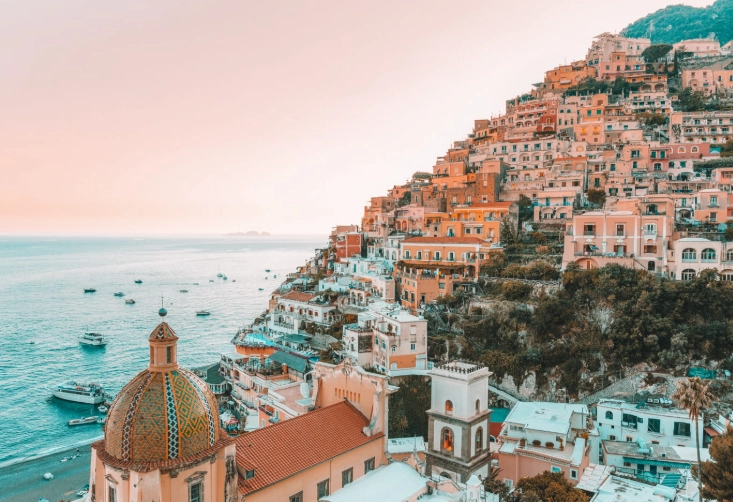
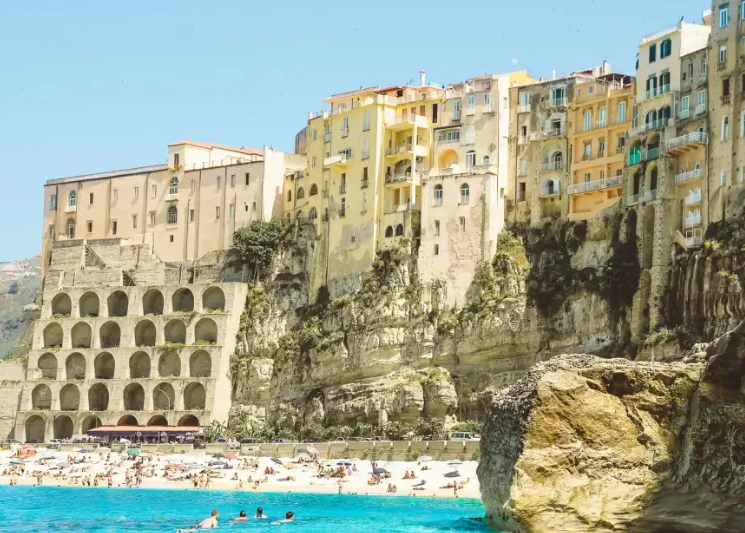
Calabria is the toe of the boot, with rugged mountains dropping into the sea. Tropea is the star, a cliff-top town with a stunning cathedral, red onions, and beaches below. It's gotten popular, but the vibe is still chill. For something quieter, explore the Costa degli Dei (Coast of the Gods) south of Tropea, with villages like Pizzo, famous for its *tartufo* ice cream.
Sicily & Sardinia: The Island Giants
They're technically autonomous regions, but their soul is southern. Sicily is a world unto itself. Forget Palermo and Catania for a second (though they're incredible). The smaller towns are where its heart beats: Cefalù with its Norman cathedral by the sea, Erice shrouded in mist atop a mountain, Modica with its ancient chocolate recipe, and the perfectly preserved Greek theater in Taormina (busy, but worth it for that view of Etna). Sardinia's south, like the area around Cagliari, has a Catalan flair and beaches that defy description.
Your Handpicked List: Towns Worth Building a Trip Around
Okay, let's get specific. Based on different travel styles, here are some towns that aren't just stops, but destinations.
For the Food-Obsessed
- Lecce (Puglia): Beyond Baroque, it's a food hub. Street food like *pasticciotto* (custard pastry) and *rustico* (savory pastry) is a religion. The surrounding Salento area produces powerful red wines like Primitivo and Negroamaro.
- Alberobello (Puglia): Tourist central, yes. But the restaurants in the *trulli* districts serve incredible *orecchiette* with turnip greens and meat grilled in the *fornello pronto* shops.
- Any small town in Cilento (Campania): This is the birthplace of the Mediterranean diet. Think fresh mozzarella di bufala, incredible seafood, and simple, perfect pasta. Acciaroli is a lovely fishing village where the locals are famously long-lived.
For the History Buff
- Matera (Basilicata): The history is literally layered. You can tour Neolithic cave dwellings, rock-hewn churches with Byzantine frescoes, and see how people lived in the *Sassi* until the 1950s. It's a profound experience.
- Erice (Sicily): This medieval hilltop town feels frozen in time. Cobbled streets, ancient castles, and views that stretch to Africa on a clear day. The vibe is mystical, especially when the fog rolls in.
- Benevento (Campania): A history geek's paradise. Roman theater, Trajan's Arch, a museum full of Egyptian-obelisks-turned-Lombard-reliefs. It's complex, layered, and wonderfully untouristy.
See what I mean? Choosing towns in Southern Italy is about picking your flavor of experience.
For the Beach & Scenery Seeker
- Polignano a Mare (Puglia): The poster child for dramatic coastline. Swim in the famous Grotta Palazzese cove, walk the cliff-top paths, and get lost in the whitewashed old town.
- Positano (Campania): It's the classic for a reason. The vertical stack of pastel houses spilling down to the sea is iconic. Go early in the morning or late in the evening to avoid the worst of the day-trip crowds. The beach is pebbly, but the setting is unmatched.
- Scilla (Calabria): A picturesque fishing village on the Strait of Messina. The Chianalea district, with houses built into the water, is called "Little Venice." It's stunning, great for seafood, and you can watch the mythical whirlpool of Charybdis across the water.
How to Navigate the Practical Stuff (The Unsexy, Essential Guide)
This is where most generic guides fall short. Let's talk reality.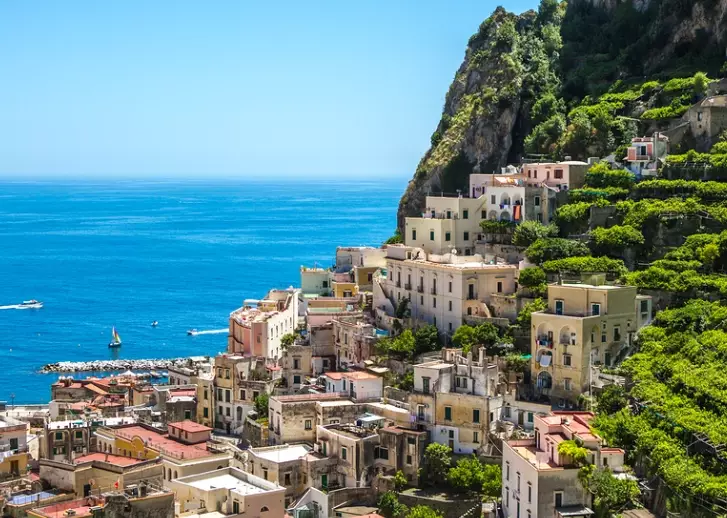
When to Go: July and August are hot, crowded, and expensive. The sweet spots are May-June and September-October. The weather is still glorious, the sea is warm, and you can actually find a parking spot. Some places, especially in inland Puglia or Basilicata, can feel very quiet or even closed in the winter, except for Christmas periods.
Accommodation: Look for masseria in Puglia (fortified farmhouse estates), agriturismi (farm stays) anywhere, or palazzo conversions in historic centers. They offer more character than standard hotels. In places like Matera or a *trulli*, you're paying for a unique architectural experience.
The Pace: Things close in the afternoon. Really. From about 1 pm to 4 or 5 pm, shops shutter, and towns go quiet for the *riposo*. It's not laziness; it's adapting to the heat. Embrace it. Have a long lunch, go back to your room for a nap, and then head out refreshed for the evening *passeggiata* when the town comes alive again.
Comparing the Classics: A Quick-Reference Table
To help you visualize the differences between some of the heavy hitters, here's a breakdown.
| Town | Region | Vibe | Best For | Consideration |
|---|---|---|---|---|
| Alberobello | Puglia | Unique, Photogenic, Tourist-Focused | First-time visitors, architecture lovers, unique stays in a *trulli*. | Can feel like an open-air museum. Very busy during the day. |
| Matera | Basilicata | Historical, Dramatic, Atmospheric | History buffs, photographers, those seeking a truly unique experience. | The *Sassi* involve a lot of steep walking. Not a classic "beach" destination. |
| Positano | Campania | Glamorous, Scenic, Bustling | Romantic getaways, iconic views, high-end shopping. | Extremely expensive. Very crowded. Difficult parking/access. |
| Lecce | Puglia | Elegant, Lively, Cultural | Foodies, Baroque art, a town with great evening energy. | Inland, so no beaches (but the coast is 30 mins away). |
| Tropea | Calabria | Chill, Scenic, Beachy | Beach relaxation, cliff-top views, a less polished feel. | Getting there can involve long drives. Infrastructure is simpler. |
Answering Your Burning Questions
Wrapping It Up: Finding Your Southern Italian Town
So, where should you go? It depends. Want drama and history that punches you in the gut? Matera. Dreaming of lazy days between sea and olive groves with incredible food? Pick a town in Puglia like Ostuni or Monopoli. Craving iconic, heart-stopping scenery and can handle the crowds? The Amalfi Coast awaits. Looking for raw, undiscovered beauty with a challenge? Calabria's coast is calling.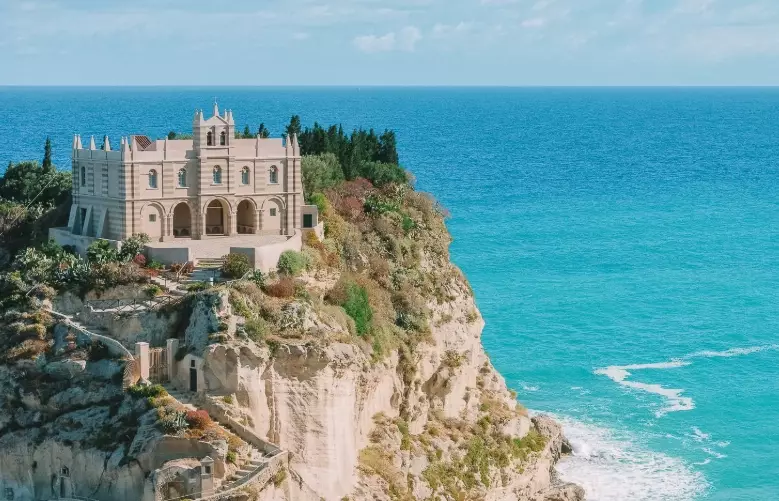
The common thread through all these towns in Southern Italy is a palpable sense of place. The history isn't behind glass; it's the wall of your hotel. The food isn't a trend; it's a centuries-old tradition. It can be messy and imperfect. A bus might be late, a restaurant might be closed for a family event, and you will definitely get lost.
But that's the point. You're not a spectator here. You're stepping into a living, breathing, vibrant culture that operates on its own terms. Embrace that, and you won't just visit Southern Italy. You'll feel it. And trust me, it stays with you long after you've come home.
Really, just go. Pick a spot, dive in, and let the south work its magic. You can thank me later.