Explore This Guide
Let's get straight to the point. Is South Korea a nice place to visit? I remember asking myself that exact question before my first trip. I'd seen the K-dramas, heard the K-pop, and was curious about the food that everyone raved about. But was it all just hype? After spending a significant amount of time there, wandering from the buzzing streets of Seoul to the serene temples in the mountains, I can give you a straight answer: absolutely, it is. But like any destination, it has its own rhythm, its own quirks, and knowing what to expect makes all the difference between a good trip and a great one.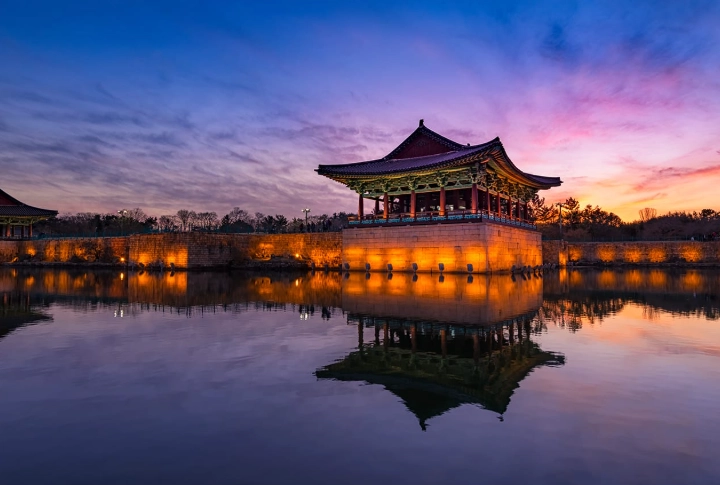
This isn't a glossy brochure. We're going to talk about the incredible stuff—the palaces that make you feel like you've stepped back in time, the food markets that are a feast for all senses, the stunning coastal scenery. But we'll also touch on the less glamorous bits, like navigating the subway during rush hour (not for the faint of heart) or dealing with the language barrier in smaller towns. My goal here is to give you the real picture, the kind of info I wish I had before I went, so you can decide for yourself if South Korea is the right nice place for you to visit.
The Core Appeal: Think of South Korea as this fascinating blend of hyper-modern and deeply traditional. You can be shopping in a futuristic district like Gangnam in the morning and sipping tea in a 600-year-old hanok (traditional house) village in the afternoon. The efficiency is mind-blowing, the food is addictive, and the people, while sometimes reserved at first, are incredibly kind and helpful once you interact.
Building Your South Korea Adventure: A Realistic Blueprint
Jumping in without a plan can work for some places, but for a first-time visit to South Korea, a little structure goes a long way. The country is packed with things to see and do, and distances can be deceptive. Here’s a breakdown of how to think about your itinerary, whether you have a week or a month.
If You Have One Week (The Classic Introduction)
Focus is key. Don't try to see the whole country. You'll spend half your time on trains. For a one-week trip, anchoring yourself in Seoul with a 2-day side trip is the smart move.
- Days 1-4: Dive Deep into Seoul. This gives you time to explore the royal palaces (Gyeongbokgung and Changdeokgung are musts), get lost in Bukchon Hanok Village, experience the electric energy of Myeongdong and Hongdae, and of course, eat your way through the city. A day trip to the DMZ is also a powerful and unique experience.
- Days 5-6: A Taste of Tradition or Coast. Take the high-speed KTX train (it's an experience in itself) for an overnight trip. Your two best options: Gyeongju, the "museum without walls" full of ancient Silla kingdom tombs and temples, or Busan, for its vibrant port culture, seafood markets, and beautiful beaches like Haeundae.
- Day 7: Final Seoul Explorations & Departure. Pick up any last-minute souvenirs in Insadong, do a final food crawl, or visit a museum you missed.
I made the mistake on my first short trip of trying to squeeze in both Gyeongju and Busan. It was exhausting. Pick one. You'll enjoy it more.
If You Have Two Weeks or More (The Deeper Dive)
Now you're talking. This is where you can truly appreciate why South Korea is such a nice place to visit for travelers who like variety.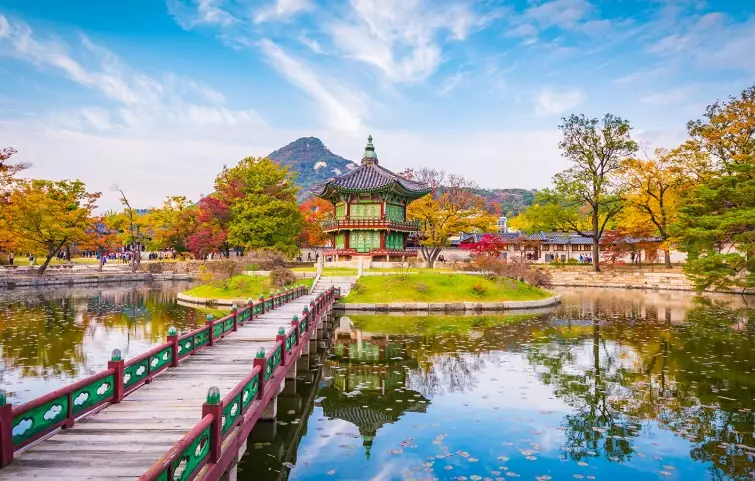
| Region | Highlights & Vibe | Recommended Stay | Personal Take |
|---|---|---|---|
| Seoul & Surrounds | Palaces, cutting-edge districts, street food, nightlife, day trips to DMZ or Suwon Fortress. | 5-6 days | The heart of it all. Can feel overwhelming, but the energy is contagious. |
| Busan | Oceanside city with great seafood (Jagalchi Market!), unique culture, Gamcheon Culture Village, relaxed beaches. | 3 days | A fantastic contrast to Seoul. More laid-back, amazing coastal walks. |
| Gyeongju | Historical capital, serene atmosphere, ancient tombs (Daereungwon), Bulguksa Temple. | 2 days | Peaceful and beautiful. Rent a bike to explore. Feels like a different country. |
| Jeonju | The birthplace of bibimbap! Huge, beautiful hanok village, incredible traditional food scene. | 1-2 days | A food lover's paradise. The hanok village is one of the best-preserved. |
| Jeju Island | Volcanic island, natural wonders (Hallasan Mountain, lava tubes), waterfalls, distinct culture. | 4-5 days | Like a subtropical getaway within Korea. Requires a flight but is worth it for nature lovers. |
Transport Tip: Get a T-money card in Seoul (works in most cities). For long-distance travel, the KTX train is fast and comfortable. Booking tickets in advance on the Korail website is wise for popular routes, especially on weekends. Buses are extensive and often cheaper, great for reaching smaller towns.
Unpacking the "Nice": What Makes South Korea Shine
Okay, so we keep saying it's a nice place to visit. Let's break down what that actually means on the ground.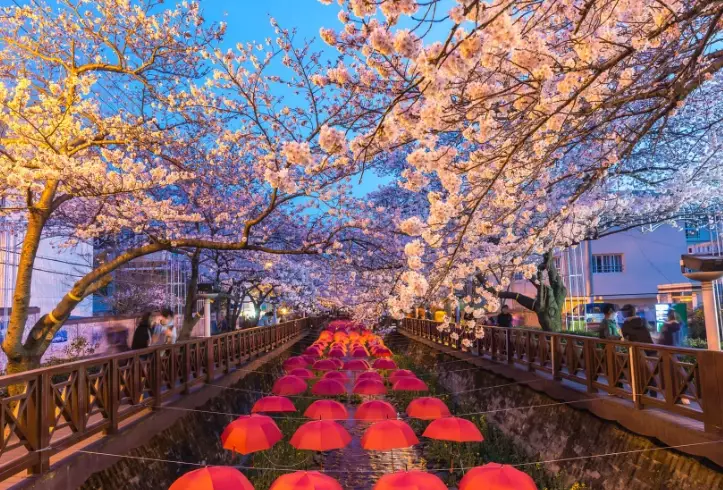
For Foodies: It's a Culinary Wonderland
This might be the number one reason for many. Korean food is bold, flavorful, and diverse. It's not just about barbecue and kimchi (though both are stellar).
- Street Food Heaven: Myeongdong at night is a spectacle. Tteokbokki (spicy rice cakes), hotteok (sweet pancakes), tornado potatoes, and more. It's cheap, delicious, and part of the experience.
- Local Markets: Places like Gwangjang Market in Seoul or Jagalchi in Busan are immersive. Sit down at a stall for fresh hoe (sliced raw fish) or a bowl of piping hot kalguksu (noodle soup). Don't be shy—pointing and smiling works.
- The Side Dish Culture (Banchan): Every meal comes with an array of small side dishes. It's not just kimchi; you might get seasoned spinach, bean sprouts, radish, fish cakes. It's inclusive and makes every meal feel like a feast.
For Culture & History Buffs: Layers of the Past
South Korea does an amazing job of preserving and presenting its history in engaging ways.
The Royal Palaces in Seoul, like Gyeongbokgung, are stunning. Time your visit for the changing of the guard ceremony—it's quite a show. For a more intimate look, the secret garden (Huwon) at Changdeokgung Palace requires a guided tour booked in advance through their official site, but it's worth the hassle.
Then you have places like Bulguksa Temple in Gyeongju, a UNESCO World Heritage site that feels profoundly peaceful. Walking among the ancient stone pagodas and statues is humbling. It's a stark, beautiful contrast to the neon of Seoul and really drives home the country's depth.
For the Practical Traveler: Efficiency and Safety
This is a huge plus. South Korea is incredibly safe. You can walk around at night in most areas with very little concern. Public transportation is clean, reliable, and has signs and announcements in English. The WiFi is fast and everywhere—even in many subways and parks. It's a country that works, which removes a lot of stress from travel.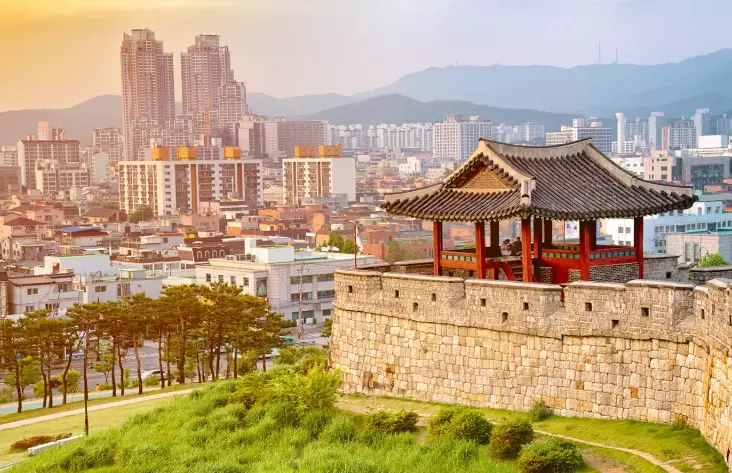
A Small Caveat: The efficiency can sometimes feel... impersonal. Service can be brisk, not chatty. Don't expect long conversations with waitstaff; they're focused on getting the job done. It's not rudeness, just a different pace.
Beyond the Highlights: Hidden Gems & Seasonal Perks
Anyone can visit the top spots. But what about those special places that make you feel like you've discovered something? And when is the best time to go?
Seasons: Picking Your Perfect Time
- Spring (April-June): Arguably the best time. Cherry blossoms! The weather is mild. The whole country seems to bloom. It's also peak tourist season, so book early.
- Autumn (September-November): My personal favorite. Crisp air, stunning fall foliage, especially in the mountains and around temples. Fewer crowds than spring after Chuseok (harvest festival).
- Summer (July-August): Hot, humid, and rainy. The monsoon season (Jangma) in July can be a drag. However, beach destinations like Busan come alive, and there are cool indoor activities.
- Winter (December-March): Cold and dry. Fantastic for winter sports, visiting ski resorts, and enjoying warm stews like budae jjigae (army stew). Seoul can feel magical around Christmas, and the palaces look beautiful in the snow. Just pack a good coat.
A Few Lesser-Known Spots to Consider
If your schedule allows, venture off the main trail.
Suncheon Bay Wetland Reserve: A massive, beautiful coastal wetland with reeds and mudflats. Great for birdwatching and a peaceful walk. It feels a world away from the cities.
Andong Hahoe Folk Village: A UNESCO-listed village that's more "lived-in" and authentic than some others. It's known for its mask dance drama and traditional yangban (aristocratic) culture. A bit of a trek, but rewarding.
Jeonju Hanok Village: I mentioned it for food, but it deserves another nod. Staying in a hanok guesthouse here—sleeping on ondol (heated floor) bedding—is a unique experience. Waking up and walking through the quiet, tiled-roof lanes in the morning mist is unforgettable.
Finding these quieter corners really solidifies the feeling that South Korea is a nice place to visit for all kinds of moods—you can find your hustle or your peace.
Navigating Potential Hurdles: The Not-So-Glossy Bits
To be truly helpful, we have to talk about the challenges. No place is perfect.
The Language Barrier: Outside of Seoul's tourist hubs and major hotels, English proficiency drops quickly. Learn a few key phrases (hello, thank you, please, one of this). Have your destination written in Korean on your phone or a piece of paper for taxi drivers. Papago is a far better translation app than Google Translate for Korean—download it.
Air Quality: This can be a real issue, especially in spring (yellow dust) and sometimes due to industrial factors. Check an app like AirVisual. On bad days, you'll see everyone in masks. It's wise to pack a few KF94 masks—they're for pollution, not just health.
Cash vs. Card: Korea is largely a cashless society. Credit/debit cards are accepted almost everywhere, even in tiny market stalls. However, some small guesthouses or street food stalls might prefer cash. T-money cards need cash to top up. Having some Korean Won on you is still a good idea.
The Pace: Seoul, in particular, moves fast. People walk quickly, lines move efficiently, and it can feel intense. It's energizing for a while, but can be tiring. Schedule some downtime in a cafe or park.
Answers to Questions You're Probably Asking
Let's tackle some specific things people wonder about when planning a trip.
Is it expensive to visit South Korea?
It's mid-range. Not as cheap as Southeast Asia, but generally more affordable than Japan or Western Europe. Accommodation in Seoul can be pricey, but food can be very reasonable, especially if you eat like a local at markets and casual restaurants. Public transport is cheap. You can tailor it to a budget or splurge.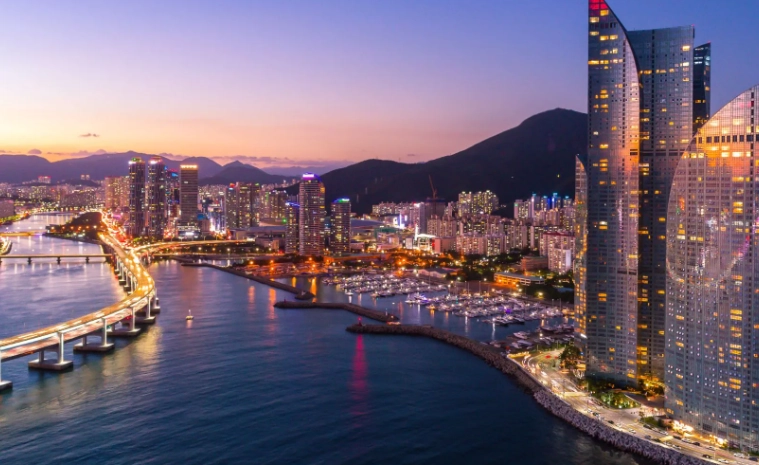
Do I need a visa?
This depends entirely on your passport. Citizens of many countries (like the US, UK, Canada, EU, Australia) get visa-free entry for short-term tourism (usually 90 days). Always double-check the latest requirements with the official Korean Ministry of Foreign Affairs website or your local Korean embassy well before your trip. Rules can change.
What about etiquette and manners?
Koreans are generally understanding of tourists, but a few things go a long way. Use both hands to give or receive something, especially money or a business card. Don't stick your chopsticks upright in your rice (it's a funeral rite). Pour drinks for others, not yourself. And while not a strict rule, being noticeably loud on public transport or in restaurants might draw stares.
Can I get by as a vegetarian/vegan?
It's challenging, but not impossible. Korean cuisine uses a lot of meat, fish, and seafood-based broths. Even seemingly vegetarian dishes might have hidden anchovy powder. Learn to say "I am vegetarian" in Korean ("Chaesikjuuija-imnida"). Look for dedicated vegetarian/vegan restaurants, which are increasing in big cities. Buddhist temple food is a fantastic vegan option if you get the chance.
Final Thoughts: Making the Decision
So, back to the big question. Is South Korea a nice place to visit?
If you're looking for a destination that offers an incredible mix of cutting-edge city life, profound historical sites, outstanding and unique food, natural beauty, and the ease of a safe, efficient society, then yes, it absolutely is. It's a country that engages all your senses. You'll see stunning architecture, hear the constant buzz of life, taste flavors that might be completely new, and feel the warmth of its people once you connect.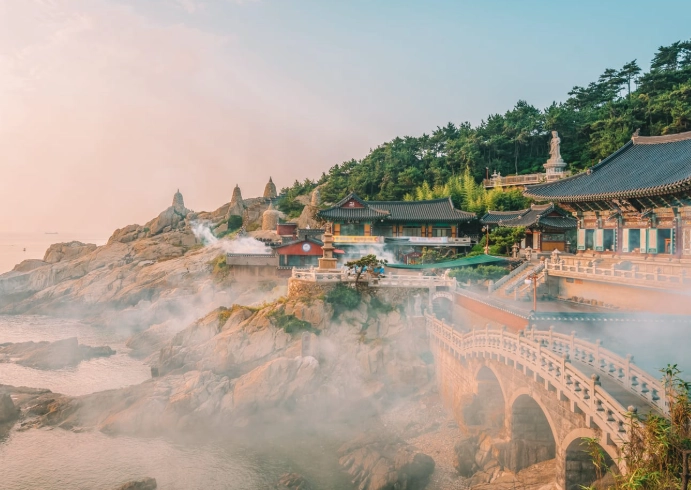
It might push you out of your comfort zone at times—the language, the crowds, the sheer intensity of Seoul. But that's part of the adventure, isn't it? The moments of slight confusion are often followed by moments of pure delight: finding a perfect quiet alley in Bukchon, mastering the art of grilling your own samgyeopsal, or seeing a sea of cherry blossoms in full bloom.
My advice? Go with an open mind and a hungry stomach. Do a bit of planning, but leave room to get lost. Talk to people, even if it's just through gestures. South Korea has a way of surprising you in the best ways. For a traveler seeking culture, convenience, and cuisine all in one dynamic package, it's more than just a nice place to visit—it's a truly memorable one.
Start looking at flights. Your adventure is waiting.