Your Quick Guide to Italian Cities
- Before We Dive In: The Golden Rules for Picking Your Italian Cities
- The Main Players: Italy's Iconic Cities (And Who They're For)
- The Underrated Gems: Cities That Deserve a Spot on Your List
- How to Build Your Itinerary: Matching Cities to Your Trip
- Quick-Reference City Comparison
- Answers to the Questions You're Actually Asking (The FAQ)
- The Final Word: It's About Your Experience
Look, planning a trip to Italy is exciting, but let's be honest – it can also be a bit of a headache. You've got friends raving about Rome, Instagram flooded with Florence, and maybe your grandma told you you must see Venice before it sinks. Where do you even start? Picking the right cities to visit in Italy isn't just about ticking boxes off a list; it's about matching places to your own travel vibe. Are you here for the art, the food, the history, or just to live your best dolce vita life on a coastal terrace?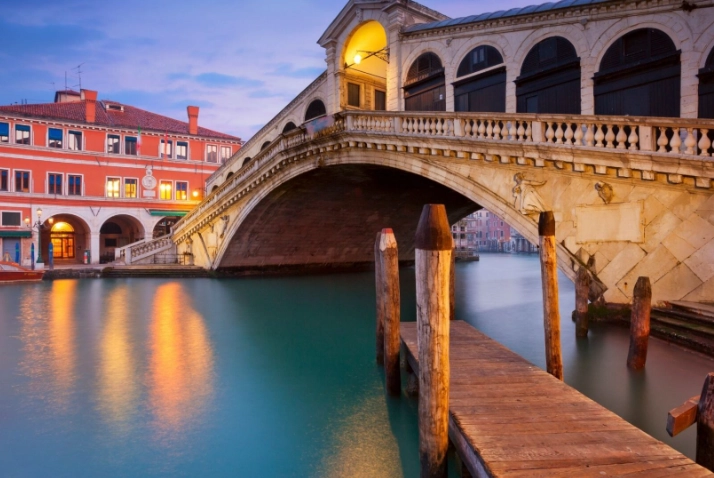
I've been traveling around this boot-shaped country for years, sometimes as a wide-eyed tourist, other times trying to blend in like a local (and failing miserably at the latter, my Italian is still tragic). I've had sublime meals and paid too much for terrible tourist trap pasta. I've gotten lost in medieval alleyways that felt like magic and been stuck in crowds that felt like a subway at rush hour.
This guide is my attempt to cut through the noise. We won't just list places. We'll dig into what each city feels like, who it's best for, and the stuff nobody really tells you upfront. Think of it as a chat with a friend who's been there, done that, and has some strong opinions about limoncello.
The Core Idea: Italy isn't a monolith. The chaotic energy of Naples is a world away from the polished elegance of Milan. Your perfect itinerary depends entirely on what you're after. First-time visitor? History buff? Food obsessive? Honeymooner? We'll match the cities to you.
Before We Dive In: The Golden Rules for Picking Your Italian Cities
Okay, hold up. Before we get into the specific spots, let's lay down some ground rules. These are the things I wish I knew before my first trip.
Rule 1: Don't Try to See Everything. Seriously. Italy is dense. It's not a big country, but every region packs a punch. Trying to hit Rome, Florence, Venice, the Amalfi Coast, and the Dolomites in 10 days is a recipe for burnout. You'll spend half your trip on trains or in airports, and remember nothing but the inside of a Frecciar carriage. Depth over breadth is the mantra here.
Rule 2: Consider the Base-City Strategy. Instead of changing hotels every two nights, pick one or two central cities and do day trips. Florence is a fantastic base for Tuscany (Siena, San Gimignano, Lucca). Bologna is a foodie hub perfect for exploring Emilia-Romagna. You save packing time and get to know one place more intimately.
Rule 3: Season Matters. A Lot. Visiting Venice in July is a different, sweatier, more crowded beast than Venice in late October. Summer means crowds and high prices everywhere. Shoulder seasons (April-June, September-October) are generally ideal. Winter has its own charm in the cities (fewer queues, Christmas markets), but some coastal towns shut down.
Rule 4: Embrace the Pace. This is Italy. Things move slower. A two-hour lunch isn't wasted time; it's the main event. Schedule in downtime. Get lost. Sit in a piazza with a coffee and just watch. The best moments often happen between the guidebook entries.
The Main Players: Italy's Iconic Cities (And Who They're For)
These are the heavy hitters, the places you've definitely heard of. They're popular for a reason, but they also come with challenges. Let's break them down honestly.
Rome: The Eternal (And Exhausting) City
Rome is... a lot. In the best and most overwhelming way possible. It's not a city that whispers; it shouts. You'll turn a corner and boom, there's the Colosseum. You're eating gelato and oh look, the Pantheon. The history here isn't in a museum; it's the fabric of the city.
Best For: First-timers, history fanatics, anyone who wants that classic "I'm in Italy!" feeling. It's a must for understanding the country's layered past.
The Not-So-Great: It's chaotic, noisy, and can feel grimy in places. Pickpockets are a real concern in crowded areas like the Metro and Termini station. It's also huge – walking everywhere is ambitious. You'll need to use the metro, buses, or taxis.
Can't-Miss & Overrated: The Vatican Museums and Sistine Chapel are legitimately breathtaking, but book a skip-the-line ticket months in advance or prepare for soul-crushing queues. The Trevi Fountain is beautiful but a 24/7 human zoo. For a more magical fountain experience, seek out the smaller Fontana delle Tartarughe. Trastevere, across the river, is the neighborhood for a more local-feeling evening of winding streets and great trattorias.
For official ticketing and opening hours, always check the source. The official Vatican Museums website (museivaticani.va) is the only place to guarantee legitimate tickets.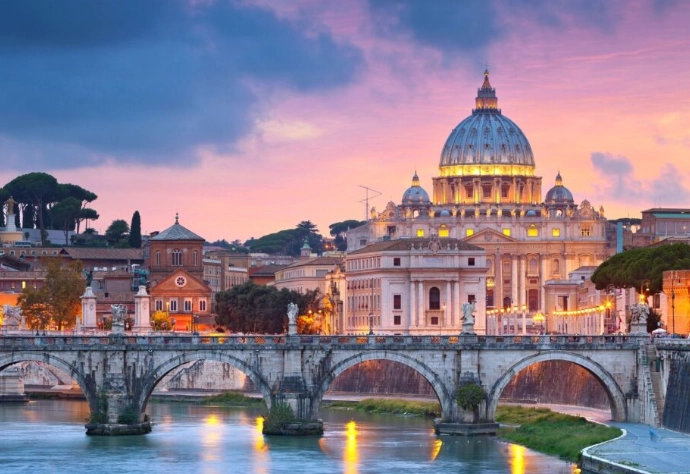
Florence: The Cradle of the Renaissance
If Rome is a roaring epic, Florence is a perfectly composed sonnet. The scale is human, the streets are walkable, and the concentration of art is almost absurd. You can't swing a dead cat without hitting a masterpiece here.
Best For: Art lovers, romance, shoppers (especially for leather), and those who prefer a more manageable, picturesque city center.
The Not-So-Great: It can feel a bit... precious. Or like an open-air museum. The tourist core around the Duomo is perpetually packed. In peak season, it loses some of its authentic charm under the weight of tour groups.
Local Tip: The secret to Florence is the view from across the Arno River. Climb up to Piazzale Michelangelo (or the quieter Giardino delle Rose right below it) for sunset. That postcard view of the Duomo and Ponte Vecchio? Worth every step. Also, most people just see the statue of David in the Accademia. The real magic for me was the Uffizi Gallery – seeing Botticelli's "Birth of Venus" in person is a different thing altogether. Book tickets online for both, always.
The official portal for Florence's civic museums, including the Uffizi and Accademia, is uffizi.it. It's your best bet for accurate info and tickets.
Venice: The Floating Fairy Tale (Yes, It's Still Worth It)
Let's address the elephant in the room: Venice is crowded, expensive, and some parts feel like a theme park. I get the criticism. But here's the thing – when you wander away from the St. Mark's Square-Rialto Bridge axis, you find a quiet, mysterious, and utterly unique city.
Best For: Romantics, photographers, and travelers who appreciate unique atmospheres. It's a one-of-a-kind place on earth.
The Not-So-Great: The crowds are no joke. Cruise ship days are particularly intense. It's easy to get lost (though that's part of the fun). It's also the most expensive city on this list for food and lodging. And yes, it can smell in certain canals on a hot day.
Venice Survival Tip: Stay overnight. The day-trippers leave by late afternoon, and the city transforms. Have an *aperitivo* in a canalside *campo* (square) in Dorsoduro or Cannaregio and you'll see a different, more local Venice. Also, just walk. The vaporetto (water bus) is useful for long distances, but the magic is in the maze of alleyways.
For tide forecasts, transportation info, and official city news, the Comune di Venezia official website is an essential resource, especially if you're concerned about *acqua alta* (high water).
The Underrated Gems: Cities That Deserve a Spot on Your List
If you want to escape the biggest crowds and feel like you're discovering something, these are the cities to visit in Italy that often fly under the radar but deliver massively.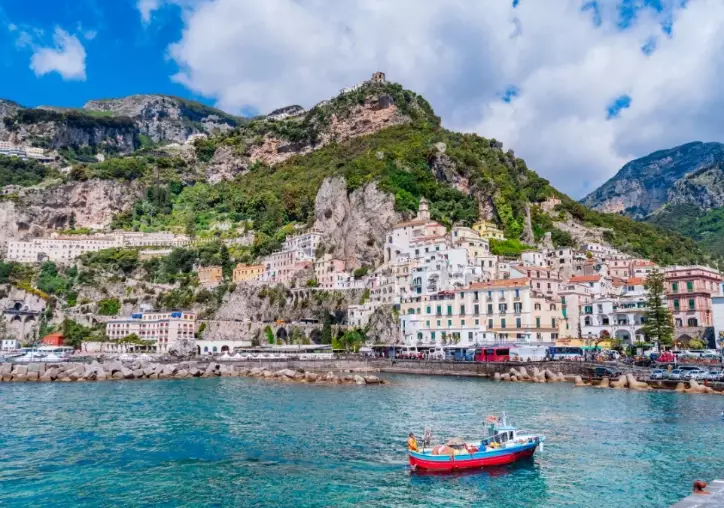
Bologna: The Fat, The Red, The Learned
Bologna's nicknames tell you everything: *La Grassa* (The Fat) for its incredible food, *La Rossa* (The Red) for its terracotta rooftops and political leanings, and *La Dotta* (The Learned) for its ancient university. This is a real, working Italian city. No floating palaces or leaning towers, just sublime architecture, endless porticoes to walk under, and arguably the best food in Italy.
Why it's special: It's the capital of Emilia-Romagna, the country's culinary heartland. Parmigiano Reggiano, Prosciutto di Parma, balsamic vinegar from Modena – this is the source. The food markets, like Mercato di Mezzo, are heaven. The two leaning towers (Asinelli and Garisenda) offer a quirky, crowd-free alternative to Pisa. It's also a fantastic, less stressful base city.
My personal take: I had the best meal of my life in a tiny trattoria just off Piazza Maggiore. No menu, just what the nonna was cooking that day. It felt more genuine than any meal in the more tourist-centric cities.
Naples: The Chaotic, Heartfelt South
Naples is Italy with the volume turned to 11. It's loud, it's messy, it's vibrant, and it's alive in a way that can be shocking after the order of the north. This isn't a city for everyone. But if you want raw energy, the birthplace of pizza, and a gateway to Pompeii and the Amalfi Coast, it's unforgettable.
Why it's special: Authenticity. This isn't a city curated for tourists. It's a living, breathing, sometimes frustrating, always fascinating place. The historic center is a UNESCO World Heritage site. And it's your launchpad for day trips that are absolute blockbusters.
For archaeological info, the official site for Pompeii (pompeiisites.org) is crucial for planning your visit from Naples.
Turin: The Elegant Northern Star
Turin (Torino) is often overlooked, which is a shame. It feels more French than Italian, with grand boulevards, elegant cafes, and a regal atmosphere as the former capital of the Kingdom of Savoy and later, Italy. It's the home of Fiat, the Shroud of Turin, and some of Italy's best chocolate and vermouth.
Why it's special: It's sophisticated and less crowded. The Egyptian Museum is second only to Cairo's. The Mole Antonelliana, the city's symbol, houses a breathtaking cinema museum. It's also the gateway to the Piedmont wine region (Barolo, Barbaresco) and the Alps. Perfect for travelers who want culture without the circus.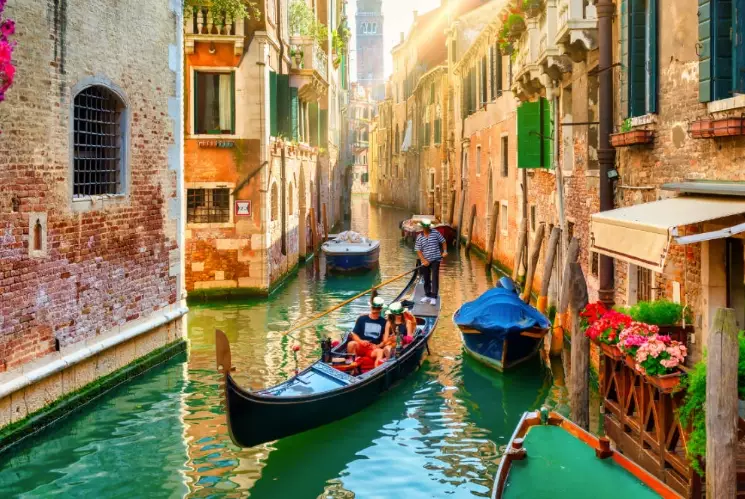
How to Build Your Itinerary: Matching Cities to Your Trip
Let's get practical. Here are some sample frameworks based on trip length and interest. Remember, these are templates – adjust based on your own pace.
The Classic First-Timer (7-10 Days)
Route: Rome → Florence → Venice
The golden triangle. It's popular because it works. You get ancient history, Renaissance art, and the unique canal city. Use high-speed trains between them (about 1.5-2 hours each leg). Spend the most time in Rome, as it's the largest and most demanding.
Variation: Add a day trip from Florence to Siena or Pisa, or from Rome to Tivoli or Ostia Antica.
The Food & Culture Lover (10-14 Days)
Route: Bologna (Base) → Florence → Rome
Start in Bologna to immerse in food culture. Take day trips to Modena (for balsamic vinegar and Ferrari museums), Parma (for ham and cheese), or Ravenna (for stunning Byzantine mosaics). Then head to Florence and Rome for the art and history. This gives you a deeper regional experience.
The South & Sunshine Explorer (10-12 Days)
Route: Naples (Base) → Amalfi Coast/Pompeii → + maybe Sicily or Puglia
Base yourself in chaotic, vibrant Naples. Day trip to Pompeii/Herculaneum and Sorrento/Capri/Positano. For a longer trip, you can ferry to Sicily (Palermo) or train down to Puglia (Lecce, Alberobello) for a completely different southern Italian vibe.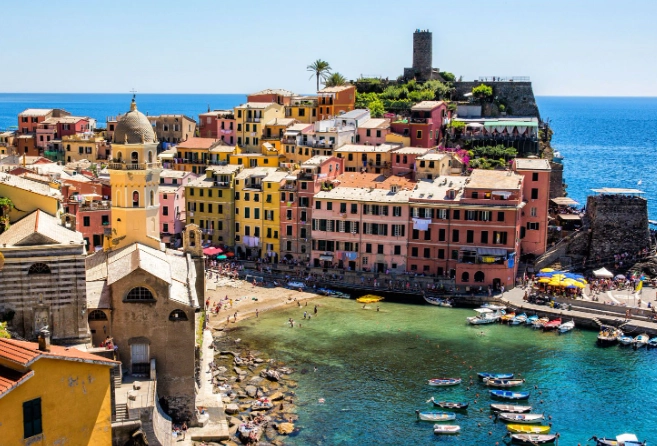
Quick-Reference City Comparison
Sometimes you just need to see it side-by-side. This table sums up the key vibes and logistics of the top cities to visit in Italy.
| City | Primary Vibe | Best For | Ideal Stay | Key Consideration |
|---|---|---|---|---|
| Rome | Grand, Historic, Chaotic | History, First Timers, Iconic Sights | 4-5 days | Very large & tiring; needs planning |
| Florence | Artistic, Compact, Refined | Art, Romance, Walking | 3-4 days | Can feel tourist-saturated |
| Venice | Unique, Romantic, Atmospheric | Photography, Unique Experience | 2-3 days | Very expensive; extremely crowded |
| Bologna | Authentic, Foodie, Lively | Food, Local Life, Base for Day Trips | 3-4 days | Fewer "iconic" tourist sights |
| Naples | Vibrant, Chaotic, Raw | Pizza, Archaeology, Gateway to South | 2-3 days | Can be intense & requires caution |
| Turin | Elegant, Cultural, Orderly | Museums, Chocolate, Alpine Access | 2-3 days | Less "classically Italian" feel |
See? It helps to visualize. A city like Bologna offering a 3-4 day stay doesn't mean it has less, it means it's a deeper, more relaxed experience versus the frantic checklist of Rome.
Answers to the Questions You're Actually Asking (The FAQ)
Let's get to the nitty-gritty. Here are the real questions people have when figuring out their Italian city-hopping.
What are the best cities to visit in Italy for a first-time visitor?Rome, Florence, and Venice. It's the classic trio for a reason. They offer the highest concentration of "must-see" sights and give you a broad taste of Italy's diversity – ancient, Renaissance, and unique. If you only have time for two, make it Rome and Florence. They are more complementary in terms of travel logistics.
Hands down, the train. Italy has an excellent high-speed rail network (Trenitalia's Frecciarossa and Italo) connecting major cities. Rome to Florence is about 1.5 hours, Florence to Venice about 2 hours. It's fast, comfortable, and city center to city center. Book in advance on the official Trenitalia (trenitalia.com) or Italo (italotreno.it) websites for the best fares. Buses are cheaper but slower. Flying is only worth it for long distances (e.g., Rome to Palermo).
Generally, yes, very safe. The trains are secure and well-patrolled. The primary safety issue in Italy is petty crime in crowded tourist areas – pickpocketing and bag snatching. Be vigilant in major train stations (Termini in Rome, Centrale in Milan), on packed metros, and at major sights. Keep valuables out of sight, use a cross-body bag, and don't leave phones/wallets on cafe tables. Violent crime against tourists is extremely rare.
Two, maybe three max. A good rule is a minimum of 3 full nights per city. So for 10 days, you could do: 4 nights Rome, 3 nights Florence, 3 nights Venice (with travel time eating into some days). Or, for a slower pace: 5 nights Rome, 5 nights Florence with a day trip to Siena. Trying to add a fourth city like Milan or Naples will make the trip feel rushed and exhausting.
We talked about Bologna, Naples, Turin. Others worth a deep dive: Lecce (the "Florence of the South" in Puglia, with incredible Baroque architecture). Perugia (a stunning hill town in Umbria, home to chocolate and a great university vibe). Trieste (a fascinating, melancholic port city with Austro-Hungarian flair, near Slovenia). Matera (not a city in the traditional sense, but a jaw-dropping ancient town of cave dwellings, a UNESCO site).
The Final Word: It's About Your Experience
Look, you can't go that wrong. Even a chaotic, over-planned trip to Italy is still a trip to Italy. You'll eat well, see incredible things, and come home with stories.
But with a little strategy, you can have a great trip instead of just a good one.
The best cities to visit in Italy are the ones that speak to you. Want to be dazzled by history? Rome. Want to be moved by art? Florence. Want to eat until you weep with joy? Bologna. Want to be completely disoriented in the best way? Venice.
Do your research, book the big tickets early, but then pack your bag, lace up your most comfortable shoes, and go get pleasantly, wonderfully, deliciously lost. Buon viaggio!