Iceland isn't a place you just visit; it's a place that gets under your skin. The raw power of its landscapes—volcanoes, glaciers, geysers, and black sand beaches—creates a sense of awe that's hard to find anywhere else. But figuring out what to do in Iceland can feel overwhelming. Should you stick to the famous Golden Circle? Brave the Ring Road? Chase waterfalls or search for the elusive Northern Lights? This guide cuts through the noise. I've spent years exploring this island, from the packed tourist spots to the empty fjords where you might not see another soul all day. Here’s everything you need to know to plan a trip that's uniquely yours.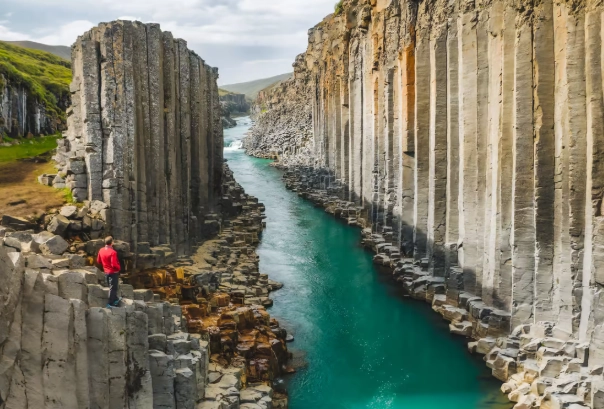
Your Iceland Adventure at a Glance
Must-See Natural Wonders in Iceland
This is why you come. Iceland's landscapes are its starring attraction. While you could spend a lifetime exploring, these are the foundational sights that belong on any first-timer's list.
The Golden Circle: Iceland's Classic Route
It's popular for a reason. This 300-kilometer loop from Reykjavik packs three iconic stops into a manageable day trip. Þingvellir National Park (Thingvellir) is a UNESCO site where you can literally walk between the North American and Eurasian tectonic plates. It's also the historic site of the world's oldest parliament. Parking costs about 1000 ISK. Next, Geysir is the namesake for all geysers. While the Great Geysir is mostly dormant, its neighbor Strokkur erupts every 5-10 minutes, shooting boiling water 20-40 meters into the air. It's free to visit (parking fee applies). Finally, Gullfoss (Golden Falls) is a massive, two-tiered waterfall that plunges into a dramatic canyon. You can feel the spray from the viewing platforms. It's also free, with a parking fee.
My tip? Go early or late to avoid the biggest tour bus crowds that arrive between 10 AM and 3 PM.
The South Coast: Waterfalls, Black Sand, and Glaciers
Driving east from Reykjavik, the South Coast delivers one stunning vista after another. You'll see Seljalandsfoss, the waterfall you can walk behind (bring a waterproof jacket!). A short walk away is the often-overlooked Gljúfrabúi, hidden in a canyon—a real gem. Further east is Skógafoss, a powerful, wide curtain of water you can walk right up to. The climb up the side staircase is worth it for the view.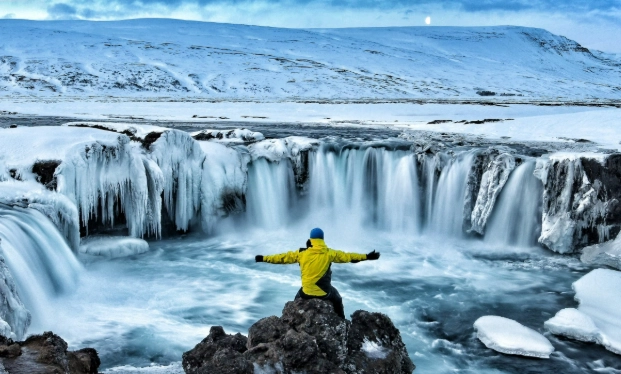
The village of Vík is famous for its dramatic black sand beach, Reynisfjara. Heed the warning signs: sneaker waves here are deadly. Never turn your back on the ocean. Near Vík, the DC-3 plane wreck on Sólheimasandur beach requires a 4km (one-way) flat walk—it's atmospheric but overhyped, in my opinion.
The crown jewel further east is Jökulsárlón Glacier Lagoon, where icebergs calve from a glacier and float out to sea. Across the road at Diamond Beach), chunks of ice glitter on the black sand. It's a 5-hour drive from Reykjavik, so an overnight stay is wise.
The Ring Road: The Ultimate Icelandic Road Trip
If you have 7-10 days, driving the 1,332-kilometer Ring Road (Route 1) is the best way to experience Iceland's diversity. Beyond the South Coast, you'll find the otherworldly lava fields of Mývatn in the north, complete with geothermal baths and pseudo-craters. The Eastfjords offer serene fishing villages and winding mountain roads. The Snæfellsnes Peninsula in the west is often called "Iceland in Miniature," with a glacier, volcanic craters, and the iconic mountain Kirkjufell.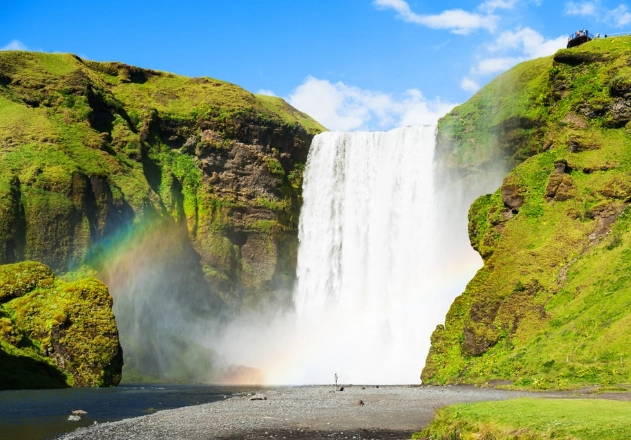
Driving the full Ring Road requires careful planning, especially regarding fuel stops and accommodations in remote areas. A 4x4 is not mandatory for the main route in summer, but it expands your options significantly.
Unique Cultural Experiences and Activities
Beyond the landscapes, Iceland's culture is shaped by its environment. Engaging with it turns a scenic trip into a meaningful one.
Soaking in Geothermal Pools and Hot Springs
This is non-negotiable. Going to a pool is a social ritual for Icelanders. The Blue Lagoon is famous for a reason—its milky-blue, silica-rich waters are surreal. But it's expensive (from ~10,000 ISK), requires booking weeks in advance, and can feel crowded. I prefer Sky Lagoon in Reykjavik for its stunning ocean-view infinity edge and more intimate feel, or the Mývatn Nature Baths in the north for a quieter, local vibe.
For a pure, local experience, visit a public swimming pool like Laugardalslaug in Reykjavik. For around 1,300 ISK, you get access to multiple hot pots, steam baths, and waterslides. It's where Icelanders go.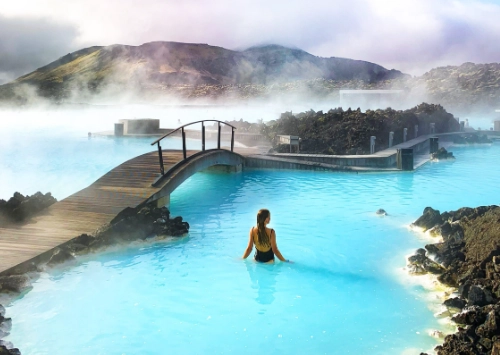
Chasing the Northern Lights (Aurora Borealis)
Seeing the green ribbons dance across the sky is magical. The season runs from late September to mid-March. You need darkness, clear skies, and solar activity. Get out of Reykjavik's light pollution. Use an aurora forecast app like Aurora and check the cloud cover on the Icelandic Met Office website. Many think a full moon ruins the show, but it actually illuminates the landscapes, creating fantastic photo compositions with the lights above.
Be patient. Book a hotel with a Northern Lights wake-up service, or join a guided tour whose guides know the best spots and can chase clear patches.
Discovering Icelandic Culture in Reykjavik
Don't just use the capital as a sleepover. Spend a day exploring its colorful streets. The Hallgrímskirkja church offers the best city view from its tower (1,000 ISK). The Harpa concert hall is an architectural marvel. For museums, skip the generic ones and head to the National Museum of Iceland for a deep dive into history, or the quirky Phallological Museum if you're after something truly unique.
Food halls like Hlemmur Mathöll are perfect for sampling different Icelandic foods without committing to a full restaurant meal.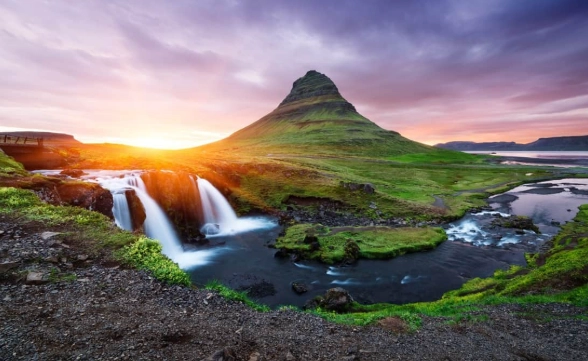
How to Plan Your Iceland Itinerary?
Your itinerary depends entirely on your time, budget, and travel style. Here’s a breakdown by season and trip length.
| Season | Pros | Cons | Best For |
|---|---|---|---|
| Summer (Jun-Aug) | Midnight Sun, all roads open, mild weather, lush greenery, puffins. | Highest prices, biggest crowds, no Northern Lights. | Hiking, Ring Road trips, photography with long days. |
| Shoulder (May, Sep) | Fewer crowds, lower prices, decent weather, chance for aurora (Sep). | Unpredictable weather, some highland roads closed. | A balanced mix of activities and value. |
| Winter (Oct-Mar) | Northern Lights, ice caves, lowest prices (exc. holidays), snowy landscapes. | Very short daylight (4-6 hrs), stormy weather, many roads impassable. | Aurora hunting, winter sports, cozy retreats. |
Sample Itinerary Ideas:
5 Days (Winter): Reykjavik (2 days), Golden Circle & South Coast to Vik (2 days), Reykjavik/Blue Lagoon (1 day). Focus on short day trips due to limited light.
7 Days (Summer): Reykjavik & Golden Circle (2 days), South Coast to Jökulsárlón (2 days), Eastfjords or Mývatn (2 days), back via North/South (1 day). A fast-paced Ring Road taster.
10-14 Days (Ideal): Full Ring Road at a relaxed pace, with detours to Snæfellsnes and the Westfjords if time allows. This is the sweet spot for a comprehensive experience.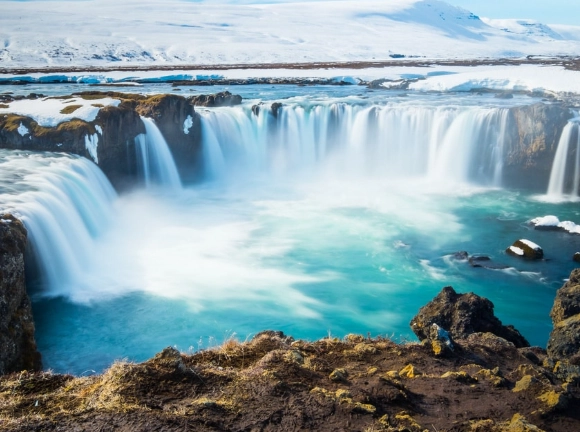
Pro Planning Tip: Don't over-schedule. Iceland's weather is the boss. Build in buffer days, especially in winter. A "lost" day due to a storm is much less stressful if your itinerary has some flex. Use the Safe Travel Iceland app for real-time alerts.
What are the Must-Try Foods in Iceland?
Icelandic cuisine has moved far beyond the shock-factor of fermented shark. Today, it's about fresh, local ingredients.
Hot Dogs (Pylsur): Seriously. The lamb-based hot dog from Bæjarins Beztu Pylsur in Reykjavik is a rite of passage. Order it "eina með öllu" (one with everything).
Lamb: Free-roaming Icelandic lamb is incredibly tender and flavorful. Try it as a roast or in a hearty soup (kjötsúpa).
Skyr: This thick, protein-rich dairy product is a staple for breakfast or a snack. It's like a cross between yogurt and cheese.
Fresh Seafood: From Arctic char to langoustine. In Reykjavik, Fish Market (Fiskmarkaðurinn) offers high-end tasting menus, while Sea Baron (Sægreifinn) is famous for its lobster soup.
Rye Bread (Rúgbrauð): Often baked underground using geothermal heat. Sweet, dense, and delicious with butter or smoked lamb.
Budget Note: Dining out is expensive. A main course can easily cost 4,000-7,000 ISK. To save money, book accommodations with kitchen facilities and shop at supermarkets like Bónus (the pink pig logo).
Practical Iceland Travel Tips for a Smooth Trip
These are the details that make or break your trip, gathered from hard-earned experience.
Transportation: For anything beyond Reykjavik, you need a car. Book rentals early, especially for 4x4s in summer. Read the insurance fine print—gravel protection (GP) and sand/ash protection (SAAP) are essential. Icelandic winds can pick up gravel and chip your windshield in seconds. I learned this the expensive way.
Accommodation: Options range from luxury hotels to farm stays and guesthouses. In rural areas, guesthouses (gistiheimili) are your best bet. They're often family-run, cozy, and include breakfast. Websites like Booking.com and local site Hello Iceland are useful. Always book ahead in peak season.
Budgeting: Iceland is pricey. A mid-range daily budget for two people, including car rental, guesthouse, groceries, and some activities, is roughly 40,000-60,000 ISK (~$300-$450). Cut costs by camping (in designated areas), using hostel kitchens, and prioritizing free natural attractions.
What to Pack: Layers are key. A waterproof and windproof outer shell is mandatory, regardless of season. Good hiking boots, a swimsuit (for pools), a quick-dry towel, a reusable water bottle, and a power bank for your phone. In winter, add thermal layers, gloves, a hat, and microspikes for your shoes for icy paths.