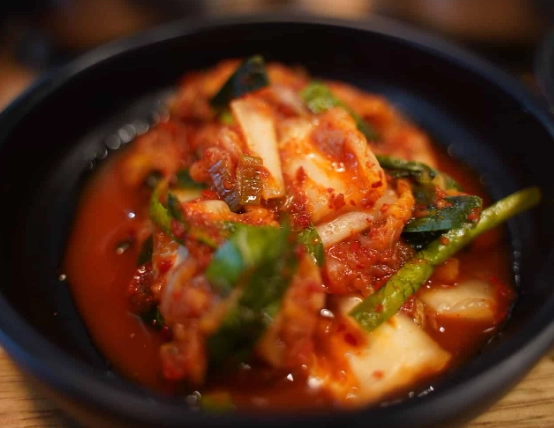
My first real encounter with Korean food wasn't in a fancy restaurant. It was in a packed, smoky basement in Seoul's Mapo district, 10 years ago. We ordered pork belly, and a dozen little dishes I couldn't name appeared instantly. The waitress, with a kind but firm gesture, showed me how to wrap the meat in lettuce with a smear of fermented bean paste, a slice of raw garlic, and a dab of kimchi. That first bite—cold, crisp, hot, savory, pungent, and fermented all at once—was a revelation. It wasn't just eating; it was an interactive, communal experience. That's what most guides miss. Korean cuisine isn't a list of dishes; it's a set of rules for sharing, balancing, and experiencing food together.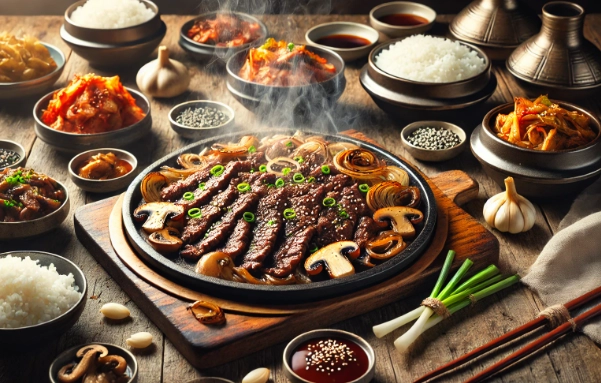
Your Guide to Korean Food
The Heart of Korean Dining: Banchan and Shared Plates
Forget the Western concept of a personal main course. In Korea, the meal is the table. The centerpiece might be a sizzling BBQ grill, a bubbling stew (jjigae), or a platter of fried chicken, but the soul lies in the banchan—the small side dishes that come free with every meal.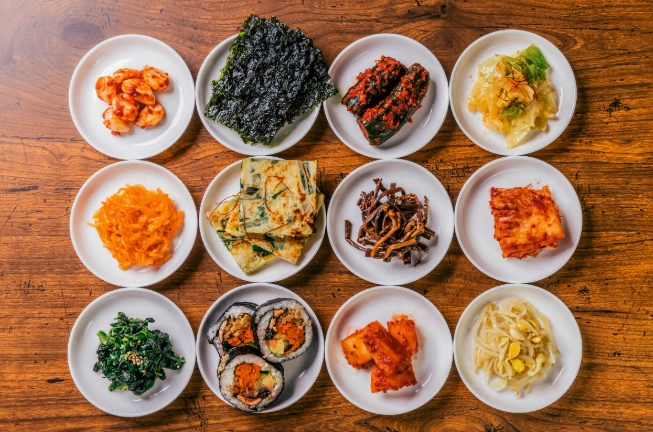
This is where the cuisine's philosophy shines: balance, variety, and fermentation. You'll get kimchi, of course, but also seasoned spinach (sigeumchi-namul), marinated beansprouts (kongnamul-muchim), crispy pancakes (jeon), and savory pancakes (buchimgae). They're not garnishes. They're essential tools for building each bite, adding texture, acidity, and freshness to cut through richer mains.
A quick tip most tourists miss: Banchan are refillable. Don't be shy to ask for more of the one you love by saying "Jeogeum deo juseyo" (Please give me a little more of that). But finish what you take. Wasting banchan is seen as disrespectful to the effort that went into making them.
What to Eat: A Journey Beyond BBQ
Yes, Korean BBQ (Gogigui) is fantastic. But fixating on it is like going to Italy and only eating pizza. The real depth is in the stews, noodles, and street food.
The Soul-Warming Stews (Jjigae & Jeongol)
These are Korea's comfort food, served bubbling in stone pots. Each has a distinct personality.
- Kimchi Jjigae: The ultimate hangover cure and winter warmer. Sour, aged kimchi, pork belly, tofu, and sometimes canned tuna melt into a spicy, umami-rich broth. It's more complex than you think.
- Doenjang Jjigae: Made with fermented soybean paste (doenjang), this stew is earthy, savory, and packed with vegetables and shellfish. It's the everyday staple, deeply nourishing and less spicy.
- Budae Jjigae ("Army Base Stew"): A fascinating piece of modern history. Born post-Korean War from surplus US military ingredients (Spam, hot dogs, baked beans) cooked with kimchi and gochujang. It's a bizarre, delicious, and culturally significant fusion.
The Noodle Spectrum
From icy cold to steaming hot.
Naengmyeon is a summer lifesaver: chewy buckwheat noodles in a tangy, icy beef broth (Mul Naengmyeon) or a spicy chili sauce (Bibim Naengmyeon). Topped with a hard-boiled egg, cucumber, and a slice of Korean pear. The texture is the star—they give you scissors to cut the noodles.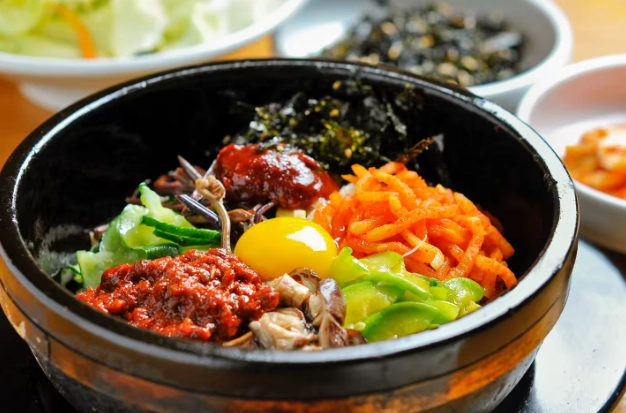
On the other end, Janchi Guksu are simple wheat noodles in a light anchovy-kelp broth, a dish for celebrations. Then there's Jjajangmyeon, the Korean-Chinese takeout king: thick noodles smothered in a black bean sauce with pork and vegetables. It's pure, salty-sweet comfort.
The Unforgettable "One-Bowl" Meals
Bibimbap is the perfect introduction. It's a colorful, nutritious bowl of warm rice topped with namul (seasoned vegetables), meat, a fried egg, and gochujang. The magic happens when you mix it all together. The Dolsot (stone pot) version is superior—it creates a layer of crispy, scorched rice at the bottom.
| Dish | Key Flavor Profile | Best For | Beginner-Friendly? |
|---|---|---|---|
| Bibimbap | Balanced, savory, customizable spice | A complete, healthy meal | Yes |
| Kimchi Jjigae | Spicy, sour, deeply umami | Cold days, rich flavors | Moderate (spicy) |
| Samgyeopsal (BBQ) | Rich, savory, interactive | Social dining, meat lovers | Very |
| Naengmyeon | Cold, tangy, chewy | Refreshing summer lunch | Yes (texture is unique) |
Navigating a Korean Menu: A Starter's Guide
Menus can be overwhelming. Look for these categories:
Gogi (고기): Meat. This is where you find BBQ cuts.
Jjigae (찌개) / Jeongol (전골): Stews.
Bap (밥): Rice dishes (like Bibimbap).
Guk (국): Soups, often lighter than jjigae.
Myeon (면): Noodle dishes.
Buchimgae (부침개): Savory pancakes.
If you're unsure, point to what the next table is having. It works every time.
The Seoul Food Map: Where to Eat It Right
Location dictates specialty. Here’s where to go for what, based on too many meals to count.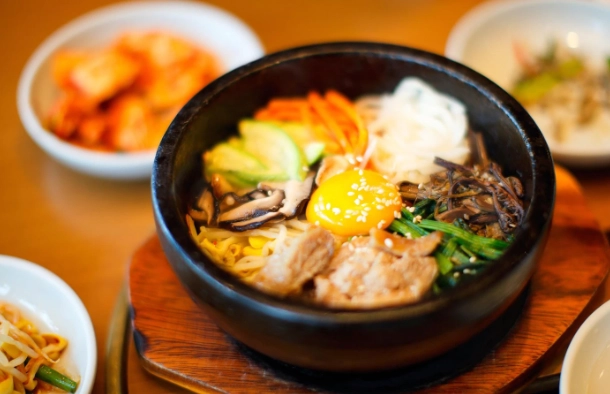
1. For the Quintessential BBQ Experience: Mapo Jeong Daepo (마포정대포)
Specialty: Aged, high-quality pork belly (Samgyeopsal) and marinated pork ribs (Dwaeji Galbi).
Address: Multiple locations, but the original in Mapo is legendary. 11-1, World Cup-ro 11-gil, Mapo-gu, Seoul.
Why it's good: No frills, just expertly cut meat and a fierce charcoal grill. The banchan are simple but perfect. Expect to wait in line.
Price: Pork belly is around ₩15,000 per serving (feeds 1-2). Order at least 2 servings per person.
Hours: Usually 24 hours. The energy is best late at night.
2. For Life-Changing Stews: Sinseon Seolleongtang (신선설렁탕)
Specialty: Seolleongtang—a milky-white, ox bone soup that simmers for over 12 hours. It's pure, comforting, and a breakfast staple.
Address: Also multiple branches. The Jongno branch is a classic.
Why it's good: This is technical perfection. The broth is rich without being greasy. You season it yourself with salt, pepper, and chopped scallions. It comes with a bowl of rice (you can dump it in the soup).
Price: A bowl is about ₩9,000.
Hours: Typically 24/7. The ultimate recovery meal.
For street food, Gwangjang Market is non-negotiable. Go for Bindaetteok (mung bean pancakes), Mayak Gimbap ("drug" kimbap, tiny addictive rice rolls), and freshly made knife-cut noodles (Kalguksu). It's chaotic, delicious, and real.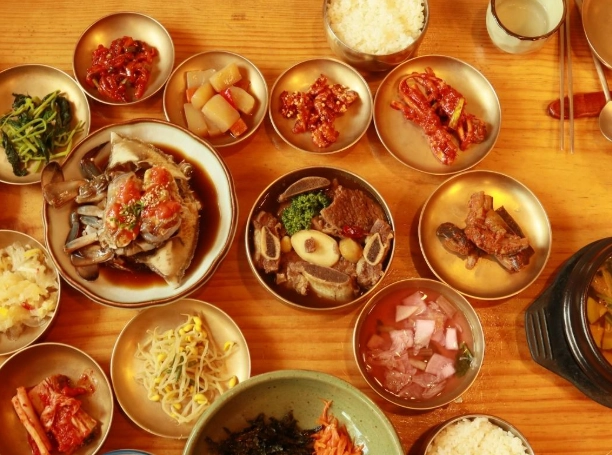
How to Eat Like a Korean Local?
The rules are unspoken but important.
**Share everything.** Order multiple mains and sides for the table. A typical meal for four might be: one BBQ meat, one hearty stew, a pancake, and a cold noodle dish to share.
**Use your spoon for rice and soup.** Chopsticks are for banchan and meat. Lifting your rice bowl to your mouth is less common.
**Don't blow your nose at the table.** It's considered rude. Excuse yourself.
**Pour drinks for others.** Never pour your own. Hold your glass with two hands when someone older is pouring for you.
**It's okay to slurp!** Especially noodles. It shows you're enjoying it.
The biggest mistake I see? People ordering a personal BBQ plate and eating it alone. You miss the point. The joy is in the shared grilling, the passing of lettuce wraps, the collective "ooh" when the kimchi hits the grill.