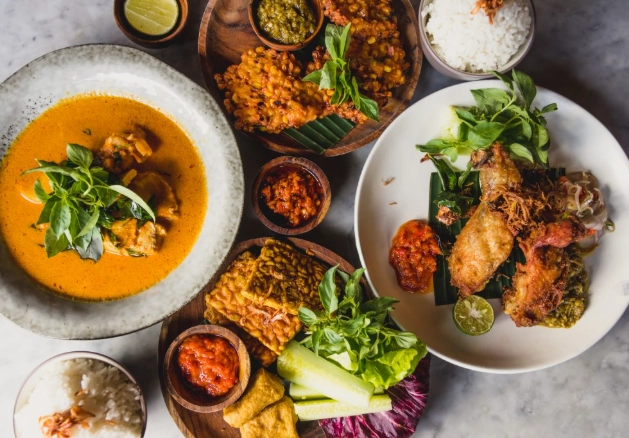
Let's talk about "food indo." If you're searching that term, you're probably not looking for a dry, academic breakdown of Indonesian culinary history. You want to know what to eat, where to find it, and how to not mess it up. You're in the right place. Having spent years eating my way from the street stalls of Jakarta to the warungs of Ubud, I've made the mistakes so you don't have to. This isn't just a list of dishes; it's a practical field guide to navigating one of the world's most vibrant and complex food cultures.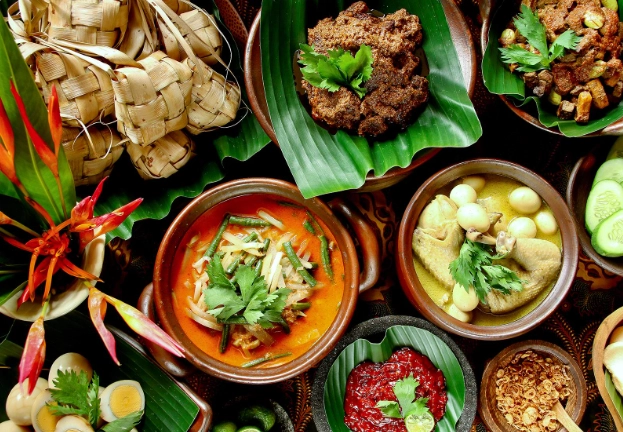
Your Quick Bite-Sized Guide
What is Food Indo? Understanding the Basics
"Food indo" is casual shorthand for Indonesian food, a cuisine that's far more than just nasi goreng and satay. It's a tapestry woven from thousands of islands, each with its own personality. The core flavor profile isn't just about heat; it's about a balance of sweet (from palm sugar or kecap manis), salty, sour (tamarind, lime), and umami (from ingredients like terasi, or fermented shrimp paste).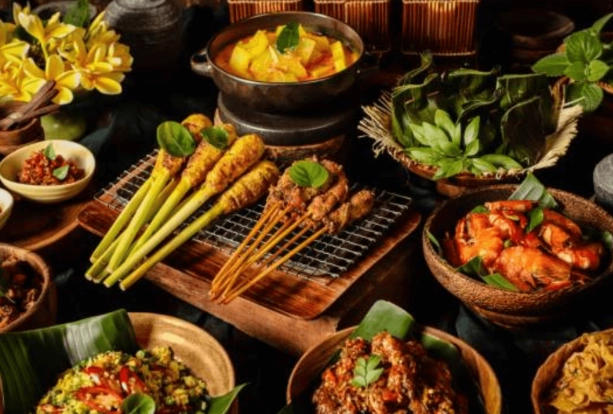
Many first-timers head straight for the tourist spots in Bali and think they've experienced it. That's like judging American food by a mall food court. The real magic happens in local warungs (small family-run eateries), at night markets, and in Padang restaurants, where dozens of pre-cooked dishes are displayed in the window for you to point at.
Must-Try Indonesian Dishes: A Regional Breakdown
Forget trying to eat everything. Focus on these pillars. Think of them as the essential chapters in the food indo story.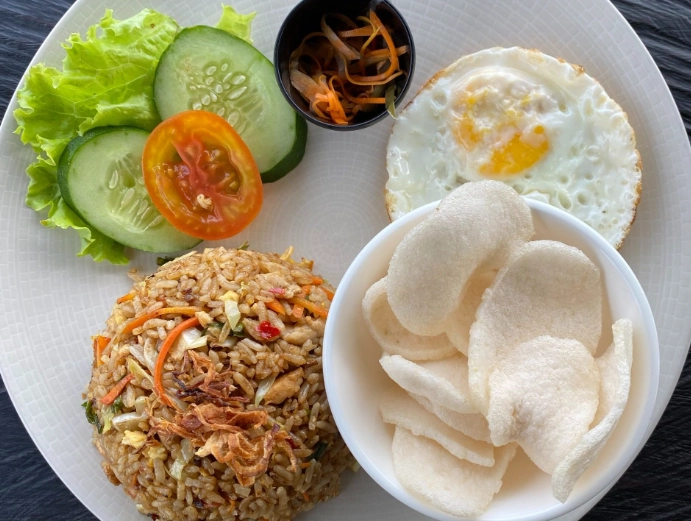
The National Icons (You Really Should Try These)
Rendang: Often called the world's best dish. It's a West Sumatran dry curry of beef slow-cooked in coconut milk and spices for hours until the sauce is absorbed and the meat is fork-tender. A good rendang should be dark, rich, and slightly caramelized, not swimming in liquid. Pro Tip: The best rendang is from Padang restaurants. Avoid the pale, soupy versions sometimes served in hotels.
Soto Ayam: This comforting chicken soup is Indonesia's chicken noodle soup, but with way more character. The broth is turmeric-yellow, fragrant with lemongrass and lime leaves. It's served with shredded chicken, rice cakes, and a heap of fresh toppings. Every region has its own version—Soto Betawi from Jakarta uses coconut milk, Soto Lamongan is clear and light.
Nasi Goreng: Yes, it's fried rice. But Indonesian fried rice is distinct, flavored with sweet, thick kecap manis (sweet soy sauce) and often topped with a fried egg and crispy shallots. It's the ultimate comfort food and a perfect litmus test for a kitchen.
Beyond the Basics: Regional Stars
If you want to dive deeper, seek these out.
- Pempek (from Palembang, Sumatra): Fish cakes served with a sweet, sour, and spicy vinegar sauce called cuka. The texture is bouncy and satisfying.
- Rawon (from East Java): A stunning black beef soup. The color comes from keluak nuts, which give it a deep, earthy, almost chocolatey flavor. It's intense and unforgettable.
- Babi Guling (from Bali): Suckling pig roasted over fire, stuffed with a paste of turmeric, ginger, and chilies. The skin is crackling, the meat is juicy. A must if you're in Bali and eat pork.
How to Eat Like a Local: Insider Tips and Strategies
Knowing what to order is half the battle. Here’s how to handle the other half.
Navigating a Padang Restaurant (Rumah Makan Padang)
This is a quintessential food indo experience. You sit down, and servers bring a dozen small plates of food to your table. Don't panic. You only pay for what you touch. Feel free to sample a little from many plates. Must-tries here include Rendang, Gulai Ayam (chicken curry), and Perkedel (corn fritters). Use your right hand to eat for the full experience, but cutlery is always available.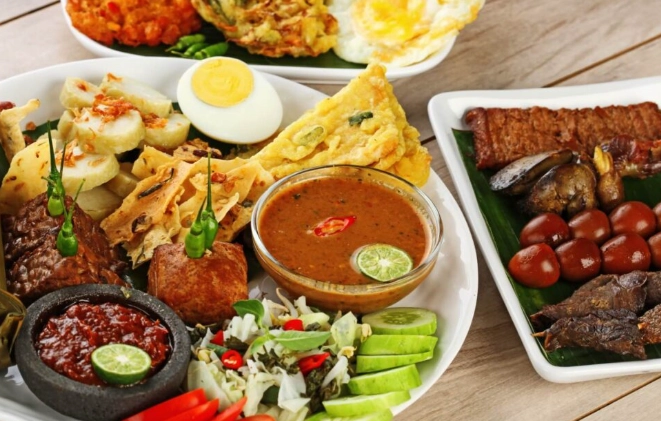
Street Food Safety 101: Look for crowds. A long line of locals is the best quality assurance. Watch how the food is handled. Is it cooked fresh in front of you? Are ingredients covered? For your first few days, stick to fully cooked, piping-hot items like satay or martabak (stuffed pancake). Go easy on the raw sambal (chili paste) if your gut isn't acclimated.
Ordering Drinks: Always specify "air putih" (bottled water) or "aqua" if you want safe drinking water. "Es Teh" is sweet iced tea. Try "Jamu," the traditional herbal tonic, if you're feeling adventurous—it's often bitter but supposedly great for you.
A Perfect Day of Food Indo in Jakarta
Let's make this concrete. If you had one day in the capital, here’s how I'd spend it eating.
Breakfast (7:30 AM): Head to a local market area like Pasar Santa (though it's gotten trendy) or just a busy street corner. Find a stall selling Bubur Ayam (chicken congee). It's rice porridge topped with shredded chicken, crispy wonton strips, soy sauce, and ginger. It's gentle, flavorful, and the perfect start. Expect to pay: 15,000 - 25,000 IDR (~$1 - $1.70 USD).
Lunch (1:00 PM): Go to a proper Padang restaurant. One reliable, clean chain is Sederhana, with locations everywhere. Point to the Rendang, some curried greens (sayur nangka), and a fried fish. Eat with your hands if you dare. Cost: 40,000 - 70,000 IDR for a hearty plate.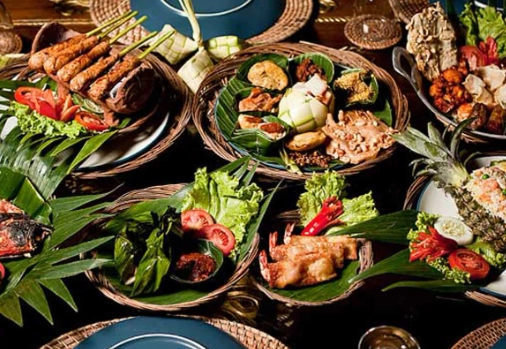
Afternoon Snack (4:30 PM): Find a Martabak vendor. There are two types: Martabak Asin (savory, filled with egg and meat) and Martabak Manis (sweet, a thick pancake stuffed with chocolate, cheese, or peanuts). Get the sweet one. Share it. It's huge. Cost: 30,000 - 50,000 IDR.
Dinner (8:00 PM): For a slightly more upscale but authentic experience, try Seribu Rasa in Menteng. It presents refined versions of classics from across the archipelago in a nice setting. Their Ikan Bakar Jimbaran (grilled fish with Balinese spices) is excellent. Address: Jl. H. Agus Salim No.128. Cost: 150,000 - 300,000 IDR per person.
Late Night (11:00 PM): Join the queue at a legendary Sate Ayam (chicken satay) stall. One famous spot is Sate Khas Senayan (multiple outlets). The peanut sauce is the key—it should be rich, slightly sweet, and nutty, not watery. Cost: ~30,000 IDR for a skewer set.
Your Food Indo Questions, Answered