Your Singapore Food Map
Let's get one thing straight. Singapore food cuisine isn't a single, neat category. You won't find it defined by a specific cooking technique or a short list of ingredients. Ask five locals what their national dish is, and you might get five different answers. That's the point. The food here is a living, breathing record of migration, trade, and sheer hustle. It's Chinese, Malay, Indian, and Peranakan traditions colliding in a hot, humid kitchen, then served on a plastic plate for less than five dollars.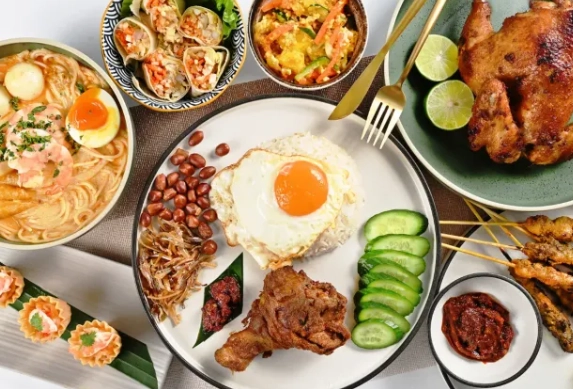
I've spent years eating my way through this city. I've had transcendent chicken rice at 11 AM in a crowded coffee shop and overpriced, mediocre chili crab at a glossy riverside restaurant. The difference between a good meal and a legendary one here often comes down to knowing where to look and how to act. This guide is about that.
What Actually Is "Singaporean" Food?
Forget fine dining. The soul of the cuisine is in the hawker centres and coffee shops. It's food built for speed, flavor, and affordability. The "Singaporean" touch is the adaptation. Hainanese chicken rice, originally from China, is served here at room temperature because it makes more sense in the tropical heat. Laksa, a Peranakan noodle soup, has a coconut milk base that's richer and more complex than versions found elsewhere.
It's also defined by its context. Eating is a national pastime, but it's rarely a long, drawn-out affair. It's functional, social, and incredibly delicious. The real magic happens in the competition. In a single hawker centre, three stalls might sell char kway teow (stir-fried rice noodles). The one with the longest queue has usually perfected the wok hei—that smoky, breath-of-the-wok flavor—to a degree the others haven't.
A Common Mistake: Visitors often think "Singaporean food" is just spicy. It's not. While chili is prominent, balance is key. Dishes like Hainanese chicken rice are subtle and fragrant. Bak Kut Teh is peppery, not spicy. The skill is in layering flavors—sweet, sour, salty, umami—not just turning up the heat.
The Non-Negotiable Dishes You Have to Try
You could spend a month here and not try everything. Focus on these pillars first.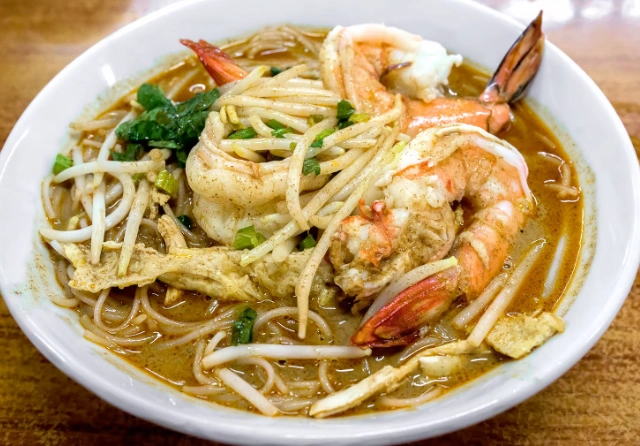
Hainanese Chicken Rice
The ultimate test of simplicity. The chicken must be poached to silky perfection, the rice cooked in chicken fat and garlic, and the chili sauce tangy with a kick. The best versions make you wonder how something so plain-looking can be so profound.
Where to start: Tian Tian Hainanese Chicken Rice at Maxwell Food Centre is the famous one (thanks to Anthony Bourdain). For a less crowded alternative with equally fervent fans, try Yet Con on Purvis Street—a old-school restaurant that's been doing it the same way for decades.
Chili Crab & Black Pepper Crab
It's messy, it's expensive compared to hawker food, and it's 100% worth it. Chili crab comes in a sweet, slightly spicy, egg-thickened tomato sauce. Black pepper crab is drier, pungent, and fiercely aromatic. You need to crack shells, get sauce on your fingers, and use fried mantou buns as edible spoons.
My take: Most tourists go to Jumbo or No Signboard. They're fine. I prefer the more focused crab specialists in neighborhoods like Ang Mo Kio. The atmosphere is louder, the prices are slightly better, and it feels less like a performance.
Char Kway Teow
Flat rice noodles stir-fried in a wicked hot wok with dark soy, Chinese sausage, blood cockles, egg, and sometimes fish cake. The hallmark is wok hei. A good plate should smell faintly of smoke. Avoid stalls that serve a soggy, oily mess.
Insider spot: Outram Park Fried Kway Teow Mee at Hong Lim Market & Food Centre. They use a charcoal fire, which is rare nowadays and adds an unmatched depth of flavor. Be prepared to queue.
Laksa
A rich, spicy coconut milk soup with thick rice noodles, shrimp, fish cake, and beansprouts. The Katong version (from the Katong area) uses noodles cut into shorter lengths, eaten with a spoon. It's a hearty, one-bowl wonder.
Where to go: 328 Katong Laksa on East Coast Road is the name everyone knows. It's good. For a more nuanced, lemak (creamy) broth, seek out smaller shops in the Joo Chiat area.
Where to Eat: From Hawker Stalls to Air-Conditioned Halls
Location dictates everything—price, atmosphere, and sometimes quality.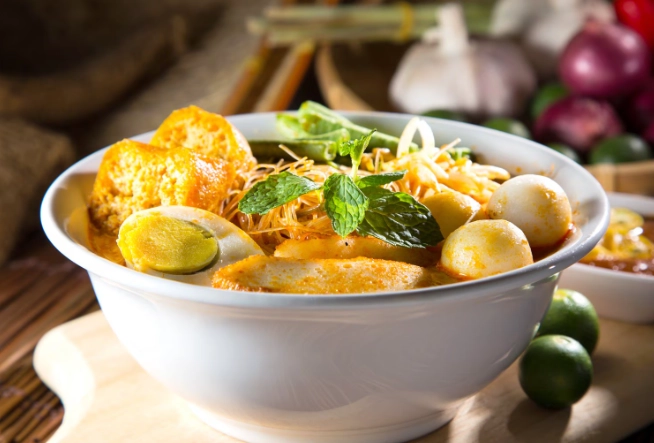
| Venue Type | What It Is | Price Range (per dish) | Best For | Example |
|---|---|---|---|---|
| Hawker Centre | Open-air complex with dozens of independent stalls sharing a common seating area. | SGD 3 - SGD 8 | The authentic experience, maximum choice, legendary stalls. | Maxwell Food Centre, Old Airport Road Food Centre, Lau Pa Sat. |
| Food Court | Air-conditioned version of a hawker centre, often in malls. | SGD 6 - SGD 15 | Escaping the heat, convenience, less chaotic. | Food Republic, Kopitiam (chain). |
| Coffee Shop (Kopitiam) | Ground-floor shop with a drink stall and a handful of food stalls. | SGD 4 - SGD 10 | Neighborhood gems, breakfast (kaya toast), late-night eats. | Any residential neighborhood like Tiong Bahru or Bedok. |
| Restaurant | Dedicated, full-service establishment. | SGD 20 - SGD 100+ | Special occasions, specific cuisines (Peranakan, seafood), comfort. | Candlenut (Peranakan), Din Tai Fung (chain, but excellent). |
My advice? Spend 80% of your meals at hawker centres and coffee shops. That's where the value and vibrancy are. Lau Pa Sat is beautiful, but it's also very touristy. For a more local feel, take a trip to Old Airport Road Food Centre. It's huge, overwhelming, and has some of the city's best satay, wanton mee, and rojak.
Hawker Centre Mastery: How to Order Like a Local
This system is efficient but has unspoken rules.
1. Chope Your Seat First. This is non-negotiable. "Choping" means reserving. Use a packet of tissues, your umbrella, or a business card. Everyone respects this. See an empty table with a pack of Tempo tissues on it? It's taken. Find another.
2. Order and Pay at the Stall. Walk up, look at the menu board, order, pay cash (some take PayNow or GrabPay now), and get a numbered ticket. No table service.
3. Wait at Your Table. They'll call your number, sometimes over a crackly PA system. Listen carefully. Sometimes a server will bring it over.
4. Return Your Tray. When you're done, clear your own plates, bowls, and utensils to the designated tray return station. It's a point of civic pride here and keeps costs low.
One more thing: bring cash. Small denominations. While digital payments are growing, many of the best old-school stalls still operate cash-only.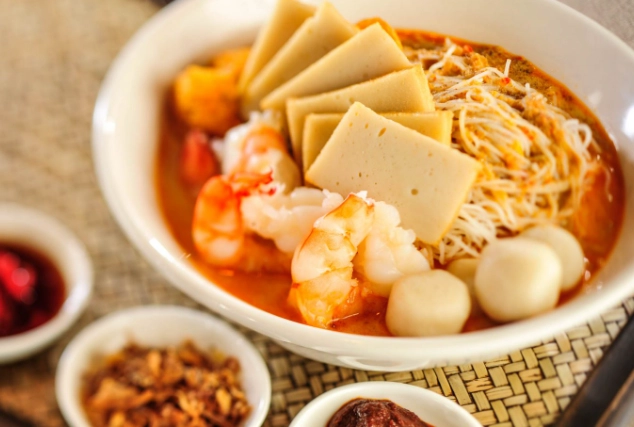
Going Beyond the Basics
Once you've checked off the big dishes, dive deeper.
- Bak Kut Teh: Pork rib tea soup. The Teochew style is clear and peppery (Founder Bak Kut Teh). The Klang style is darker and herbal.
- Roti Prata: Indian flatbread, crispy and flaky, served with curry. For a 2 AM feast, head to The Roti Prata House on Upper Thomson Road.
- Ice Kachang: Shaved ice mountain with red beans, corn, attap seeds, and syrups. The ultimate heat-beater. Try it at Annie's Peanut Ice Kachang in Toa Payoh.
Don't ignore the drink stalls. Order a teh tarik ("pulled" milky tea) or a kopi (local coffee with condensed milk). They're the fuel of the nation.
Your Singapore Food FAQs Answered
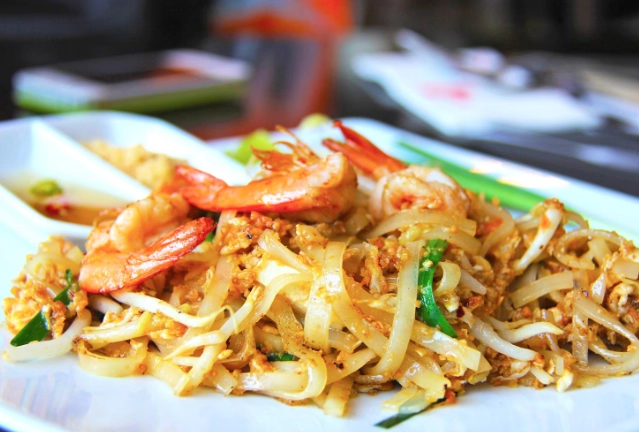
The final word? Be curious. The stall with the longest line is usually a safe bet, but sometimes the quiet one in the corner has a secret specialty. Talk to the uncle frying your kway teow. Ask for less sugar in your teh. Singapore food cuisine isn't a spectator sport—it's a participatory, delicious, and wonderfully messy dive into what makes this city tick.