Mexico food isn't just about tacos and burritos—it's a vibrant tapestry of regional flavors, ancient traditions, and street-side gems that most tourists miss. After years of eating my way from Baja to Yucatán, I've seen how easy it is to fall into tourist traps or get sick from poor choices. Let's cut through the noise and get to the heart of authentic Mexican cuisine, with practical tips you can use today.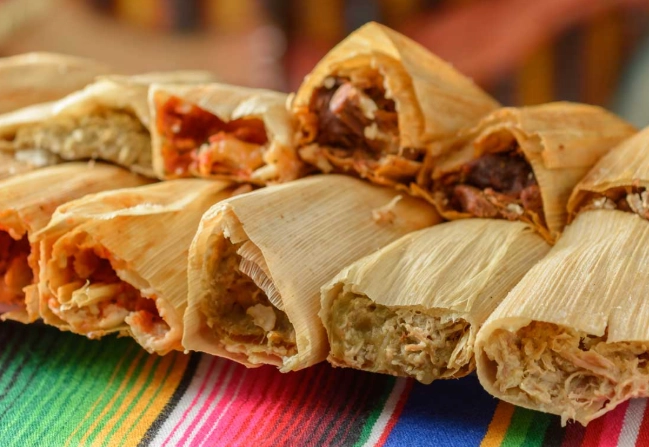
Jump to What Matters Most
What Authentic Mexico Food Really Means (And How It Differs from Tex-Mex)
Forget the cheesy, heavy plates you get abroad. Authentic Mexico food focuses on fresh, local ingredients—corn, beans, chili peppers, and herbs like epazote. It's less about smothering everything in sauce and more about balance. Take mole, for example. In Oaxaca, it's a slow-cooked sauce with chocolate and spices, not just a sweet glaze. I once tried a mole at a family-run spot in Oaxaca City that took two days to prepare; the depth of flavor blew my mind.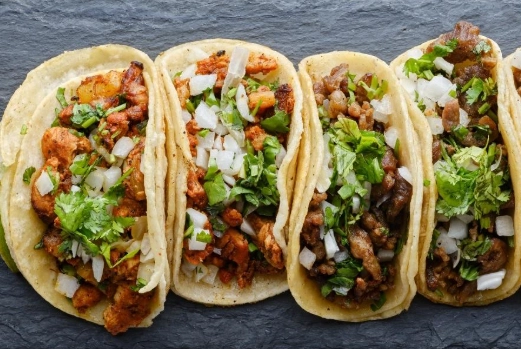
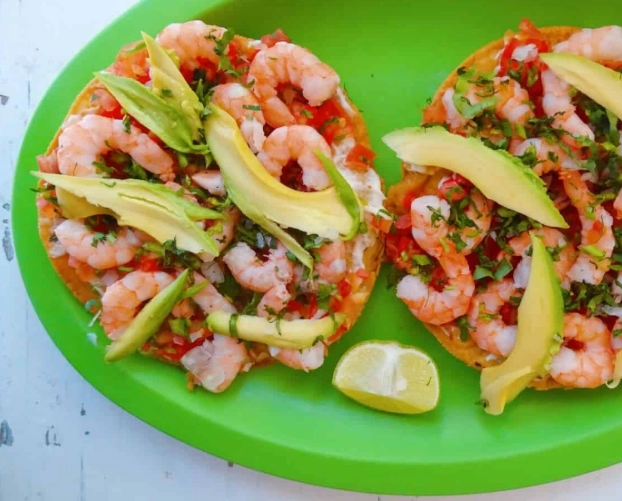
Regional variations are key. Coastal areas like Baja California shine with seafood dishes like ceviche or fish tacos, while central Mexico loves its stews and corn-based foods. Many travelers stick to generic menus, but diving into local specialties is where the magic happens.
Must-Try Dishes and Where to Find Them: A Curated List
Don't just wander aimlessly—here are specific spots that deliver. I've included addresses and tips so you can plan ahead.
Top Picks for Authentic Experiences
Cochinita Pibil in Yucatán: Head to Los Almendros in Mérida (Calle 50-A #493, Centro, 97000 Mérida, Yuc.). This slow-roasted pork dish, marinated in achiote and sour orange, is tender and smoky. Price: around $10 for a full meal. Open 8am-10pm. Go early to avoid crowds.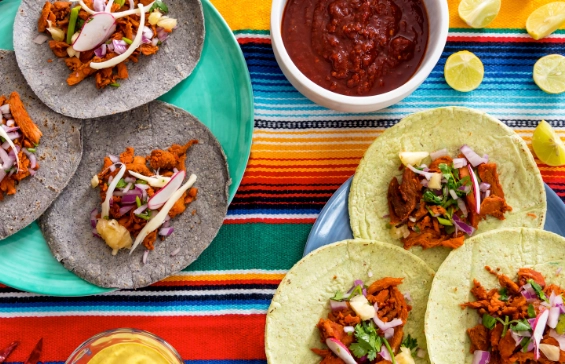
Tacos al Pastor in Mexico City: El Huequito (Ayuntamiento 21, Centro Histórico, 06010 Ciudad de México) is legendary. Their tacos are juicy, with just the right amount of pineapple. About $1.50 per taco. Hours: 24/7—yes, even at 3am.
Mole Negro in Oaxaca: Casa Oaxaca (Constitución 104-A, Centro, 68000 Oaxaca) offers a refined take. Their mole is complex, not overly sweet. Expect to pay $25-30 for a dinner. Reservations needed; open 1pm-11pm.
If you're on a budget, markets are gold. Mercado de San Juan in Mexico City has stalls selling everything from escamoles (ant eggs) to huitlacoche (corn fungus). It sounds weird, but trust me, it's delicious when cooked right.
| Dish | Best Region | Approx. Cost | Pro Tip |
|---|---|---|---|
| Ceviche | Baja California | $8-15 | Eat it fresh at beachside stalls in Ensenada |
| Pozole | Guadalajara | $5-10 | Try it on Thursdays, a local tradition |
| Chiles en Nogada | Puebla | $12-20 | Seasonal (Aug-Sept), so plan your visit |
I made the mistake of skipping regional specialties on my first trip—sticking to tacos everywhere. Big mistake. Each area has its own star dishes, and missing out means you're not getting the full picture.
Navigating Street Food Safely Like a Local: No More Guesswork
Street food is the soul of Mexico food, but it scares many travelers. Here's how to do it right. Look for stalls with a queue—locals know best. Avoid anything that's been sitting out for hours. Stick to cooked items: tacos, quesadillas, or elotes (grilled corn).
Personal story: In Cancun, I ate a shrimp cocktail from a quiet stall near the hotel zone. Bad move—spent the next day in bed. Now, I only go to busy markets like Mercado 28 in Cancun, where turnover is high. Carry hand sanitizer and skip the ice in drinks.
Water safety is a big concern. Most restaurants use purified water, but when in doubt, ask for "agua purificada." Street vendors might use tap water for washing; that's why I avoid raw veggies unless they're peeled. It's not paranoia—it's practical.
Common Street Food Mistakes Tourists Make
Overordering. Portions are smaller, so start with one item to test. Assuming all salsas are mild—some are fiery. And not carrying small bills; vendors appreciate exact change.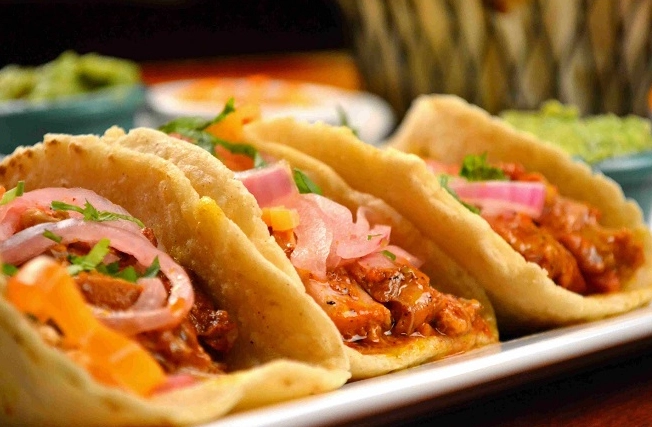
The Cultural Roots of Mexico Food: More Than Just Eating
Mexico food is tied to history and community. Corn, for instance, isn't just a crop; it's sacred, dating back to ancient civilizations. Dishes like tamales are often made for festivals, bringing families together. I joined a Day of the Dead celebration in Michoacán once, and the food—pan de muerto, mole—was central to the rituals.
Modern chefs are innovating too. Places like Pujol in Mexico City (pricey, at $100+ per person) blend tradition with haute cuisine. But you don't need to splurge to experience culture. Visit a local market, chat with vendors, and try making your own tortillas—many cooking classes offer this, like those in Oaxaca for $30-50.
Your Burning Questions Answered
Mexico food is a journey, not a checklist. Embrace the chaos, try something new, and remember that the best meals often come from humble spots. Pack your appetite and a sense of adventure—you'll be rewarded with flavors that linger long after the trip ends.