What You'll Discover in This Guide
Let's cut to the chase: Korean food isn't just about kimchi or barbecue. It's a whole ecosystem of flavors built on balance, fermentation, and shared meals. I've spent years exploring back alleys in Seoul and family-run spots in Busan, and here's the thing—most guides miss the subtle details that make or break the experience. Think of this as your insider manual, not another generic list.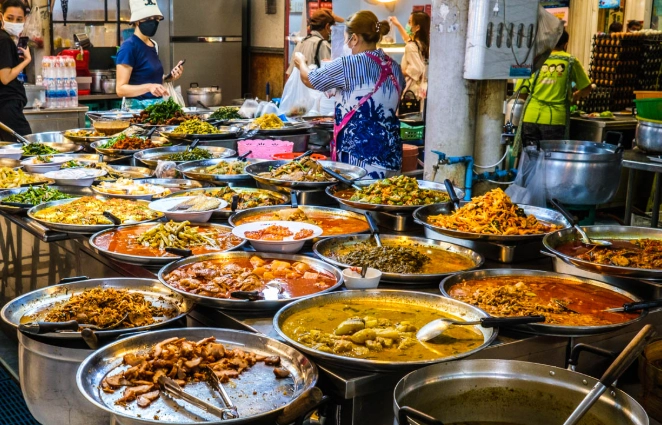
The Real Deal on Korean Food Basics
Korean cuisine hinges on a few core principles. Fermentation is king—it's not just kimchi, but also doenjang (soybean paste) and ganjang (soy sauce) that add depth. The five key flavors—sweet, salty, sour, bitter, and spicy—often play together in one dish. Forget the myth that everything is fiery; many dishes, like haemul pajeon (seafood pancake), rely more on savory notes.
I made a mistake early on: I assumed banchan (side dishes) were optional. They're not. They're integral, meant to complement the main course and reset your palate. A typical meal includes rice, soup, and multiple banchan, creating a rhythm that's both communal and personal.
The Role of Banchan in Every Meal
Banchan can range from simple seasoned spinach to complex japchae. They're usually refillable, so don't hesitate to ask for more. In my visits, I've noticed that the quality of banchan often signals how good the restaurant is. A place with homemade kimchi? You're in for a treat.
Top Dishes You Can't Miss (With Where to Try Them)
Here's a curated list based on my tastings—dishes that define Korean food and spots that do them justice. I'm avoiding tourist traps; these are places locals frequent.
| Dish | Description | Where to Try (Restaurant, Location, Price Range) |
|---|---|---|
| Bibimbap | Mixed rice with vegetables, meat, egg, and gochujang. The key is the crispy rice at the bottom if served in a hot stone bowl (dolsot). | Gogung, Insadong, Seoul. Address: 12 Insadong-gil. Price: ₩12,000-₩18,000. Open 11 AM-9 PM. Their version balances textures perfectly. |
| Korean Barbecue (Samgyeopsal) | Grilled pork belly, often DIY at the table. It's about the ritual—wrapping meat in lettuce with garlic and ssamjang. | Maple Tree House, Itaewon, Seoul. Address: 26 Itaewon-ro 27ga-gil. Price: ₩25,000-₩40,000 per person. Open 24 hours on weekends. The meat quality is consistent, and staff help beginners. |
| Tteokbokki | Chewy rice cakes in a sweet-spicy sauce. Street food staple, but some restaurants elevate it. | Gwangjang Market, Jongno, Seoul. Multiple stalls; look for ones with long queues. Price: ₩5,000-₩8,000. Open 9 AM-10 PM. The sauce here has a deeper, fermented kick. |
| Jjajangmyeon | Noodles with black bean sauce. Comfort food, often delivered. It's savory, not spicy. | Pyeongyang Myeonok, Jongno, Seoul. Address: 8-9 Jongno 35-gil. Price: ₩9,000-₩15,000. Open 11 AM-10 PM. Their sauce is rich without being greasy. |
| Kimchi Jjigae | Spicy stew with kimchi, pork, and tofu. Hearty and warming, especially in winter. | Bukchon Son Mandu, Jongno, Seoul. Address: 10-3 Gyedong-gil. Price: ₩10,000-₩15,000. Open 10 AM-9 PM. They use aged kimchi for a tangy punch. |
Prices are approximate in Korean Won (₩); $1 ≈ ₩1,300. Always check current hours, as places can change.
You might wonder—why these five? They cover a spectrum: bibimbap for balance, barbecue for social dining, tteokbokki for street cred, jjajangmyeon for comfort, and kimchi jjigae for depth. I've skipped bulgogi intentionally; it's often overhyped and can be too sweet if not done right.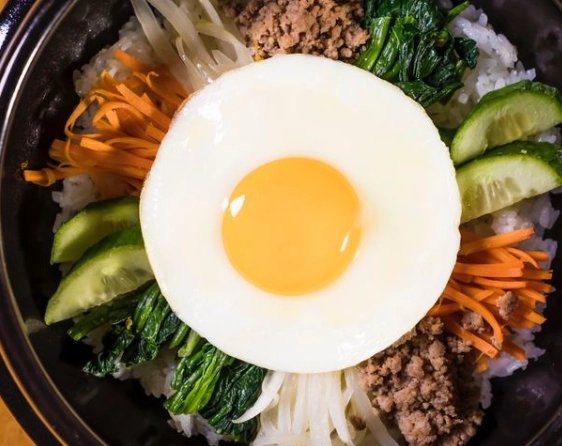
How to Eat Korean Food Without Stumbling
Dining in Korea comes with unspoken rules. Let's break them down so you don't stick out.
First, utensils. Use chopsticks for solid food, spoon for rice and soup. Never stick chopsticks upright in rice—it's a funeral ritual. I've seen tourists do this, and it draws awkward stares.
Sharing is expected. Dishes are often placed in the center; take small portions onto your plate. For barbecue, grill meat for others before yourself. It's polite.
Pro tip: When eating noodles, slurping is okay—it shows enjoyment. But avoid blowing your nose at the table; Koreans find it rude. Carry tissues.
Drinking etiquette matters too. If someone pours you soju, hold your glass with both hands. Turn away when drinking in front of elders. It's subtle, but locals notice.
Spice tolerance? Build it gradually. Start with mild dishes like gimbap (seaweed rice rolls) before jumping into kimchi jjigae. Ask for "maeun" (spicy) levels to be adjusted. Many restaurants assume foreigners want it toned down, so speak up if you don't.
A Sample Food-Focused Itinerary for Seoul
Planning a trip? Here's a 3-day itinerary based on my own adventures. It mixes iconic spots with hidden gems.
Day 1: Classic Seoul Flavors
- Morning: Gwangjang Market for tteokbokki and bindaetteok (mung bean pancake). Arrive early to avoid crowds.
- Afternoon: Insadong for bibimbap at Gogung. Wander nearby alleys for traditional tea houses.
- Evening: Korean barbecue at Maple Tree House in Itaewon. Post-meal, explore the vibrant nightlife.
Day 2: Street Food and Local Haunts
- Morning: Myeongdong street food stalls—try hotteok (sweet pancakes) and odeng (fish cake skewers). Budget ₩20,000 for tasting.
- Afternoon: Bukchon Hanok Village for kimchi jjigae at Bukchon Son Mandu. The area offers cultural sights.
- Evening: Jjajangmyeon delivery at your accommodation. Order via apps like Yogiyo; it's a local experience.
Day 3: Modern Twists and Departure
- Morning: Visit a local market like Noryangjin Fish Market for fresh seafood. You can buy and have it prepared on-site.
- Afternoon: Trendy café in Hongdae for desserts like bingsu (shaved ice). Places like Sulbing are popular.
- Evening: Light meal at a pojangmacha (street tent) for soju and anju (drinking food). It's gritty but authentic.
Transport: Use Seoul's subway; it's efficient and cheap. A T-money card costs ₩4,000 and can be topped up.
This itinerary balances intensity. I've included downtime—don't rush. Korean meals are meant to be lingered over.
Answers to Your Burning Questions
That wraps it up. Korean food is a journey—one that's best taken with an open mind and a hungry stomach. Dive in, make mistakes, and savor every bite. If you have more questions, drop a comment; I'm here to help.