Quick Guide
- The Core Cast: Your Essential Korean Dish List Starters
- Beyond the Basics: Expanding Your Korean Food List
- Navigating the Nuances: A Practical Guide
- The Street Food Symphony
- Leveling Up: Regional Specialties & Adventurous Bites
- Putting It All Together: How to Use This Korean Dish List
- Final Thoughts: Your Journey Starts Here
Let's be honest. You've probably seen a dozen "must-try Korean food" lists online. They all have the same five photos of bibimbap and bulgogi. You close the tab feeling more confused than when you started. Is that really all there is? What do you order at a real Korean restaurant when you're staring at a menu full of Hangul? What if you don't like spicy food?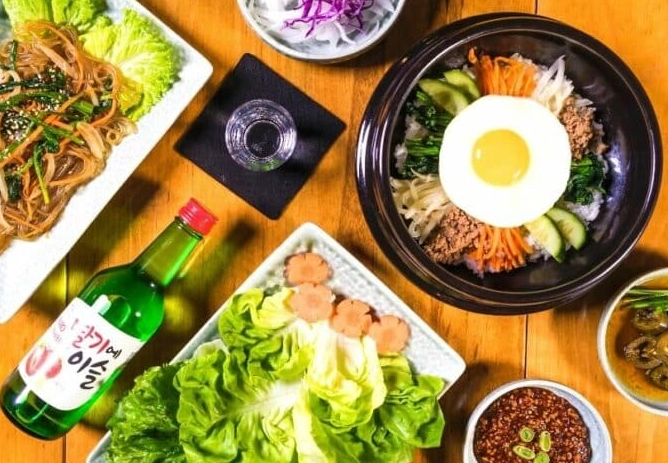
I've been there. My first trip to Seoul, I survived on kimbap and fried chicken for three days because I was too intimidated to walk into a proper local joint. It was a delicious, but deeply shameful, culinary defeat.
This isn't that kind of list. This is the Korean dish list I wish I'd had. We're going beyond the postcard pictures. We'll talk about the soul-warming stews you eat when it's raining, the sizzling platters you share with friends over soju, the crunchy street snacks that cost a dollar, and yes, the spicy stuff too (with clear warnings). We'll break it down by mood, by occasion, and by how adventurous you're feeling. Consider this your friendly, slightly opinionated guide to navigating the glorious, chaotic, and incredibly delicious world of Korean food.
The Core Cast: Your Essential Korean Dish List Starters
Okay, we have to start somewhere. These are the foundational dishes. The ones you'll see everywhere, from high-end spots in Gangnam to your local neighborhood hole-in-the-wall. Knowing these is like learning the alphabet before you write a sentence.
Bibimbap (비빔밥): The icon. It literally means "mixed rice." A bowl of warm rice topped with an array of seasoned vegetables (namul), maybe some meat (usually beef), a fried or raw egg, and a dollop of gochujang (red chili paste). The magic happens when you stir it all together. It's a complete meal in a bowl, and the beauty is in the variety of textures and flavors mixing into one harmonious bite. Pro tip: Ask for a stone pot (dolsot) version. The rice at the bottom gets crispy and golden—the best part.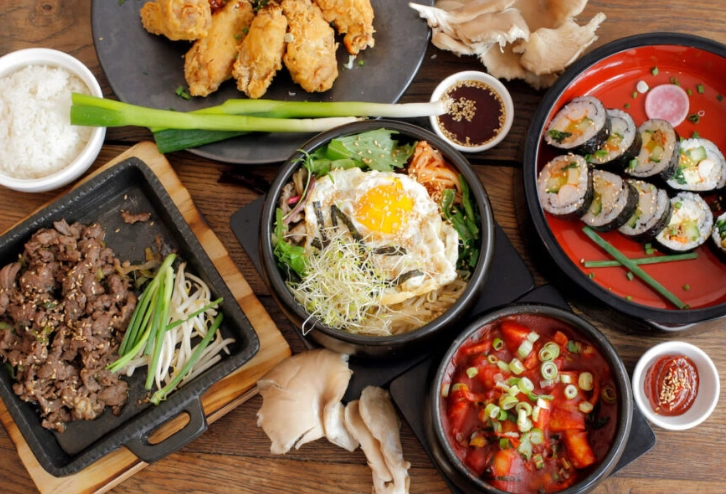
Bulgogi (불고기): Thinly sliced beef, marinated in a sweet and savory sauce of soy, sugar, sesame oil, and garlic, then grilled. It's often called "Korean BBQ," but it's specifically this marinade. It's universally loved, not spicy, and a perfect gateway dish. You wrap a piece in a fresh lettuce leaf (ssam) with some rice, garlic, and ssamjang (a thick, spicy paste).
Kimchi Jjigae (김치찌개): This is the heart of Korean home cooking. A fiery, bubbling stew made with aged kimchi (the sourer, the better), tofu, pork (often pork belly), and vegetables in a kimchi-based broth. It's pungent, deeply savory, spicy, and incredibly comforting. This is what you crave on a cold day. It's almost always served as a shared pot in the center of the table, with a bowl of rice for each person to temper the heat.
These three give you a perfect triangle: rice (bibimbap), grilled protein (bulgogi), and stew (kimchi jjigae). Master these, and you're no longer a tourist; you're a participant.
Beyond the Basics: Expanding Your Korean Food List
Now that you know the core players, let's add some depth to your repertoire. This is where a good Korean dish list gets interesting.
The Stew & Soup Universe (Jjigae & Guk)
Koreans love their soups and stews, often eating them daily. They're not starters; they're main events.
- Sundubu Jjigae (순두부찌개): My personal favorite. A fiery stew with extra-soft, uncurdled tofu (sundubu) in a spicy seafood or meat broth. It usually comes with a raw egg cracked into it at your table, which you stir in to cook. The silkiness of the tofu against the spicy broth is heavenly.
- Doenjang Jjigae (된장찌개): The earthy, fermented counterpart to kimchi jjigae. Made with doenjang (Korean soybean paste), it's packed with vegetables, tofu, and sometimes shellfish. It's deeply savory, funky in a good way, and less spicy. This is ultimate comfort food.
- Samgyetang (삼계탕): A whole young chicken stuffed with glutinous rice, ginseng, jujube, and garlic, simmered in a clear, delicate broth. You eat it in the peak of summer, believe it or not, to "fight heat with heat." It's medicinal, nourishing, and surprisingly light.
The Korean BBQ Hall of Fame
Bulgogi is just the beginning. At a proper Korean BBQ restaurant, you grill the meat yourself at the table.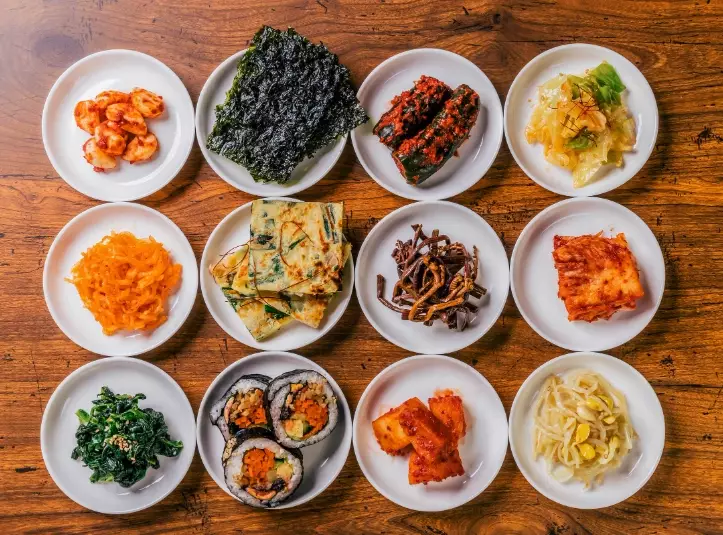
| Dish | What It Is | Flavor Profile | Best For... |
|---|---|---|---|
| Samgyeopsal (삼겹살) | Unmarinated, thick slices of pork belly. | Rich, porky, smoky from the grill. You dip it in salt & sesame oil or ssamjang. | A casual, beer/soju-heavy night with friends. The quintessential BBQ experience. |
| Galbi (갈비) | Beef short ribs, usually marinated in a soy-based sauce similar to bulgogi but often with added fruit puree for tenderness. | Sweet, savory, slightly charred. Incredibly tender. | A more celebratory or fancy BBQ meal. Can be expensive. |
| Dwaeji Bulgogi (돼지불고기) | Thinly sliced pork marinated in a spicy gochujang-based sauce. | Spicy, sweet, garlicky. More intense than beef bulgogi. | When you want your BBQ with a serious kick. |
The ritual is half the fun: grilling, cutting with scissors, wrapping in lettuce with all the banchan (side dishes), and washing it down with a shot of soju. It's a social event.
But where do you even start? What if you're vegetarian? Is it all just meat and spice?
Navigating the Nuances: A Practical Guide
This is where most generic lists fail. They just throw names at you. Let's solve the actual problems you'll face.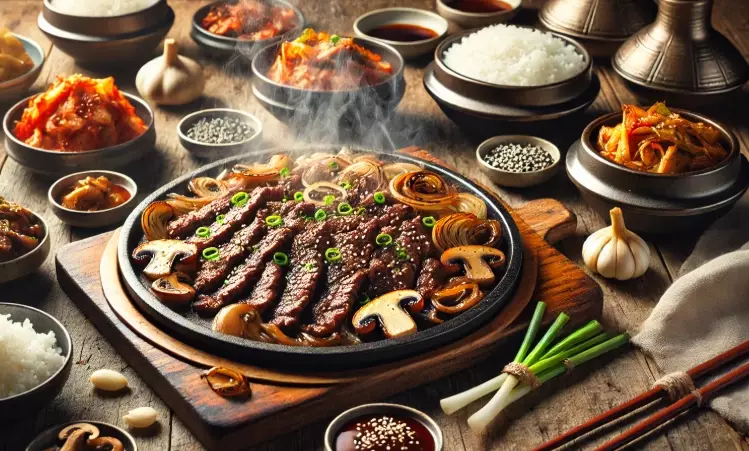
What if I Can't Handle Spice?
A huge concern, and a valid one! Korean food has a reputation for heat, but it's not a monolith.
You can also often ask for dishes to be made less spicy. Say "maepssi an maek-eo juseyo" (매프시 안 맵게 해주세요) – "Please make it not spicy." It doesn't always work for stews where the spice is integral, but it's worth a try.
What About Vegetarians?
It's trickier, but not impossible. The biggest hurdle is the hidden use of fish sauce (aekjeot), anchovy broth (myeolchi yuksu), or shrimp paste in many seemingly vegetarian dishes like kimchi and stew bases.
- Look for temples: Korean Buddhist temple cuisine (sachal eumsik) is strictly vegan and an incredible experience. The Korea Tourism Organization has guides on where to find it.
- Safe(ish) bets: Bibimbap (ask for no meat/egg, confirm the sauce), Japchae (confirm no meat), Pajeon (scallion pancake, ask for no seafood), Kimbap with veggie fillings, Doenjang Jjigae (ask if it's made with vegetable broth).
- Be specific: Learn to say "I am vegetarian" (chaesikjuuija ieyo 채식주의자예요) and "Does this contain meat or fish stock?" (Igos-e gogi ttoneo myeolchi yuksu ga deureo iss-eoyo? 이거에 고기 아니면 멸치 육수가 들어 있어요?).
It requires more effort, but the vibrant vegetable side dishes (banchan) alone are often worth the trip.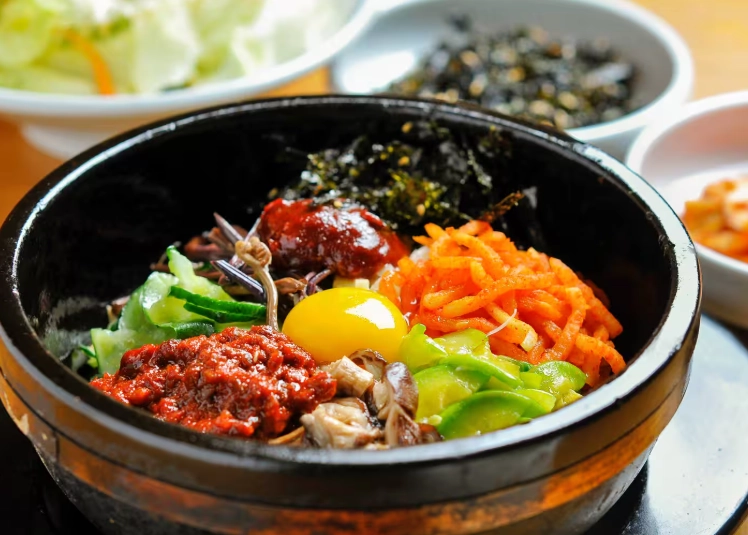
The Street Food Symphony
No Korean dish list is complete without the chaotic, delicious world of street food. It's fast, cheap, and incredibly fun.
- Tteokbokki (떡볶이): Chewy cylinder-shaped rice cakes smothered in a sweet, spicy, and sticky red gochujang sauce. Often served with fish cakes and boiled eggs. The ultimate street food staple.
- Hotteok (호떡): Sweet pancakes filled with molten brown sugar, honey, and crushed nuts. Fried on a griddle until crispy. Pure, sugary bliss, especially in winter.
- Gimbap (김밥): Korea's answer to sushi rolls, but the rice is seasoned with sesame oil, not vinegar, and fillings are cooked (e.g., spinach, carrot, pickled radish, ham, egg). The perfect grab-and-go snack.
- Bungeoppang (붕어빵): Fish-shaped pastry filled with sweet red bean paste. A nostalgic treat.
Just wander through a market like Myeongdong or Gwangjang and follow your nose. Pointing is a perfectly acceptable ordering method.
I have a love-hate relationship with tteokbokki. I love the flavor, but I always burn the roof of my mouth because I'm too impatient to let it cool. Every. Single. Time. The struggle is real.
Leveling Up: Regional Specialties & Adventurous Bites
Ready to go deeper? Korea's regions have their own famous dishes. And yes, we'll talk about the "weird" stuff too.
Jeonju: The birthplace of bibimbap. It's said to be the best here, often served with raw beef tartare (yukhoe) on top and a much wider array of banchan.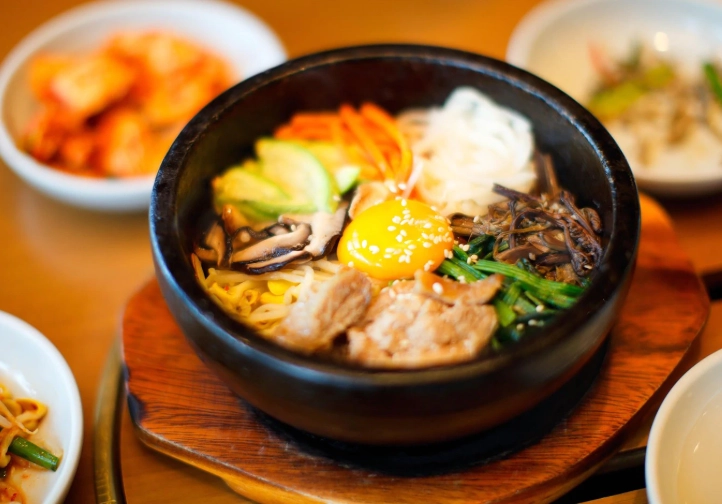
Busan: A port city, so seafood is king. Try Hoe (회) – raw fish slices, similar to sashimi but served with spicy cho-gochujang sauce and veggies for wrapping. Or Milmyeon (밀면) – cold wheat noodles in a spicy, tangy broth, a Busan specialty perfect for summer.
Jeju Island: Known for black pork (heuk dwaeji), which has a richer, distinct flavor. Also, fresh seafood like abalone and hallabong (a type of citrus).
Now, the adventurous corner of our Korean dish list.
San-nakji (산낙지): Live octopus. The small tentacles are chopped, seasoned with sesame oil, and served immediately. They are still moving on the plate. The texture is unique (chewy, suction cups can stick), and it's a wild experience. Important: Chew thoroughly. This isn't a joke.
Beondaegi (번데기): Steamed or boiled silkworm pupae. Sold in cups at street stalls. It smells... strong. Nutty, slightly bitter. It's a texture and aroma challenge. I tried it once. The taste was okay, but the smell lingered. Not my thing, but some people love it.
You don't have to try these.
Seriously. Korean food has so much to offer that you can have a lifetime of amazing meals without ever touching a wriggling tentacle. But if you're curious, now you know what you're getting into.
Putting It All Together: How to Use This Korean Dish List
So you're standing in front of a restaurant. What now?
- Scan for the classics: Look for the words we've talked about – Bibimbap, Jjigae, Bulgogi, Galbi.
- Check the pictures: Menus often have photos. A bubbling red stew is likely a jjigae. Meat on a grill is BBQ.
- Embrace set menus: Look for "jeongshik" (정식) which means a full set meal, or "XXXX for 2/3/4 people." These are often great value and give you a variety of dishes to try.
- Point and smile: It works. "Igeot, hana, juseyo" (이거, 하나, 주세요) – "This, one, please."
Remember, the banchan (small side dishes) are free and refillable. They're not just appetizers; they're part of the meal, meant to be eaten with your rice and main dish.
Answers to Questions You're Probably Googling
Final Thoughts: Your Journey Starts Here
The goal of this Korean dish list wasn't just to name dishes. It was to give you a map, a set of tools, and a bit of confidence. Korean food is about community, contrast (hot and cold, spicy and mild, crunchy and soft), and profound comfort.
Don't stress about trying everything. Pick one or two things from this list that sound good and start there. Maybe it's the sizzling stone pot of bibimbap or the communal pot of sundubu jjigae. The beauty of a great Korean dish list is that it's a starting point, not a checklist.
My last piece of advice? Order the kimchi jjigae. Even if you're scared of the spice. Have a big bowl of rice ready. It might just change your whole perspective on what food can be.
Now go eat.