Quick Navigation
- What Exactly Is Stinky Tofu? It Starts With a Brine
- The Great Stinky Tofu Taste Test: What to Really Expect
- How Is Stinky Tofu Made? A Peek Behind the Curtain
- Stinky Tofu Around Asia: A Regional Tour
- Is Stinky Tofu Actually Good For You?
- Your Stinky Tofu FAQ: Answering the Real Questions
- How to Cook Stinky Tofu at Home: A Simple Guide
- Final Thoughts: Should You Try Stinky Tofu?
Okay, let's talk about stinky tofu. You've probably heard of it, maybe even caught a whiff of it from a night market stall. That smell... it's something else, right? People either run towards it or run away. There's no in-between. I was firmly in the "run away" camp for years. The idea of eating something that smelled like old socks mixed with a damp basement just didn't appeal. But then, on a trip to Taipei, a friend basically dared me. "You can't say you've experienced the food here until you try it," he said. So I did. And you know what? I was completely wrong about it.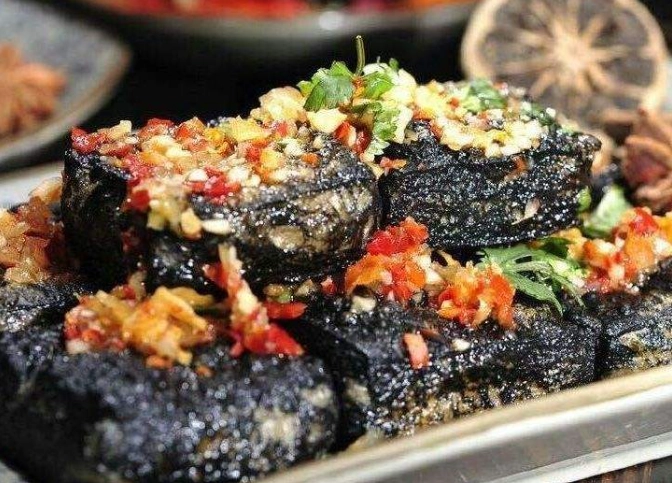
The taste is nothing like the smell. That's the first and most important thing to get across. It's a whole experience that separates the aroma from the flavor on your tongue. This isn't just some gross-out street food; it's a product of careful fermentation, with a history that stretches back centuries. It's a comfort food for millions, a cultural icon, and honestly, once you get past the initial shock, it's incredibly delicious. But I get it, you have questions. Is it safe? What does it actually taste like? Can you make it at home without evacuating your neighborhood? Let's dive in and clear the air, so to speak.
Fun Fact: The distinctive smell of stinky tofu primarily comes from compounds like indole and skatole, which are also found in flowers like jasmine (in small amounts) and, well, in feces. The fermentation process concentrates these aromatic compounds, creating that powerful signature scent that defines the dish.
What Exactly Is Stinky Tofu? It Starts With a Brine
At its core, stinky tofu is just fermented tofu. Regular fresh tofu is soaked in a special fermented brine for hours or even days. That brine is the magic (or the culprit, depending on your view). It's not a single recipe. Every vendor, every family, every region might have their own closely guarded brine formula passed down through generations.
Think of it like a sourdough starter, but for tofu.
The brine is typically a mix of fermented milk, vegetables, meat, and sometimes even dried shrimp or herbs. Common ingredients include amaranth greens, bamboo shoots, and Chinese mustard greens. This concoction is left to ferment for months, sometimes years, developing a complex ecosystem of bacteria and fungi. It's this living brine that transforms the bland, white tofu into the pungent, flavorful stinky tofu. The stinky tofu you buy has already undergone this transformation. It's usually sold pre-fermented, either as blocks ready to be cooked or already fried at street stalls.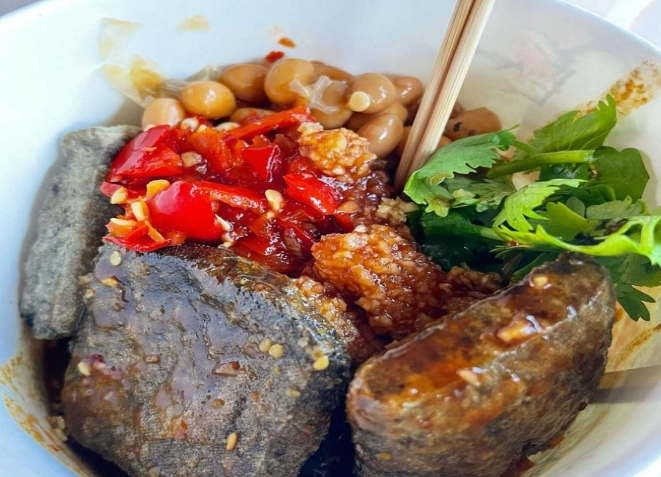
A Quick Dip Into History
Legend has it that stinky tofu was invented by accident during the Qing Dynasty by a scholar named Wang Zhihe. After failing the imperial exams, he stayed in Beijing and started a tofu shop. One day, leftover tofu went bad, but instead of tossing it, he let it ferment with some salt and spices. The result was a smelly but tasty product that became a hit. Whether the story is entirely true or not, it highlights the practical, waste-not roots of this food. Fermentation was, and still is, a brilliant way to preserve food and create new flavors from simple ingredients. It’s a tradition of resourcefulness.
The Great Stinky Tofu Taste Test: What to Really Expect
This is the big one. Everyone wants to know: what does stinky tofu taste like? I'll give you my honest take. The smell is a forceful, upfront announcement. It's earthy, pungent, cheesy, and vaguely sulfuric. But the taste? It's much milder and complex.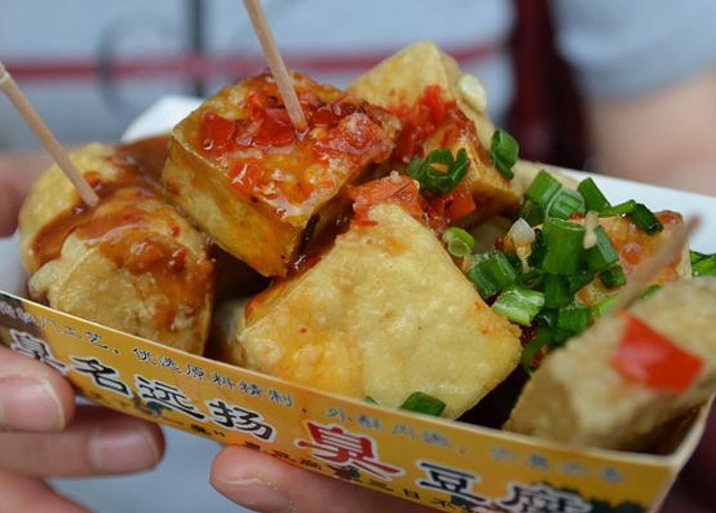
Imagine a really strong, aged cheese like a ripe Taleggio or a blue cheese. Now, take away some of the creaminess and add a deep, savory, umami punch. That's closer to the mark. The fermentation gives it a tangy, slightly sour note that cuts through the richness. The texture depends entirely on how it's cooked.
- Deep-Fried: This is the most common street food style. The outside becomes incredibly crispy and golden-brown, forming a satisfying crunch. Inside, it's soft, almost creamy, and piping hot. The high heat seems to mellow the smell a bit, too. This is the best "beginner" version, in my opinion.
- Stewed: Often found in hot pots or braised dishes. The tofu becomes spongy and absorbs all the flavors of the savory, often spicy, broth. The texture is juicy and tender.
- Steamed: A less common preparation that preserves a more delicate, pudding-like texture. The flavor is cleaner and the aroma more pronounced since it's not masked by frying.
My first bite was of the deep-fried kind, slathered with chili sauce and pickled cabbage. The crunch was phenomenal. The inside was hot and savory, and the pungency was more of a background note than the main event. It was savory, addictive, and completely changed my perspective. The pairing with the sharp, acidic pickles and spicy sauce is genius—it balances everything out.
Pro Tip for First-Timers: Always get it deep-fried and loaded with sauces and toppings on your first try. The textural contrast and added flavors make the introduction much more approachable. Breathe through your mouth as you bring it to your lips, not your nose. It helps!
How Is Stinky Tofu Made? A Peek Behind the Curtain
Making traditional stinky tofu from scratch is a serious commitment. It's not a weekend project. Most people just buy the pre-fermented blocks. But understanding the process helps you appreciate it. Here's a simplified breakdown:
- The Brine Creation: This is the secret sauce. A mixture of vegetables, herbs, sometimes seafood, and water is sealed in a jar and left to ferment for several months at room temperature. It develops a complex bacterial culture (mainly Lactobacillus and others).
- The Soak: Fresh, firm tofu blocks are submerged in this mature, pungent brine. They soak for anywhere from 6 to 24 hours, depending on the desired intensity of flavor and smell.
- The Removal & Storage: The tofu is taken out, rinsed briefly (or not, depending on the style), and is now "stinky tofu." It's kept refrigerated and used within a few days.
- The Cooking: The fermented tofu is then cooked, almost always thoroughly, via frying, stewing, or steaming. This step is crucial for food safety and texture development.
Can you make the brine at home? Technically, yes. You can find recipes online. But be warned—you are cultivating a potent bacterial culture. Sterilization of containers is vital to prevent harmful pathogens from joining the party. The smell during the brine-making process will be intense and will permeate your kitchen. Honestly, unless you're a serious fermentation enthusiast with a very understanding household (and neighbors), I'd recommend just seeking out a good Asian grocery store that sells the ready-to-cook fermented blocks. It's safer and much less hassle.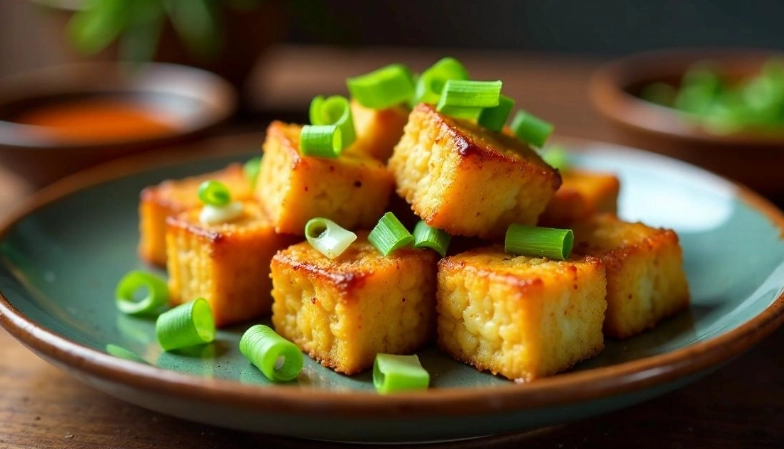
Stinky Tofu Around Asia: A Regional Tour
Not all stinky tofu is the same. Travel across China and Taiwan, and you'll find fascinating variations. The brine recipes and cooking methods change the character completely.
| Region | Key Characteristics | Common Serving Style |
|---|---|---|
| Taiwan | Often considered the king of street food stinky tofu. The brine frequently includes seafood elements, giving a deeper umami. The smell is famously strong. | Deep-fried, served with pickled cabbage, cilantro, and chili sauce from a night market stall. |
| Shanghai | Style tends to be milder in both aroma and flavor. The brine is often more vegetable-based. | Often braised or stewed in a rich, soy-based sauce with other ingredients. |
| Hunan | Known for being extra spicy. The fermentation might incorporate chili, or it's simply cooked with a lot of it. | Can be deep-fried or stewed, but always with a heavy dose of chili peppers and numbing Sichuan peppercorns. |
| Hong Kong | A popular street snack. The version here can be quite pungent and is almost exclusively deep-fried. | Deep-fried on a stick, dipped in hoisin sauce or sweet chili sauce. |
I've only tried the Taiwanese and Hong Kong styles myself. The Taiwanese one felt more complex, while the Hong Kong version was a pure, crispy, saucy snack. I'd love to try the Hunan spicy version next—it sounds like a real adventure.
Is Stinky Tofu Actually Good For You?
This is a major question people have. You're eating fermented food, which has a mixed reputation. Let's break down the health aspects, both good and potentially bad.
The Potential Benefits
As a fermented soy product, stinky tofu shares some benefits with other fermented foods like tempeh, natto, or yogurt.
- Probiotics: The fermentation process introduces beneficial bacteria (probiotics) that can support gut health. A healthy gut microbiome is linked to better digestion and even immune function. However, it's worth noting that cooking (especially frying) will kill most of these live cultures. The primary health benefits come from the compounds created during fermentation, not necessarily live bugs in the final cooked product.
- Nutrient Absorption: Fermentation can break down anti-nutrients like phytic acid found in soy, making minerals like iron and calcium more available for your body to absorb.
- Protein & Low Carb: Like all tofu, it's a good source of plant-based protein and is generally low in carbohydrates.
- Bioactive Compounds: Research, like studies indexed on PubMed, has shown that fermentation can increase the levels of certain bioactive peptides and antioxidants in soy products.
The Considerations and Downsides
It's not all sunshine and roses. You need to be aware of a few things.
Watch Out For: The biggest health factor isn't the tofu itself, but how it's served. Street food stinky tofu is almost always deep-fried. That means it can be high in calories and fat if consumed in large quantities. The sauces can also add sugar and sodium. Enjoy it as an occasional treat, not a daily health food.
- Sodium Content: The brine is salty, and the tofu absorbs that salt. If you are on a sodium-restricted diet, be cautious.
- Amines: Fermented foods contain biogenic amines (like histamine). For most people, this is fine. But some individuals with histamine intolerance may experience headaches, flushing, or digestive issues after eating it.
- Food Safety: This is crucial. Always eat stinky tofu from reputable vendors who cook it thoroughly and have a high turnover. The fermentation process, if not controlled properly, can allow harmful bacteria to grow. Properly manufactured and cooked stinky tofu is safe. The U.S. Food and Drug Administration provides general guidelines on safe food fermentation practices that reputable producers follow.
So, is it healthy? In moderation, as part of a balanced diet, and preferably in a preparation that isn't drowned in oil, it can be a nutritious food. But don't kid yourself into thinking that the deep-fried night market version is a superfood. It's a delicious, fun, sometimes-greasy treat.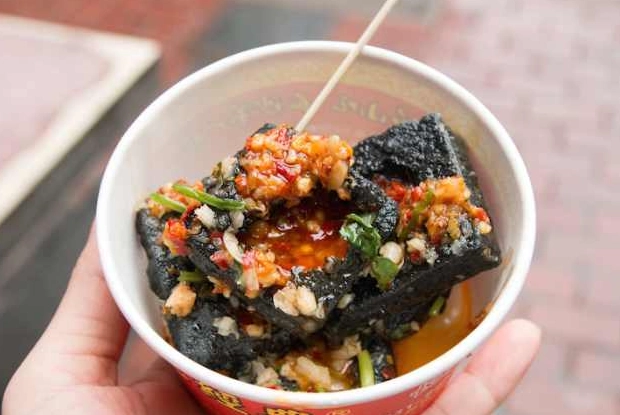
Your Stinky Tofu FAQ: Answering the Real Questions
Nothing is wrong—that's just how it smells! The smell comes from the volatile compounds produced by the bacteria during fermentation, like indole and sulfur compounds. It's a sign of the fermentation process, not spoilage. Spoiled tofu would have a different, more putrid smell, slimy texture, and discoloration.
Honestly, not really. The smell is an inherent part of the traditional fermentation process. You might find recipes for "quick" versions using fermented bean curd or other shortcuts that are less pungent, but they won't be the real deal. If you want authentic stinky tofu, you have to embrace the aroma, at least during the prep stage. Maybe do it in a garage or a very, very well-ventilated space.
Your best bet is a large Asian supermarket, particularly one that serves a Chinese or Taiwanese community. Look in the refrigerated section near the fresh tofu. You might find vacuum-sealed packs of pre-fermented stinky tofu blocks. Sometimes they're labeled "Fermented Tofu" or "Smelly Tofu." You can also check the freezer section. If you're lucky enough to have a local Asian restaurant that serves it, that's an even better place to start.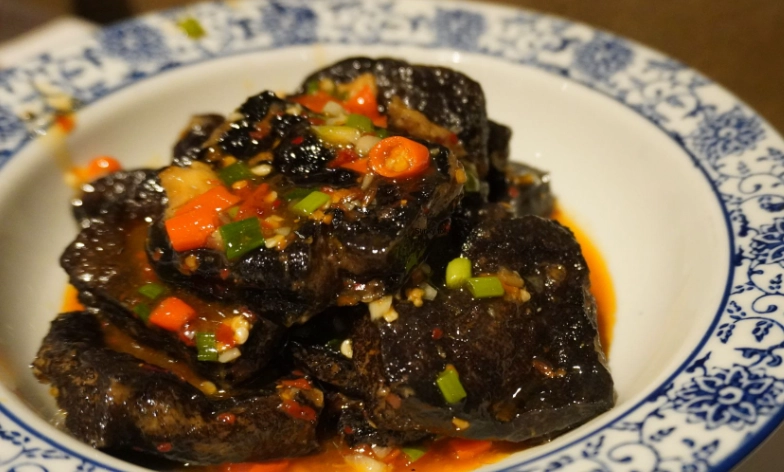
You need to check. This is super important. Traditional brine recipes can sometimes include shrimp, fish, or meat products. Modern or commercially produced stinky tofu brines are often vegetarian, using only vegetables and herbs. When buying pre-made blocks or ordering at a restaurant, always ask about the brine ingredients if you follow a strict diet. When I asked a vendor in Taipei, he said his family's brine was vegan, but he knew others who used dried shrimp.
You want sauces that offer contrast: sweet, spicy, tangy, and crunchy. The classic trio is:
1. Chili Sauce or Sriracha: For heat.
2. Sweet Soy Sauce or Hoisin: For a sweet, savory depth.
3. Pickled Cabbage (or Korean kimchi): For acidity and crunch.
A drizzle of sesame oil or a sprinkle of cilantro and chopped peanuts works wonders too.
How to Cook Stinky Tofu at Home: A Simple Guide
So you bought a pack of fermented stinky tofu from the store. Now what? Don't just eat it raw—it needs to be cooked. Here’s a dead-simple method for the classic deep-fried version.
- Drain & Dry: Take the tofu blocks out of the package and pat them very dry with paper towels. This is key for safe frying and getting it crispy.
- Heat the Oil: Pour vegetable oil into a deep pot or wok until it's about 2 inches deep. Heat it to 350°F (175°C). If you don't have a thermometer, a small piece of bread should sizzle and turn golden in about 30 seconds.
- Fry: Carefully slide the tofu blocks in, one by one. Don't overcrowd the pot. Fry for 3-5 minutes, turning occasionally, until they are puffed up, golden brown, and super crispy all over.
- Drain & Serve: Use a slotted spoon to take them out and drain on a wire rack or paper towels. Serve immediately while they're blisteringly hot and crispy.
That's it. The high heat will make the outside crackle and the inside tender. Now, pile on your sauces and toppings. If you're feeling adventurous, you can also try braising it. Just stir-fry some garlic, ginger, and chili bean paste, add a bit of broth and soy sauce, then add the tofu and simmer for 10-15 minutes until it soaks up the sauce.
"The first time I cooked it at home, I opened the windows and turned on every fan. My dog left the room. But after frying, the smell died down considerably. The result was so worth it—even better than some street vendor versions because it was fresher out of the oil."
Final Thoughts: Should You Try Stinky Tofu?
Look, I'm not going to tell everyone they must try it. If you have a very sensitive stomach or just know you can't handle strong smells, maybe it's not for you. And that's okay. Food adventures are personal.
But if you're even a little bit curious?
You absolutely should. Approach it with an open mind. Remember, the taste is not the smell. Seek out a reputable place—a busy night market stall or a well-regarded restaurant is your best bet for a good first experience. Get it deep-fried. Load up the toppings. Take that first bite.
At worst, you have a funny story. At best, you unlock a whole new world of flavor and gain a deeper appreciation for the ingenuity of traditional food preservation. Stinky tofu isn't just a snack; it's a lesson in not judging things by their cover—or in this case, by their scent. It’s a bold, unapologetic food that has stood the test of time for a reason. And who knows? You might just become a convert, like I did.
Just maybe don't eat it right before a first date or a job interview. Trust me on that one.