Your Flavor Journey Awaits
- The Can't-Miss Classics: Your Sri Lankan Food Hit List
- The Spice Must Flow: Understanding the Flavor Engine
- Beyond the Mainland: Coastal Bites & Sweet Endings
- How to Eat Like a Local: A Practical Guide
- Regional Twists: It's Not All the Same
- Your Burning Questions About Sri Lanka Food, Answered
- Final Thoughts Before You Dig In
Let's be honest. When most people think of Sri Lanka, they picture beaches, maybe some ancient temples. But for me, and for anyone who's spent real time there, it's the food that steals the show. It's the thing you dream about after you've left. I remember my first real Sri Lankan meal – a chaotic, wonderful spread on a banana leaf in a small Colombo eatery. The smells alone were overwhelming in the best way possible. That's what we're diving into here. Not just a list of dishes, but the heart of Sri Lanka food culture.
Sri Lankan cuisine is this incredible, often misunderstood, fusion. It's not just "Indian food, but different." That's a lazy comparison. Sure, there are shared roots and neighboring influences, but the island's history – Portuguese, Dutch, British, Malay, and Arab traders all stopping by – created something entirely its own. Think of it as a symphony where the lead instrument is the coconut, and the percussion section is an arsenal of roasted spices.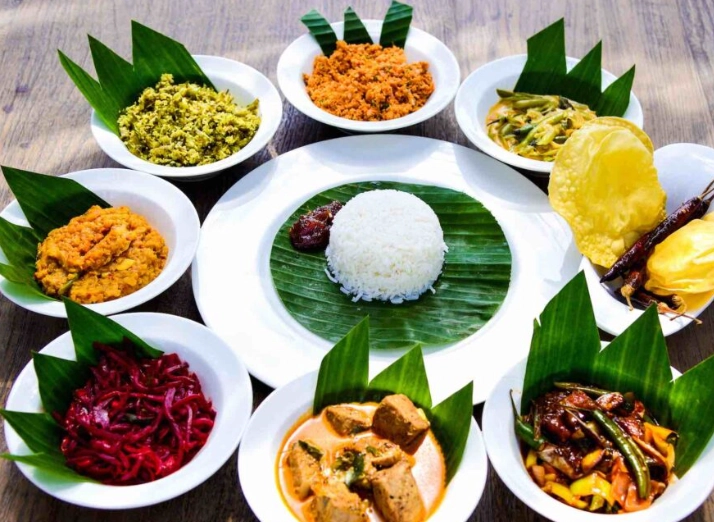
The core of Sri Lanka food is built on a few non-negotiables: rice (the daily staple), coconut (in milk, oil, and grated form), and an array of spices that are often freshly roasted and ground. The result? Dishes with a depth of flavor that's hard to replicate elsewhere.
The Can't-Miss Classics: Your Sri Lankan Food Hit List
You can't talk about Sri Lanka food without starting with the absolute essentials. These are the dishes you'll see everywhere, from street stalls to home kitchens. If you leave the island without trying these, you've missed the point.
Hoppers (Appa) – The Breakfast of Champions
Imagine a crispy, bowl-shaped pancake with a soft, spongy center. That's a hopper. Made from a fermented batter of rice flour and coconut milk, they're cooked in a small, curved pan. The plain ones are great, but the real magic happens with an egg hopper – a whole egg cracked into the center while it cooks, creating a perfect, runny-yolk treasure. Dip pieces of the crispy edge into a spicy lunu miris (a relish of onion, chili, and lime) and tell me that's not a perfect start to the day.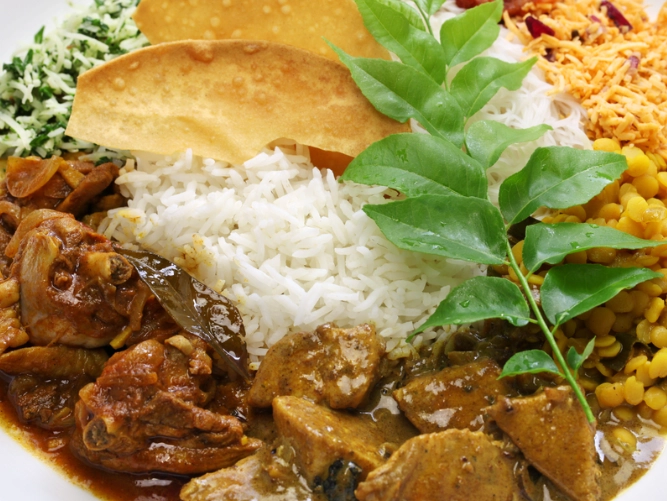
Some places even do sweet hoppers, sometimes with jaggery (palm sugar). But for a true taste of Sri Lankan food, stick with the savory versions.
Kottu Roti – The Soundtrack of the Streets
You'll hear kottu before you see it. The rhythmic, metallic *clang-clang-clang* of two metal blades chopping roti bread on a hot griddle is the dinner-time anthem of every town. It's essentially stir-fried shredded roti (a flatbread), mixed with vegetables, egg, meat, or cheese, and a killer blend of spices and curry sauce.
It's the ultimate comfort food – hearty, customizable, and packed with flavor. Asking "what's in your kottu?" is a common conversation starter.
Rice and Curry – The Heart of the Matter
This is the true national dish. Not a single curry, but a spread. A central mound of rice surrounded by several small bowls of different curries – maybe a dhal (lentil) curry, a potato curry, a dry-fried green bean dish (tempered beans), a mallum (shredded greens with coconut), and a main protein like fish, chicken, or mutton curry. It's a balanced, communal, and deeply satisfying way to eat.
The beauty is in the variety. No two days are the same. This is where you experience the full spectrum of Sri Lanka cuisine.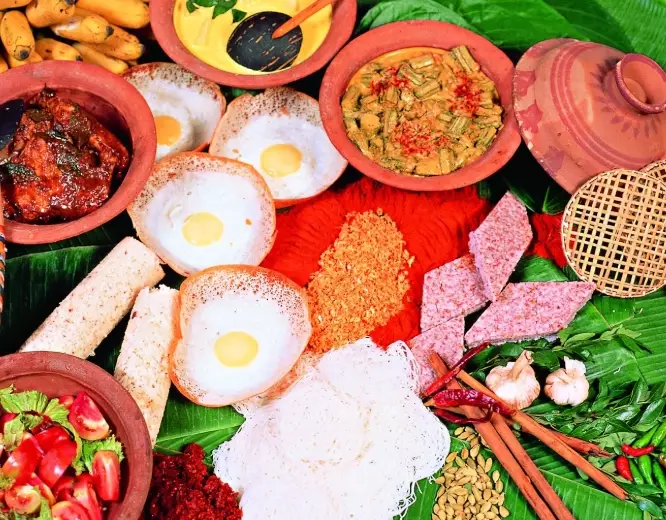
| Dish Name | What It Is | The "Must-Try" Reason |
|---|---|---|
| Lamprais | A Dutch Burgher influence. Spiced rice, meat curry, seeni sambol, and frikkadels (meatballs) all wrapped in a banana leaf and baked. | A complete, aromatic flavor package. The baking steams everything together, making the rice incredibly fragrant. |
| String Hoppers (Idiyappam) | Steamed nests of fine rice noodles. | A fantastic, lighter alternative to rice, usually served for breakfast with curry or coconut sambol. |
| Seeni Sambol | A sweet, spicy, and savory relish of onions, dried fish, chili, and tamarind. | The ultimate condiment. It transforms plain rice or bread into something special. |
| Pol Sambol | A simple mix of grated coconut, red onion, chili powder, lime, and salt. | Fresh, spicy, and coconutty. The quintessential Sri Lankan side that adds instant vibrancy. |
| Wambatu Moju | Eggplant (aubergine) pickled in a sweet, sour, and spicy glaze. | Even eggplant haters might be converted. The texture and sweet-sour punch are addictive. |
That table just scratches the surface. The world of Sri Lanka food is vast.
The Spice Must Flow: Understanding the Flavor Engine
You can't separate Sri Lankan food from its spices. This isn't about a generic "curry powder" from a supermarket jar. Traditional cooking involves dry-roasting whole spices like coriander seeds, cumin seeds, fennel seeds, and mustard seeds, then grinding them fresh. This process unlocks oils and aromas that pre-ground powder simply loses.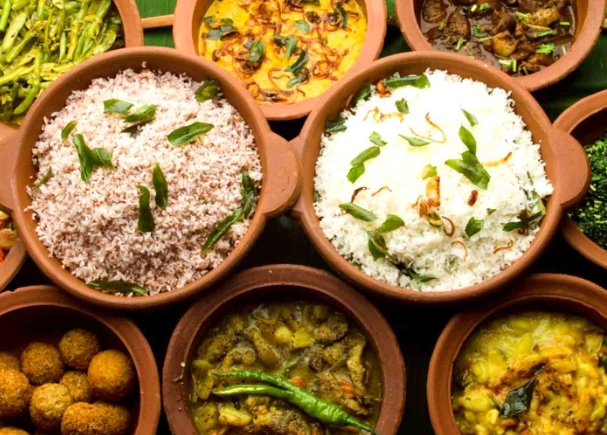
But there's more. Cinnamon (true cinnamon, or *Ceylon cinnamon*, is native to Sri Lanka and is milder and more complex than the cassia bark often sold as cinnamon), cardamom, cloves, curry leaves, pandan leaves (rampe), and lemongrass all play crucial roles. Turmeric provides color and earthiness. And then there's the chili.
Many families still make their own curry powder blends, passed down through generations. This is why a chicken curry from one household can taste completely different from another's. It's a personal signature.
Beyond the Mainland: Coastal Bites & Sweet Endings
With all that coastline, seafood is a star. Ambul Thiyal is a famous sour fish curry from the south, where chunks of tuna are cooked in a thick, almost black paste of goraka (a souring fruit) and spices. It's a preservation method that results in an intensely tangy and spicy dish with no coconut milk. Grilled prawns, crab curry, and fried sprats (small fish) are common delights.
And let's talk sweets. Sri Lankan desserts are often based on coconut, jaggery, rice flour, and treacle.
- Kavum: Small, deep-fried sweet cakes made from rice flour and treacle, often shaped like little mushrooms. Sticky, sweet, and a festival favorite.
- Watalappan: A gorgeous steamed custard made with coconut milk, jaggery, eggs, and spices like cardamom and nutmeg. It's like a richer, more aromatic crème caramel.
- Kiri Pani: Literally "milk toffee." A fudgy, milky sweet that's incredibly moreish.
Don't expect overly elaborate pastries. The desserts here are humble, sweet, and deeply comforting.
How to Eat Like a Local: A Practical Guide
Knowing the dishes is one thing. Knowing how to navigate the eating scene is another.
Where to Find the Best Sri Lanka Food
- Local "Hotels" (Bath Kade): Don't be fooled by the name. These are simple, no-frills local eateries serving the best rice and curry for lunch. You'll often get a heap of rice and 3-4 curries for a shockingly low price. The food is fresh, authentic, and made for locals. This is where you find the real deal.
- Street Food Stalls: For hoppers, kottu, isso vadai (lentil fritters with shrimp), and fresh fruit. Follow the crowds and the sizzling sounds.
- Market Halls: Places like Pettah Market in Colombo are sensory overloads and great for grabbing quick, cheap bites from vendors inside.
- Home Cooking: If you get the chance to try a home-cooked meal, take it. It's an unparalleled experience. Many guesthouses and homestays offer this.
Etiquette and Tips
It's customary to eat with your right hand in many local settings. Mix the curries with the rice on your plate (or banana leaf) until it's a manageable temperature and consistency, then use your fingers to form small balls to eat. It feels strange at first, but it connects you to the food in a different way. Left hand? Keep it for passing dishes or drinking.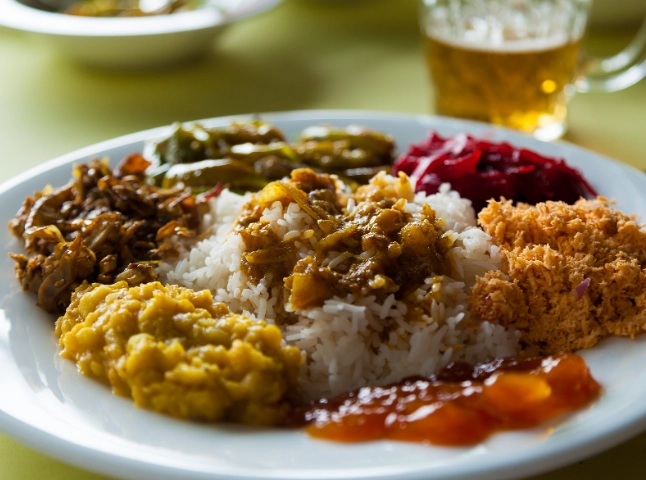
Water is usually served in a bottle or jug. You pour it into your glass. Asking for bottled water is fine, but tap water in cities is generally treated.
Regional Twists: It's Not All the Same
Geography plays a role. The food in the hill country (Kandy, Nuwara Eliya) has different touches. You might find more vegetable-centric dishes, influenced by the Tamil communities. In Jaffna, in the north, the cuisine is distinctly Tamil, with a focus on crab, lobster, and unique crab curries, often hotter and using different spice blends. The east coast has strong Muslim influences, so biryani and roti become more prominent.
So, if someone says they know "Sri Lankan food," ask them which region they're talking about.
Your Burning Questions About Sri Lanka Food, Answered
Is all Sri Lankan food extremely spicy?
No, but a lot of it has a kick. The base level of heat is higher than in many Western cuisines. The key is that the spice is layered and flavorful, not just painful. Many dishes balance heat with coconut milk's creaminess or sour notes from lime and tamarind. You can always request "keta kamak na" (less spicy). Tourist-oriented restaurants will usually tone it down automatically.
I'm a vegetarian/vegan. Will I starve?
Absolutely not. Sri Lanka has a strong Buddhist tradition, so vegetarianism is well-understood. A typical rice and curry spread is often mostly vegetarian by default (dhal, potato, beetroot, pumpkin, jackfruit, mango curry). Just specify "shak ahara" (vegetarian food) and confirm no fish or meat stock is used. Vegan (shuddha shak ahara) is trickier due to the heavy use of coconut milk and sometimes ghee, but with clear communication, it's manageable.
What's the deal with hygiene? Is street food safe?
Use common sense. Look for stalls with a high turnover of locals—the food is fresher. Avoid anything that looks like it's been sitting out for hours. Fried foods (vadai, rolls) and things cooked to order (kottu, hoppers) are generally safe bets. Peel your own fruit. I followed these rules and never had a serious issue beyond a mild adjustment period.
What's one ingredient I should bring home?
Real Ceylon Cinnamon. It's softer, flakier, and has a subtler, more complex flavor than the common cassia. You can find good-quality quills in local supermarkets or spice gardens. Also, a packet of good roasted curry powder from a reputable brand like "McCurrie" or "Mackwoods" makes a great gift.
Where can I learn more about authentic recipes?
For truly authentic and well-researched information on Sri Lankan ingredients and culinary heritage, the Sri Lanka Tourism website often features culinary pages. For deep dives into specific agricultural products like Ceylon Cinnamon, which is a protected geographical indication, the official Sri Lanka Export Development Board site provides authoritative background. These are reliable, official sources that go beyond typical blog posts.
Final Thoughts Before You Dig In
Exploring Sri Lanka food is an adventure. It's about saying yes to the unfamiliar plate, to the street-side stall, to the home cook's invitation. It can be messy, sometimes challenging, but overwhelmingly rewarding.
Don't just stick to your hotel buffet. Venture out. The best meals I had were in places where I pointed at what someone else was eating because I didn't know the name. The richness of Sri Lanka cuisine isn't just in its spices, but in its generosity and its connection to daily life.
So go on. Order the hopper with the egg. Try the kottu. Get your hands messy with a rice and curry spread. That's where you'll find the real flavor of the island.