Let's talk about food in Myanmar Burma. Honestly, before my first trip there, my knowledge was pretty much limited to "tea leaf salad" and that was about it. I had no idea what I was getting into. What I discovered was a cuisine that's quietly brilliant, a hidden gem in Southeast Asia that doesn't get the hype of Thai or Vietnamese food, but absolutely deserves a spot at the table. It's a fascinating mix, you see. You've got influences from its neighbors—China, India, Thailand, Bangladesh—all simmered together for centuries, but the result is something uniquely Burmese. It's not just a copy. It's its own thing.
If you're planning a trip, or just curious from your kitchen, understanding the food in Myanmar is key to understanding the country itself. It's hearty, often earthy, and centered around community and sharing. Forget fancy, delicate plating. This is food that feeds the soul and fills the belly. So, where do we start? Let's dive right into what makes it tick.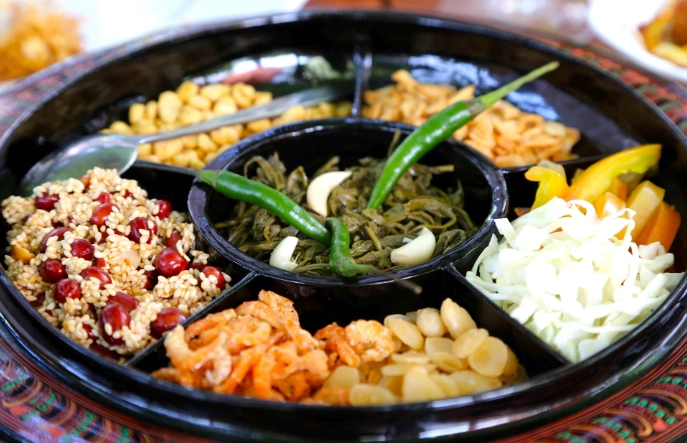
The Heart of the Table: What Makes Burmese Food Unique?
You can't just jump into the dishes without getting the basics. The foundation of food in Myanmar Burma rests on a few key pillars. Get these, and the whole menu starts to make sense.
First, rice. It's the absolute centerpiece. A meal isn't really a meal without a big plate of plain white rice. Everything else—the curries, the soups, the salads—are considered "side dishes" or "with-rice" dishes. It's the canvas. Then you have ngapi. This is the game-changer. It's a fermented fish or shrimp paste that's used as a seasoning base, a condiment, and sometimes even a main ingredient. The smell can be... intense for the uninitiated. I remember walking past a market stall selling it and doing a double-take. But in the cooking, it adds this deep, savory, umami punch that's irreplaceable. Think of it like fish sauce in Vietnam, but chunkier and more pervasive.
Another star is the tea leaf. Not just for drinking! Pickled tea leaves, or lahpet, are a national obsession. They're eaten as a salad, and it's a dish steeped in social and political history. It's a sign of hospitality and is central to many gatherings. The flavor is tangy, slightly bitter, and utterly addictive with its mix of crunchy beans, nuts, and garlic oil.
The Flavor Profile in a Nutshell: Don't expect one dominant note. Burmese food is a masterclass in balance. You'll find sour from tamarind and lime, heat from chilies (though generally less fiery than Thai food), savory from ngapi and soy, bitterness from greens and herbs, and a touch of sweetness often creeping in. It's this complex layering that hooks you.
Top 10 Dishes You Absolutely Must Try in Myanmar
Okay, enough theory. Let's get to the good stuff. If you're exploring food in Myanmar Burma, these are the non-negotiable dishes. I've ranked them based on iconic status, accessibility for newcomers, and just pure deliciousness.
Mohinga
Calling this just "fish noodle soup" is a massive understatement. This is the undisputed national dish of Myanmar, the breakfast of champions, and a culinary hug in a bowl. It's a rich, herbal broth made from catfish, lemongrass, ginger, and banana stem, thickened with roasted rice powder. It's served over thin rice noodles and topped with a hard-boiled egg, crispy fritters, cilantro, and a squeeze of lime. The first time I had it at a little stall in Yangon at 7 am, surrounded by locals on tiny plastic stools, it was a revelation. It's complex, comforting, and absolutely essential. You haven't really tried Burmese food until you've had mohinga.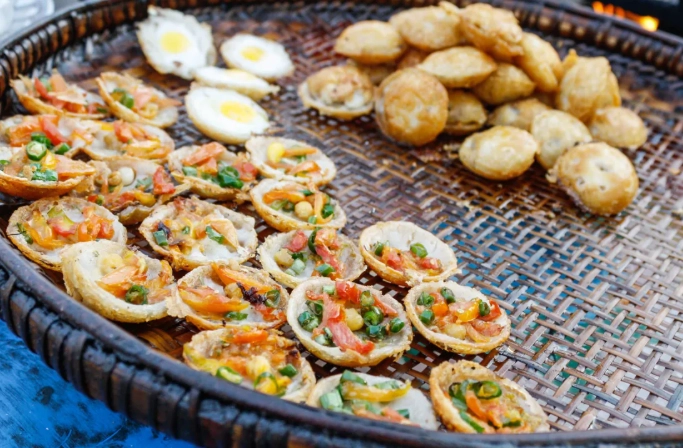
Lahpet Thoke (Tea Leaf Salad)
This is probably the most famous export of Burmese cuisine. Fermented tea leaves are mixed with a cacophony of textures: crunchy fried garlic, peanuts, toasted sesame seeds, dried shrimp, shredded cabbage, tomatoes, and fiery green chilies. It's all brought together with a punchy hit of lime and peanut oil. The texture is incredible—chewy, crunchy, soft, all at once. The flavor is tangy, nutty, and savory. It's a social food, often shared from a communal plate. A word of warning: the tea leaves have a slight caffeine kick! Don't eat a huge portion right before bed like I foolishly did once.
Shan Noodles
Hailing from the Shan State in eastern Myanmar, this dish is a beautiful, simple masterpiece. It features either thin rice noodles or thicker, round wheat noodles in a mild, slightly sweet tomato-and-chicken-based sauce. It's topped with shredded chicken, toasted sesame seeds, a drizzle of garlic oil, and pickled mustard greens. It's less spicy and less intense than mohinga, making it a perfect, gentle introduction to the world of food in Myanmar. It's incredibly moreish.
Burmese Curry
This is a different beast from Indian or Thai curries. A Burmese curry (hin) is typically a single, main protein—like pork, beef, fish, or mutton—slow-cooked in a base of onions, garlic, turmeric, and chili powder. The oil separates and floats to the top, creating a rich, concentrated flavor. It's not a saucy gravy. It's drier and more focused. You'll always get it with rice, a light soup (hin gyo), and a plate of fresh and blanched vegetables for dipping in various salty, sour pastes. It's a complete meal architecture.
My personal take? Some Burmese curries can be a bit oily for my taste. The oil separation is traditional, but sometimes it feels like a lot. Don't be shy to mix it well into your rice to distribute it.
Ohn No Khao Swè
Coconut chicken noodles. If mohinga is the hearty, earthy breakfast, this is the rich, creamy cousin. It's a coconut milk-based broth with chicken, served over wheat noodles and garnished with hard-boiled egg, crispy noodles, a squeeze of lime, and chili powder. It's comforting, luxurious, and incredibly satisfying. The flavor is milder and sweeter, making it a great choice if you're easing into the cuisine.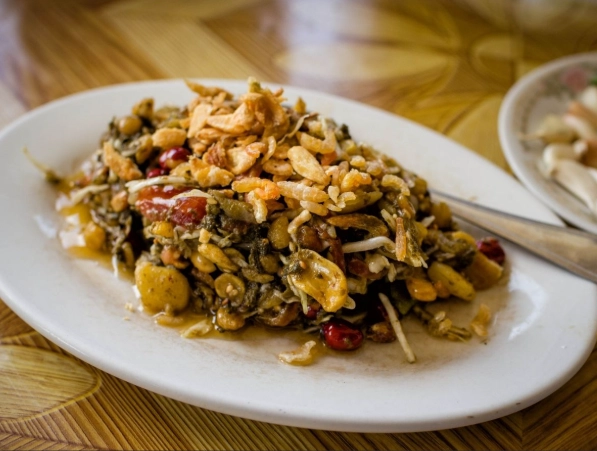
Samusa Thoke
This is a stroke of genius. They take samosas—the Indian fried pastry triangles filled with spiced potatoes and peas—and chop them up into a salad. Yes, really. The crispy samosa pieces are tossed with shredded cabbage, onions, mint, lentils, and a tamarind dressing. It's a textural wonderland and a perfect example of how Burmese cuisine adapts and transforms its influences into something new. It's a common street food snack and utterly delicious.
Nan Gyi Thoke
Think of it as a deconstructed, salad-ified curry. It uses thick, round rice noodles (like udon) mixed with a thick, rich chicken or mutton curry sauce. It's served at room temperature, topped with chickpea flour, hard-boiled egg slices, and chili oil. It's hearty, flavorful, and a popular lunch option. It's less soupy than other noodle dishes, making it easy to eat on the go.
Burmese Biryani (Danpauk)
Another beautiful Indian influence. Burmese biryani is fragrant, often slightly less spicy than its Indian counterpart, and uses a specific type of rice called paw san hmwe. It's cooked with chicken or mutton, potatoes, and a blend of spices including cinnamon, cardamom, and cloves. You'll find it in Muslim tea shops and dedicated biryani houses, especially in Yangon. It's a celebration dish, often associated with weddings and festivals.
Grilled River Fish (Nga Htamin)
Given the country's many rivers, freshwater fish is a staple. A whole fish, often a carp or catfish, is marinated in turmeric and salt and grilled over charcoal. It's simple, smoky, and fantastic. It's usually served with a sharp, tart dipping sauce made with tamarind or lime and fresh herbs. Eating this by the banks of the Irrawaddy is a memory I won't forget.
Mont Lin Mayar (Burmese "Couple" Fritters)
This is a fun street food. It's two small, round fritters made from rice flour and urad dal batter, fused together during frying (hence the "couple" name). They're crispy on the outside, soft and slightly chewy inside, and often have a quail's egg cooked into the center. They're served with a sweet and sour tamarind sauce. Perfect for a 3 pm snack.
That's just the start. The list could go on and on.
Beyond the Center: A Tour of Myanmar's Regional Cuisines
One of the biggest mistakes is thinking Burmese food is one monolithic thing. It's not. The geography and ethnic diversity create distinct regional flavors. The food in Myanmar Burma you get in Yangon is different from what you get in Mandalay, and vastly different from the food in the highlands.
| Region | Key Characteristics | Must-Try Specialties |
|---|---|---|
| Central (Bamar Heartland: Yangon, Mandalay, Bagan) | The "classic" Burmese cuisine. Hearty, rice-based, ngapi-forward. Curries, mohinga, and salads reign supreme. | Mohinga, Lahpet Thoke, Ohn No Khao Swè, various Hins (curries). |
| Shan State | Lighter, subtler, with more fresh herbs and vegetables. Influences from Northern Thailand and Yunnan (China). Less reliance on oil and ngapi. Famous for its noodles and tofu. | Shan Noodles, Tofu Nway (a soft, warm tofu porridge), Shan-style rice (sticky rice). |
| Rakhine State (Western Coast) | SPICY. Heavily influenced by its coastal location. Uses more fish and seafood. Known for fierce chili heat and bold flavors. | Rakhine Mont Di (a fiery fish noodle soup), various seafood curries. |
| Chin State & Kachin State (Northern Highlands) | More rustic, with unique ingredients like bamboo shoots, wild herbs, and fermented soybeans. Meat preservation (smoking, drying) is common. | Kachin-style pork curries, dishes featuring local greens and bamboo. |
| Mon State (Southern Coast) | Similar to Rakhine in its seafood focus but often with a sour profile from ingredients like bilimbi (a sour fruit) and tamarind. | Htamin Chin (a sour rice salad with fish), various sour fish soups. |
See what I mean? If you have the chance to travel around, make a point to seek out these regional specialties. The food in Myanmar Burma tells the story of its land and people.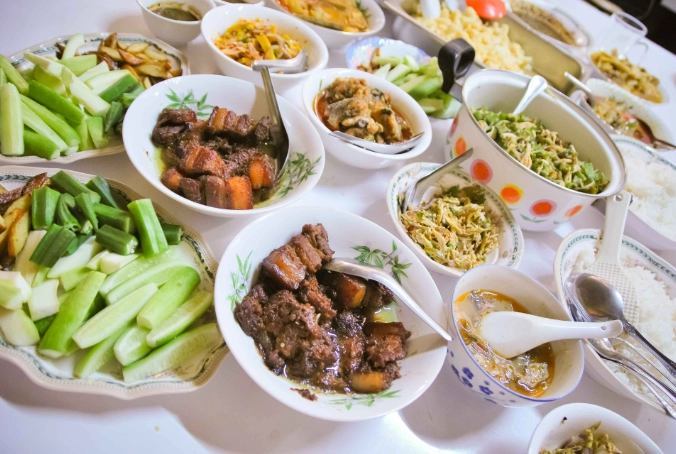
The Practical Side: Eating Your Way Through Myanmar
Knowing the dishes is one thing. Knowing how, where, and when to eat them is another. This is the stuff I wish I knew on my first trip.
Where to Eat: From Street Stalls to Tea Shops
Street Food & Markets: This is the lifeblood of food in Myanmar. Don't be scared. Look for stalls with a high turnover of locals. Mohinga for breakfast from a street vendor is a rite of passage. The Bogyoke Market in Yangon or the night markets in Mandalay are fantastic hunting grounds.
Tea Shops (Kaka Hsaing): These are more than just places to drink tea. They are social hubs, news centers, and all-day restaurants. You can get simple meals like nan gyi thoke, biryani, fried rice, and samosas alongside your sweet, milky tea. They're incredible for people-watching and absorbing local life.
Restaurants: Range from simple local eateries (often with no English menu—pointing works!) to more upscale places in major cities showcasing refined versions of classic dishes.
Pro-Tip for Ordering: In a local curry restaurant, you usually order by the protein. You'll say "pork curry" or "beef curry," and the rest—the rice, soup, and vegetable platter—comes as a set. It's a wonderfully efficient system.
Navigating the Meal: Etiquette and Customs
It's mostly relaxed, but a few things help. Food is often shared. Dishes come to the table and everyone helps themselves. It's polite to use a serving spoon if provided. Eating with your right hand is common, especially for mixing rice and curry, though spoons and forks are widely available. Chopsticks are usually reserved for noodle dishes.
One unique thing? The Soup Rule. The light, clear soup that comes with your curry rice isn't always drunk by itself. It's often used as a palate cleanser between bites of rich curry or poured a little onto your rice to make it easier to eat. Try it.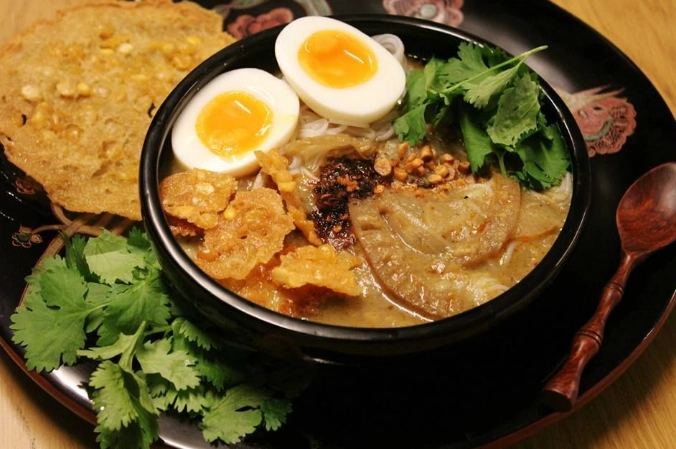
What About Dietary Restrictions?
Vegetarians: It can be tricky, but it's doable. The main challenge is ngapi (fish paste) and fish sauce, which are used as seasoning in many seemingly vegetable-only dishes. You must be clear and specific. Learn the phrase "thee sar thar" (pure vegetarian, no fish paste). Stick to clearly vegetarian dishes like Shan tofu salads, plain rice with vegetable side dishes (ask about the paste!), and Indian-style vegetarian food in Yangon. Many salads can be made without dried shrimp.
Vegans: Significantly harder due to the pervasive use of fish products and sometimes dairy in desserts. Requires extreme diligence and likely sticking to self-catering or very specific restaurants.
Halal: A significant Muslim population, especially in Yangon and parts of Rakhine, means excellent Halal food is widely available. Look for "hla min" (Muslim) restaurants and tea shops for biryani, kebabs, and halal curries.
Your Burmese Food Questions, Answered
I get a lot of questions from friends before they go. Here are the big ones.
Is Burmese food very spicy? Generally, less so than Thai or Indian food. The heat is often adjustable. Chili powder or fresh chilies are served on the side or in a small dish for dipping. You control the fire. Except in Rakhine State—they don't play around there.
Is it safe to eat street food in Myanmar? In my experience, yes, if you're smart. Follow the basic rules: eat where it's busy (high turnover), where the food is cooked fresh and hot in front of you, and avoid raw vegetables or pre-cut fruit that may have been washed in tap water. Drink bottled or purified water. I ate street food daily for weeks and was fine.
What's a typical day of eating like? Breakfast is often mohinga or Shan noodles. Lunch is a quick curry rice set at a tea shop or a noodle salad. Dinner is a more substantial affair, often at home with family, featuring a curry, soup, and several side dishes. Snacking is constant—fritters, samosas, sweet treats.
What about desserts? Burmese sweets (moun) are a world of their own. They are often based on coconut, rice flour, tapioca, and jaggery (palm sugar). They can be very, very sweet. Look for Shwe Yin Aye (a cooling coconut sago dessert), Mont Lone Yay Paw (glutinous rice balls with jaggery inside), and various sticky rice cakes.
Where can I learn more about authentic recipes? For those wanting to dig deeper into the culinary culture, the Myanmar Ministry of Hotels and Tourism website sometimes features food guides. For authentic recipes and deeper dives into ingredients, reputable culinary and travel platforms like BBC Travel often have well-researched articles on specific dishes like mohinga or lahpet thoke, providing cultural context you won't find in a standard recipe blog.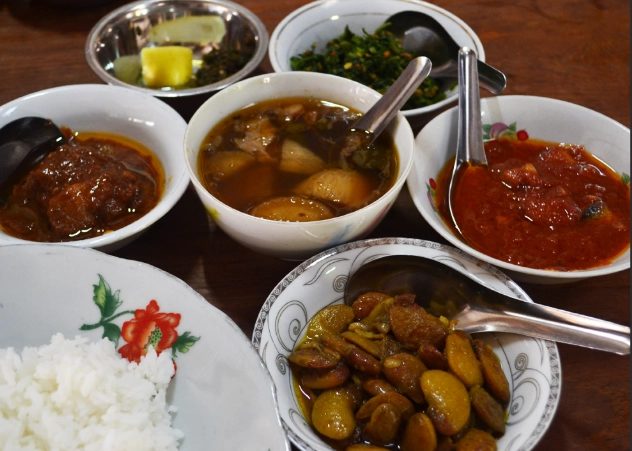
So, what's the final verdict on food in Myanmar Burma?
It's a cuisine that rewards the curious. It doesn't always shout for attention, but it has a depth and soulfulness that grows on you. It's the taste of shared meals, of history layered in a pot, of a country at a cultural crossroads. From the first slurp of mohinga to the last crunch of a tea leaf salad, exploring the food in Myanmar is one of the greatest joys of visiting this incredible country. It's an integral part of the journey, not just a side note. Go hungry, be adventurous, and let your taste buds lead the way. You won't regret it.