Quick Navigation
- So, Where Exactly is Monument Valley USA?
- Getting There: Your Options, Ranked
- When to Go: Cracking the Monument Valley Weather Code
- What You Actually Do There: Beyond the Drive
- Where to Stay: From Iconic Views to Basic Digs
- Photographing Monument Valley USA: A Few Hard Truths
- Money, Logistics, and Those Little Details That Matter
- Answering Your Monument Valley USA Questions
- The Final Word: It's Not Just a Scenic Stop
Let's be honest. You've seen the pictures. Those iconic mittens rising out of a flat red plain, the long road stretching towards them under a huge sky. It's one of those places that feels instantly familiar, even if you've never been. Monument Valley USA is that kind of place. It's the definitive image of the American West, stamped on our brains from a thousand movies, car commercials, and desktop wallpapers.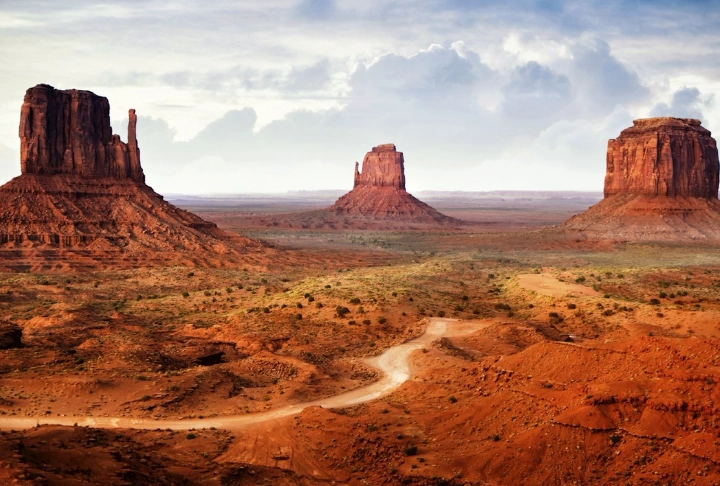
But here's the thing a picture can't tell you: the sheer scale of it, the way the silence feels heavy and ancient, or how the colors change from burnt orange to deep violet as the sun moves. It can't prepare you for the fact that this isn't just a scenic overlook managed by the National Park Service. It's the heart of the Navajo Nation, a living landscape steeped in stories and traditions that go back centuries. That changes everything about how you visit.
I remember my first time driving up from Kayenta. You're on this flat, scrubby plateau for what feels like forever, and then suddenly, the world drops away and those monuments are just... there. It's not dramatic in a Grand Canyon, edge-of-a-cliff way. It's more profound. It feels less like arriving at a destination and more like entering a different realm. The air smells different—dry, clean, with a hint of sage.
So, Where Exactly is Monument Valley USA?
Let's get our bearings. Monument Valley Navajo Tribal Park (its official name) straddles the border between Arizona and Utah, right in the heart of the Four Corners region. It's not a U.S. National Park; it's owned and operated by the Navajo Nation Parks & Recreation Department. This is a crucial distinction that affects everything from your entry fee to the rules you follow.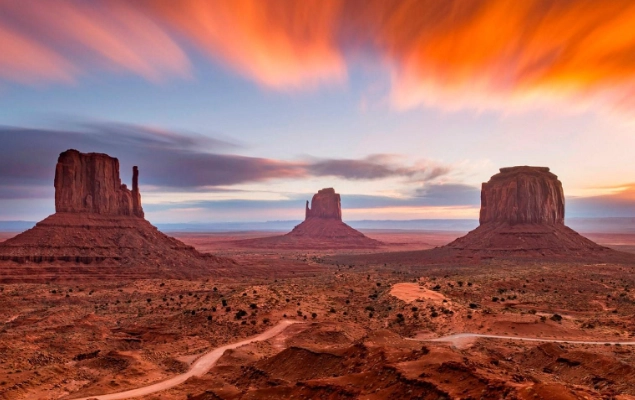
The nearest towns of any real size are Kayenta, Arizona (about 26 miles to the south) and Mexican Hat, Utah (about 24 miles to the north). Bluff, Utah is a bit further but a charming basecamp. Flagstaff, Phoenix, or Las Vegas are your major gateway cities, each a solid 4-6 hour drive away. You're not popping in for an afternoon.
This remoteness is its greatest asset and its biggest logistical hurdle. You need a plan.
Getting There: Your Options, Ranked
Unless you have a private helicopter, you're driving. The question is how.
| Option | How It Works | Pros | Cons | Best For... |
|---|---|---|---|---|
| Self-Drive & Explore | Rent a car, drive yourself, pay park entry, do the Valley Drive in your own vehicle. | Total freedom, set your own pace, cheaper for groups, can stop for photos anytime. | Rough road risks, no guided narration, limited to main road only, easy to miss cultural context. | Budget travelers, photographers wanting flexibility, those with sturdy SUVs/trucks. |
| Guided Tour (Half/Full Day) | Book a tour with a Navajo guide in an open-air truck. They drive you off the main road. | Access restricted areas, incredible cultural stories and insights, learn Navajo history, better vehicle for terrain. | More expensive per person, fixed schedule, less personal time at each spot. | First-time visitors, anyone wanting deep cultural insight, those in low-clearance cars. |
| Backcountry / Specialty Tour | Smaller, longer tours focusing on photography, hiking, or specific cultural sites. | Unique access, epic photo ops away from crowds, incredibly in-depth knowledge. | Most expensive, requires advance booking, can be physically demanding. |
My take? If it's your first visit, splurge on the guided tour. Seriously. Driving the loop yourself is cool, but you're just seeing the backs of the monuments from a distance. The guides take you into the heart of it, down into the washes, right up to petroglyphs, and tell you the stories behind the names. Hearing a guide point to a formation and say, "This is where my grandfather herded sheep," transforms it from a rock into a landmark. It's worth every penny.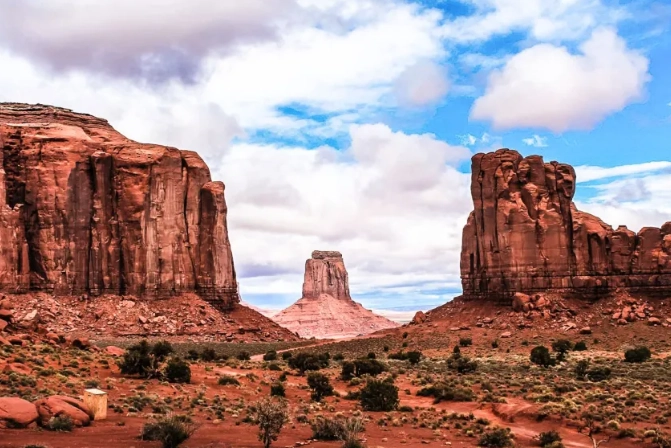
If you do drive yourself, just know the limits. A regular car can *survive* the Valley Drive if you go painfully slow, but a high-clearance vehicle is strongly, strongly advised. I saw a sedan bottom out on a rut and it wasn't pretty.
When to Go: Cracking the Monument Valley Weather Code
This isn't a "four mild seasons" kind of place. It's a high desert, which means extremes.
- Spring (April-May): This is the sweet spot for many. Days are warm (70s-80s°F), nights are cool but not freezing. Wildflowers can bloom if there's been rain. Wind can be fierce, though, kicking up dust storms that obscure the views entirely.
- Summer (June-August): Hot. Really hot. Think 90-100°F+ in the sun. The upside? Those epic summer monsoon thunderstorms that roll in during July and August. Watching lightning crack behind the Mittens is a religious experience. The downside? Flash floods can close roads, and the heat is brutal for hiking.
- Fall (September-October): Another prime window. Heat breaks, crowds thin after Labor Day, and the light is golden and perfect for photography. Nights start getting chilly by October.
- Winter (November-March): This is the secret season. Crowds are minimal. Seeing the monuments dusted with snow is magical. But it's cold, especially at night (down into the teens). Some tours may not run, and roads can be icy. The low sun angle creates long shadows all day, which is great for photos but means less warmth.
The truth is, there's no bad time to see Monument Valley USA, just different experiences. I've been in July monsoon rains and in February frost, and both were unforgettable in their own way.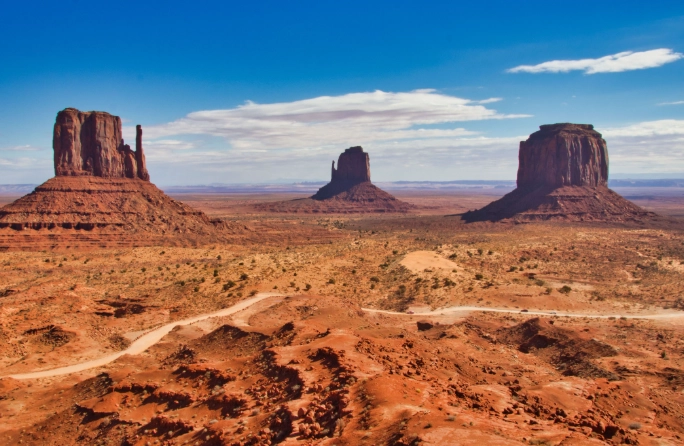
What You Actually Do There: Beyond the Drive
Okay, you've arrived. You've paid the entry fee at the official Navajo Parks site. Now what? The Visitor Center area at The View Hotel is your hub. The view from the patio there is, unsurprisingly, spectacular.
The Must-Do: The 17-Mile Valley Drive
This is the main event. A one-way loop dirt road that takes you past the most famous formations. Plan for 2-3 hours minimum, more if you stop for lots of photos.
Top stops include:
Mittens and Merrick Butte: The classic shot. Best photographed from the spot near the start.
John Ford's Point: Named for the director who made this place famous in Westerns. You'll often see a Navajo guide on horseback here for photo ops (tip expected).
Artist's Point: Offers a stunning panoramic view of multiple formations.
North Window: A natural arch frame looking towards the Mittens.
The road is bumpy. It's dusty. You'll need to clean your camera sensor later. But that's part of the adventure.
The Game-Changer: Guided Tours into the Backcountry
The Valley Drive shows you the stage. A guided tour takes you backstage. Tours can last 2-5 hours and go to places like:
- Sun's Eye & Ear of the Wind: Stunning natural arches you can't see from the main road.
- Big Hogan: A massive cave-like amphitheater.
- Ancient petroglyph sites: Seeing centuries-old rock art with a guide explaining the symbols.
- Traditional Navajo Hogan homes: Some tours include a demonstration or visit.
This is where you learn that to the Navajo, these aren't just rocks. They are beings, landmarks in stories, and part of a living cultural landscape. It adds a layer of meaning that's impossible to get on your own.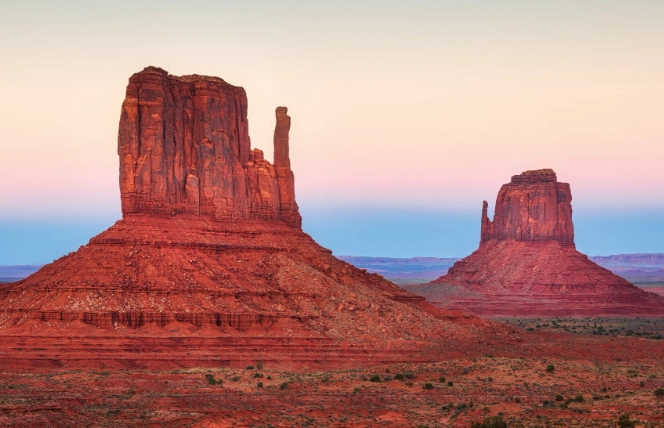
Hiking? Not Really.
This surprises people. There's only one publicly accessible hike within the park itself: the Wildcat Trail. It's a 3.2-mile loop that takes you on foot around the West Mitten Butte. It's relatively flat and offers a wonderful, quiet perspective. Otherwise, hiking is restricted to protect the land and cultural sites. You must be with a guide to go off-trail. Don't just wander off—it's disrespectful and can damage fragile ecosystems.
Where to Stay: From Iconic Views to Basic Digs
You have two main choices: stay inside the park or in a nearby town.
Nearby Towns: Kayenta, Mexican Hat, Goulding's Lodge (just outside the park), and Bluff offer more options, often at lower prices. Goulding's has a lot of history—it was the trading post that housed the film crews back in the day. The trade-off is you'll have a 20-30 minute drive to the park entrance each time.
My advice? If you can swing it for at least one night, stay at The View. The convenience for sunrise and sunset is unparalleled. For longer stays, mixing a night at The View with nights in a nearby town can balance the budget.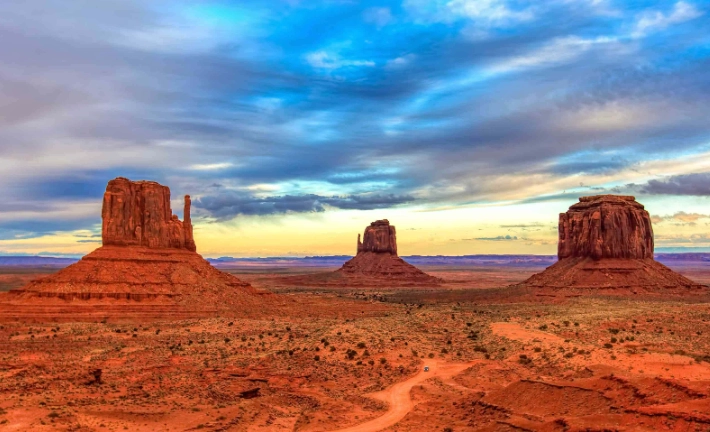
Photographing Monument Valley USA: A Few Hard Truths
Everyone wants that perfect shot. Here's what nobody tells you.
The classic sunrise shot over the Mittens is taken from the hotel parking lot or viewing area. In peak season, it's a scrum of tripods. Get there early to claim a spot. And the light changes fast.
Dust is your camera's enemy. Changing lenses on the Valley Drive is a gamble. Use a zoom lens if you have one to minimize swaps. Clean your gear at the end of each day.
The most unique photos come from the guided tours. The perspectives you get down in the valley, looking up at arches or capturing intimate details, are far more interesting than the thousandth shot of the Mittens from the overlook. A longer telephoto lens (70-200mm or more) is great for compressing the layers of mesas.
Money, Logistics, and Those Little Details That Matter
- Entry Fee: As of now, it's $8 per person (ages 9+), plus $8 per vehicle. Cash or card accepted at the gate. This goes directly to the Navajo Nation.
- Time Zone: Monument Valley observes Mountain Daylight Time but does not observe Daylight Saving Time. For half the year (roughly Nov-Mar), it's the same as Mountain Standard Time. For the other half (Mar-Nov), it's the same as Pacific Daylight Time. This confuses everyone. Double-check the time when you're making tour bookings!
- Services: There's a basic restaurant at The View Hotel and a small grocery/shop at Goulding's. Gas is available in Kayenta and Mexican Hat. Fill up before you explore.
- Cell Service & WiFi: Spotty to non-existent in the park. Download offline maps, confirmations, and entertainment beforehand. The hotel may have WiFi, but don't count on it being strong.
Answering Your Monument Valley USA Questions
The Final Word: It's Not Just a Scenic Stop
Monument Valley USA challenges the modern travel checklist mentality. You can't hike all over it. You can't get a fancy latte. Your phone won't work. In many ways, it hasn't been "developed" for tourism in the way other famous parks have, and thank goodness for that.
What it offers instead is something rarer: a sense of awe that's been somewhat sanitized out of other destinations. It's raw, it's vast, and it demands a bit of effort. More importantly, it offers a chance—if you take a guided tour and listen—to understand a landscape through the eyes of the people who have called it home for generations. You're not just looking at rocks; you're learning a story.
That's the real monument. Not the sandstone, but the culture that lives with it. So go for the photos, but stay for the stories. Drive the loop, but then get out and let a guide show you the rest. See it not just as a beautiful place, but as a sacred one. That's how you move from being a spectator to a visitor, and that's when a trip to Monument Valley USA becomes something you remember forever.
Reader Comments