Your Bruges Guide at a Glance
- The Real Bruges Experience: What No One Tells You
- The Must-Sees (And How to Actually Enjoy Them)
- The Hidden Bruges: Where the Crowds Thin Out
- Food, Beer, and Chocolate: The Belgian Trinity
- Where to Stay and How to Get Around
- Putting It All Together: A Sample 3-Day Bruges Itinerary
- Answers to Questions You're Probably Asking
Let's be honest. You've seen the pictures. The perfect medieval square, the swans gliding on dreamy canals, the lace in shop windows. Bruges, Belgium looks like a fairy tale. And then you get there, and you're sharing that fairy tale with about five thousand other people all trying to get the same shot. I've been there, standing in line for the Belfry, thinking "this is not what I signed up for."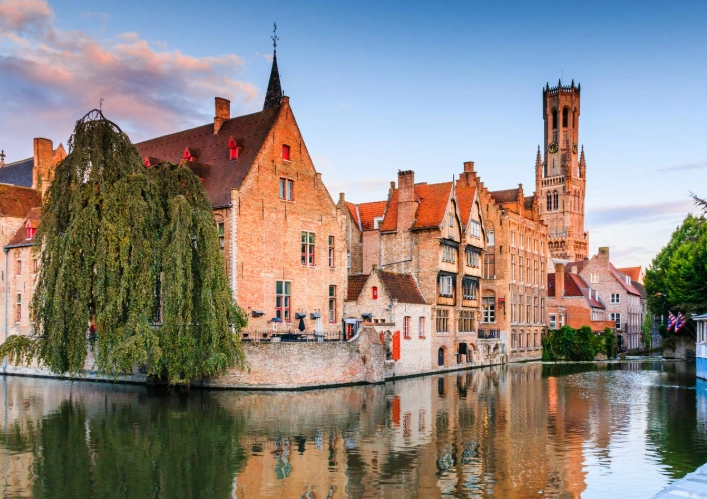
But here's the thing. Bruges is my favorite city in Belgium. I've visited more times than I can count, stayed with local friends, gotten lost in its quiet streets at dawn, and yes, endured the midday crush in Markt. The magic is real, but you have to know how to find it. This isn't just another list of top attractions. This is a guide to experiencing Bruges, Belgium like you mean it, crowds and all.
The Real Bruges Experience: What No One Tells You
Bruges isn't a museum. It's a living city that just happens to be stunningly preserved. People live here, work here, get annoyed by tourists here. Understanding that dynamic is your first step to a better trip.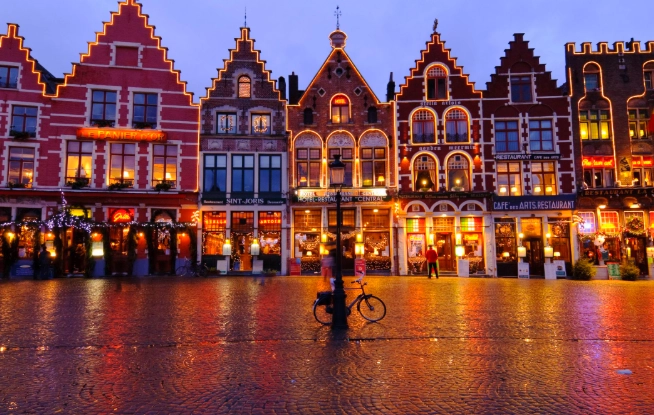
The crowds are no joke. From about 10 AM to 5 PM, the core triangle between Markt, Burg Square, and the main canals is packed. Cruise ship day-trippers pour in. Coach tours dominate the squares. Is it worth it? Absolutely. But you need a strategy.
Why does everyone come? Simple. Bruges, Belgium is the best-preserved medieval city in Northern Europe. Its entire historic center is a UNESCO World Heritage Site (you can read the official justification on the UNESCO website). It didn't get bombed to bits in the world wars. Its wealth from the cloth trade froze in time during the 15th century, leaving us with an almost perfect snapshot of a Hanseatic trading city.
The Must-Sees (And How to Actually Enjoy Them)
Okay, let's talk about the famous spots. You're going to go. I'm going to tell you how to do it smartly.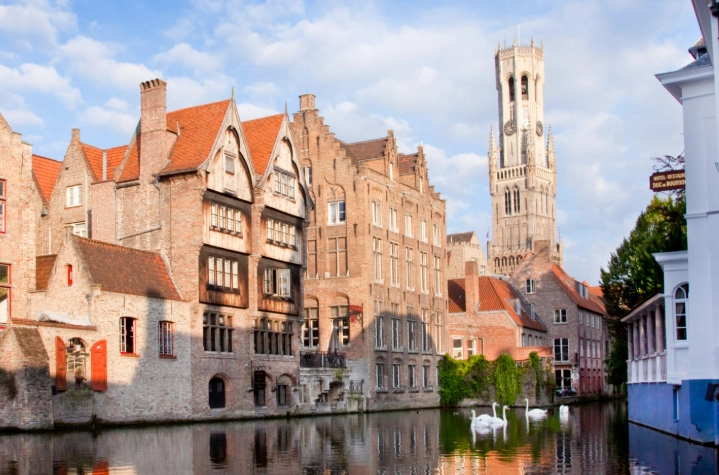
The Heart: Markt and Belfort
The Markt (Market Square) is the postcard. Colorful gabled houses, the towering Belfry (Belfort). It's magnificent. It's also a sea of outdoor cafe tables and horse-drawn carriages. My take? Admire it, take your photo, but don't eat here. The restaurants are overpriced tourist traps.
The Belfort is the big one. 366 steps to a breathtaking view. The line can be two hours long. Here's the hack: Buy your ticket online in advance on the official Visit Bruges website. Go right when it opens (9:00 AM) or in the last hour before closing. The climb is narrow and steep—not for everyone. The view, though? It shows you why Bruges is called the "Venice of the North," with its spiderweb of canals and red rooftops.
Worth it? For the view and the history, yes. For the claustrophobic climb and potential wait, maybe not.
The Canals: The Lifeblood of Bruges
You can't talk about Bruges Belgium without the canals. A boat tour is the classic activity. It's touristy, sure. But it gives you a perspective you can't get on foot, floating under low bridges and seeing the backs of beautiful houses. The guides are often hilarious. Go early or late to avoid the longest queues. Don't expect a peaceful, romantic glide—it's a jolly, packed, 30-minute narrated jaunt.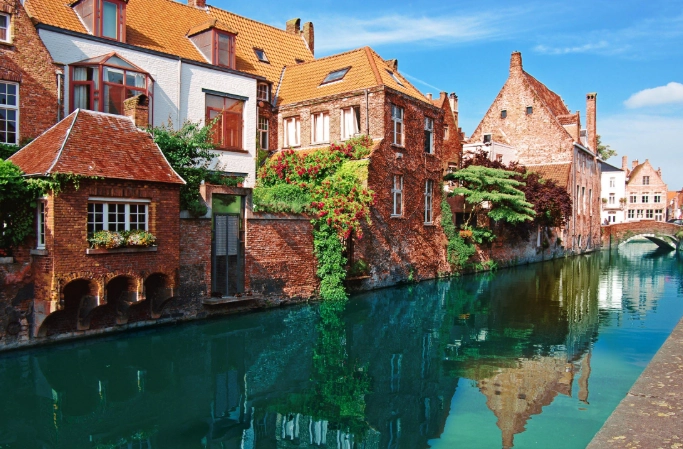
A better way to enjoy the water? Just walk. The canal paths, especially around the area called the "Groenerei" or "Lake of Love" (Minnewater), are ridiculously picturesque. That's where you'll find the postcard shot of the canal with the Belfry in the background.
Burg Square and the Basilica of the Holy Blood
A two-minute walk from Markt, Burg Square feels more intimate. The architecture is a wild mix: the Gothic City Hall, the Renaissance-style Old Civil Registry, and the simple facade of the Basilica. Inside the Basilica's upper chapel is the venerated relic, the "Holy Blood." Whether you're religious or not, the devotion and the artistry are moving. It's free to enter and usually less crowded than you'd think.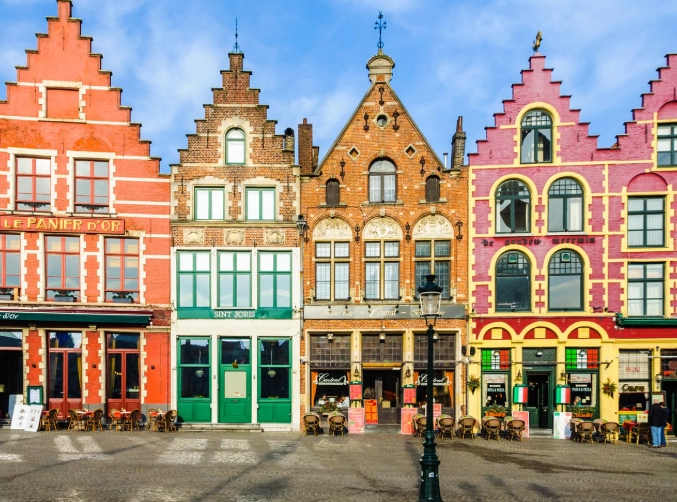
The Hidden Bruges: Where the Crowds Thin Out
This is the good stuff. The places where you remember you're in a real city.
The Begijnhof (Beguinage): A world apart. This serene courtyard of whitewashed houses around a plat of poplar trees was once home to religious women. It's now a convent for Benedictine nuns. The rule is silence. Walking in here is like stepping into a tranquil bubble. The noise of the city just disappears. It's free to enter the courtyard (the small house museum costs a few euros).
Windmills on the Ramparts: Did you know Bruges has windmills? On the eastern edge of the city, along the old city ramparts (Kruisvest), stand four historic windmills. You can go inside a couple of them. It's a lovely, gentle walk or bike ride with great views back to the city. You'll see locals jogging and walking their dogs here. A total breath of fresh air.
Local Life in Saint-Anna: Cross the main canal north of the city center into the Saint-Anna district. Suddenly, the souvenir shops vanish. You'll find local bakeries, quirky antique shops, and quiet residential streets. The Church of Saint Anne here is a beautiful, less-visited alternative. This is where you get a sense of daily life in Bruges, Belgium.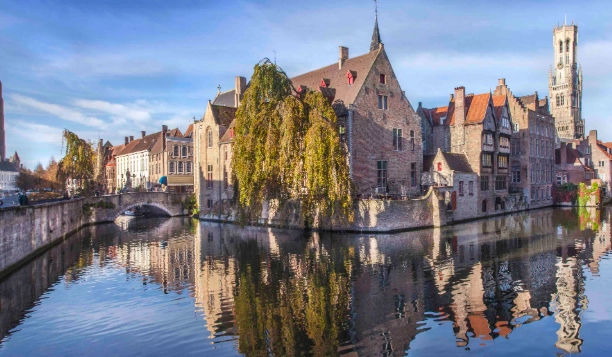
Food, Beer, and Chocolate: The Belgian Trinity
You cannot come to Belgium and not indulge. This is non-negotiable.
Beer: It's a Culture
Belgian beer is art. In Bruges, you have two classic beer experiences. First, 't Brugs Beertje, a legendary beer cafe with a menu of hundreds of bottles. It's small, often busy, but a temple for beer lovers. Second, the Halve Maan Brewery, the only family brewery left in the city center. Their tour is fun and ends with a fresh Brugse Zot beer. They even have a beer pipeline running under the streets to their bottling plant!
My personal favorite? Sitting at a small bar like Cambrinus (which also does great food) and trying a Trappist beer like Westmalle Dubbel. It's a rich, complex experience.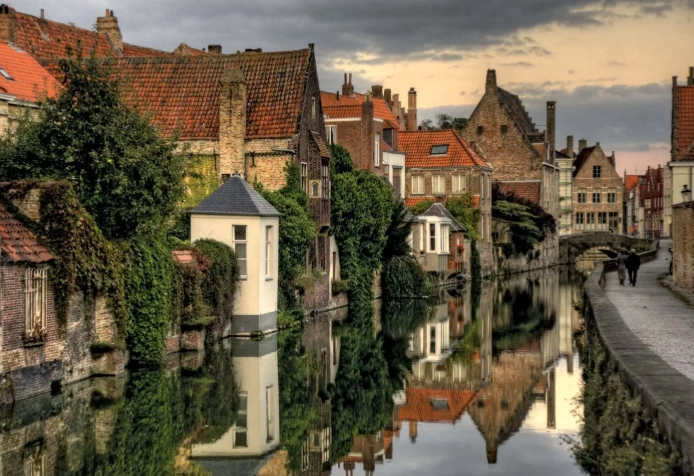
Chocolate: Beyond the Shops
The main streets are lined with glossy chocolate shops. Most are good. To go deeper, look for the smaller artisans. The Chocolate Line by Dominique Persoone is famous for wild creations (wasabi chocolate, anyone?). Pralinette near the Begijnhof is a lovely, less flashy family shop. Consider a chocolate workshop if you have time—it's a fun, hands-on way to appreciate the craft.
What to Eat (Besides Fries)
Moules-frites (mussels and fries) are a classic. Get them at a proper restaurant, not a square-side tourist joint. Flemish stew (Stoverij/Carbonade Flamande) is my ultimate comfort food—beef slow-cooked in dark beer. So hearty and good.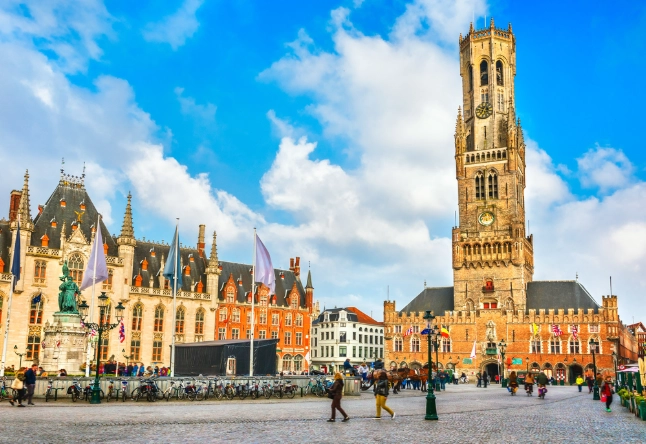
For a quick, iconic bite, get a waffle from a street stand. Go for the Brussels waffle (rectangular, light and crispy) over the Liege waffle (denser, sweeter dough) in my opinion. Just get it with a dusting of powdered sugar, not the mountain of whipped cream and syrup they'll try to sell you.
Here’s a quick comparison of some classic Bruges food experiences:
| Experience | What It Is | Best For | My Honest Take |
|---|---|---|---|
| Moules-frites | Steamed mussels with a side of fries and mayo. | A sit-down lunch or dinner. | A must-do ritual. Go in season (Sept-April). Avoid the cheapest tourist menus. |
| Flemish Stew | Beef braised in dark beer, served with bread or fries. | A hearty, comforting meal. | My personal favorite. The definition of Belgian comfort food. |
| Belgian Waffle | A light, crispy waffle from a street vendor. | A sweet snack on the go. | Delicious, but keep toppings simple. The over-the-top ones are for Instagram, not taste. |
| Praline Chocolates | Hand-filled chocolate shells from an artisan shop. | A gift or a luxurious treat. | Worth the premium. Buy a small selection from a real chocolatier, not a pre-boxed brand. |
| Local Beer in a Brown Cafe | Trying a Westmalle, Rochefort, or local Brugse Zot in a traditional pub. | Evening relaxation. | The soul of Belgium in a glass. Don't rush it. |
Where to Stay and How to Get Around
This is crucial. Your location can make or break your trip to Bruges, Belgium.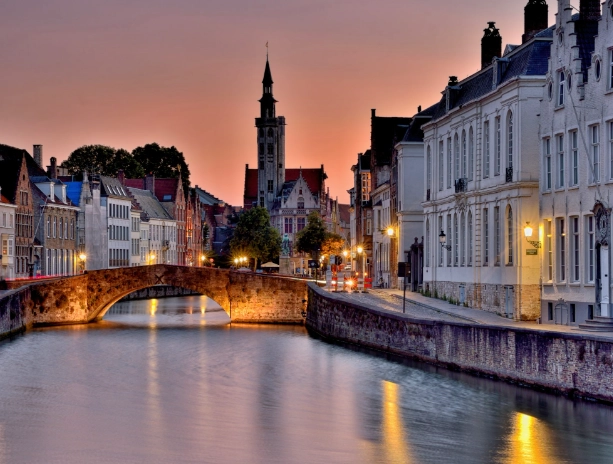
Staying Inside the City Center (Within the Ring Canal): This is the most immersive experience. You can roll out of bed and be anywhere in minutes, especially in the early morning or late evening when the city is yours. Hotels and B&Bs here are charming but book up far in advance and are the most expensive. Look for smaller guesthouses on quieter side streets.
Staying Just Outside the Center: A fantastic compromise. You're a 10-15 minute walk from the Markt, prices are better, and you're closer to local neighborhoods and transport. The area near the train station or south towards Minnewater Park is a great bet.
Getting There: Bruges is incredibly well-connected by train. From Brussels Airport, take a train to Brussels Central (20 mins) and then a direct train to Bruges (about 1 hour). The train station in Bruges is a pleasant 15-20 minute walk from the Markt, or you can take a bus. Driving into the center is a nightmare—narrow streets, one-way systems, and expensive parking. Just don't.
Getting Around: Your feet are your best transport. The entire center is walkable. For the windmills or further-out spots, consider renting a bike. Bruges is very bike-friendly. There are local buses, but you likely won't need them for the core sightseeing.
Putting It All Together: A Sample 3-Day Bruges Itinerary
How do you balance the iconic sights with the hidden gems? Here’s a realistic plan that tries to do just that.
Day 1: The Historic Core & First Impressions
Arrive and settle in. If it's afternoon, resist the urge to dive into Markt. Instead, take an orientation walk along the outer canals (the Ramparts walk). Visit the Begijnhof for its evening calm. Have your first Belgian dinner—maybe that Flemish stew. After dinner, wander back through the now-quiet Markt and Burg Square to see them magically lit up. This is a perfect first evening in Bruges, Belgium.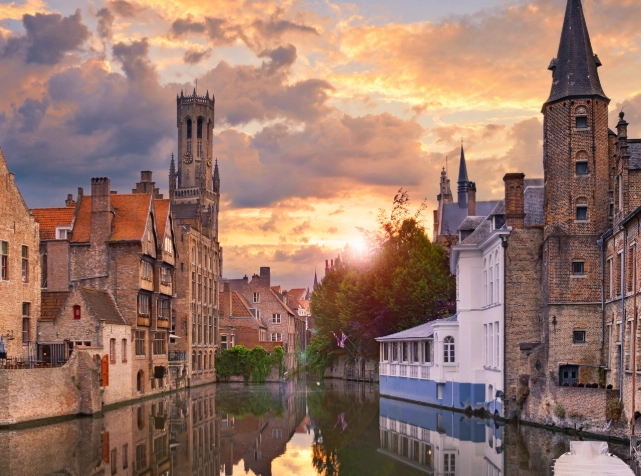
Day 2: Icons, Canals, and Chocolate
Get up early. I mean it. Be at the Markt by 8:30 AM. Enjoy the space. If you're climbing the Belfort, do it now. Then explore Burg Square and the Basilica of the Holy Blood. By late morning, the crowds will be building. That's your cue to do the boat tour (you're on the water, it feels less cramped).
After lunch, visit a chocolate shop or museum. In the afternoon, when the central streets are busiest, head to the Groeningemuseum (if you like Flemish Primitive art) or escape to the windmills. For sunset, walk to the Minnewater (Lake of Love) area. Dinner in a local brown cafe, followed by a beer tasting.
Day 3: Local Life and Hidden Corners
Dedicate this day to exploring beyond the obvious. Walk or bike to the Saint-Anna district. Browse the antique shops. Visit the Jerusalem Church or the less-visited St. Salvator's Cathedral. Find one of the hidden Godshuizen almshouse gardens. Have lunch in a local cafe here.
In the afternoon, you could visit the Halve Maan Brewery for a tour, or simply pick a canal-side bench and just watch the world go by. Do some last-minute souvenir shopping off the main drags. Your final evening is for revisiting a favorite spot or trying that restaurant you bookmarked.
See? It's about rhythm. Beat the crowds, embrace the crowds, then escape them.
Answers to Questions You're Probably Asking
So there you have it. Bruges isn't a secret. It's a world-famous beauty that demands a bit of cleverness from its visitors. Go with your eyes open to the crowds, armed with a plan to avoid the worst of them, and with a willingness to wander down that little side street that goes nowhere. Look up at the step-gabled roofs. Notice the detail on a doorway. Sit and just be there.
That's when you find the real magic of Bruges, Belgium. Not in the checklist, but in the moments between.
Have an amazing trip. And save some chocolate for me.
Reader Comments