Quick Navigation
- The Pillars of the Republic of Korea Food Pantry
- Must-Try Dishes: The Republic of Korea Food Hall of Fame
- Beyond Seoul: A Tour of Regional Republic of Korea Food
- The Health Angle: What's Real and What's Hype?
- Your Practical Guide to Enjoying Republic of Korea Food
- Common Questions About Republic of Korea Food (FAQs)
- Final Thoughts: Why Republic of Korea Food Sticks With You
Let's be honest, when most people think of Republic of Korea food, two things pop up: sizzling barbecue and that jar of kimchi in the fridge. But there's a whole universe of flavor out there that gets overlooked. I remember my first trip to Seoul, thinking I knew what I was in for. I was dead wrong. The depth, the variety, the sheer creativity of Korean cuisine knocked me sideways. It's not just a meal; it's an experience, a philosophy even, built on balance, fermentation, and communal sharing.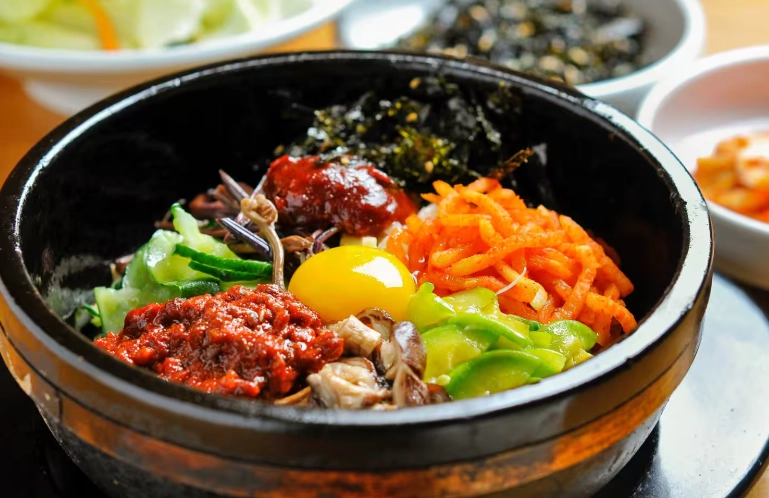
So, what's the big deal? Why has Republic of Korea food gone from a niche interest to a global powerhouse in the last decade? It's a mix of things – the addictive flavors, the focus on health (though let's be real, some dishes are pure comfort, not health food), and the incredible visual appeal of a table full of banchan (those little side dishes). This guide isn't just a list of dishes. It's your backstage pass. We're going to dig into the classics everyone should try, uncover the regional gems most blogs miss, decode the health claims (separating fact from hype), and give you the tools to navigate a Korean menu or grocery store like a pro.
The Core Idea: Republic of Korea food, or Hansik, is built on a principle called "Yin and Yang" and the "Five Elements." It sounds mystical, but it's practical. Meals aim for balance—hot and cold, spicy and mild, crunchy and soft, fermented and fresh. It's why a fiery bowl of tteokbokki (spicy rice cakes) feels complete, and why a meal never feels one-note. This balance is the secret sauce, quite literally.
The Pillars of the Republic of Korea Food Pantry
You can't understand the food without knowing the key players in the kitchen. These aren't just ingredients; they're the foundation.
The Fermentation All-Stars
Korea runs on fermentation. It's their superpower.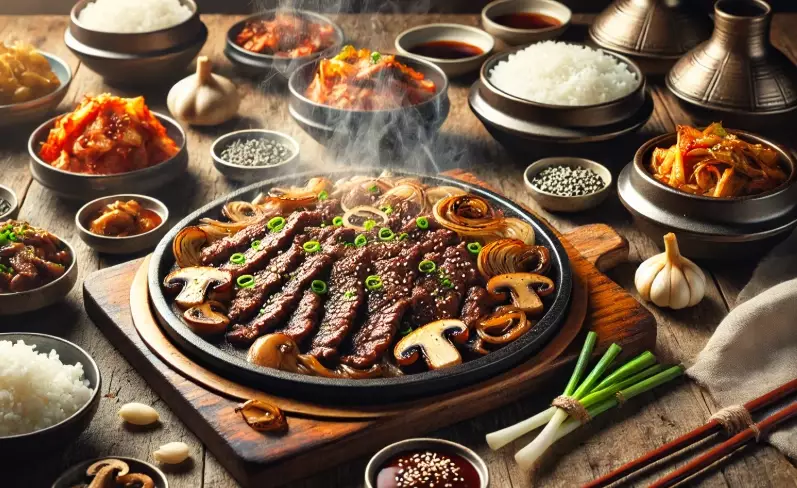
Gochujang: This fermented chili paste is the soul of so much Korean cooking. It's sweet, spicy, savory, and deeply umami. Don't confuse it with the Thai stuff—it's thicker, funkier, and less vinegary. I keep a tub in my fridge at all times. It's magic in marinades, stews, and even as a dipping sauce.
Doenjang: Korea's answer to miso, but bolder and grainier. This fermented soybean paste is the base for hearty stews like doenjang jjigae. It has a pungent, earthy smell that might shock you at first, but the flavor it builds is incredible. The Korean Food Promotion Institute has a great page on its traditional preparation that shows how deep this tradition goes.
Ganjang (Soy Sauce): Not your average Kikkoman. Korean soy sauce, especially the artisanal jang varieties, is fermented longer and often has a more complex, less salty profile. It's a seasoning and a flavor enhancer.
And then there's Kimchi. We have to talk about it. Yes, it's fermented cabbage (usually napa cabbage) with chili, garlic, and ginger. But calling it just that is like calling wine fermented grape juice. There are hundreds of types—radish kimchi (kkakdugi), water kimchi (mul kimchi), cucumber kimchi (oi sobagi). Its role in Republic of Korea food is non-negotiable. It's served with almost every meal, used in pancakes, stews, fried rice. It's a probiotic powerhouse, and the taste evolves from fresh and crunchy to sour and soft as it ages. My personal favorite is freshly made baek kimchi (white kimchi without chili), which is refreshing and slightly sweet.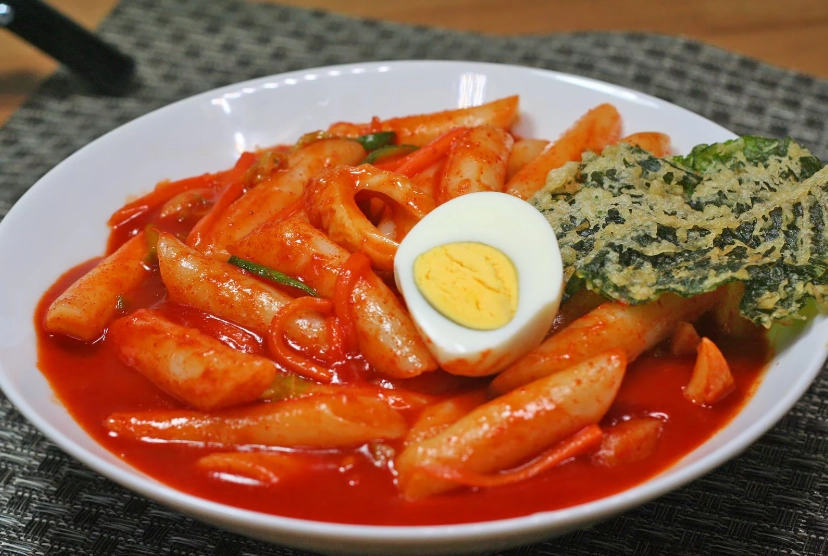
The Staple Squad
Rice (Bap): Short-grain, sticky rice is the heart of the meal. It's not a side; it's the centerpiece everything else complements.
Noodles: A whole category unto themselves. Japchae noodles (sweet potato starch) are chewy and clear, naengmyeon noodles (buckwheat and starch) are icy and served in cold broth, and somyeon (wheat flour) are thin and used in soups.
Sesame Oil & Seeds: That nutty, toasty aroma that hits you when you walk into a Korean restaurant? That's sesame oil. It's used for flavoring at the end of cooking, not for frying. Toasted sesame seeds are sprinkled on everything for flavor and texture.
A quick confession: I used to think all sesame oil was the same. I bought a cheap bottle once for a bibimbap recipe and wondered why it tasted so bland and harsh. Big mistake. Splurging on a small bottle of high-quality, cold-pressed Korean sesame oil (look for ones that are actually from Korea) made a world of difference. The flavor is intensely nutty and fragrant. It's a finish oil, not a cooking oil.
Must-Try Dishes: The Republic of Korea Food Hall of Fame
Okay, let's get to the good stuff. If you're new to this cuisine, here's your essential hit list. This isn't just my opinion; it's the consensus from countless meals and conversations with Korean friends.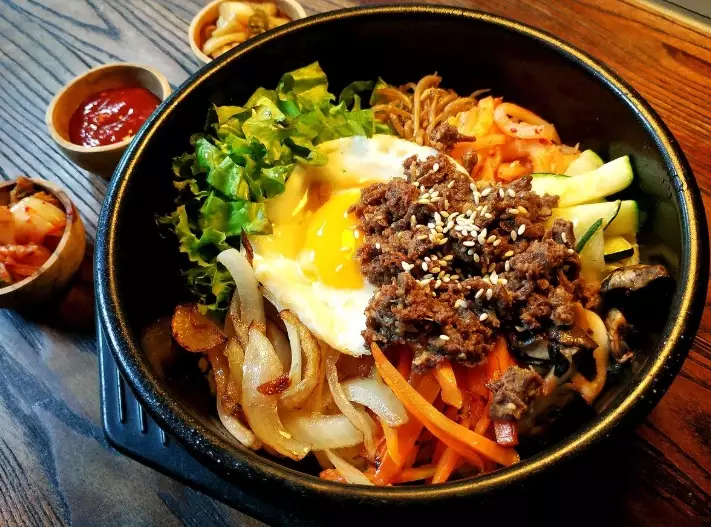
The Everyday Heroes
These are the dishes you'll find in homes and casual restaurants daily.
Bibimbap: The name means "mixed rice." It's a bowl of warm rice topped with an array of seasoned vegetables (namul), maybe some meat, a fried egg, and a dollop of gochujang. You mix it all together vigorously. The magic is in the contrast: warm rice, cool veggies, crispy rice crust at the bottom of a stone bowl (dolsot bibimbap). It's a complete, balanced meal in a bowl. Perfect for beginners.
Kimchi Jjigae: This is the ultimate comfort food. A fiery, hearty stew of kimchi (usually well-fermented, sour kimchi), tofu, pork belly, and vegetables bubbling away in an earthenware pot. It's pungent, spicy, sour, and deeply satisfying. It's my go-to on a cold, rainy day. Pairs perfectly with a bowl of rice.
Bulgogi & Galbi: Yes, the famous BBQ. Bulgogi is thinly sliced beef marinated in a sweet soy sauce mixture. Galbi is marinated beef or pork short ribs. The key is the marinade, which tenderizes and infuses the meat with sweet, savory, garlicky goodness. The best way to eat it? Grill it at your table, wrap a piece in a fresh lettuce leaf (ssam) with some rice, garlic, and ssamjang (a thick dipping paste), and eat it in one bite. It's interactive, fun, and delicious.
But here's a personal take: not all Korean BBQ joints are created equal.
Some places are overpriced tourist traps with mediocre meat. The best ones often look a bit worn-in and are packed with locals. Don't be afraid to venture away from the main streets.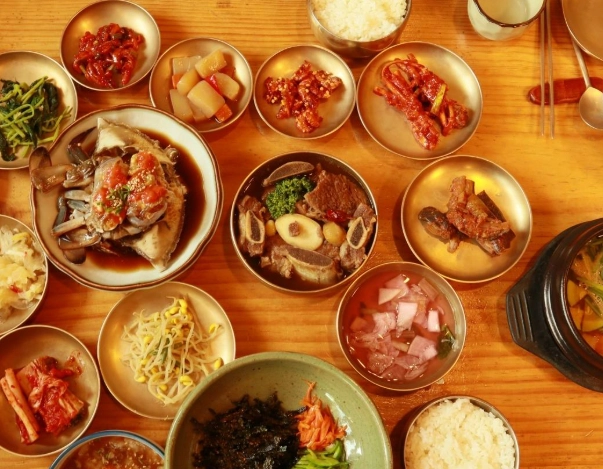
The Street Food Stars
Republic of Korea food truly shines on the streets. The energy, the smells, the instant gratification.
- Tteokbokki: Chewy cylinder-shaped rice cakes cooked in a sweet, spicy, and savory red chili sauce (gochujang-based). Often includes fish cakes and boiled eggs. It's chewy, spicy, and addictive. The texture is unique—firm yet yielding.
- Hotteok: A sweet pancake filled with a molten mixture of brown sugar, honey, chopped nuts, and cinnamon. Fried until crispy on the outside. It's a winter staple that will warm your soul. Messy to eat, but worth every sticky finger.
- Gimbap: Often called "Korean sushi," but that's misleading. It's rice and various fillings (like spinach, carrot, pickled radish, ham, or tuna) rolled in dried seaweed. It's a portable, savory snack, not a fish-focused dish. Perfect for picnics or a quick lunch.
- Bungeoppang: Fish-shaped pastry (often red bean-filled). Crispy on the outside, sweet and warm on the inside. Pure joy.
The Dishes That Might Challenge You (But Are Worth It)
Republic of Korea food isn't all sweet and spicy. It has a bold, adventurous side.
Samgyeopsal: This is thick, unmarinated slices of pork belly grilled at the table. It's all about the pure, rich flavor of the pork. You dip it in salt and sesame oil or wrap it in lettuce with raw garlic and spicy peppers. It's simple, social, and deeply satisfying. The fat renders as it cooks, making it crispy and unctuous.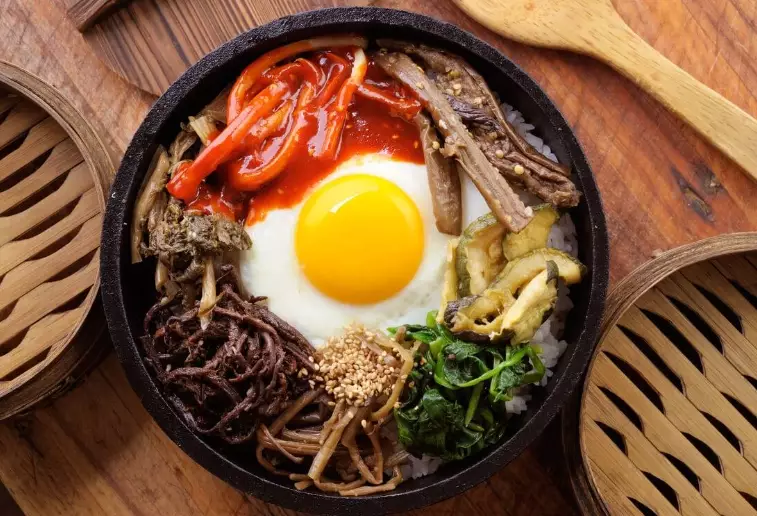
Jokbal: Braised pig's trotters. Sliced and served boneless, often with a fermented shrimp sauce (saeujeot) for dipping. The texture is gelatinous and tender, the flavor rich and savory. It's a popular drinking food. I was hesitant at first, but one bite of the soft, sticky collagen-rich meat won me over.
Sannakji: Yes, this is the famous live octopus. Tiny octopus tentacles, freshly chopped, still moving on the plate. Served with sesame oil and salt. The texture is the main event—chewy, suction cups that might stick to your mouth. It's a wild experience. Is it for everyone? No. But it's a part of the culinary landscape. You have to chew thoroughly.
Pro-Tip for Eating Out: When you sit down at a traditional Korean restaurant, a bunch of small side dishes (banchan) will appear automatically. These are free and refillable (just don't waste them!). They're not just appetizers; they're integral to the meal, providing contrasting flavors and textures. Use them to eat with your rice and main dish.
Beyond Seoul: A Tour of Regional Republic of Korea Food
Seoul's food scene is amazing, but Korea's regions have fierce culinary pride and unique specialties shaped by geography.
| Region | Famous For | Signature Dish to Try | Why It's Unique |
|---|---|---|---|
| Jeolla-do (Southwest) | Considered the country's "rice bowl"; most diverse banchan | Jeonju Bibimbap | Uses a special, high-quality rice and includes raw beef tartare (yukhoe) and a wider variety of fresh, local namul (seasoned veggies). Often cited as the birthplace of the best bibimbap. |
| Gyeongsang-do (Southeast) | Bold, salty, and spicy flavors; coastal cuisine | Andong Jjimdak | A braised chicken dish with glass noodles, potatoes, carrots, and a savory-sweet soy sauce-based broth. Hearty, communal, and packed with flavor. |
| Jeju Island | Island cuisine with black pork, seafood, and tangerines | Heuk Dwaeji (Black Pork BBQ) | Jeju's native black pigs are known for their rich, flavorful, and less greasy meat. Grilled simply with salt, letting the quality of the pork shine. |
| Chungcheong-do (Central) | Known for its high-quality jang (fermented pastes) | Daejeon Sundae (Korean sausage) | Sundae here is often made with a mix of pork blood, glass noodles, and barley, stuffed into intestine casing. It has a distinct, mild flavor compared to other regions. |
Exploring these regional differences is one of the greatest joys of diving into Republic of Korea food. It moves beyond the standardized restaurant menu and connects you to local history and ingredients. The Korea Tourism Organization's food page is a fantastic resource for planning a culinary tour, highlighting local festivals and specialties.
The Health Angle: What's Real and What's Hype?
Korean food is often touted as super healthy. Is it? Well, it's complicated.
The Good Stuff:
- Fermentation: Kimchi, doenjang, gochujang are packed with probiotics (good bacteria) that aid gut health. A healthy gut is linked to everything from better digestion to improved immunity.
- Vegetable-Heavy: Meals are built around rice and a rainbow of vegetables, both cooked and raw, in the form of banchan. You get a wide range of vitamins and fiber without trying.
- Balanced Macros: A typical meal has carbs (rice), protein (tofu, meat, fish), and plenty of veggies. It's a naturally balanced plate.
The Not-So-Good Stuff (Let's Be Real):
- High Sodium: This is the big one. Soy sauce, fermented pastes, kimchi, and soups are loaded with salt. If you have blood pressure issues, you need to be mindful. Drinking plenty of water helps.
- Refined Carbs: White rice is the main carb. While it's part of the balance, it's easy to overeat. Opting for mixed multigrain rice (japgokbap) when available is a healthier choice.
- Some High-Fat Dishes: Samgyeopsal (pork belly) is delicious, but it's not a health food. Enjoy it in moderation as part of the overall cuisine.
So, is Republic of Korea food healthy?
Yes, the overall dietary pattern—high in vegetables, fermented foods, and balanced meals—is very healthy. But like any cuisine, it has its indulgences. The key, as with all things, is balance and portion control. Don't just eat the meat at BBQ; fill up on the lettuce wraps and banchan. Share a stew and a bowl of rice. Listen to the cuisine's own philosophy of harmony.
Your Practical Guide to Enjoying Republic of Korea Food
How to Order at a Korean Restaurant (Without Looking Like a Tourist)
- Share, share, share: Korean meals are communal. Order a few main dishes (juk or jjigae or a BBQ platter) and sides to share with the table.
- Rice is assumed: You usually have to order rice (bap) separately, but it's essential. Get one bowl per person.
- Don't be shy with banchan: If you finish a side dish you love, you can politely ask for more ("Juseyo" meaning "Please").
- Know your cooking styles: Jjim (braised), jjigae (stew), jeon (pan-fried pancake), gui (grilled), bokkeum (stir-fried).
Cooking at Home: Where to Start
It's easier than you think. Start with one-pot dishes or bibimbap.
Starter Recipe: Easy Kimchi Fried Rice (Kimchi Bokkeumbap)
- Cook some day-old rice.
- Sauté chopped kimchi (about 1 cup) in a pan with a bit of oil until it sizzles.
- Add the rice, a spoonful of gochujang, and a dash of soy sauce. Stir-fry until hot.
- Push the rice to the side, crack an egg into the pan, and scramble it.
- Mix everything together. Top with a fried egg, sesame oil, and seaweed strips (gim). Done!
For authentic recipes and techniques, the Maangchi website is an unparalleled resource. She's the internet's Korean cooking grandma, and her recipes are clear, reliable, and full of heart.
Common Questions About Republic of Korea Food (FAQs)
Final Thoughts: Why Republic of Korea Food Sticks With You
It's more than fuel. Republic of Korea food is social, it's historical, it's an expression of balance. It engages all your senses—the sizzle of the grill, the vibrant red of the kimchi stew, the crunch of fresh lettuce against soft rice, the complex layers of fermented, spicy, sweet, and savory flavors.
It can be humble street food or an elaborate royal cuisine banquet. It has dishes that comfort you like a hug and others that challenge your palate. That's its beauty. It's not a monolith.
My advice? Start with the classics—a good bibimbap, some BBQ, a comforting stew. Then get curious. Try that strange-looking pancake at the market, ask about the regional special on the menu, attempt to make your own kimchi (it's a fun, smelly project). Let Republic of Korea food be a journey, not just a destination. You'll discover not just new flavors, but a whole new way of thinking about a meal. And honestly, your taste buds will thank you for it.
The last thing I'll say: don't stress about doing it "right." The first time I tried to eat samgyeopsal, I made a mess of the lettuce wrap, dropped rice everywhere, and got garlic breath for days. The Korean auntie at the next table just laughed and showed me her way. That's the spirit. Dive in, get messy, and enjoy the incredible, dynamic world of Republic of Korea food.
Reader Comments