Your Flavor Journey
- So, What Makes a Dish "Common" in Thailand?
- The Heavy Hitters: Thailand's Most Iconic Common Dishes
- Beyond the Classics: Other Incredibly Common Thai Dishes
- A Quick Guide to Flavors & What to Expect
- Navigating the Menu & Street Food Scene
- Answering Your Burning Questions (FAQs)
- Final Thoughts Before You Dig In
Let's be honest. Walking into a Thai restaurant or staring at a night market menu can be overwhelming. The names are unfamiliar, the descriptions sometimes vague, and you're left wondering if you'll end up with something mind-blowingly good or a bowl of fire you can't handle. I've been there. My first trip to Bangkok, I pointed at random and got a soup so spicy I cried. It was delicious, but a lesson learned.
That's why we're talking about common Thai dishes today. Not the fancy, chef's tasting menu stuff, but the real workhorses of Thai cuisine. The dishes you'll see on every street corner, in every family restaurant, and the ones that truly define what Thai food is all about. Understanding these is your golden ticket to ordering with confidence.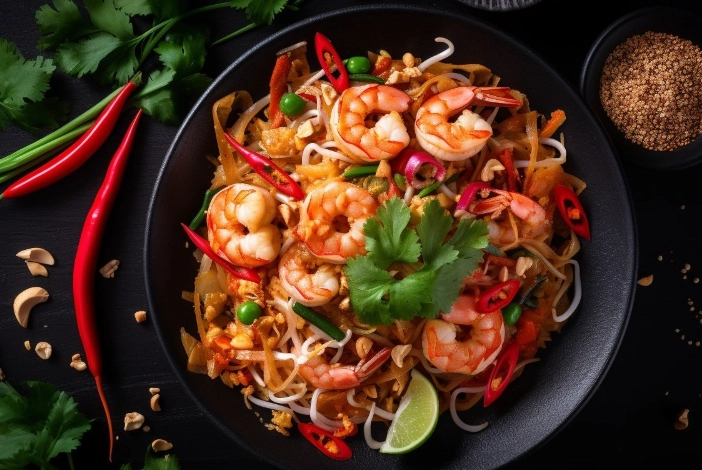
Think of this as your friendly cheat sheet. We'll go beyond just listing names. We'll talk about what these common Thai dishes actually taste like, what's in them, and maybe share a story or two about getting them right (and wrong).
So, What Makes a Dish "Common" in Thailand?
It's not just about popularity with tourists. A truly common Thai dish has roots in daily life. It's affordable, uses ingredients found across the country, and balances the core flavors Thai cuisine is famous for: spicy, sour, salty, sweet, and sometimes bitter. These are the dishes of home kitchens, quick lunch stops, and shared meals with friends.
They're also incredibly regional. What's common in the hot and sour-loving Northeast (Isan) might be less so in the coconut-rich South. But the ones we'll cover have achieved nationwide, even worldwide, fame. They form the essential vocabulary of Thai eating.
The Heavy Hitters: Thailand's Most Iconic Common Dishes
These are the superstars. If you only try a handful of things, make it these. They're the foundation.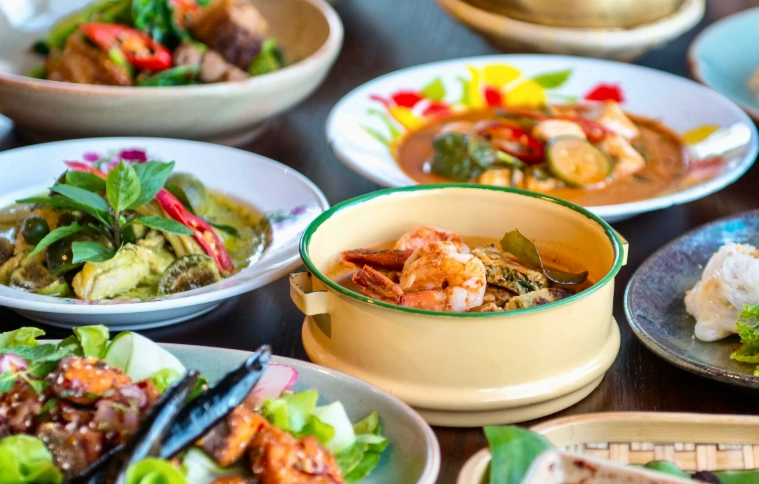
Tom Yum Goong (Spicy & Sour Shrimp Soup)
That soup I mentioned that made me cry? This was it. Tom Yum is a flavor explosion. It's a clear, broth-based soup that hits you with aromatic lemongrass, galangal (like ginger's sharper cousin), and kaffir lime leaves first. Then the sourness from lime juice and the heat from fresh chilies kick in. Tom Yum Goong specifically means it's packed with plump shrimp.
There are two main styles: Tom Yum Nam Sai (clear broth) and Tom Yum Nam Khon (creamy broth, with a dash of evaporated milk or coconut milk). I prefer the clear one—it feels purer, sharper. The creamy version can sometimes dull the exciting acidic punch, in my opinion.
A must-try. Just ask for "not too spicy" (mai phet) on your first go.
Pad Thai (Stir-Fried Rice Noodles)
Probably the world's most famous Thai dish, and for good reason. It's the ultimate comfort food. Chewy rice noodles are stir-fried in a wok with tofu, egg, and your choice of protein (shrimp, chicken, or both), all coated in that distinctive sweet-sour-salty tamarind-based sauce. It's served with a side of crushed peanuts, bean sprouts, lime wedge, and often a tiny pile of chili flakes.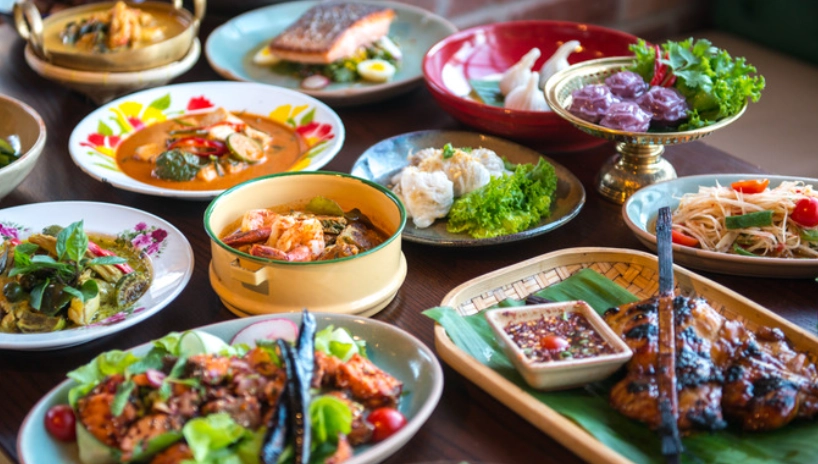
Here's a tip: The best Pad Thai often comes from a street vendor with one wok, not a fancy restaurant. Look for the orange-tinged noodles. And squeeze that lime all over it—it cuts through the sweetness perfectly.
Green Curry (Gaeng Keow Wan)
Don't let the color fool you; this can be seriously spicy. The vibrant green comes from fresh green chilies and herbs pounded into a paste. It's simmered with creamy coconut milk, Thai eggplant, bamboo shoots, and sweet basil. The result is a rich, fragrant, and complex curry that's both soothing and invigorating.
It's almost always eaten with steamed jasmine rice. You spoon the curry over the rice. Trying to drink it like soup is a rookie move (I've seen it happen). The coconut milk tempers the heat, but the chilies in the paste have a slow, building burn. Start slow.
My personal benchmark for a good Thai restaurant is their Green Curry. If it's just a bland, sweet, green soup, I'm out. It should have layers—herbal, spicy, creamy, a little sweet. It's a dish that demands balance.
Som Tum (Green Papaya Salad)
This is the king of Isan food. It's a raw salad made from shredded unripe papaya, pounded in a mortar with garlic, chilies, green beans, tomatoes, peanuts, dried shrimp, and dressed with lime juice, fish sauce, and palm sugar. The action of pounding (tum) bruises the ingredients, making them release their flavors into one incredible symphony.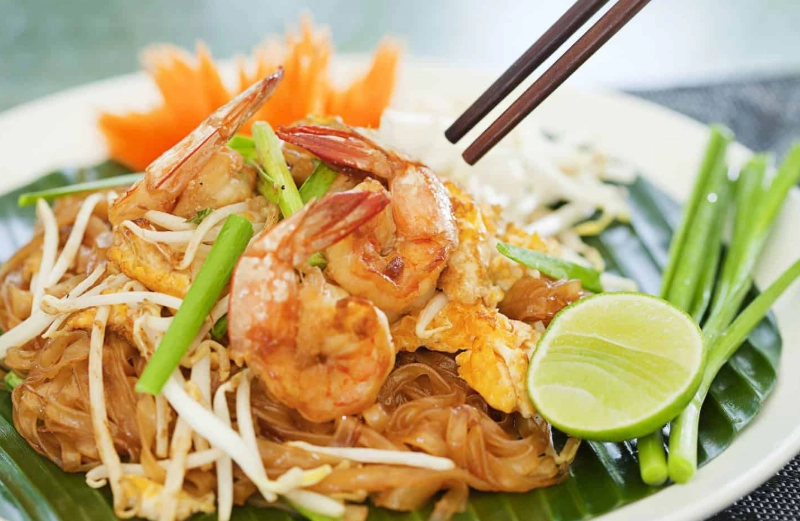
It's crunchy, sour, spicy, salty, and sweet all at once. The heat level is no joke. I've asked for "medium" and still been left gasping. But it's addictive. It's commonly served with sticky rice and grilled chicken (Gai Yang), which is the perfect combo to soak up the fierce flavors.
A word of caution: The dried shrimp and fish sauce make it very pungent. It's an acquired taste for some, but absolutely central to understanding common Thai dishes.
Massaman Curry (Gaeng Massaman)
This is the gentle giant of Thai curries. With Persian roots, it's milder, richer, and sweeter. The paste includes spices like cinnamon, cardamom, and star anise, giving it a warm, almost Christmassy aroma. It's cooked with coconut milk, potatoes, onions, and peanuts, usually with beef or chicken.
It's less about fiery heat and more about deep, comforting spice. If you're nervous about spice, this is your safest and most delicious bet among the curries. It's hearty, familiar in its use of potatoes, and universally loved.
Beyond the Classics: Other Incredibly Common Thai Dishes
The list doesn't stop at five. Thai menus are deep. Here are a few more you'll encounter everywhere.
- Tom Kha Gai: Tom Yum's milder, creamier cousin. Chicken (gai) soup with coconut milk, galangal, and mushrooms. It's soothing, aromatic, and much less aggressive.
- Pad Kra Pao: A stir-fry of meat (minced pork or chicken is classic) with holy basil (kra pao), garlic, and chilies. It's served over rice, often with a fried egg on top (khai dao). The ultimate quick, one-plate meal. The basil flavor is unmistakable.
- Khao Pad: Simply, fried rice. But Thai fried rice is a masterpiece of simplicity—jasmine rice fried with egg, onion, sometimes tomato, and a light seasoning of soy or fish sauce. It's the ultimate comfort food and a blank canvas for your protein of choice.
- Spring Rolls (Po Pia Tod): The crispy, fried version. Different from the fresh Vietnamese rolls. Stuffed with glass noodles and vegetables, they're the perfect crunchy appetizer dipped in sweet chili sauce.
- Mango Sticky Rice (Khao Niew Mamuang): The iconic dessert. Sweet, ripe mango served with sticky rice that's been steamed and soaked in sweetened coconut milk. It's simple, but when the mango is in season, it's pure heaven.
Pro Tip: When ordering, don't just say the dish name. Specify your protein. "Pad Thai gai" (chicken), "Pad Thai goong" (shrimp), or "Pad Thai thale" (seafood mix). It makes you look like you know what you're doing.
A Quick Guide to Flavors & What to Expect
Let's make this visual. Here’s a breakdown of some of these common Thai dishes by their dominant flavor profile and what you typically eat them with. This can be a huge help when deciding what you're in the mood for.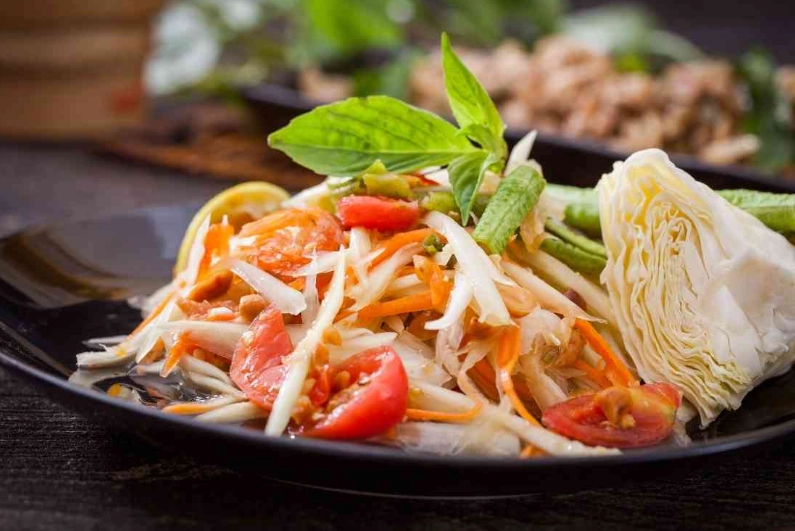
| Dish Name | Dominant Flavors | Common Protein | Best Paired With | Spice Level (Typical) |
|---|---|---|---|---|
| Tom Yum Goong | Sour, Spicy, Herbal | Shrimp | Steamed Rice | High |
| Pad Thai | Sweet, Sour, Salty | Shrimp, Chicken, Tofu | Eaten as a main dish | Low (adjust with chili flakes) |
| Green Curry | Spicy, Creamy, Herbal | Chicken, Beef, Tofu | Steamed Rice | Medium to High |
| Som Tum | Sour, Spicy, Salty, Funky | Dried Shrimp (or none) | Sticky Rice, Grilled Chicken | Very High |
| Massaman Curry | Sweet, Savory, Spiced (not spicy) | Beef, Chicken, Potatoes | Steamed Rice | Low to Medium |
| Pad Kra Pao | Salty, Spicy, Basil-forward | Minced Pork, Chicken | Steamed Rice, Fried Egg | Medium to High |
| Tom Kha Gai | Creamy, Sour, Herbal | Chicken | Steamed Rice | Low to Medium |
Navigating the Menu & Street Food Scene
Okay, you know the dishes. Now how do you actually get them?
In a sit-down restaurant, you'll usually order several dishes to share family-style, with a big bowl of steamed rice in the middle. Don't order individual plates of Pad Thai for everyone—that's not how it's done. Get a curry, a stir-fry, a soup, and a veggie dish to share.
Street food is different. It's one-dish meals. You walk up, point, and often eat standing up or on a tiny plastic stool. This is where you get your single-serving Pad Thai, your bowl of noodles, or your portion of Som Tum. It's fast, cheap, and often where the most authentic versions of these common Thai dishes live.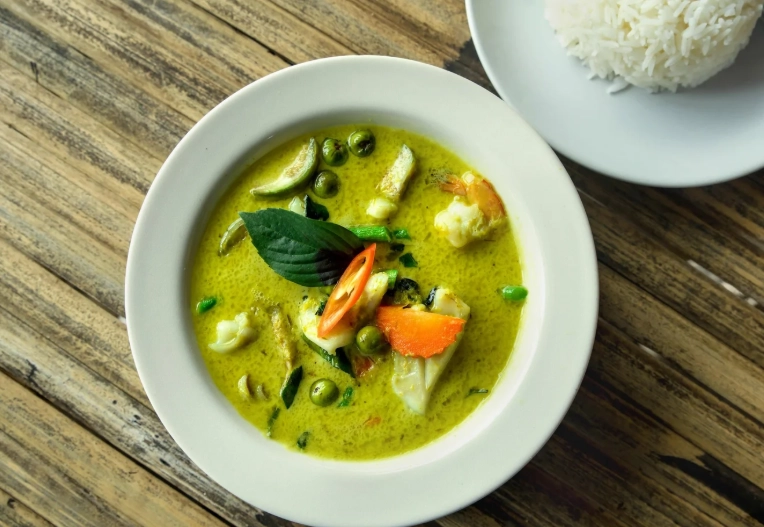
Heads up: Street food hygiene is a common worry. My rule? Look for stalls with high turnover. A busy vendor means fresh food. Avoid stuff that's been sitting out for hours. And trust your gut—if a place looks dubious, move on. There's always another stall.
Answering Your Burning Questions (FAQs)
I get asked these all the time. Let's clear them up.
What is the most common Thai dish?
That's tricky. In Thailand, for daily eating, it might be Pad Kra Pao or simple stir-fries over rice. For global recognition, it's undoubtedly Pad Thai. But if we're talking about a dish that embodies the Thai flavor spirit, Tom Yum or Som Tum are strong contenders. There's no single answer, which is what makes exploring so fun.
What are some common Thai dishes for people who don't like spice?
You have great options! Pad Thai (ask for no chili), Massaman Curry, Tom Kha Gai (ask for mild), Khao Pad (plain fried rice), Spring Rolls, and Mango Sticky Rice. You can also say "mai sai prik" (don't put in chili) or "mai phet" (not spicy) when ordering.
Is Thai food always spicy?
No! This is a huge misconception. While many common Thai dishes have a spicy element, the cuisine is about balance. There are plenty of mild, sweet, sour, and creamy dishes. The spice is often adjustable. Don't let a fear of chilies stop you from trying.
What's the difference between Red, Green, and Yellow Curry?
It's all in the paste. Green Curry uses fresh green chilies and herbs (hottest). Red Curry uses dried red chilies (still spicy, but often richer). Yellow Curry gets its color from turmeric and is often the mildest, with a more earthy flavor. They're all cooked with coconut milk but have distinct personalities.
Where can I learn more about authentic Thai cuisine?
For truly authoritative information, it's best to go to sources connected to Thailand's culinary culture. The Tourism Authority of Thailand's website has excellent articles on food culture. For in-depth culinary history and recipes, websites like BBC Travel often feature well-researched pieces on the origins of dishes like Pad Thai. These resources provide context that goes beyond a simple recipe.
Final Thoughts Before You Dig In
Exploring common Thai dishes is a journey. Don't try to understand it all in one meal. Start with something familiar like Pad Thai or Massaman, then branch out. Be brave with Som Tum, even if you just take a few bites. Appreciate the symphony of flavors in a good Tom Yum.
Remember, these dishes are meant to be shared, to be talked over, to be enjoyed with lots of rice. They're vibrant, sometimes challenging, but always full of life. That's the real essence of Thai food. It's not just fuel; it's an experience.
The best meal I ever had in Thailand wasn't in a fancy restaurant. It was at a plastic table on a Bangkok sidewalk—a plate of Pad Kra Pao with a runny fried egg, a sweating bottle of water, and the chaotic, wonderful sounds of the city around me. That's the magic these common Thai dishes hold. They're your gateway to the real Thailand.
So go on. Look at that menu with new eyes. Point to something that sounds interesting. Ask a question. Your taste buds will thank you.
Reader Comments