Your Night Market Navigator
Let's be real. You've probably seen a million pictures of crowded lanes, sizzling stinky tofu, and giant chicken cutlets before you even thought about searching for Shilin Night Market Taipei. It's on every list, in every vlog, and it's almost a rite of passage for anyone visiting Taiwan. But here's the thing most guides don't tell you: it can be completely overwhelming, and if you don't have a bit of a plan, you might just end up stuck in a human traffic jam, clutching a bubble tea, wondering what all the fuss is about.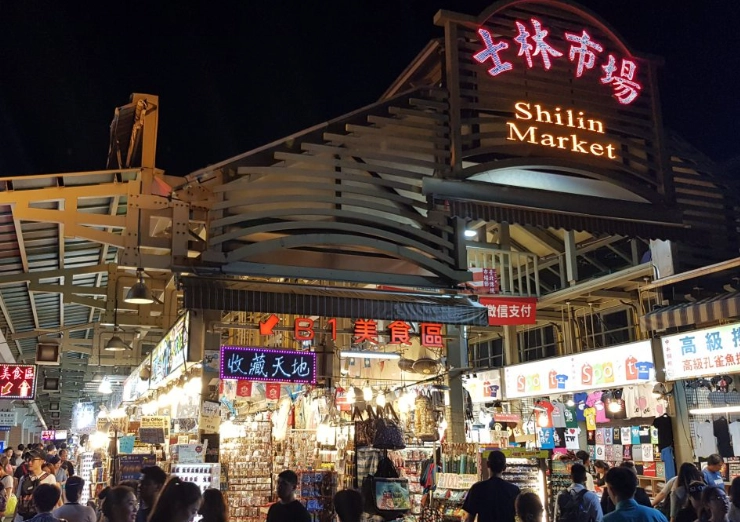
I've been there. My first time was a disaster – I went at the worst possible hour, followed the main herd, and missed half the good stuff. It took a few more visits (and some tips from local friends) to really crack the code. So consider this your friendly, no-BS manual to actually enjoying the place, not just surviving it. We're going beyond the postcard. We're talking about the best food stalls (and the overhyped ones), the secret quieter sections, how to budget, and how to avoid the classic tourist pitfalls. Think of this as your personal map to the chaos.
First Things First: What and Where Exactly is Shilin Night Market?
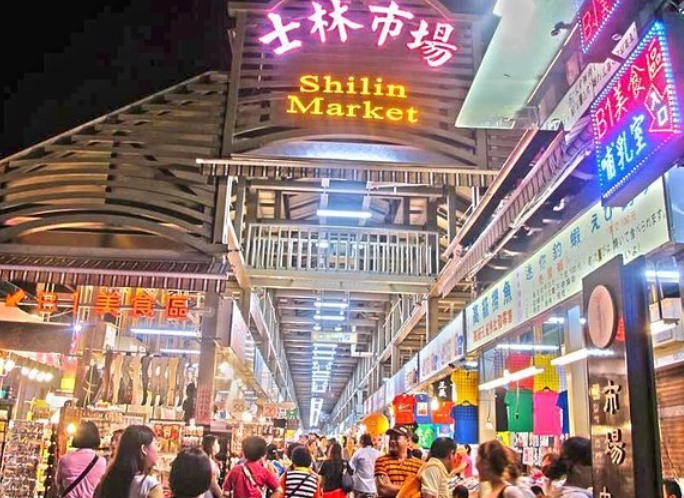
It's not just one street. That's the first misconception. Shilin Night Market Taipei is a sprawling network of alleys and lanes centered around the Shilin district in, you guessed it, Taipei. The heart of the action traditionally pulses along Danan Road and the surrounding maze, but it has physically expanded over the years. There's the famous open-air food court section (partially indoors now), the clothing and game arcade lanes, and the newer, more structured building complex.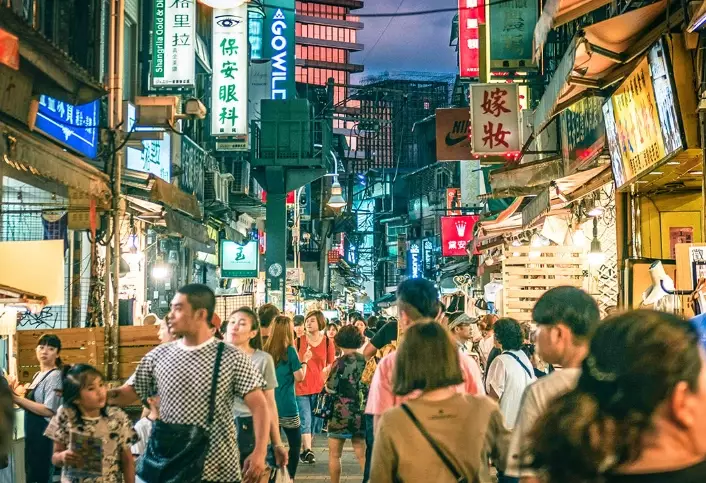
Historically, it started ages ago near the Mazu temple (a common theme for Taiwanese night markets), and just grew and grew into the behemoth it is today. It's arguably the largest and most famous night market in Taiwan, which is saying something in a country obsessed with night markets. For official context on its significance in Taipei's cultural landscape, the Taipei City Government's tourism site often features it as a key attraction, highlighting its role in local daily life. You can check their latest visitor info and official positioning here.
It's loud, it's bright, and it's a full-on assault on the senses in the best way possible.
The Main Event: A Deep Dive into Shilin Night Market Food
This is why you're here. Forget the trinkets for a second. The food is the undisputed king. But with hundreds of stalls, where do you even start? Let's break it down, from the iconic must-tries to the hidden gems that locals queue for.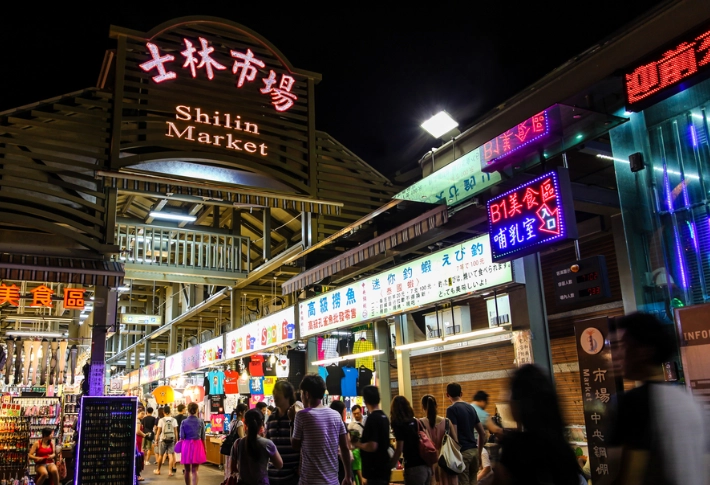
The Absolute Must-Eat Classics (You Can't Skip These)
These are the pillars. The dishes that define the Shilin Night Market food experience. If you only have time for a few things, make it these.
| Food Item | What It Is & Why It's Famous | Where to Look / Pro Tip | Approx. Price |
|---|---|---|---|
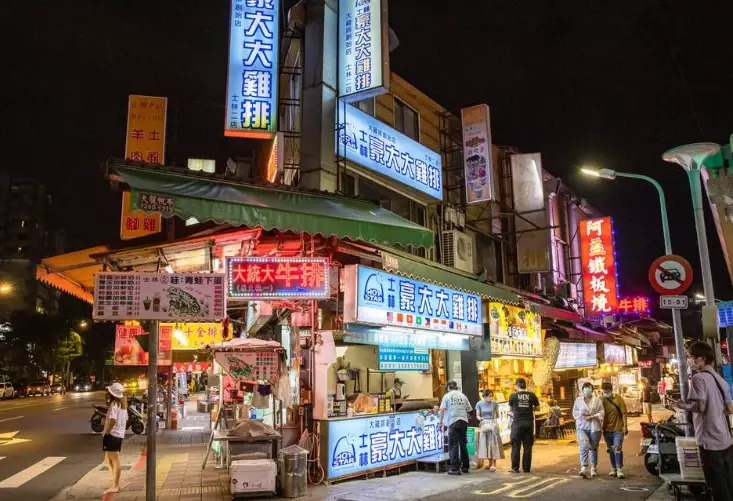
| XXL Crispy Chicken Cutlet | A piece of chicken breast, pounded thin, marinated, breaded, and fried to a shattering crisp. It's literally bigger than your face. The seasoning (usually pepper salt or spicy plum powder) is key. | Multiple stalls claim to be the original. Look for the ones with the longest queue – it's usually a good sign. "Hot Star" is a famous chain that's consistently good, but the indie stalls can be amazing. Get it fresh, eat it immediately. | NT$70-90 |
| Stinky Tofu | Fermented tofu that smells… intense (like old socks and garbage, honestly). But the taste is deep, savory, and addictive. Fried until golden and served with pickled cabbage and chili sauce. | You'll smell it before you see it. Embrace the aroma. The fried version is the gateway. The braised version in a broth is for the brave. Don't eat it right before a date. | NT$50-60 |
| Oyster Omelette (Oa Jian) | A Taiwanese staple. A gooey, sticky omelette made with sweet potato starch, eggs, small oysters, and leafy vegetables, topped with a sweet and tangy red sauce. | The texture is unique – more gelatinous than a Western omelette. Seek out stalls where you can see them shucking fresh oysters. It's a texture adventure. | NT$60-80 |
| Bubble Tea (Zhenzhu Naicha) | The drink Taiwan gave the world. Chewy tapioca pearls in milky tea. At Shilin, you'll find classic stalls and innovative new versions. | While big chains are here, try a local stall for a more "authentic" taste. Ask for less sugar if you're not used to the typical sweetness. | NT$40-70 |
Beyond the Classics: Hidden Gems & New Favorites
Once you've checked the big items off your list, it's time to explore. The real magic of Shilin Night Market Taipei often lies in these lesser-hyped treats.
- Grilled Squid on a Stick: Massive, whole squid grilled right in front of you, brushed with savory sauce. Chewy, smoky, and satisfying. Perfect for sharing.
- Iron Egg (Tie Dan): These are small eggs (usually quail) that are repeatedly stewed and air-dried until they become incredibly chewy, dark, and packed with flavor. They're like savory candy.
- Candied Tomatoes & Strawberries: Fresh fruit dipped in a hard, sugary syrup, sometimes with a plum powder dip. A refreshing, sweet palate cleanser amidst all the grease.
- Flame-Torched Beef Cubes: A relatively newer trend. Juicy beef cubes, seasoned, quickly seared on a grill, and then blasted with a torch for a smoky crust. Often served with onions.
- Mochi in Peanut Powder: Soft, pillowy mochi rolls cut into pieces and tossed in a fragrant mix of crushed peanuts and sugar. Simple, messy, and delicious.
You see what I mean? The variety is insane. It's not just about eating a meal; it's about going on a culinary treasure hunt.
More Than Just Food: What Else is There to Do?
Okay, you're stuffed. But the night is young, and the market is buzzing with other activities. Things to do in Shilin Night Market aren't limited to your stomach.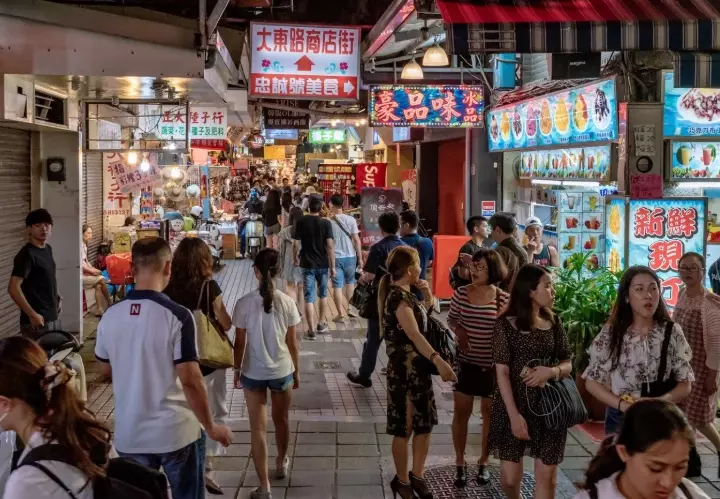
Shopping (The Games & The Goods)
The peripheral lanes are a mix of cheap fashion (socks, phone cases, trendy clothes), quirky accessories, and old-school game arcades. We're talking dart balloons, fishing for plastic shrimp, basketball toss games – the kind of simple, nostalgic fun you rarely see anymore. The prizes are usually plush toys, and the atmosphere is pure, unadulterated silliness. It's worth dropping NT$100 just for the laughs.
The Underground Food Court & Temple
Many people miss this. Adjacent to the main market area is a more formal, underground food court. It's cleaner, has seating (a precious commodity!), and houses some legendary, decades-old stalls that moved in from the streets. It's a great option if the crowds above get too much or if it starts to rain. Also, take a moment to find the nearby Jhihshan Temple. Seeing the quiet, traditional temple life existing right next to the neon chaos is a fascinating contrast that sums up Taipei perfectly.
Your Practical Survival Guide: How to Actually Enjoy It
This is the crucial part. Knowing what to eat is one thing. Knowing how to do Shilin Night Market is another.
When to Go (Timing is Everything)
AVOID 7:00 PM - 9:00 PM on weekends. Just don't. It's a wall-to-wall sea of people where you shuffle more than walk. It's hot, claustrophobic, and not fun for your first time.
- Best Time: Go on a weekday evening. Sunday through Thursday are noticeably calmer. Aim to arrive around 6:00 PM. Stalls are open, the energy is building, but you can still move.
- Alternative: Go later, after 10:00 PM. The family crowds thin out, and it takes on a different, more local vibe. Some food stalls stay open past midnight.
- Rainy nights are also surprisingly good – fewer people, same great food.
How to Get There & Away
The easiest way is by Taipei MRT, which is clean, efficient, and cheap.
- Main Route: Take the Red Line (Tamsui-Xinyi Line) to Jiantan Station (R15). Not Shilin Station. This is important. Exit Jiantan Station, and you'll see the market lights and crowds across the road. Just follow the flow.
- From there, it's a short walk. Taxis are an option but can get stuck in traffic near the market. The MRT is almost always faster.
Money, Budgeting & How to Pay
Cash is king. While some newer stalls might accept mobile payments or cards, 95% of vendors only take New Taiwan Dollars (NTD) in cash. Don't be that person holding up the line trying to tap a card.
- Budget: For a serious food crawl, bring at least NT$500-800 per person. This lets you try 5-8 different items with drinks.
- ATMs: There are banks and ATMs around the perimeter (near the MRT station). Get cash before you enter the market.
- Strategy: Share! Portions are often large. Get one portion of something and split it so you can try more things. This is the golden rule of night market success.
Navigating the Crowds & Etiquette
Be prepared to shuffle. Don't stop suddenly in the middle of a narrow lane to take a picture – step to the side. If you're with a group, try not to walk side-by-side forming a human wall. Pointing at what you want is perfectly fine if there's a language barrier. A little smile and "xie xie" (thank you) go a long way. And please, dispose of your trash properly in the bins provided. The stall owners have to clean up after everyone.
It's a dance, really. You learn to move with the current, not against it.
Answering Your Burning Questions (The FAQ Section)
Final Thoughts & Parting Wisdom
Visiting Shilin Night Market Taipei is less about a meal and more about an experience. It's loud, messy, chaotic, and utterly captivating. It's the pulsating heart of Taipei's street food culture.
My biggest piece of advice? Let go of your need for order. Embrace the mess. Get a little lost in the side alleys. Point at something that looks weird and try it. That unassuming stall with the short queue might just serve the best thing you eat all night.
Come with cash, come with an empty stomach, and come with a sense of adventure. Don't just tick it off a list. Dive in. Shilin isn't just a place you visit; it's a place you feel. The sizzle of the grills, the shouts of the vendors, the mix of a hundred different delicious smells, the glow of neon against the night sky – that's the real magic. That's what you'll remember long after the last bubble tea is gone.
So go on. Your table is waiting somewhere in that wonderful, overwhelming maze.
Reader Comments