Quick Navigation
- The Pillars of the Korean Table: Core Dishes You Absolutely Need to Know
- The Main Event: Korean BBQ and Other Protein Stars
- The Vibrant World of Korean Street Food
- Navigating the Korean Dining Experience: Etiquette and Tips
- Answering Your Burning Questions About South Korean Food
- Bringing It Home: How to Start Exploring Korean Food Near You
Let's be real. When you think of South Korean food, what pops up first? Probably a bubbling red stew or a sizzling plate of barbecue. Maybe it's that iconic image of a perfect, colorful bibimbap. But there's so much more hiding beneath the surface, a whole universe of flavors that can be downright intimidating for the uninitiated.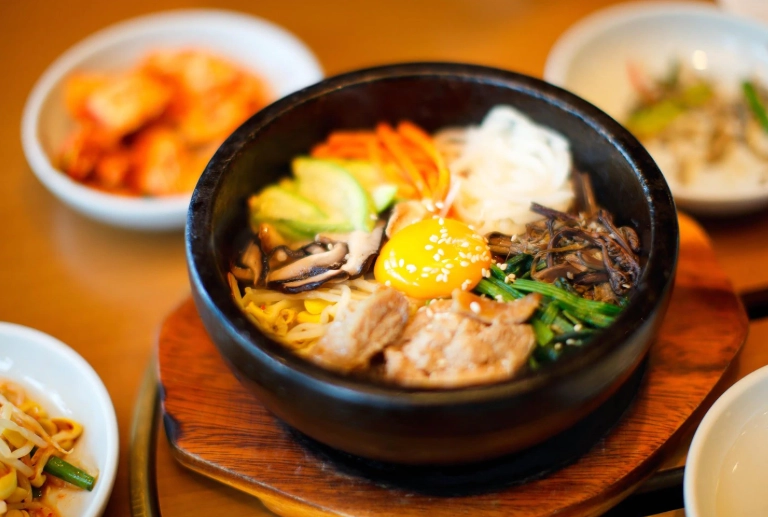
I remember my first real encounter with a proper Korean meal. It wasn't in Seoul, but in a tiny, steamy restaurant in my hometown. The table vanished under a avalanche of small dishes—maybe fifteen of them. I recognized the kimchi, of course. But there were also little bowls of strange-looking veggies, mysterious pancakes, and something gelatinous I was too scared to touch. It was overwhelming, exciting, and a little bit terrifying. That's the magic and the challenge of Korean cuisine. It's communal, it's bold, and it doesn't hold back.
This guide isn't a dry history lesson or a sterile list of dishes. Think of it as a friend talking you through the menu, pointing out the must-tries, warning you about the seriously spicy stuff, and explaining why everyone is so obsessed with fermented cabbage. We're going to dig into the heart of what makes this cuisine tick.
The Pillars of the Korean Table: Core Dishes You Absolutely Need to Know
You can't talk about South Korean food without starting with its bedrock. These are the dishes that appear on tables daily, in homes and restaurants alike. They define the flavor profile.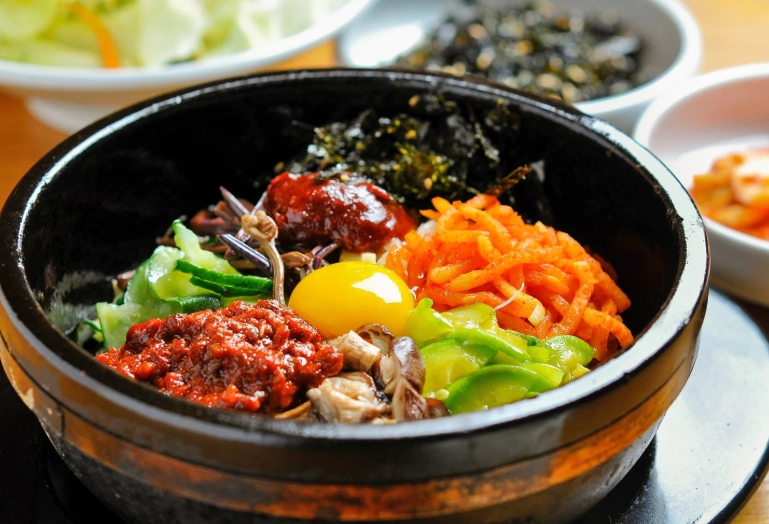
Kimchi: The Heartbeat of the Cuisine
Calling kimchi a "spicy cabbage side dish" is like calling a Ferrari "a car." It's technically true but misses the entire point. Kimchi is the soul of Korean cooking. It's a living food, constantly fermenting in its jar, changing flavor daily. The most common type, baechu kimchi, is made with Napa cabbage, but there are hundreds of regional and seasonal varieties using radish, cucumber, green onions, you name it.
The taste? It's a punchy, tangy, umami-rich, garlicky, and often very spicy kick. The fermentation gives it a fizzy, sour depth that's utterly addictive. Koreans eat it with everything—as a side, chopped up in fried rice (kimchi bokkeumbap), stewed into soups (kimchi jjigae), even in pancakes. Its importance is recognized by UNESCO as part of Korea's Intangible Cultural Heritage. You can read more about its cultural significance on the Korea Tourism Organization's food culture page.
Personal note: Not all kimchi is created equal. The store-bought stuff in the international aisle is often a sad, vinegary imitation. The real deal, especially homemade or from a proper Korean market, has a complexity that will change your mind if you think you don't like it.
Bibimbap: The Beautiful Mixed Bowl
Bibimbap translates to "mixed rice," and it's a masterpiece of balance and presentation. A large bowl of warm rice is topped with an artful arrangement of namul (seasoned sautéed vegetables), maybe some mushrooms, julienned beef (so bulgogi), a raw or fried egg, and a dollop of gochujang (red chili paste).
The magic happens when you take your spoon and aggressively mix it all together. The heat from the rice cooks the egg yolk, and the gochujang coats every grain. You get a bit of everything in each bite: the crunch of veggies, the savory meat, the creamy egg, the chewy rice, and the sweet-spicy sauce. It's a complete, satisfying meal in a bowl. For a deep dive into its history and variations, resources like CNN Travel's feature on bibimbap offer great context.
The Jjigae & Guk Universe: Soups and Stews for the Soul
If you're having a bad day, a Korean jjigae will fix it. These are robust, communal stews, served bubbling in a heavy pot at the table. They're the ultimate comfort food.
- Kimchi Jjigae: The king of stews. Fermented kimchi, tofu, pork belly, and onions stewed into a fiery, tangy, deeply flavorful broth. It's sour, spicy, and rich all at once.
- Doenjang Jjigae: The earthy, savory counterpart. Made with doenjang (Korean soybean paste), this stew is less spicy but packed with umami. It usually has tofu, zucchini, potatoes, and maybe some clams or shrimp.
- Sundubu Jjigae: A personal favorite. This is a spicy stew featuring extra-soft, uncurdled tofu (sundubu). It's often served with a raw egg cracked into it at the table, which cooks gently in the heat. It's silky, spicy, and incredibly soothing.
Then you have the clearer soups, or guk. Samgyetang is a famous summer dish—a whole young chicken stuffed with glutinous rice, ginseng, jujube, and garlic, simmered in a delicate broth. It's meant to replenish your energy. It sounds heavy, but the broth is surprisingly light and clean.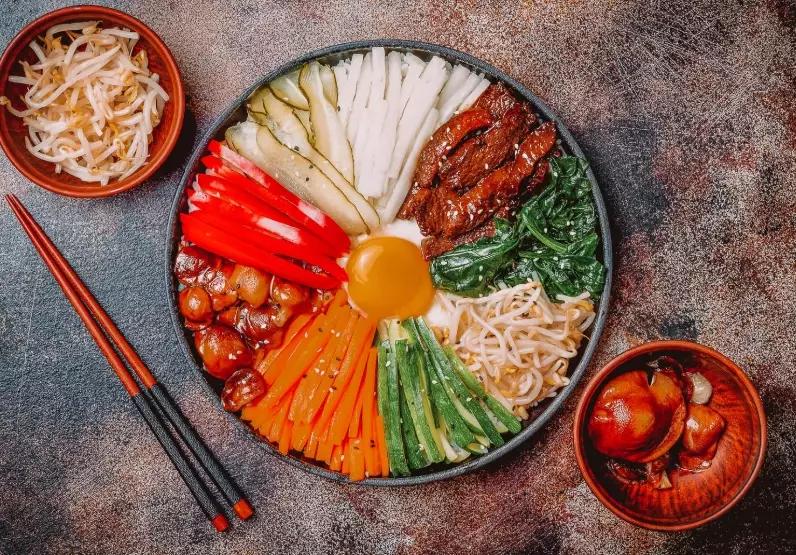
The Main Event: Korean BBQ and Other Protein Stars
This is probably what your friends are talking about when they rave about Korean food. The interactive, DIY grill fest.
The Korean BBQ Experience
You sit at a table with a built-in grill. You order meats by the portion—thinly sliced marinated beef (bulgogi), thick slabs of pork belly (samgyeopsal), or marinated short ribs (galbi). The raw meat arrives, and you grill it yourself right there. The smell is incredible.
But here's the key: you don't just eat the meat plain. You take a leaf of fresh lettuce or perilla leaf (a more aromatic, minty leaf), place a piece of meat on it, add a bit of ssamjang (a thick, savory paste), maybe a slice of raw garlic, a pepper, and some kimchi. Then you wrap it all up into a little packet and eat it in one or two bites. The combination of hot, savory meat with cool, crisp lettuce and pungent condiments is unbeatable.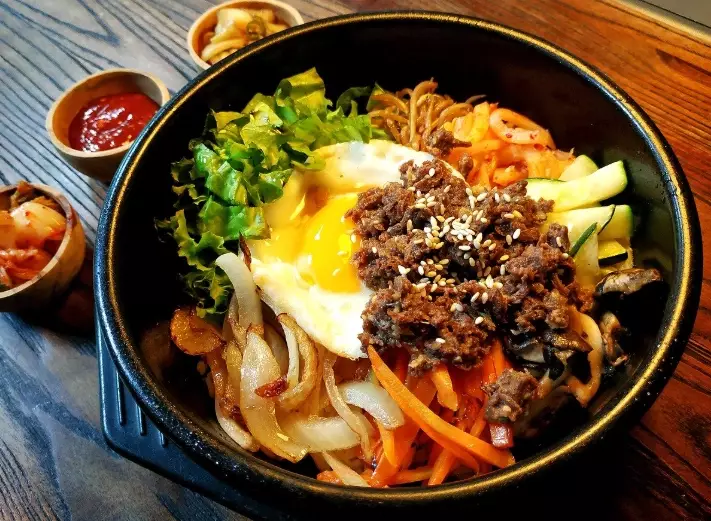
Bulgogi, which means "fire meat," is arguably Korea's most famous meat dish. The sweet-soy-garlic-sesame marinade is iconic. Galbi (marinated short ribs) are richer and often more expensive, but the flavor is deeper, and the meat falls off the bone.
Other Noteworthy Mains
Not everything is grilled.
Jjajangmyeon: This is Korean-Chinese fusion at its best. Thick, hand-pulled noodles smothered in a dark, savory, and slightly sweet black bean sauce made with chunjang (fermented wheat paste), with bits of pork and vegetables. It's a beloved delivery and comfort food. It's not pretty—it looks like a bowl of mud—but it's delicious.
Korean Fried Chicken (KFC): A global phenomenon for a reason. It's double-fried, making the skin impossibly crisp and crackly, while the meat stays juicy. Then it's tossed in a glossy, sticky sauce. The two main styles: yangnyeom (sweet, spicy, and garlicky red sauce) and ganjang (soy garlic). Half-and-half orders are standard.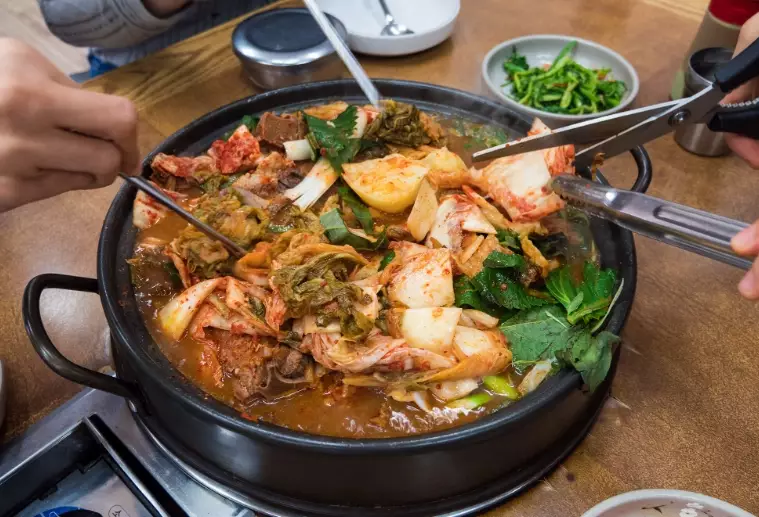
My controversial opinion? Sometimes the classic plain, crispy version (huraideu chikin) is better than the sauced ones. It's the ultimate test of the frying technique.
The Vibrant World of Korean Street Food
If restaurant dining feels formal, hit the streets. South Korean street food is a fast-paced, affordable, and delicious adventure. Markets like Seoul's Gwangjang Market are temples to this.
| Street Food Item | Description | What to Expect |
|---|---|---|
| Tteokbokki | Chewy cylinder-shaped rice cakes simmered in a sweet, spicy, and sticky red gochujang-based sauce. Often includes fish cakes and boiled eggs. | The #1 street food. Addictively chewy texture. Can be VERY spicy. |
| Hotteok | A sweet griddled pancake filled with a molten mixture of brown sugar, honey, chopped nuts, and cinnamon. | A perfect winter treat. Crispy outside, gooey inside. Watch out for the hot sugar! |
| Kimbap | Often called "Korean sushi," but it's really its own thing. Rice and various fillings (veg, ham, egg, tuna) rolled in dried seaweed. | Portable, non-spicy, and perfect for a quick bite. Much more affordable than sushi. |
| Eomuk/Twigim | Fish cake (eomuk) skewers boiled in a light, savory broth. Twigim is the deep-fried version of various ingredients. | The broth is free to drink! A warm, savory snack. The fried twigim is crispy and satisfying. |
| Bungeoppang | Fish-shaped pastry (usually waffle or pancake batter) filled with sweet red bean paste. Sometimes filled with custard or chocolate. | Iconic shape, sweet filling. A classic. |
Walking through a night market, grabbing a stick of tteokbokki, then a hotteok for dessert… that's a perfect evening. The energy is just as important as the food.
Navigating the Korean Dining Experience: Etiquette and Tips
This is where people get nervous. Relax, Koreans are generally very understanding of foreigners, but knowing a few basics will make your meal smoother and more enjoyable.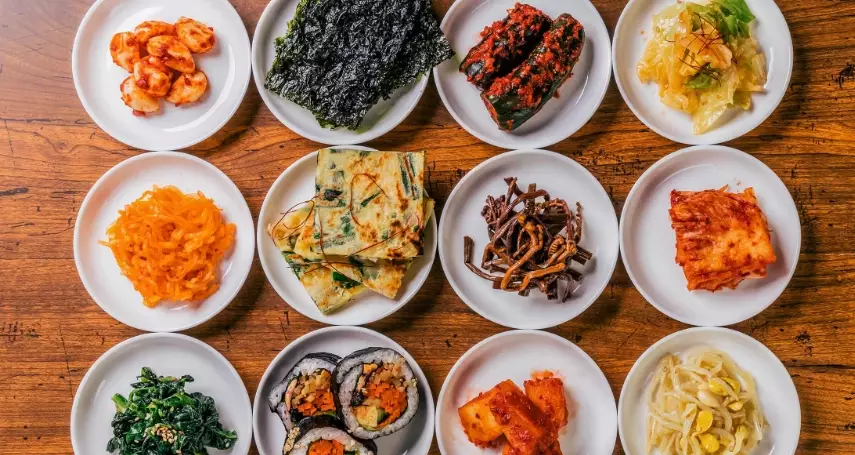
The Banchan Rules
Those little side dishes are refillable, usually for free. Don't be shy to ask for more of the ones you like ("Jeogiyo, (dish name) juseyo"). But use the serving spoons provided! Never use your personal eating utensils to take food from a shared banchan plate.
Sharing is Caring
Most South Korean food is designed to be shared. Large stews (jjigae), BBQ platters, even a big plate of fried chicken are meant for the center of the table. Order a variety and dig in together.
Drinks and Pouring
If you're drinking with others (especially soju, the ubiquitous Korean spirit), there's a ritual. Never pour your own drink. Pour for others, and they will pour for you. When someone pours for you, hold your glass with both hands as a sign of respect. A quick nod or a small "thank you" (kamsahamnida) works.
Answering Your Burning Questions About South Korean Food
- Gochujang: The red chili paste. Sweet, spicy, fermented. Used in sauces, marinades, stews.
- Doenjang: The brown soybean paste. Earthy, salty, umami. Used in stews, soups, as a dipping sauce base.
- Ssamjang: The "wrap paste." A mix of doenjang and gochujang, often with sesame oil, garlic, and onion. Used exclusively for wrapping meat in lettuce.
Bringing It Home: How to Start Exploring Korean Food Near You
You don't need a plane ticket to Seoul. Start local.
First, find a Korean supermarket (H Mart, Assi, etc.). Just walking the aisles is an education. Smell the different pastes, look at the variety of kimchi in refrigerated cases, pick up some instant noodles (shin ramyun is a classic), and some frozen mandu (dumplings).
Then, find a well-reviewed Korean restaurant in your area. Go with a group. Order a BBQ set, a stew, and a pancake. Don't just stick to what you know. Ask the server what's popular. Point to something on the menu that looks interesting.
South Korean food is a journey. It's loud, messy, flavorful, and deeply social. It challenges your palate with fermentation and spice, then comforts you with stews and rice. It's a cuisine that demands participation—wrapping, mixing, grilling, sharing. So grab some friends, find a table, and don't be afraid to get your hands a little dirty. The best meals are waiting.
And honestly, if you still don't like kimchi after trying a good version? That's okay. There's a whole world of other incredible South Korean food out there for you to explore. Just keep an open mind and an empty stomach.