Korean food has this way of grabbing you and not letting go. It's not just about the spicy kick, though there's plenty of that. It's about the balance, the depth, the sheer comforting warmth of a stew, or the chaotic, perfect mix of a rice bowl. People search for the "best Korean dishes" because they want to cut through the noise and get to the heart of what's truly unforgettable. I get it. You don't want to waste a meal on something just okay.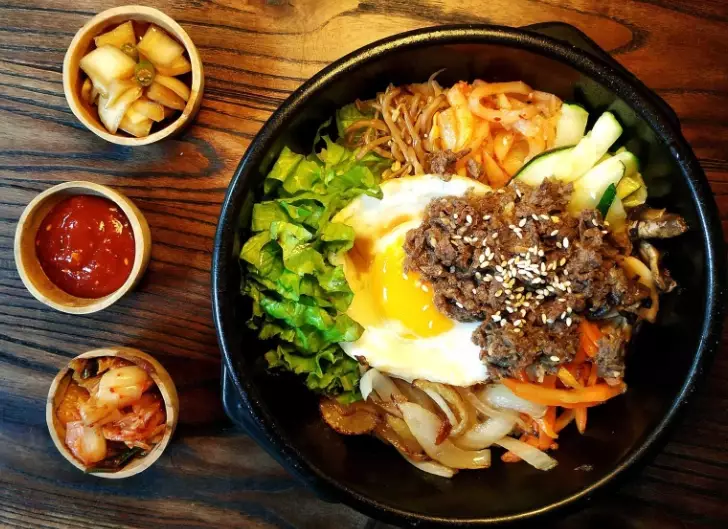
I remember my first real encounter with Korean cuisine beyond the basic barbecue. It was a steaming, stone bowl of bibimbap, the egg yolk winking at me from the center. Mixing it all together felt like a small, delicious rebellion. That's the feeling we're after here.
Quick Guide to Korean Delights
This guide is my attempt to walk you through it all. We'll look at the heavy hitters, the underrated stars, and how to navigate a Korean menu like you know what you're doing. I'll even throw in a few things I think are overhyped. Because let's be honest, not every famous dish is a winner for everyone.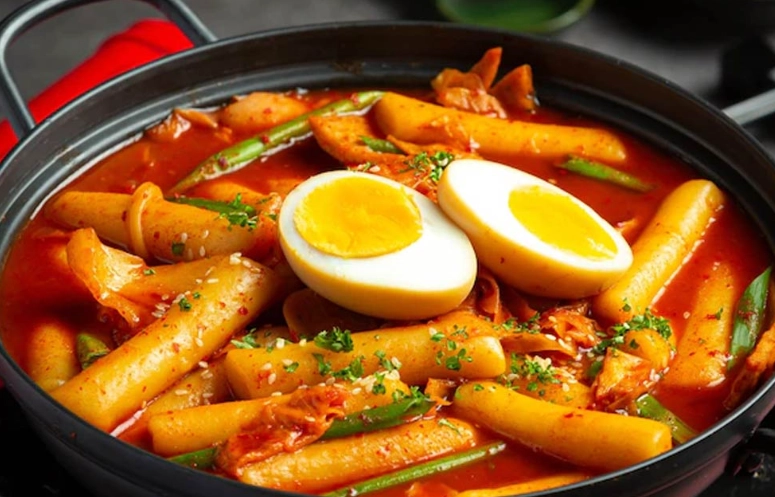
What Makes a Korean Dish Truly Great?
Before we dive into names and pictures, let's talk about the soul of Korean food. It's not random. The best Korean dishes often share a few key traits that make them stand out.
First, there's balance. It's a dance of opposites. Spicy (maeun) and sweet (dan), hot and cold, crispy and soft, fermented and fresh. A dish like kimchi jjigae (kimchi stew) is fiercely spicy and sour from aged kimchi, but it's balanced with the mildness of tofu and pork. It's complexity in a bowl.
Then there's texture. Koreans are masters of texture, or teuksu. Think of the crispy, caramelized rice at the bottom of a dolsot bibimbap (stone pot bibimbap), contrasted with the soft vegetables and gooey egg. Or the satisfying chew of tteokbokki (rice cakes) in a sweet-spicy sauce. It keeps every bite interesting.
Finally, there's fermentation. This is the backbone. Dishes like kimchi, doenjang (soybean paste), and ganjang (soy sauce) are fermented for months or years, creating deep, savory, umami-rich flavors you can't replicate quickly. When UNESCO inscribed Kimjang (kimchi-making) as intangible cultural heritage, it wasn't just about the food, but the community and tradition behind it. That history tastes.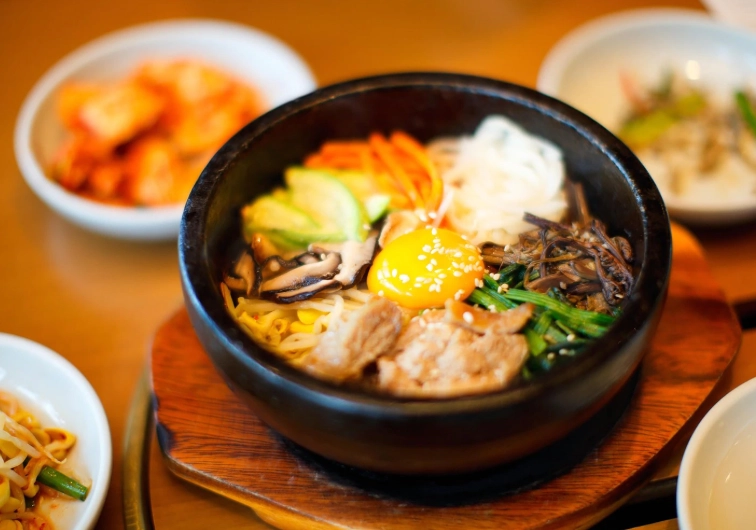
So, with that in mind, how do we even categorize these dishes?
A Map to the Korean Food Universe
Korean menus can be overwhelming. To make sense of it, I find it helpful to break things down into categories. It's like having a compass before you explore.
| Category | What It Is | Key Dishes to Know | Best For... |
|---|---|---|---|
| Grilled & Barbecue (Gogi) | Meat, usually beef, pork, or chicken, grilled at the table. The social heart of Korean dining. | Bulgogi, Galbi, Samgyeopsal | Group dinners, meat lovers, interactive meals. |
| Stews & Soups (Jjigae/Guk) | Deeply flavored, often spicy stews or lighter soups served with rice. Everyday comfort food. | Kimchi Jjigae, Doenjang Jjigae, Seolleongtang | Cold days, hearty lunches, craving deep flavor. |
| Rice & Noodle Dishes (Bap/Guksu) | The main carbohydrate vehicles, from mixed rice bowls to chewy noodles. | Bibimbap, Japchae, Naengmyeon | Quick, satisfying meals, exploring variety. |
| Pancakes & Street Food (Jeon/Twigim) | Savory pancakes and fried snacks, often shared or eaten on the go. | Pajeon, Haemul Pajeon, Tteokbokki | Snacking, drinking food, casual bites. |
| Fermented & Side Dishes (Banchan) | The small side dishes that accompany every meal. Kimchi is the star. | Kimchi, Kongnamul, Gamja Jorim | Adding variety, texture, and probiotics to any meal. |
See? It's less chaotic when you have a map. Now, within these categories, some dishes have earned legendary status. Let's get into the ones that consistently top lists of the best Korean dishes.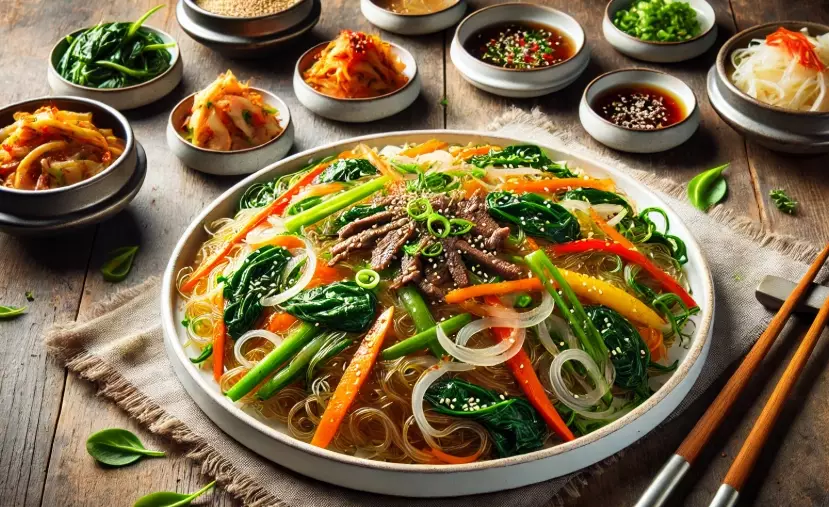
The Unmissable Hall of Fame: Best Korean Dishes You Can't Skip
If you're building your Korean food foundation, start here. These are the dishes that define the cuisine for many people. I'll give you the lowdown on each—what it is, why it's great, and how to eat it like you mean it.
Bibimbap: The Iconic Mixed Rice Bowl
Let's start with arguably the most famous Korean dish after barbecue. Bibimbap literally means "mixed rice." It's a bowl of warm rice topped with an array of seasoned vegetables (like spinach, bean sprouts, carrots, and mushrooms), some protein (often beef or a fried egg), and a dollop of gochujang (red chili paste).
Why is it one of the best Korean dishes? It's a complete meal in a bowl, showcasing that Korean balance perfectly—colors, textures, flavors, and nutrition. The dolsot (stone pot) version is a game-changer. The hot stone bowl crisps the rice at the bottom into a golden, nutty crust called nurungji. Mixing everything together just before eating is a ritual.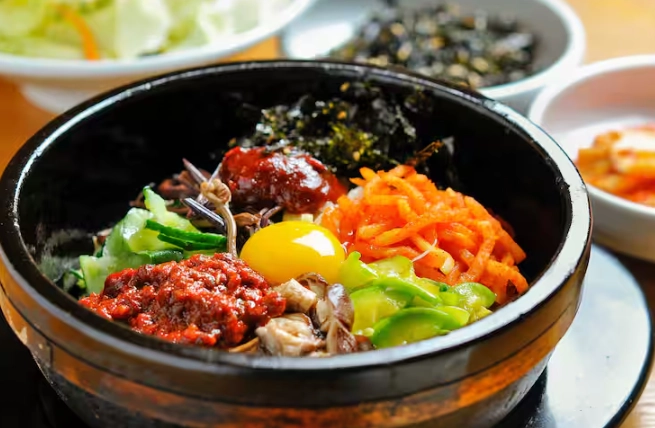
Kimchi Jjigae: The Ultimate Comfort Stew
When Koreans need a hug from the inside, they make kimchi jjigae. This stew is the soul of Korean home cooking. It's built around well-fermented, sour kimchi, which is sautéed with pork (or sometimes tuna), then simmered in its own juices and broth with tofu and onions.
The flavor is robust, tangy, spicy, and deeply umami. It's not subtle, and it doesn't try to be. It's a punch of flavor that clears your sinuses and warms you up. For me, a rainy day is instantly better with a pot of this on the stove. It's a staple for a reason and a strong contender for the title of best Korean comfort dish.
Bulgogi: The Sweet and Savory Grilled Beef
If you've only had one Korean dish, it might be bulgogi. Thinly sliced beef (usually sirloin or ribeye) is marinated in a sweet-savory sauce of soy sauce, sugar, pear, garlic, and sesame oil until it's tender and flavorful. It's then grilled, often right at your table.
The taste is universally appealing—sweet, salty, garlicky, with a hint of smokiness. It's a fantastic introduction because it's not spicy. You eat it by wrapping a piece of meat in a fresh lettuce or perilla leaf (kkaennip) with some rice, maybe a bit of ssamjang (a thick dipping paste), and garlic. The contrast of the hot, juicy meat with the cool, crisp leaf is magic.
But wait, is galbi better?
That's a common debate. Galbi (marinated beef short ribs) is richer and has more bite because of the bone. I lean towards galbi for its deeper, more complex marinade and satisfying chew. Bulgogi is more about melt-in-your-mouth tenderness. Try both.
Japchae: The Celebratory Glass Noodle Stir-Fry
Japchae is the dish you'll find at every Korean celebration—birthdays, holidays, weddings. It's made with sweet potato starch noodles (dangmyeon), which turn translucent and have a uniquely pleasant, slightly chewy texture when cooked. They're stir-fried with colorful strips of beef and vegetables like spinach, carrots, and mushrooms in a savory-sweet sesame sauce.
What makes it special is its elegance and balance. It's not heavy, not too spicy, just incredibly flavorful and satisfying. The noodles are slippery and fun to eat, and the sesame oil fragrance is irresistible. It's a crowd-pleaser and proof that the best Korean dishes aren't all about fire.
Samgyeopsal: The Pure Pork Belly Experience
No marinade, no fuss. Samgyeopsal is thick slices of pork belly grilled until the edges are crispy and the fat has rendered into juicy, golden goodness. It's the ultimate Korean barbecue for purists. The flavor comes from the pork itself and what you pair it with.
You dip the cooked pork in a mix of salt and pepper with a dash of sesame oil, or in ssamjang. Then, you make a ssam (wrap) with lettuce, a piece of raw garlic, a grilled kimchi slice, maybe some fresh chili. It's interactive, social, and deeply satisfying. The richness of the pork needs those sharp, fresh accompaniments to cut through it. It's a ritual, and one of the best Korean dishes for a fun night out.
Beyond the Classics: Underrated Gems and Modern Twists
Okay, you know the big names. But some of the most memorable meals come from dishes that don't always make the tourist brochures. Here are a few that deserve more spotlight.
Haemul Pajeon (Seafood Scallion Pancake): This isn't a fluffy breakfast pancake. It's a savory, crispy, chewy pancake loaded with green onions and an assortment of seafood like squid, shrimp, and clams. It's the perfect sharing food, especially when it's raining (Koreans literally call it "rainy day food"). Dip it in a soy-vinegar sauce. Fantastic with a cold beer.
Naengmyeon (Cold Noodles): A summer lifesaver. Chewy, thin buckwheat noodles served in a cold, tangy, slightly sweet beef broth (mul naengmyeon) or with a spicy gochujang-based sauce (bibim naengmyeon). It's served with ice chips, a hard-boiled egg, cucumber, and pear. The first time I had it, the combination of cold, chewy, sweet, and tangy was a shock to the system—in the best way. It's refreshing and completely unique.
Sundubu Jjigae (Soft Tofu Stew): This is the stew for when you want something spicy but silky. It's made with extra-soft, uncurdled tofu (sundubu) that's almost custard-like, cooked in a fiery red broth with seafood, meat, or vegetables, and a raw egg cracked in at the end. The contrast between the burning-hot, spicy broth and the delicate, cooling tofu is incredible. It's a must-try for spice lovers.
How to Actually Find and Enjoy These Dishes
Knowing the names is half the battle. The other half is navigating a restaurant or a trip to Korea.
At a Korean Restaurant: Look for places that are busy, especially with Korean patrons. For barbecue, go with at least two people. Don't ignore the banchan (side dishes)—they're free refills and part of the experience. Try a little bit of everything with your rice. If you're unsure, just point to a picture or say one of the names we've talked about. Most servers are used to it.
If You're Traveling to Korea: Seoul is a food paradise. For classic dishes, Gwangjang Market is iconic for bibimbap and bindaetteok (mung bean pancakes). Myeongdong is packed with street food stalls for tteokbokki, hotteok (sweet pancakes), and more. For a deep dive, the Korean Tourism Organization's food page is a reliable resource for curated food experiences.
Answers to Questions You're Probably Asking
Wrapping It All Up
Searching for the best Korean dishes is really a search for experience—for warmth, for bold flavor, for shared meals, and for culinary discovery. It's not about memorizing a list. It's about understanding the principles: balance, texture, fermentation, and community.
Start with the hall of fame—the bibimbap, the kimchi jjigae, the bulgogi. Let them be your anchors. Then, branch out. Try the chewy naengmyeon on a hot day, share a pajeon with friends, savor the simplicity of perfectly grilled samgyeopsal. Don't be afraid of the banchan. Ask questions. Get messy mixing your rice.
The beauty of Korean food is that there's always something new to discover, even within a familiar dish. The "best" dish is often the one you're sharing with good people, or the one that hits the spot on a particular day. So take this guide as a starting point, not a rulebook. Your own list of the best Korean dishes is waiting to be made, one delicious bite at a time.
Now, go find a restaurant. Or better yet, try cooking something. The Maangchi website is an incredible, authentic resource for home cooks that I've used for years. Her recipes feel like getting advice from a Korean aunt.
Happy eating.