快速导览
- The Heart and Soul: Understanding the Korean Meal Structure
- Beyond Bibimbap: A Tour of Classic Korean Meal Sets
- How to Eat It: The Unwritten Rules of a Korean Table
- Cooking Korean Meals at Home: It's Easier Than You Think
- The Health Angle (Without the Hype)
- Answers to Questions You're Probably Asking
Let's be honest, when most people think of Korean meals, one image pops up: sizzling barbecue at a noisy table. And don't get me wrong, that's fantastic. But it's just the tip of the iceberg lettuce they use for ssam. What we often miss is the incredible depth, balance, and almost philosophical approach to eating that defines a real Korean table. It's not a single dish; it's an experience, a symphony of flavors and textures arranged around a central theme of rice.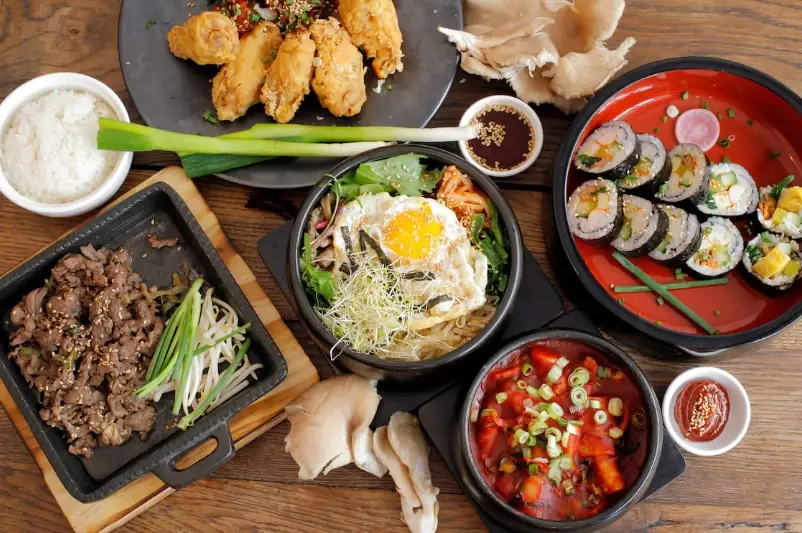
I remember my first proper meal in a Korean home, not a restaurant. The table looked like it was about to collapse under the weight of small dishes. I panicked, thinking it was for a huge party. It was just for four of us. That's when it clicked. A Korean meal is about abundance, sharing, and contrast. It's communal, vibrant, and surprisingly logical once you understand the rules.
The Heart and Soul: Understanding the Korean Meal Structure
So, what actually is a Korean meal? If you strip it down to its essentials, you've got a formula. But it's a flexible, creative formula. The foundation is bap (cooked rice, usually short-grain). Rice is the irreplaceable center. Everything else exists in relation to it.
Then you build around it. You need something wet and savory—that's your guk or jjigae (soup or stew). This isn't a starter; you sip it throughout the meal. Next, you need a central protein or vegetable dish, the banchan that's a bit more substantial, like grilled fish, braised meat (jorim), or a hearty pancake. Finally, you surround this core with a rotating cast of smaller banchan—kimchi (of course), seasoned vegetables, little salads, fermented seafood. The number can vary from three to twelve or more on special days.
This structure creates balance. Hot and cold. Spicy and mild. Fermented and fresh. Crispy and soft. Every bite can be different. It’s genius, really.
Banchan: The Stars of the Show
This is where Korean meals truly shine and where many other cuisines can't compete. Banchan are not afterthoughts. They are meticulously prepared, flavor-packed side dishes that elevate every spoonful of rice. The most famous, the king of banchan, is kimchi. But there are hundreds. Spinach seasoned with sesame oil (sigeumchi-namul), crunchy bean sprouts (kongnamul-muchim), stir-fried anchovies with peanuts, savory pancakes, marinated tofu... the list is endless.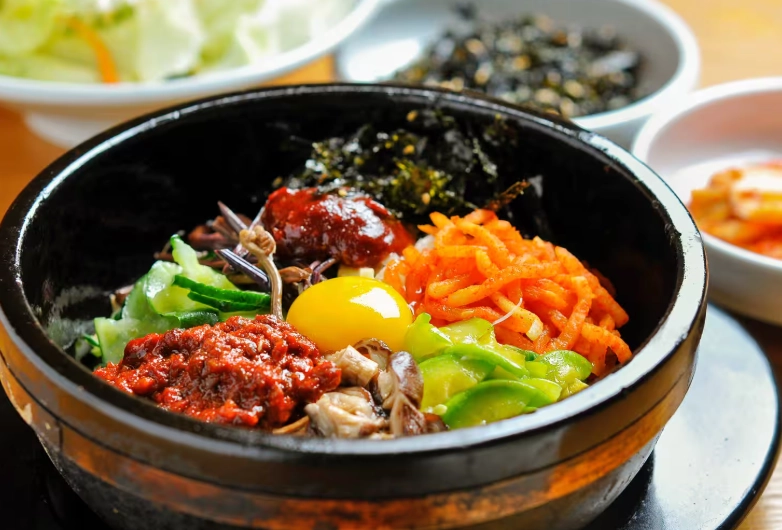
A restaurant's quality is often judged by the variety and freshness of its banchan, which are almost always free and refillable. At home, a well-stocked fridge has several types of banchan ready to go, making putting a meal together surprisingly fast.
Beyond Bibimbap: A Tour of Classic Korean Meal Sets
Okay, let's get specific. What does this structure look like in practice? Here are some classic configurations you'll encounter, from the everyday to the celebratory.
The Everyday Home Meal
Think of a Tuesday night. There's a pot of rice. A simple, clear soup maybe with seaweed (miyeok-guk) or soybean paste soup (doenjang-guk). One main dish like pan-fried yellow croaker or a bowl of leftover braised beef (galbi-jjim). And three or four banchan from the fridge: kimchi, some seasoned cucumbers, maybe that spinach. It's wholesome, balanced, and relatively quick. This is the soul food of Korea.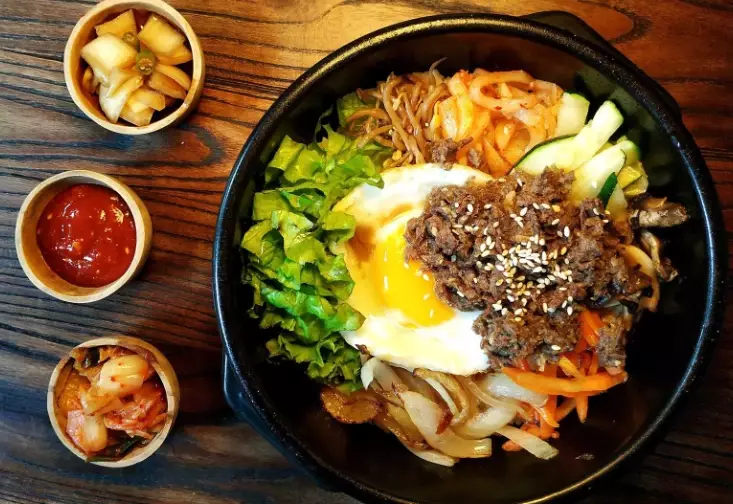
The Royal Treatment: Hanjeongsik
This is the full, traditional multi-course meal. It can be intimidating in its scope. You start with cold appetizers and porridge, then move through soups, grilled dishes, steamed dishes, hot pots, and finally rice and dessert. Dozens of banchan are presented in individual portions or for sharing. It's less a meal and more a culinary journey. You can experience this in specialized restaurants, and while it's expensive, it's the best way to understand the historical depth of Korean royal cuisine. For a detailed look at its history and structure, the Korea Tourism Organization has some great resources on traditional food culture.
The One-Bowl Wonders (That Aren't Really One-Bowl)
Dishes like bibimbap (mixed rice with vegetables and egg) or naengmyeon (cold buckwheat noodles) are often seen as complete meals. And they are. But even these are often served with a side soup (like a small bowl of beef broth for bibimbap) and a few banchan, like extra kimchi or radish water kimchi (dongchimi). The meal mentality is hard to escape, and that's a good thing.
Let's break down some of the absolute must-try dishes that form the backbone of Korean meals. I'm not just listing them; I'm telling you what to expect, the good and the occasionally challenging.
| Category | Dish Name | What It Is | Key Flavor Profile | Good for Beginners? |
|---|---|---|---|---|
| The Essential | Kimchi (Various) | Fermented vegetables, usually napa cabbage or radish, with chili, garlic, ginger. | Tangy, spicy, umami, crunchy. | Yes, but start with mild cabbage kimchi. |
| Soup/Stew | Doenjang Jjigae | Stew made with fermented soybean paste, tofu, veggies, sometimes seafood or meat. | Deep, savory, earthy, umami-bomb. | Absolutely. The ultimate comfort food. |
| Soup/Stew | Kimchi Jjigae | Stew with aged kimchi, pork, tofu, and broth. | Spicy, tangy, rich, deeply satisfying. | If you like spice, yes. It's a classic. |
| Grilled | Samgyeopsal | Unseasoned, thick-cut pork belly, grilled at the table. | Salty, fatty, meaty (flavor from dipping sauces and ssam). | Very much so. Interactive and fun. |
| Braised | Galbi Jjim | Beef short ribs braised until fall-apart tender in a sweet-soy sauce. | Sweet, savory, salty, with a touch of nuttiness. | 100%. A crowd-pleaser. |
| Cold | Naengmyeon | Chewy buckwheat noodles in a cold, tangy broth (or spicy sauce). | Refreshing, tangy, slightly sweet, chewy. | The texture can be surprising, but flavor is mild. |
| Street Food | Tteokbokki | Chewy rice cakes in a sweet, spicy, sticky gochujang sauce. | Sweet, spicy, chewy, addictive. | Yes, but watch the spice level. |
That table just scratches the surface. There's sundubu-jjigae (soft tofu stew), bossam (boiled pork wraps), japchae (glass noodle stir-fry)... the list goes on. Each region has its specialties too. Jeju Island is famous for black pork and seafood, while Jeonju is the birthplace of bibimbap and has incredible fermented foods.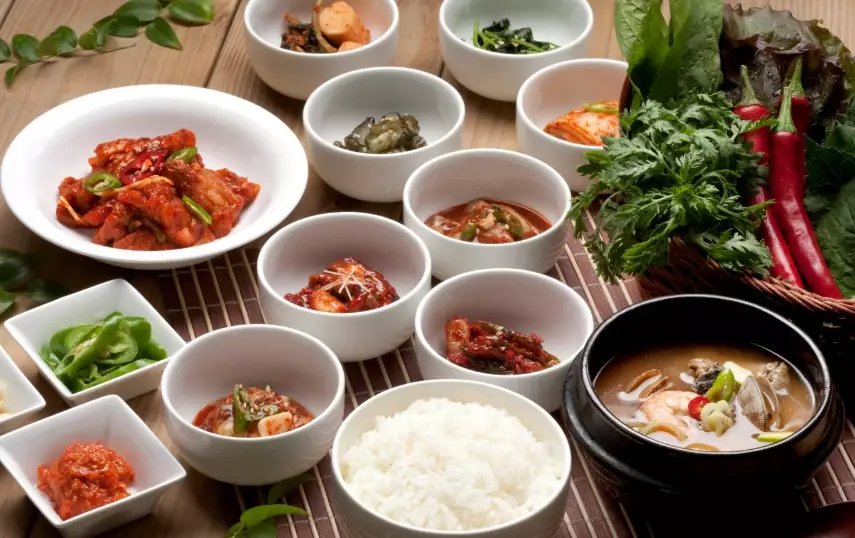
How to Eat It: The Unwritten Rules of a Korean Table
This is where people get nervous. Relax. Koreans are generally thrilled when foreigners try their food and are very forgiving. But knowing a few basics will make your experience smoother and show respect.
First, rice and soup bowls. It's considered proper to lift your rice bowl and soup bowl close to your mouth when eating, especially for older generations. It's just more practical. Use your spoon for rice and soup, and chopsticks for everything else. Don't stick your chopsticks upright in your rice—it resembles a funeral rite.
Sharing is everything. Most central dishes are meant to be shared from the middle. Use the serving spoons provided, not your personal ones. And pace yourself. With so many components, the joy is in trying a little of everything in different combinations.
What about drinking? If someone older pours you a drink (like soju or beer), receive it with two hands. Turn your head slightly away when you take a sip. It's a small gesture that goes a long way. The Korean government's official portal, Korea.net, often features articles on etiquette and culture that can provide more context.
Cooking Korean Meals at Home: It's Easier Than You Think
I hear this all the time: "I love Korean food, but I could never make it at home." I thought the same. The ingredient list looked alien. But you don't need to make 12 banchan from scratch to have a legitimate Korean meal at home. Start simple.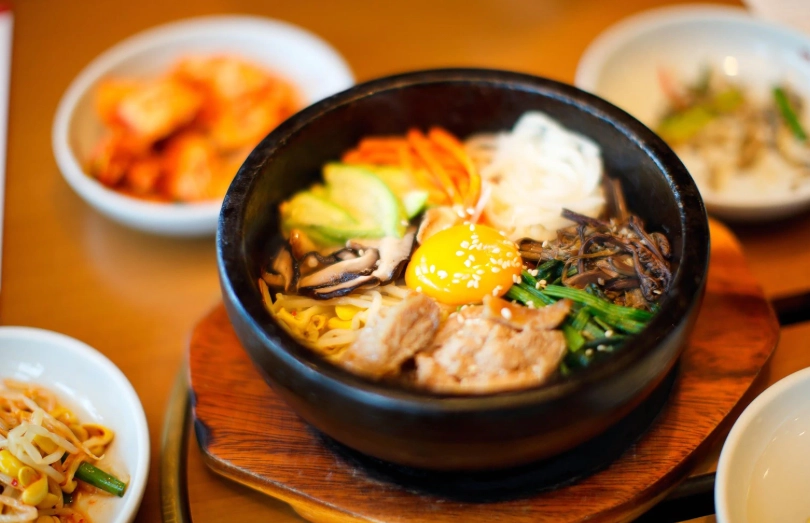
The pantry staples are key: gochujang (fermented red chili paste), doenjang (fermented soybean paste), ganjang (soy sauce for soup/stew), sesame oil, and gochugaru (Korean chili flakes). With these, you can make a huge variety of dishes. You can buy decent kimchi at most Asian supermarkets or even some mainstream grocery stores now.
Start with one-pot dishes. Doenjang jjigae is incredibly forgiving. Sauté some onion, zucchini, and tofu, add water and a big spoonful of doenjang, simmer. Add some clams or shrimp if you like. Done. Serve with rice and store-bought kimchi. That's a complete, authentic Korean meal you made in 30 minutes.
My first from-scratch success was pajeon (scallion pancake). It was a bit soggy in the middle, but dipping it in that soy-vinegar sauce... it felt like a victory. Don't be afraid to fail. The flavors are bold and usually cover a multitude of cooking sins.
A Simple Weeknight Korean Meal Plan
- Main: Doenjang Jjigae (Soybean Paste Stew) with tofu and zucchini.
- Rice: Plain short-grain white rice.
- Banchan 1: Store-bought cabbage kimchi.
- Banchan 2: Quick spinach side (blanch spinach, squeeze dry, mix with a tiny bit of soy sauce, garlic, and sesame oil).
- Banchan 3: Cubes of seasoned roasted seaweed (gim) or even just some sliced cucumbers.
See? Not scary at all. That's a balanced, satisfying meal.
The Health Angle (Without the Hype)
Korean food often gets labeled as "healthy" because it's vegetable-forward and fermented. There's truth to that. The plethora of banchan means you're naturally eating a wide variety of vegetables. Fermented foods like kimchi and doenjang are great for gut health due to their probiotics.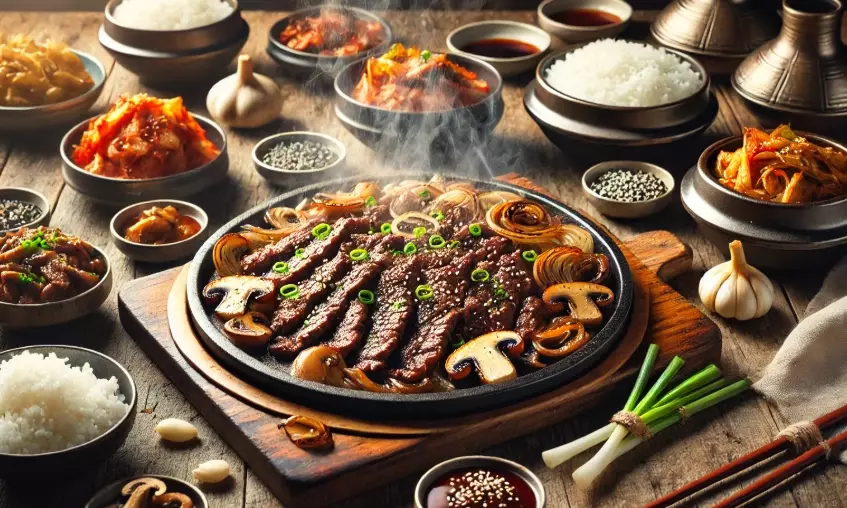
But let's be real. It's not all kale and quinoa. There's a fair amount of salt (from soy sauce, fermented pastes, and kimchi) and sugar (in marinades and sauces). The balance comes from the overall dietary pattern—lots of veggies, fermented elements, lean proteins like fish and tofu, and soups that fill you up. It's about the whole picture, not any single dish. The Korean Ministry of Food and Drug Safety provides dietary guidelines that emphasize this balance of diverse food groups, which you can sometimes find summarized on related .go.kr websites.
Personally, I feel better after a Korean meal of rice, soup, and banchan than after a heavy pasta dish or a giant burger. It's filling without being overly heavy. But that kimchi-jjigae salt bloat is real the next morning if you overdo it. Everything in moderation.
Answers to Questions You're Probably Asking
Let's get to some specific stuff people wonder about but don't always ask out loud.
Is every Korean meal spicy?
No! This is the biggest misconception. While gochujang and kimchi are staples, many classic dishes have no heat at all. Doenjang jjigae (soybean paste stew), galbi jjim (braised short ribs), samgyeopsal (plain grilled pork), miyeok-guk (seaweed soup), and countless banchan are mild. The spice is adjustable and often served on the side.
I'm vegetarian/vegan. Can I eat Korean food?
It's challenging but not impossible. Traditional Korean cooking uses a lot of seafood-based broths (myeolchi, dried anchovies) and fish sauce even in vegetable dishes. However, the Buddhist temple cuisine tradition is strictly vegan and is an art form in itself. In restaurants, you must ask specifically. At home, you can easily make vegan versions of many stews by using vegetable broth and skipping fish sauce. Dishes like bibimbap (without egg and meat) or pajeon can be great options.
What's the deal with all the side dishes? Do I have to eat them all?
No pressure to finish every last bite of every banchan. They're there to complement your meal, to be picked at and combined with your rice. It's about variety, not volume. In restaurants, they're often refillable, so you can just ask for more of the one you really love.
What should I order for my first time at a Korean restaurant?
Go with a group if you can. Order a BBQ like samgyeopsal or galbi (marinated short ribs) for the interactive fun. Get a stew like doenjang jjigae or kimchi jjigae to share. That, plus the rice and banchan that come automatically, will give you the full, communal experience. For a solo diner, bibimbap or a set meal (jeongsik) is a safe and complete bet.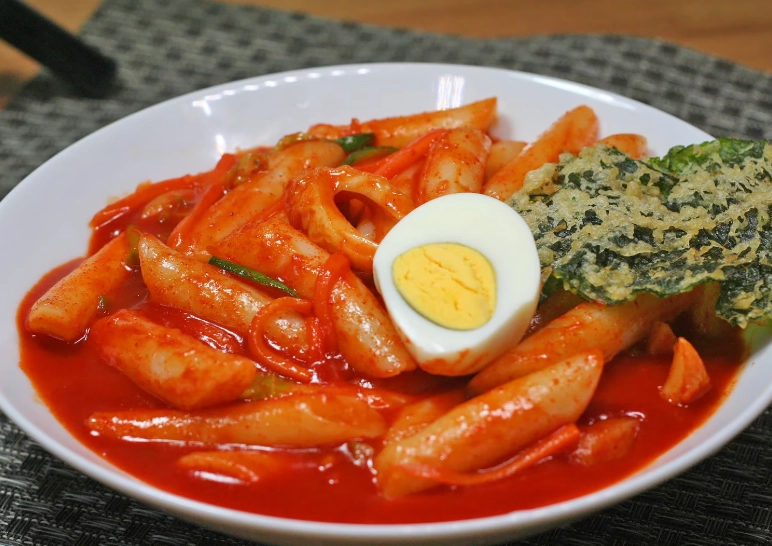
So there you have it. Korean meals are a world unto themselves. They can be humble or extravagant, blisteringly spicy or soothingly mild. But they are always about balance, community, and an explosion of flavor in every single bite. It's not just food; it's a way of eating that engages all your senses.
Now, if you'll excuse me, all this writing has made me crave some doenjang jjigae. Time to see what banchan are left in my fridge.