In This Guide
Let's be honest, when you think of Thailand, you picture those incredible, glittering temples. I did too. But after spending months traveling from the north to the south, visiting everything from the grand royal wats in Bangkok to crumbling ruins in ancient cities, I realized something. A Thailand temple isn't just a photo stop. It's a living, breathing heart of the community. It's where faith, history, art, and daily life smash together in the most beautiful way. Sometimes it's quiet and profound. Other times, it's surprisingly lively, with locals chatting, kids running around, and monks going about their day.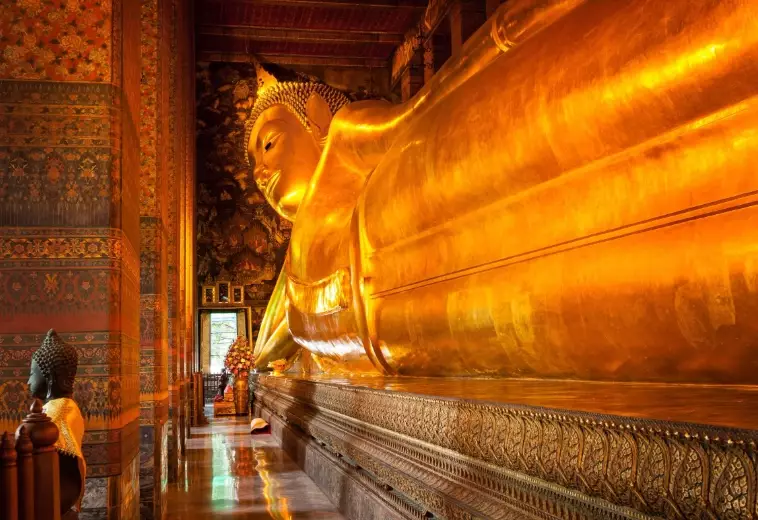
This guide isn't about giving you a dry list. It's about helping you understand what you're actually seeing and experiencing. Because knowing why that architecture is so intricate, or how to behave respectfully, turns a quick visit into a memory that sticks with you. We'll talk about the must-sees, sure. But we'll also get into the hidden gems, the common mistakes tourists make (I've made a few!), and how to navigate these sacred spaces like you know what you're doing.
What Makes a Thailand Temple Tick?
You can't just walk in, snap a pic, and walk out. Well, you can, but you'll miss everything. Thai temple architecture is a language. The tall, pointy spire? That's a chedi (or stupa), and it usually holds holy relics. The main prayer hall is the bot or viharn. The bot is the most sacred, often marked by eight boundary stones. Then you have the prang, a tower-like spire you see a lot in Ayutthaya, influenced by Khmer style.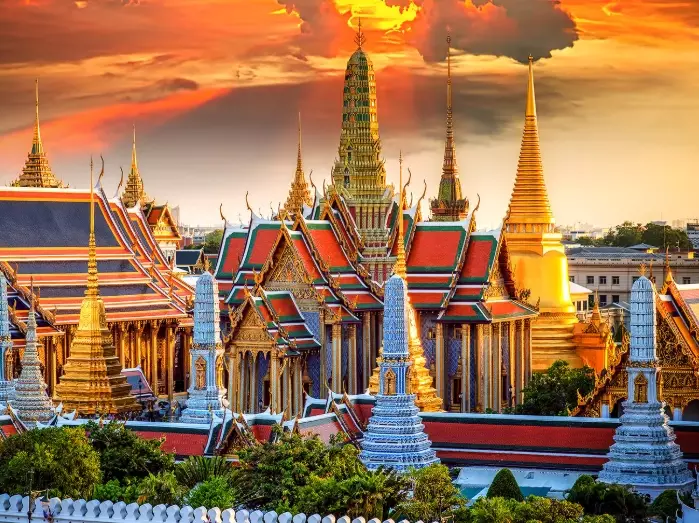
The colors and decorations aren't random either. Gold represents the Buddha's enlightenment. Mosaics made from colored glass and porcelain? They shimmer in the sun for a reason – to symbolize the divine light of wisdom. Those demon giants (Yakshas) guarding the gates? They're not just scary statues; they're protectors, warding off evil spirits. When you start to notice these elements, every Thailand temple visit becomes a treasure hunt.
I remember sitting in a quiet corner of Wat Pho, away from the crowds around the Reclining Buddha, just looking up at the roof lines. The sheer amount of craftsmanship in every single naga (serpent) ridge and lotus-bud finial is staggering. It's easy to get overwhelmed by the scale, but the magic is often in the tiny, perfect details.
The Unwritten Rules: Temple Etiquette 101
This is where most guides just say "dress modestly" and move on. Let's get real about what that means, because I've seen people turned away at the gate of Wat Phra Kaew looking very confused.
Footwear is a big one. You must remove your shoes before entering any building where there is a Buddha image, especially the main bot or viharn. Sometimes you'll see a pile of shoes outside. It's not always super organized, so wear shoes that are easy to slip on and off. And please, don't step on the threshold. Step over it. It's a small sign of respect.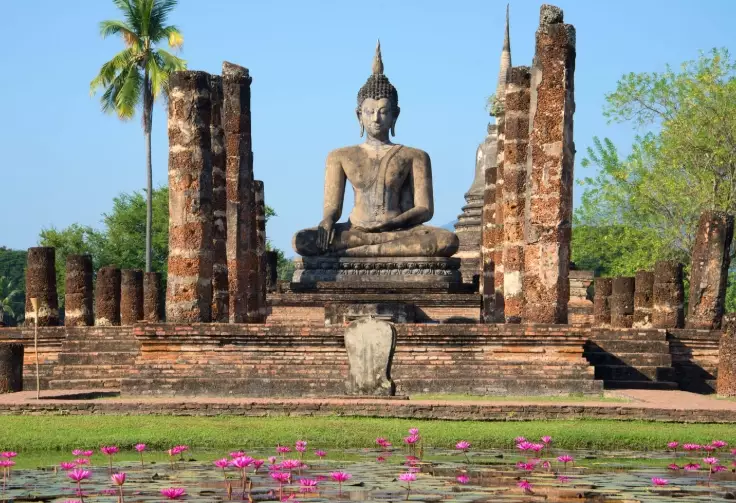
Now, interacting with monks. In Thai Buddhist tradition, women should not touch monks or hand objects directly to them. If you need to offer something (like food during a morning alms round), place it in the monk's bowl or on a cloth he lays out. Men have more leeway. It's also considered rude to point your feet at a Buddha image or a monk. Sitting with your feet tucked behind you is the polite way.
Photography is generally allowed in courtyards, but always check for signs inside buildings. Never climb on a Buddha statue or a chedi for a photo. Just don't. I've seen it happen, and it's incredibly disrespectful. Speaking of photos, turn off your flash inside dim halls. It's disruptive and can damage ancient artworks.
The Crown Jewels: Thailand's Must-See Temples
Okay, let's talk about the famous ones. You'll probably have these on your list. But what makes each one special?
Wat Phra Kaew & The Grand Palace, Bangkok
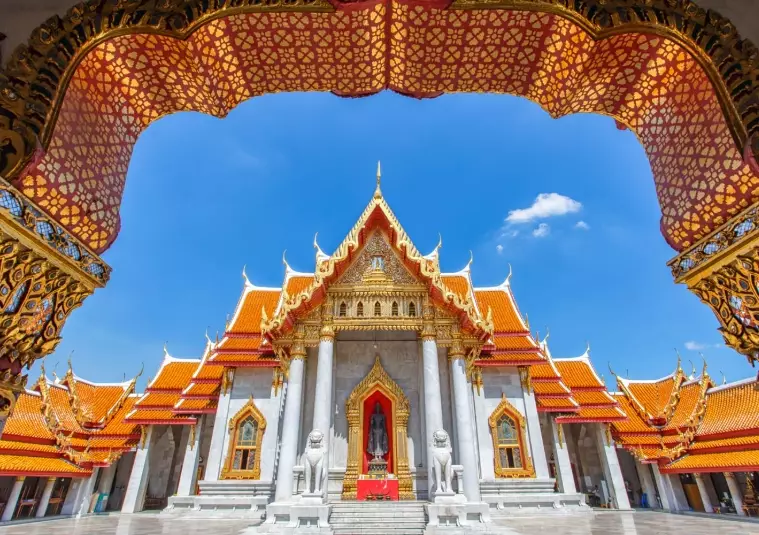
This is the big one. The Temple of the Emerald Buddha is the most sacred Buddhist temple in Thailand. It's on every tourist's radar for a reason. The Emerald Buddha itself is small, carved from a single block of jade, but its cultural significance is massive. The King himself changes its seasonal robes three times a year. The surrounding complex is a dizzying display of Thai artistry. Every surface seems to be covered in gold leaf, mirrored mosaics, and intricate murals.
My take? It's breathtaking, but it's also the most crowded and touristy Thailand temple experience you'll have. Go as early as humanly possible. The dress code is strictly enforced here more than anywhere else. It feels more like a museum-palace than a quiet place of worship, but its historical and artistic value is undeniable. You can learn more about its official status and visiting hours on the Grand Palace official website.
Wat Arun (Temple of Dawn), Bangkok
Across the river from Wat Pho, Wat Arun is iconic for its massive, central prang (tower) encrusted with colorful Chinese porcelain. It's stunning, especially at sunset when it glows against the sky (despite its name, sunset is actually the prime time). You can climb the central prang, but be warned – the steps are incredibly steep. I mean, almost vertical. It's not for the faint of heart or anyone with mobility issues.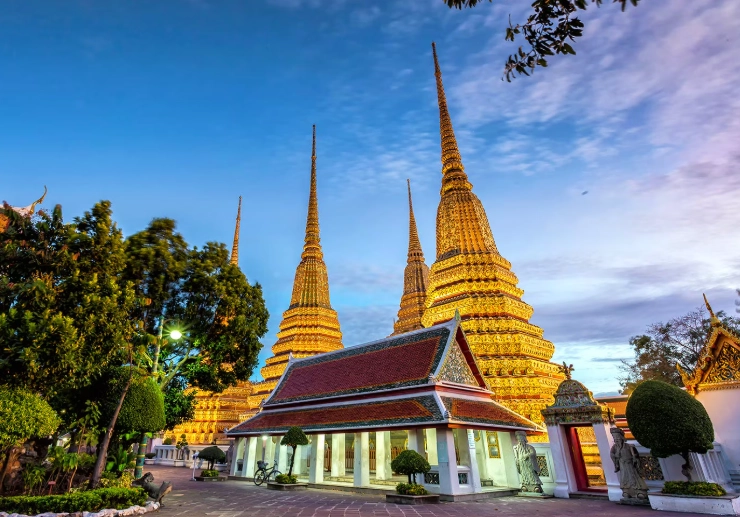
The view from the top over the Chao Phraya River is worth the climb, though. It's less of a functional temple for worship and more of a monumental landmark. Compared to the glittering gold of Wat Phra Kaew, Wat Arun has a more rugged, majestic beauty.
Wat Pho (Temple of the Reclining Buddha), Bangkok
This might be my favorite of the big three in Bangkok. Yes, it houses the enormous, 46-meter long Reclining Buddha, which is absolutely mind-blowing to see in person. But Wat Pho is so much more than that one statue. It's Thailand's first public university and the national headquarters for the teaching and preservation of traditional Thai medicine, especially massage.
The grounds are huge and feel more relaxed than the Grand Palace. You can wander among hundreds of Buddha images, beautifully decorated chedis, and quiet courtyards. You can even get an authentic, reasonably priced Thai massage at the traditional medicine school on-site. It's a full cultural experience. For detailed historical context, the Fine Arts Department of Thailand often features scholarly articles on sites like Wat Pho.
Beyond Bangkok: Regional Temple Styles
Thailand isn't a monolith, and neither are its temples. The architecture and atmosphere change dramatically as you move around the country.
In the north (Chiang Mai, Chiang Rai), you'll find the Lanna style. Think sweeping, multi-tiered roofs with elaborate bargeboards that look like they're reaching for the sky. They often feel more wooden and intimate. Wat Phra Singh in Chiang Mai is a classic example – elegant and serene.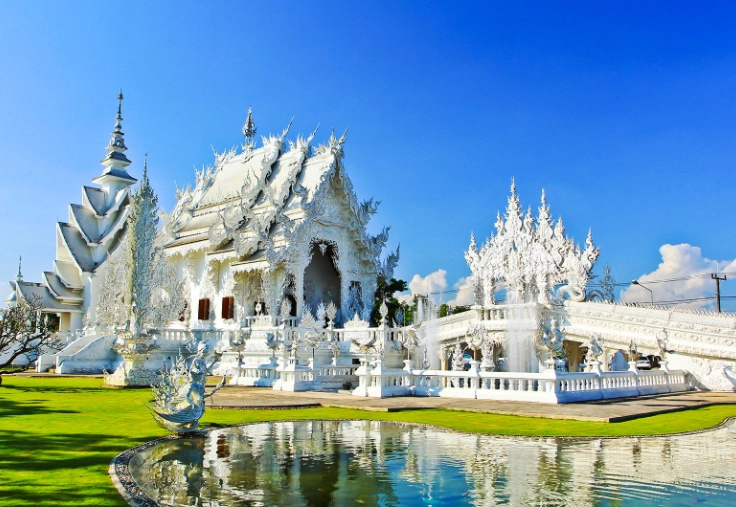
Then there's Chiang Rai's Wat Rong Khun, the White Temple. This is a modern, unconventional art exhibit built by a Thai artist. It's dazzling white and mirrored, depicting Buddhist themes through contemporary imagery (you might see superheroes or spacecraft in the murals!). It's not a historic temple, but it's a fascinating, provocative interpretation of Buddhist art. Some love it, some think it's too gimmicky. I found it completely unique and worth seeing, as long as you know it's not traditional.
The northeast (Isan) region shows heavy Khmer influence, similar to what you'd see in Cambodia. Think the ruins of Phimai Historical Park or Phanom Rung. These are ancient Hindu-turned-Buddhist temple complexes built of laterite and sandstone, with imposing stone towers and intricate lintels. They have a powerful, ancient feel completely different from the glittering wats of Bangkok.
The central plains are home to the ruins of Ayutthaya and Sukhothai, both UNESCO World Heritage Sites. These are the remains of ancient capitals. The temples here are mostly brick and stucco ruins, often headless Buddha statues wrapped in tree roots. They're hauntingly beautiful and offer a powerful sense of history. Exploring Sukhothai Historical Park by bicycle at dawn is an unforgettable experience. You can verify their UNESCO status and significance on the UNESCO page for Historic City of Ayutthaya.
Planning Your Temple Visits: A Practical Table
To help you plan, here's a quick comparison of some key temples. This isn't about ranking them best to worst, but about matching them to what you're looking for.
| Temple & Location | Key Feature / Vibe | Best For | Consideration / Tip |
|---|---|---|---|
| Wat Phra Kaew (Bangkok) |
Ultimate royal & sacred art; the Emerald Buddha; incredibly ornate. | First-time visitors, history & art lovers. The definitive Thailand temple experience. | Most crowded. Strictest dress code. Arrive at 8:30 AM. Allocate 2-3 hours. |
| Wat Pho (Bangkok) |
Reclining Buddha; traditional Thai medicine school; spacious grounds. | A more relaxed cultural deep-dive. Combining sightseeing with a Thai massage. | Less hectic than Wat Phra Kaew. Can easily spend half a day exploring. |
| Wat Arun (Bangkok) |
Iconic riverside prang with porcelain; spectacular sunset views. | Iconic photography, sunset views. A different architectural style. | Very steep climb. Best visited late afternoon. Combine with a river ferry ride. |
| Wat Phra Singh (Chiang Mai) |
Classic Lanna architecture; elegant wooden structures; active worship. | Experiencing Northern Thai temple style in a working, serene environment. | Located in the Old City. Often has local festivals. Feels authentic. |
| Wat Rong Khun (White Temple) (Chiang Rai) |
Modern, avant-garde artistic interpretation; all-white & mirrored. | Those interested in contemporary art and unconventional design. A unique photo op. | Not a historical temple. Can be very crowded. Understand it's an art project. |
| Ayutthaya Ruins (Ayutthaya) |
Atmospheric brick ruins; headless Buddhas; historical park setting. | History buffs, photographers looking for haunting, iconic shots. | Hot and exposed. Rent a bike or tuk-tuk. Day trip from Bangkok. |
Answers to Questions You Might Be Too Shy to Ask
So pack your long pants, bring your curiosity, and leave your hurry at the hotel. Take your shoes off, sit down for a minute, and just absorb the atmosphere. That's when a visit to a Thailand temple stops being just sightseeing and starts to mean something.