Quick Guide
- Why Are Guinea pigs a Traditional Food in Peru?
- The Most Common Cuy Dishes You Need to Know
- Nutritional Value: Is Cuy Healthy?
- A Practical Guide: Where to Eat Cuy in Peru and How to Order
- What Does Guinea Pig Actually Taste Like?
- Farming and Sustainability: The Modern Cuy Industry
- Can You Cook Cuy at Home? (A Basic Recipe)
- Common Questions and Concerns (FAQ)
Let's be honest, the idea of eating a guinea pig can be pretty shocking at first. If you're like me, your first thought probably goes to the cute little pet rodents kids have in cages. But in Peru, it's a completely different story. We're talking about a culinary tradition that goes back thousands of years, long before the Spanish ever showed up. When you search for "guinea pigs peru food," you're diving into one of the most unique and deeply rooted aspects of Andean culture. It's not just food; it's history on a plate.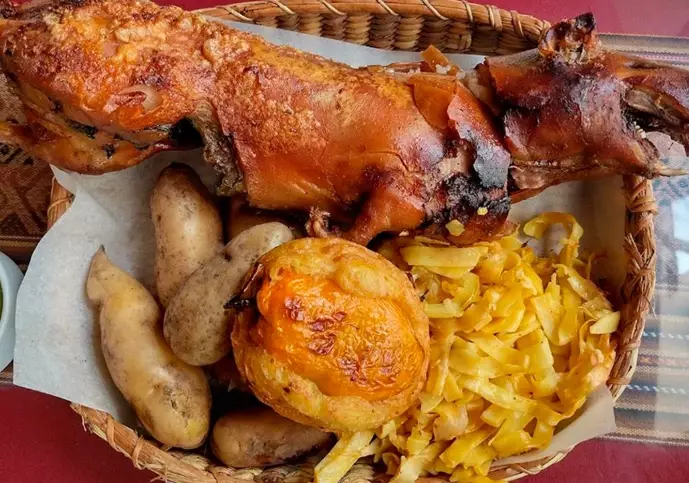
I remember my first time trying cuy in Cusco. The presentation alone was something else – the whole animal, roasted and crispy, staring right back at you. It felt a bit surreal. But after that first hesitant bite, I started to get it. There's a reason this has been a staple for centuries. This guide isn't just about listing dishes; I want to walk you through the whole experience – the why, the how, the where, and the what-it's-really-like. We'll cover everything from the cultural weight it carries to the practical tips for ordering it without feeling completely lost.
Key Takeaway: In Peru, guinea pigs are known as "cuy" (pronounced "kwee"). They are not pets but a traditional source of lean protein, celebrated in festivals and daily life, especially in the Andean highlands. Understanding this context is the first step to appreciating it as food.
Why Are Guinea pigs a Traditional Food in Peru?
It's the first question everyone has. Why this animal? The answer is a mix of practicality, environment, and ancient wisdom. The Andes Mountains aren't exactly ideal for raising large livestock like cows in massive numbers. The terrain is rugged, the altitudes are high. Cuy, on the other hand, are perfectly adapted. They're small, efficient to raise, and reproduce quickly. Families could (and still do) keep them in simple pens or even in their kitchens. They eat kitchen scraps and require minimal space. From a survival perspective, it's a brilliant solution.
But it goes deeper than just convenience. Archaeologists have found evidence of cuy domestication in Peru dating back over 5,000 years. Moche and Inca pottery often depicts cuy, showing they were important in rituals and medicine as well. The animal was (and is) believed to have healing properties. There's even a traditional practice where a live cuy is rubbed over a sick person's body to diagnose illness – it's thought the animal absorbs the negative energy. So when you eat cuy, you're not just having a meal; you're touching a thread that connects to pre-Columbian civilizations. The Peruvian Ministry of Tourism often highlights cuy as a key part of the country's intangible cultural heritage, which tells you how seriously it's taken.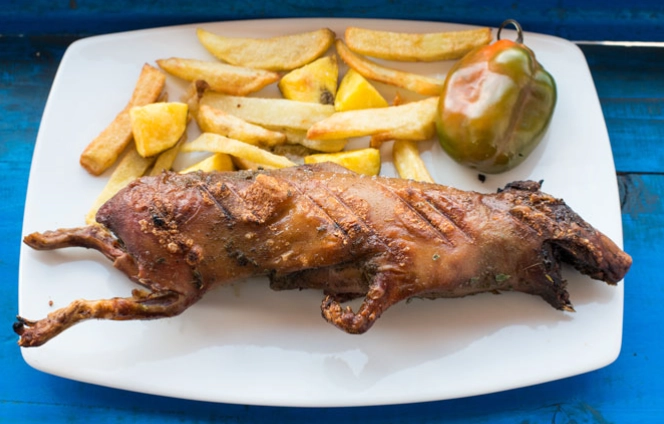
It's a big deal.
Today, while you can find beef and chicken everywhere, cuy remains a special occasion food for many Peruvians. It's the centerpiece at birthdays, weddings, graduations, and religious festivals like Christmas and Candlemas. Serving cuy is a sign of honor and respect for your guests. The connection between guinea pigs, Peru, and food is unbreakable.
The Most Common Cuy Dishes You Need to Know
Okay, so what does guinea pig peru food actually look like on the menu? It's not just one thing. The preparation varies wildly by region, and each method brings out different flavors and textures. Here’s a breakdown of the classics.
Cuy al Horno (Baked Guinea Pig)
This is probably the most iconic presentation, especially around Cusco. The whole cuy is marinated in a blend of Andean herbs like huacatay (black mint), garlic, cumin, and peppers. Then it's baked or roasted in a wood-fired oven or over coals until the skin is incredibly crispy – think the crackling of the best pork roast you've ever had, but more delicate. It's often served with baked potatoes, corn, and a simple salad. The visual is striking (head, feet, and all), but the flavor is what wins people over: savory, herbal, and deeply satisfying.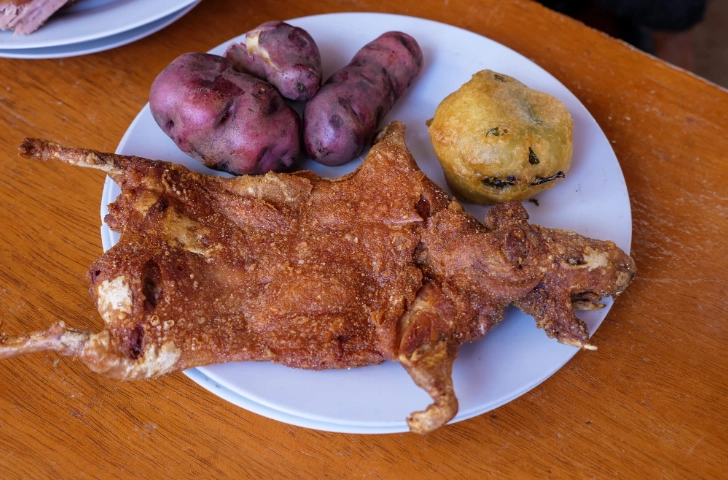
Cuy Chactado (Fried Guinea Pig)
Hailing from Arequipa and other southern regions, this is the comfort food version. The cuy is flattened (chactado means "pressed" or "smashed") and then deep-fried under a heavy stone or press. The result? Unbelievably crispy on the outside, almost like a potato chip, and tender inside. It's heavier than the baked version, for sure, but it's a textural masterpiece. It's typically served with corn, potatoes, and a rocoto pepper sauce that cuts through the richness.
Cuy al Palo (Spit-Roasted Guinea Pig)
Common in the Mantaro Valley near Huancayo, this method involves skewering the cuy on a stick and roasting it slowly over an open fire, much like a rotisserie chicken. The constant rotation bastes the meat in its own juices, making it incredibly moist. The flavor gets a wonderful smoky note from the fire. You'll often see these lined up at street fairs and festivals, turning slowly and glistening.
Beyond these big three, you might find cuy en pepián (in a rich, spicy peanut and pepper stew) or even cuy burgers in more modern, fusion restaurants in Lima trying to reinvent tradition for a new audience. The versatility is surprising.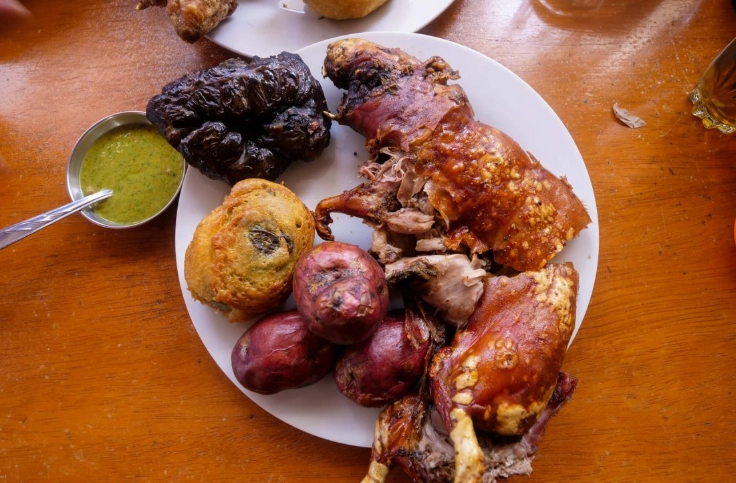
| Dish Name | Key Region | Cooking Method | Texture & Flavor Profile | Best For First-Timers? |
|---|---|---|---|---|
| Cuy al Horno | Cusco, Sacred Valley | Baked/Roasted | Crispy skin, tender meat, herbal notes | Yes – the most classic and widely accepted introduction. |
| Cuy Chactado | Arequipa | Pressed & Deep-Fried | Extremely crispy, rich, slightly heavier | If you love fried food and great texture. |
| Cuy al Palo | Huancayo, Mantaro Valley | Spit-Roasted over Fire | Smoky, juicy, slightly charred edges | Great for a rustic, festival-like experience. |
| Cuy en Pepián | Various (fusion/modern) | Stewed in Sauce | Tender meat in a thick, nutty, spicy sauce | Good if the whole-animal presentation is too much. |
Nutritional Value: Is Cuy Healthy?
This is a question that doesn't get asked enough in the whole guinea pigs peru food discussion. We get caught up in the novelty and forget to look at the facts. And the facts are pretty compelling. Cuy meat is surprisingly lean and nutritious.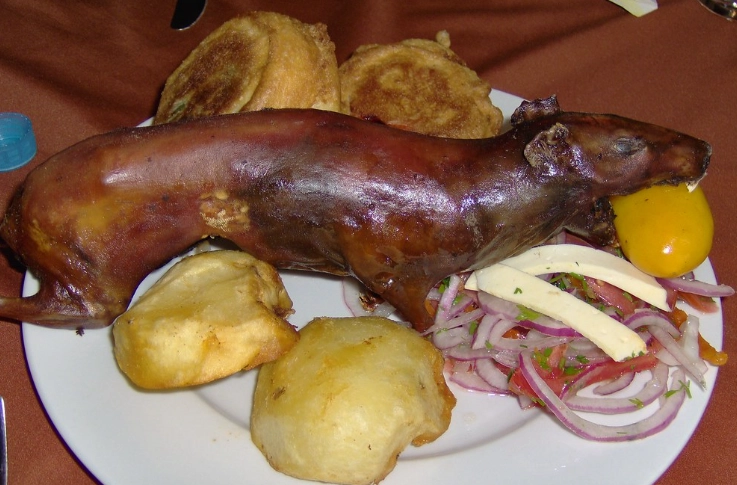
Think about it. These animals are active, forage-based, and free from the intensive farming practices of some industrial meats. The meat is high in protein and remarkably low in fat and cholesterol compared to beef, pork, or even chicken. It's a great source of essential amino acids. According to studies cited by organizations like the Food and Agriculture Organization (FAO), cuy meat has a high protein-to-fat ratio, making it an excellent dietary choice. In the high-altitude Andes, where energy and nutrition are crucial, this made (and makes) perfect sense.
Myth Buster: No, cuy meat is not "greasy" or "fatty" by nature. When prepared traditionally (roasted or baked), most of the fat renders out, leaving crispy skin and lean meat. The unhealthy reputation some imagine comes from the frying method (chactado), but even then, it's not inherently worse than other fried proteins.
Many Peruvians also believe the meat has medicinal qualities, helping with ailments like arthritis or respiratory issues. While I wouldn't swap it for prescribed medicine, it speaks to the deep-rooted belief in food as medicine in Andean culture. So, if you're curious about guinea pigs as food in Peru from a health perspective, you can feel pretty good about it. It's a clean, lean protein.
A Practical Guide: Where to Eat Cuy in Peru and How to Order
You're convinced you want to try it. Great. Now, where do you go? And how do you navigate the experience without feeling awkward?
Where to Find the Best Cuy:
- The Andean Highlands are King: Don't expect the most authentic experience in coastal Lima (though you can find it). Head to Cusco, Arequipa, Huancayo, or the Sacred Valley towns like Pisac or Ollantaytambo. The closer you are to the source, the better.
- Picanterías and Chicharronerías: Look for these traditional, often family-run restaurants. They specialize in hearty, regional food. A picantería in Arequipa is a sure bet for amazing cuy chactado.
- Local Markets and Festivals: For the most rustic, no-frills experience, find a food stall in a mercado (like San Pedro in Cusco) or during a town festival. It's cheap, quick, and real.
- Upscale Restaurants in Lima: Chefs like Gastón Acurio have put cuy on their menus, offering refined, deconstructed versions. It's a different, more artistic take, but it comes with a much higher price tag. Restaurants certified by APCH (Peruvian Association of Gastronomy) often have high standards for their traditional dishes.
Heads up: In tourist areas like Cusco's main square, some restaurants cater purely to tourists with pre-cooked, reheated cuy that can be dry and disappointing. Venture a few blocks away, ask locals for recommendations, or look for places bustling with Peruvian families.
How to Order and Eat It:
- It's a Shared Dish: One cuy is usually enough for two people, especially with the sides. Don't order one per person unless you're very hungry.
- Embrace the Tools (or Your Hands): You'll often get just a fork and knife. The bones are small and delicate. It's perfectly acceptable to use your hands to pick up pieces and nibble the meat off. It's part of the fun.
- Start with the Easy Parts: The meatiest parts are the hind legs and the back. The ribs have less meat but are flavorful. Many locals consider the head (especially the cheeks) a delicacy, but that's for the adventurous.
- What About the... Everything Else? You don't have to eat the head, feet, or organs if you don't want to. It's fine to leave them on the plate. No one will judge you.
- Pair it Right: A cold Cusqueña beer or a chicha morada (a sweet, non-alcoholic purple corn drink) are perfect companions. They balance the savory, herby flavors.
What Does Guinea Pig Actually Taste Like?
The million-dollar question. I hate vague answers like "it tastes like chicken," so I won't give you one. It doesn't taste like chicken. Chicken is blander.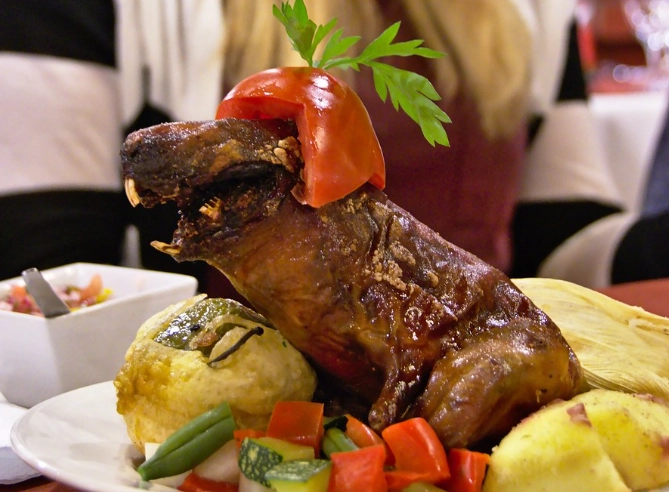
The best description I've come up with is a cross between rabbit and dark meat duck, but leaner. The meat is dark, similar to rabbit or thigh meat from poultry. The flavor is mild but distinct – slightly earthy, slightly sweet, and it absorbs the flavors of the marinade beautifully (that's why the huacatay and garlic are so important). The real star, in preparations like cuy al horno, is the skin. If done right, it's a flavor bomb of savory, salty, herby crispiness that is utterly addictive.
The texture? When roasted, it's tender and can pull easily off the bone. When fried, it's all about that shattering crispness.
Is it gamey? Not really, especially compared to something like goat or certain game birds. The farming and diet keep the flavor clean. If you've ever enjoyed rabbit, you'll have no problem with cuy. The mental hurdle is almost always bigger than the actual taste hurdle.
Farming and Sustainability: The Modern Cuy Industry
It's not all backyard pens anymore. While small-scale family farming is still huge, there is a growing, modernized cuy industry in Peru. The government and NGOs have promoted cuy farming as a sustainable livelihood, especially for women in rural communities. They are efficient to raise, have a small environmental footprint (low methane production, minimal land use), and provide a steady income.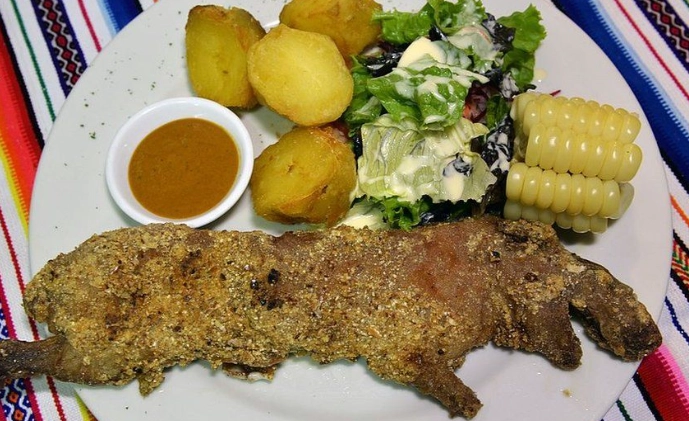
This modern farming aims to improve breed stock, hygiene, and yields while maintaining animal welfare standards. It's a fascinating example of how an ancient food tradition is adapting to the 21st century, providing economic opportunity while preserving culture. When you choose to eat cuy from a reputable source, you're often supporting these small-scale farmers and a more sustainable food model than industrial beef production. That's a pretty good feeling to go with your meal.
Can You Cook Cuy at Home? (A Basic Recipe)
Finding a cuy outside Peru might be a challenge (check specialty Latino markets or farms), but if you're determined to try cooking it, here's a simplified version of cuy al horno. This is for the culinary adventurers.
Simple Cuy al Horno Recipe
(Serves 2-3)
Ingredients: 1 dressed cuy (cleaned and gutted), 4-5 cloves garlic (minced), 1 large bunch huacatay or substitute with a mix of mint and cilantro, 1 tbsp ground cumin, 1 tsp aji panca paste (or smoked paprika), salt and pepper, juice of 1 lime or bitter orange (naranja agria).
Method: Make a deep paste with the garlic, herbs, cumin, aji panca, salt, pepper, and citrus juice. Rub this marinade thoroughly all over the cuy, inside and out. Let it marinate for at least 4 hours, preferably overnight. Preheat your oven to 375°F (190°C). Place the cuy on a rack over a baking sheet. Roast for about 45-60 minutes, basting occasionally with the drippings, until the skin is deep golden brown and very crispy, and the meat is cooked through. Let it rest for 10 minutes before serving with roasted potatoes and corn.
My tip: Don't skip the resting time. It lets the juices redistribute so the meat stays moist.
Common Questions and Concerns (FAQ)
This is a cultural perspective question. In Peru, cuy are livestock, bred for food for millennia, with cultural and spiritual significance. They are not considered pets. From an animal welfare standpoint, the key is how they are raised and slaughtered. Supporting small-scale, traditional farms where animals are treated well is different from supporting poor industrial practices. It's a personal decision, but understanding the cultural context is essential before making a judgment.
Absolutely, when properly cooked. Just like any other meat, ensure it's cooked thoroughly to a safe internal temperature. Reputable restaurants will do this. Avoid street stalls that look unsanitary, as you would with any street food.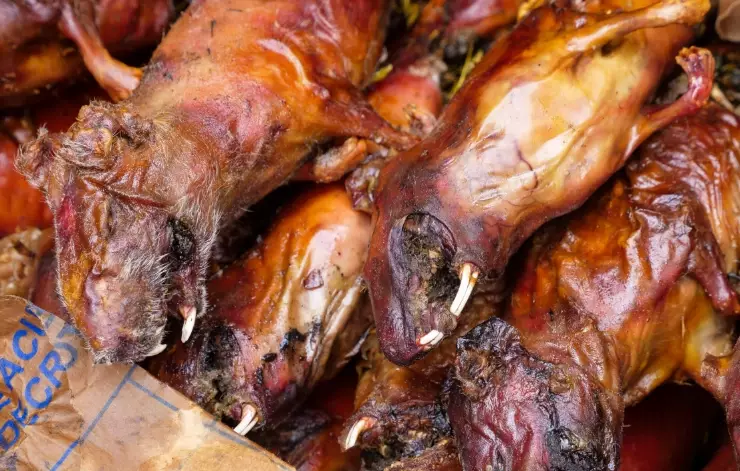
It varies wildly. In a local market, you might pay 25-40 Peruvian Soles (about $7-$11 USD). In a nice Cusco restaurant, expect 50-80 Soles ($14-$22). In a top Lima restaurant, it could be over 100 Soles ($28+). It's generally more expensive than chicken but comparable to other specialty meats.
Then this guide is purely cultural for you! Peru has an incredible array of vegetarian and vegan dishes thanks to its vast biodiversity of potatoes, corn, quinoa, and other vegetables. You won't go hungry.
Two things: First, going in with a "gross-out" challenge mentality. It disrespects the culture. Second, not using their hands and trying to be too dainty. Get in there, enjoy the mess, and experience it fully.
Final Thoughts: More Than Just a Meal
Searching for information on "guinea pigs peru food" leads you down a rabbit hole (or should I say, a cuy hole?) of history, culture, nutrition, and sustainability. It's a topic that challenges our preconceived notions about what is acceptable to eat. In Peru, the answer is clear: cuy is a cherished, delicious, and intelligent part of the culinary landscape.
Trying it isn't just about ticking off an exotic food box. It's an act of cultural immersion. It's accepting an invitation to understand a people and their history a little bit better. You might love it, you might find it just okay, but you certainly won't forget it. The next time you see a guinea pig, you'll have a whole new layer of understanding – not just as a pet, but as a centuries-old symbol of survival, celebration, and culinary ingenuity in the Andes.
So, if you find yourself in Peru, be brave. Look past the initial surprise. Order the cuy al horno. Use your hands. Share it with friends. And taste a piece of living history.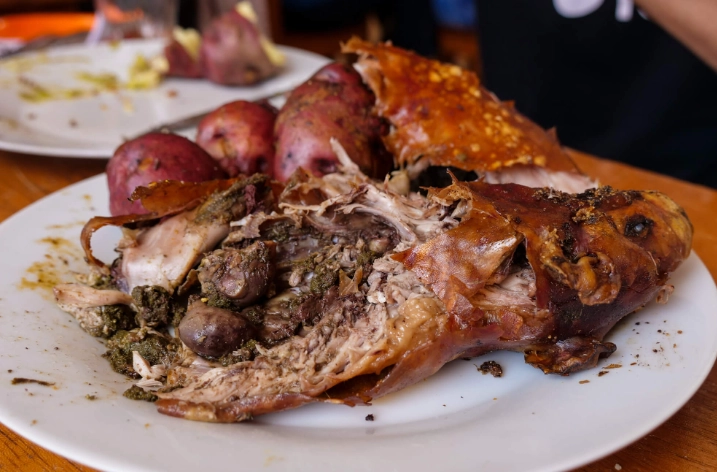
Reader Comments