Quick Guide
- Where It All Begins: The Culture of Merienda
- The Hall of Fame: Classic Pinoy Snacks You Need to Know
- Street Food Snacks: The Heartbeat of Merienda
- Finding Your Fix: Where to Buy Pinoy Snacks Outside the Philippines
- Rolling Up Your Sleeves: Making Pinoy Snacks at Home
- Navigating the Landscape: Health & Dietary Notes
- Your Pinoy Snacks Questions, Answered
Let's be honest, when you think of Filipino food, your mind probably jumps to adobo, sinigang, or lechon first. But for anyone who's spent real time in the Philippines, or grown up in a Filipino household abroad, you know the truth. The real soul of everyday Filipino eating lives in the snacks. The Pinoy snacks.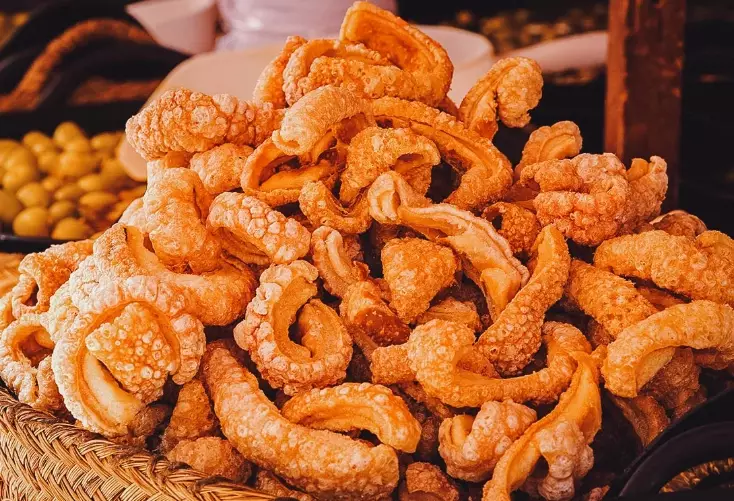
I'm talking about those little packages of joy you grab from the sari-sari store, the warm treats sold on street corners after school, the crunchy, sweet, salty, sometimes bizarrely flavored bites that define merienda time. They're not just food; they're a cultural experience, a burst of nostalgia, and for many of us, a direct line back to childhood.
This isn't just a list. We're going deep. What makes a snack authentically Pinoy? How did these combinations come to be? Where can you find them if you're not in the Philippines? And can you make them at home? We're covering it all.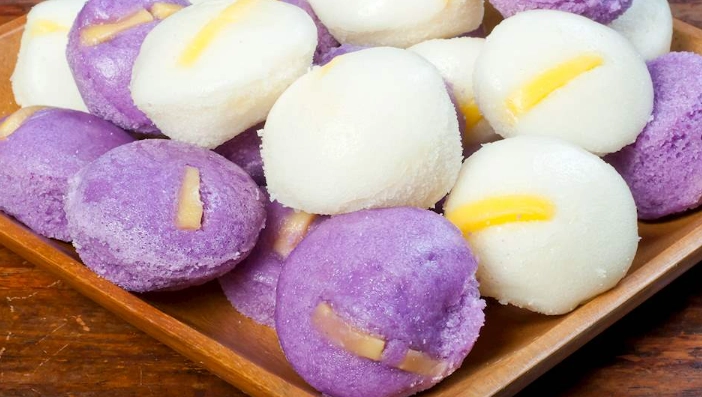
Where It All Begins: The Culture of Merienda
You can't talk about Filipino snacks without understanding "merienda." In many Western cultures, snacks are often guilty pleasures, eaten on the go or in secret. Not so in the Philippines. Merienda is a legitimate, scheduled, and highly anticipated meal between lunch and dinner. Sometimes there's even a second one in the mid-morning.
It's a social event, a break from work, a reason to gather. This cultural habit created the perfect ecosystem for a massive universe of snack foods to thrive. From hearty street food to dainty packaged cakes, there's a merienda for every mood and occasion.
The history of these snacks is a history of the islands themselves. You taste the Malay foundations in the use of rice and coconut. Centuries of Spanish colonization brought baking techniques and a love for sweet, rich pastries. American influence in the 20th century flooded the market with packaged goods and the technology to produce them locally, leading to uniquely Filipino twists on global formats. And through it all, Chinese traders introduced ingredients and techniques that stuck.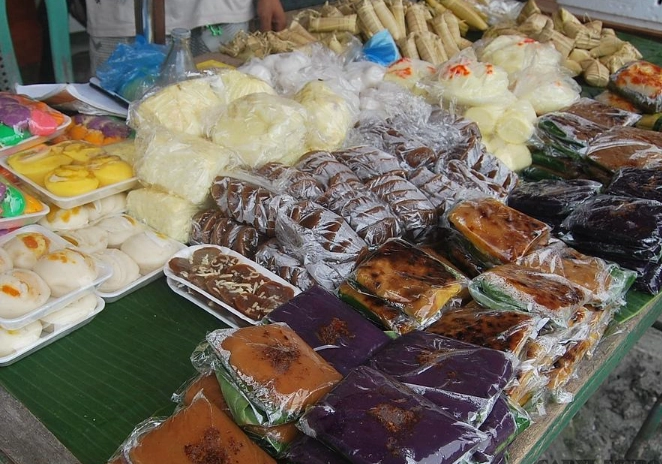
The result? A snack landscape that's completely its own thing.
The Hall of Fame: Classic Pinoy Snacks You Need to Know
Let's break down the heavy hitters, the snacks that define the category. We'll split them up because the range is honestly wild.
The Sweet Tooth Squadron
Filipinos have a legendary sweet tooth, and their snacks proudly reflect it. It's not just about sugar; it's about specific textures and milky, buttery flavors.
Polvoron: This might be the king of powdered snacks. A crumbly, melt-in-your-mouth shortbread made from toasted flour, powdered milk, sugar, and butter, often with pinipig (crispy rice flakes) for texture. It's famously hard to eat without making a mess, which is all part of the fun. Goldilocks and Red Ribbon made these iconic, but every province seems to have its own variant.
Yema: Imagine a super dense, fudgy ball of sweetened condensed milk and egg yolks, cooked down until it's sliceable. That's yema. It's rich, it's sweet, and one is usually enough. You'll find it shaped into balls, pyramids, or spread as a filling in cakes and pastries.
Pastillas Originally from San Miguel, Bulacan, these are milk candies that are impossibly soft and milky. The traditional version uses carabao's milk and is rolled in sugar. The modern, widely packaged version is often made with powdered milk but still captures that creamy, gentle sweetness. They're a common "pasalubong" (souvenir gift).
Bibingka and Puto Bumbong: These are the festive, seasonal heavyweights. Eaten primarily during the Christmas season, bibingka is a rice cake baked in clay pots with banana leaves, topped with cheese, salted egg, and grated coconut. Puto bumbong is a purple steamed rice pastry made from pirurutong rice, served with butter, grated coconut, and muscovado sugar. The smell of these cooking is the smell of Filipino Christmas.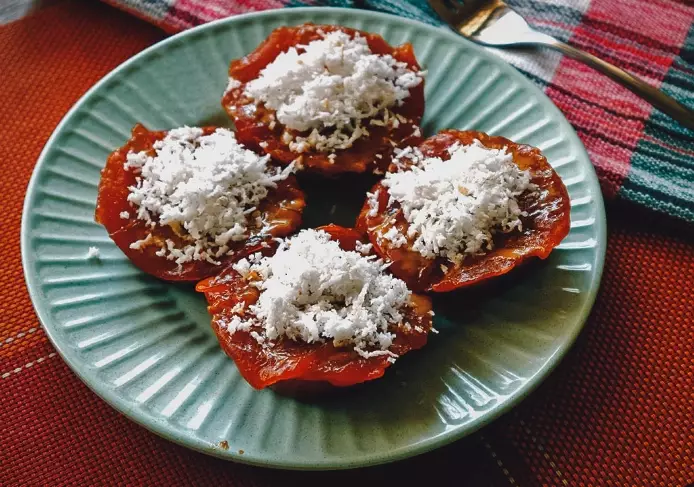
The Salty & Crunchy Crew
Balance is key. For every sweet treat, there's a savory, crunchy counterpart.
Chicharon: This isn't just pork rinds. This is an art form. Perfect Pinoy snacks like chicharon come in levels. You have the classic, puffy, skin-only version. Then you have "chicharon bulaklak," which is made from ruffled pork intestines—crunchy, fatty, and utterly addictive. There's "chicharon bituka" (intestines) and even chicken skin chicharon. The best ones are from local markets, still slightly warm in a paper bag. The bottled, mass-produced ones? A decent substitute, but not the real deal.
Dried Fish (Tuyo, Daing) & Fish Snacks: This is where newcomers often pause. Yes, small dried fish are a common snack, eaten with rice or sometimes just on their own. It's an acquired taste—salty, fishy, pungent. But the processed version, like Oishi's Marty's Cracklin's or Boy Bawang (fried garlic bits with anchovies), is a much more accessible gateway. They're crunchy, savory, and incredibly moreish.
Cornick: Deep-fried corn kernels. Sounds simple, right? But the Filipino version is another beast. It's crunchier, often garlicky or barbecue-flavored, and strangely elegant. Brands like Happy and Piattos (though Piattos are more chip-like) dominate here. It's the perfect beer match.
The Packaged Goods Revolution
This is where modern Filipino ingenuity shines. Taking global snack formats and injecting them with uniquely local flavors.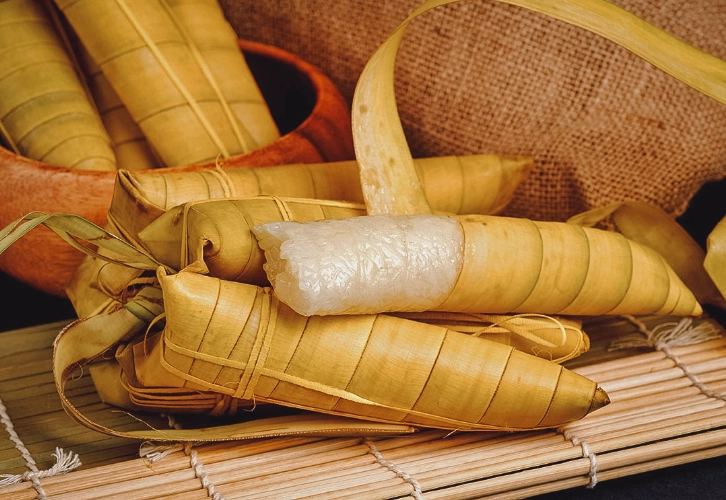
| Snack Name | Description | The "Why It's Pinoy" Factor |
|---|---|---|
| Nova | Multigrain crackers | Not too salty, slightly sweet, perfect with cheese or on its own. The country's default cracker. |
| Clover Chips | Ridged potato chips | The cheese flavor isn't like American cheese powder. It's sweeter, creamier, almost buttery. An institution. |
| Pillows (by Jack 'n Jill) | Pillow-shaped crackers with filling | Yema, ube, chocolate—sweet fillings in a crispy shell. A merienda staple for kids. |
| Rebisco Crackers | Sandwich crackers | Often with peanut butter or hazelnut cream filling. Durable, satisfying, and found everywhere. |
| Chippy | Thin, guitar-shaped corn chips | Barbecue or original flavor. The ultimate cheap, greasy, satisfying crunch. |
What's fascinating is the flavor profile of these packaged Philippines snacks. The barbecue flavor isn't smoky like an American BBQ chip; it's sweeter, with a hint of garlic and onion. The cheese is never sharp cheddar; it's always that sweet, processed, almost milky cheese flavor. It's a distinct taste fingerprint.
Street Food Snacks: The Heartbeat of Merienda
The packaged stuff is great, but the soul of Pinoy snacks is often found sizzling on a street cart.
Fish Balls & Kikiam: The classic after-school, on-a-stick snack. You take a skewer, pick your deep-fried item from the bubbling cauldron of oil (fish balls, squid balls, kikiam—a type of meat roll), then dunk it in a choice of sauces: sweet, spicy, or the iconic sweet and sour sauce with minced garlic. It's cheap, social, and delicious.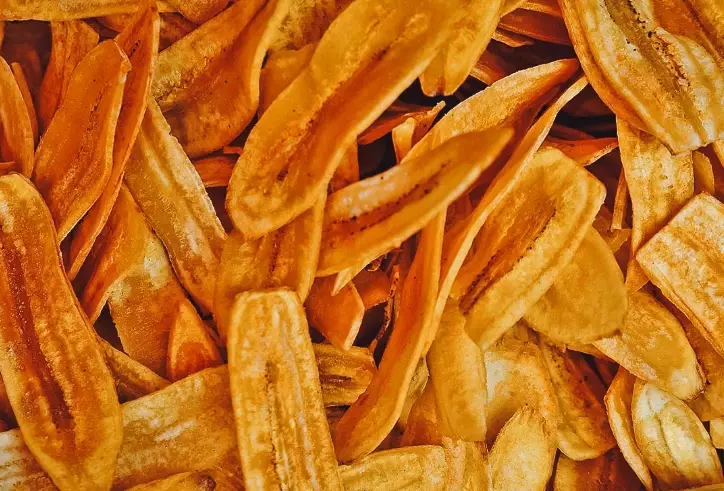
Banana Cue & Camote Cue: Plantains or sweet potatoes (camote) skewered, deep-fried, and coated in caramelized brown sugar. It's a glorious, sticky, hot mess. The banana becomes soft and sweet inside, with a crunchy sugar shell. The perfect pick-me-up.
Turon: A spring roll wrapper filled with banana (often saba) and sometimes jackfruit, rolled, fried, and coated in sugar. It's like a portable, crispy banana pie. The best ones have the sugar almost candied onto the wrapper.
Finding Your Fix: Where to Buy Pinoy Snacks Outside the Philippines
This is the big pain point, right? The craving hits, but you're in Toronto, or Dubai, or Sydney. Where do you go?
Local Filipino Grocery Stores (Tindahan): This is your number one, most reliable source. Any city with a sizable Filipino community will have at least one. They're treasure troves. Not only will they have the big brand packaged goods (Oishi, Jack 'n Jill, Rebisco), but they often import frozen goods like pan de sal, ensaymada, and even frozen turon or lumpia. They might also have a deli counter with homemade-style items like sapin-sapin or kutsinta.
Asian Supermarket Chains: Larger Asian grocery chains like H-Mart, 99 Ranch, or Seafood City (which is specifically Filipino-focused in the US) have extensive sections. The selection can be hit or miss, but you'll usually find the major chips, crackers, and canned/jarred items like mango jam or ube jam.
Online Retailers: A game-changer. Websites like Filipino Food Store or Asian Food Grocer are lifesavers for those in remote areas. Amazon and eBay sellers also stock popular items, though prices can be inflated. For authoritative information on Philippine agricultural products that go into many snacks, the Philippine Department of Agriculture's website offers insights.
Subscription Boxes: Services like Barkada Box curate monthly boxes of Filipino snacks and goods. It's a pricier option per item, but fantastic for discovery and treating yourself.
My personal strategy? I make a pilgrimage to a big Filipino store every few months and stock up on dry goods. For the fresh or frozen specialty items, I've had to learn to make them myself.
Rolling Up Your Sleeves: Making Pinoy Snacks at Home
The good news? Many classic Filipino snacks are surprisingly approachable to make at home. It solves the availability problem and fills your house with amazing smells.
Let's start with something iconic: Homemade Polvoron.
You'll need:
- 1 cup all-purpose flour
- 1/2 cup powdered milk (full-fat is best)
- 1/2 cup sugar
- 1/2 cup melted butter (cooled slightly)
- 1/4 cup toasted pinipig (rice flakes) - optional, but great for texture.
Toast the flour in a dry pan over medium-low heat, stirring constantly until it turns a light tan color and smells nutty. This is the most crucial step—don't rush it, and don't let it burn. Let it cool completely. Mix the cooled flour with the powdered milk and sugar. Stir in the melted butter and pinipig if using. The mixture should hold together when squeezed. Press firmly into a polvoron mold (or a small cookie cutter/ice cube tray). Tap out onto parchment paper. Let them set. That's it! You've just made a classic Pinoy snack.
What about something savory? Easy Garlic Cornick.
Take a bag of plain, pre-popped popcorn (the kind without butter or salt). In a large bowl, mix a generous amount of melted butter with a ton of minced fresh garlic, a pinch of salt, and a sprinkle of sugar (trust me, it needs that hint of sweet). Toss the popcorn in the mixture until coated. Spread it on a baking sheet and bake in a low oven (250°F / 120°C) for 20-30 minutes, stirring occasionally, until crisp and fragrant. It's not exactly the commercial version, but it scratches the itch wonderfully and your kitchen will smell amazing.
Navigating the Landscape: Health & Dietary Notes
Let's not sugarcoat it (pun intended). Many traditional Pinoy snacks are not health food. They are celebratory, comforting, and often rich in sugar, carbs, and fat. The packaged ones can be high in sodium and MSG.
But that's not the whole story. There are lighter options:
- Fresh Fruits: Mangoes (the undisputed king), bananas, pineapples, and green mangoes with bagoong (shrimp paste) are a classic, refreshing merienda.
- Boiled Peanuts (Maní): Sold warm in little bags on the street, they're a great source of protein.
- Ginataang Bilo-Bilo: A warm dessert soup with glutinous rice balls, tubers, and fruits in coconut milk. It's rich, but the ingredients are whole foods.
The key, as with any cuisine, is moderation and context. A turon or a bag of Chippy is a treat, not an everyday meal. The cultural framework of merienda itself—a mindful break to enjoy a small portion—is actually a healthier approach to snacking than mindless grazing.
Your Pinoy Snacks Questions, Answered
At the end of the day, these snacks are more than just calories. They're memories wrapped in plastic or banana leaves. They're the taste of home for millions of overseas Filipinos. They're a shared language of flavor that tells the story of the islands—resourceful, sweet, hearty, and always welcoming. So next time you have a merienda craving, skip the usual chips and try something new. You might just discover your next obsession.
Got a favorite Pinoy snack I didn't mention? Or a disaster story from trying to make sapin-sapin for the first time? That's the fun part—the conversation never really ends, just like merienda time.