Quick Navigation
- So, What Exactly Is Soup Blood?
- Why Would Anyone Eat It? The Nutrition & Flavor Story
- The Elephant in the Room: Is Soup Blood Safe to Eat?
- How to Make a Basic Cooked Blood Soup at Home
- Where to Try Soup Blood (For the Less Adventurous Cook)
- Common Questions About Soup Blood (FAQ)
- Final Thoughts: Respecting Tradition, Prioritizing Sense
Let's be honest. The first time you hear "soup blood," it probably doesn't sound appetizing. It might even sound a bit medieval. I remember my own reaction years ago at a night market in Southeast Asia, staring at a dark, murky bowl the vendor called a delicacy. My brain screamed "no," but curiosity got the better of me. That first spoonful was... surprising. Not what I expected at all.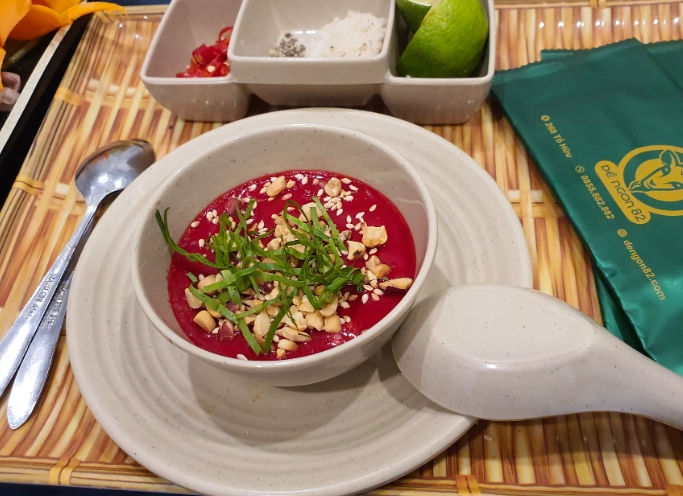
That experience sent me down a rabbit hole. What is this stuff? Why do people eat it? Is it even safe? Turns out, soup blood, or blood-based soups, are a cornerstone of food traditions across the globe, from the bustling streets of Hanoi to the rustic kitchens of Northern Europe. They're not just about using every part of the animal (though that's a big part of it). They're about flavor, texture, and, believe it or not, nutrition.
If you're here, you're likely curious, skeptical, or maybe looking for a way to cook it yourself. This guide is for you. We're going to strip away the mystery and the sometimes-off-putting name and look at soup blood for what it really is: a diverse category of food with a deep cultural history and some unique culinary properties. We'll cover what it is, where it's from, how it's made, and whether you should try making (or eating) it yourself.
So, What Exactly Is Soup Blood?
At its simplest, soup blood refers to any soup or stew where animal blood is a primary ingredient, not just a minor thickening agent. It's not a drink, despite the slightly misleading name. The blood (usually from pigs, ducks, chickens, or goats) is typically collected fresh, often anticoagulated with vinegar or salt to keep it liquid, then added to a broth where it cooks and coagulates, forming delicate, dark cubes or a thickening, gravy-like consistency.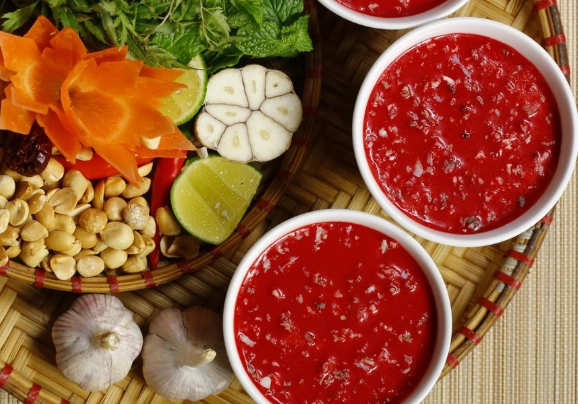
Think of it less as "blood soup" in a scary sense and more as a protein-rich ingredient that adds body and a deep, savory flavor (what the Japanese call "umami") to a dish. In many cultures, it's the defining characteristic of certain classic comfort foods.
The Global Bowl: Soup Blood Around the World
You'd be surprised how widespread this culinary practice is. It's not some fringe food. Here’s a quick tour:
- Vietnam (Tiết Canh): This is probably the most famous—or infamous—version. It's a raw blood soup or pudding made with fresh duck or pig blood, mixed with cooked meat, peanuts, and herbs. Important note: Consuming raw blood carries significant food safety risks, which we'll discuss in detail later. The cooked version is called "canh tiết."
- Philippines (Dinuguan): A hearty, savory stew of pork offal simmered in a rich, dark gravy of pig's blood, vinegar, and chili. It's often called "chocolate meat" by locals due to its color. A total comfort food.
- Thailand (Tom Lued Moo): A clear soup with pork, vegetables, and cubes of coagulated pig blood. It's light, flavorful, and the blood cubes add a interesting textural contrast.
- United Kingdom & Ireland (Black Pudding): While more of a sausage, it's a close cousin. Blood (usually pig or cow) is mixed with oatmeal, fat, and spices, then stuffed into a casing. Sliced and fried, it's a breakfast staple.
- Finland (Mustamakkara): A Finnish black sausage, similar to black pudding, often eaten with lingonberry jam.
- Mexico (Moronga): A blood sausage common in Mexican cuisine, with regional variations including rice, herbs, and nuts.
See? From street food to home-cooked stews to breakfast plates, soup blood has found its place. The preparation method—whether it's steamed, boiled, or stewed—completely transforms the blood's character.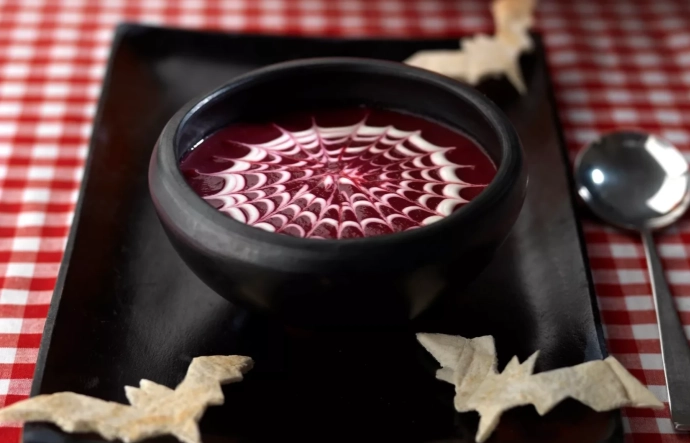
Why Would Anyone Eat It? The Nutrition & Flavor Story
Beyond tradition, there are solid reasons these dishes persist. Let's break down the "why."
A Nutritional Powerhouse (Seriously)
This is the part that often gets overlooked. Animal blood is incredibly nutrient-dense. It's a fantastic source of heme iron, which is the form of iron most easily absorbed by the human body—much more so than the iron from spinach or lentils. For individuals prone to anemia or with iron deficiencies, traditional blood soup can be a dietary boon.
But it's not just iron. Blood is also rich in high-quality protein, zinc, vitamin B12 (crucial for nerve function), and other essential minerals. In many historical contexts, especially where meat was scarce, using blood was a way to prevent nutrient deficiencies and avoid waste. It was practical nutrition.
| Nutrient (per 100g of cooked pig blood) | Approximate Amount | Key Benefit |
|---|---|---|
| Protein | 18-20g | Builds & repairs tissue, high satiety |
| Iron (Heme) | ~15mg | Highly absorbable; supports oxygen in blood |
| Zinc | ~3mg | Immune function, wound healing |
| Vitamin B12 | ~15µg (over 600% DV) | Nerve health, DNA synthesis |
| Riboflavin (B2) | ~0.4mg | Energy metabolism |
Look at that iron and B12 content. It's staggering. Now, you're not eating 100g of pure blood in a single bowl of soup—it's mixed with broth and other ingredients—but it still contributes significantly.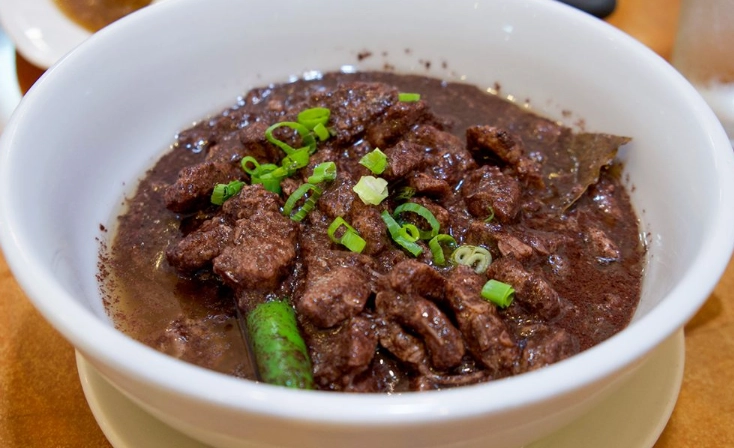
The Flavor and Texture Profile
Nutrition is great, but taste is king. What does it actually taste like? When cooked properly, the strong metallic taste of fresh blood is muted. It becomes deeply savory, earthy, and rich. It adds a complexity to broth that's hard to replicate. It's like the difference between a light chicken broth and a dense, long-simmered demi-glace.
Texture-wise, when coagulated into cubes (like in many Southeast Asian soups), it's silky, smooth, and tender—almost like a very fine, soft pâté. It melts in your mouth. In stews like Dinuguan, it creates a thick, velvety sauce that clings to the meat and rice. That unique mouthfeel is a big part of the appeal.
The Elephant in the Room: Is Soup Blood Safe to Eat?
This is the most critical section. I'm not here to just promote eating blood. We have to talk safety, because getting it wrong has real consequences.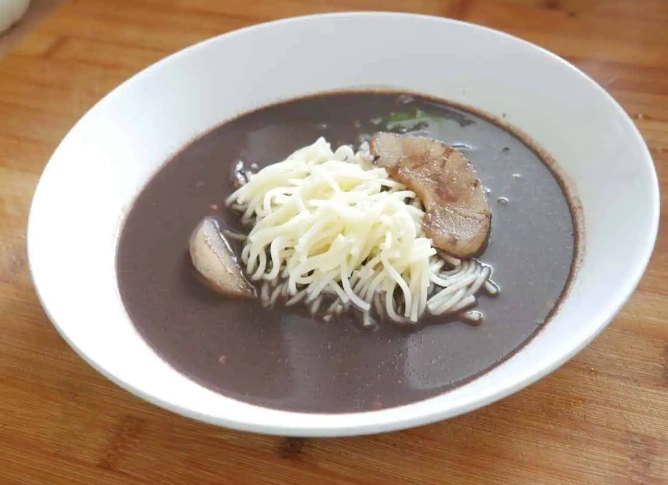
The primary risk with any blood-based food is bacterial and parasitic contamination. Blood is an excellent medium for pathogens if not handled with extreme care. The risk multiplies exponentially with raw blood consumption, like in some traditional preparations.
Safety Rules You Cannot Ignore
If you're sourcing blood to cook with, or eating it out, follow these rules:
- Source is Everything: Only use blood from a trusted, reputable butcher or supplier that follows strict hygiene standards. It should come from animals inspected for health. Never attempt to source it informally.
- Cook It Thoroughly: This is non-negotiable. The blood in your soup or stew must be brought to a full boil and cooked until completely solidified and hot throughout. This kills harmful pathogens. The safe internal temperature for pork products, for example, is 160°F (71°C).
- Consume or Store Quickly: Fresh blood is highly perishable. If you buy it, use it the same day. Once cooked, consume the soup within 2-3 days if refrigerated.
- Know Your Own Health: Individuals with compromised immune systems, pregnant women, the elderly, and young children should be especially cautious and likely avoid these dishes unless they are 100% certain of the preparation safety.
For authoritative information on safe food handling practices, especially regarding animal products, I always recommend checking resources from the World Health Organization (WHO) or your local national food safety agency (like the USDA's Food Safety portal). Their guidelines are based on global science, not just tradition.
So, is soup blood safe? Yes, if it's sourced responsibly and cooked thoroughly. The danger lies in poor handling and raw consumption.
How to Make a Basic Cooked Blood Soup at Home
Feeling adventurous? Making a simple, safe version at home is possible if you can find the main ingredient. Here's a foundational recipe inspired by various Asian styles, but prioritizing safety.
Ingredients You'll Need:
- 500g fresh, clean pig or duck blood (from a trusted butcher, often sold pre-coagulated in blocks)
- 1.5 liters of good-quality chicken or pork broth
- 200g pork shoulder or chicken thigh, thinly sliced
- 2-3 cloves garlic, minced
- A small piece of ginger, sliced
- 2 tbsp fish sauce (or soy sauce for a different profile)
- 1 tsp sugar
- Ground white or black pepper
- Green onions, cilantro, and bean sprouts for garnish
The Step-by-Step Process:
- Prep the Blood: If you have liquid blood, you'll need to coagulate it first by steaming or simmering gently in water until firm, then cutting it into small cubes. Most home cooks will find pre-coagulated blocks easier. Cut the blood block into 1-inch cubes. Handle gently as they are fragile.
- Build the Broth: In a large pot, bring the broth to a simmer. Add the ginger slices. Add the sliced pork or chicken and cook until just done through (about 5-7 minutes).
- Season: Add the minced garlic, fish sauce, sugar, and a generous amount of pepper. Let the broth simmer for another 5 minutes to let the flavors meld. Taste and adjust seasoning—it should be savory and aromatic.
- The Critical Cooking Step: Gently add the blood cubes to the simmering broth. Do not boil vigorously at this stage, or the cubes may break apart. Let them heat through for 5-7 minutes. The soup should be at a steady simmer. This ensures the blood is cooked safely.
- Serve: Ladle the hot soup into bowls, ensuring you get both meat and blood cubes. Top generously with chopped green onions, cilantro, and a handful of fresh bean sprouts. Serve immediately with steamed rice on the side.
The result is a clean, savory, and nourishing soup. The blood cubes are tender and add a richness that makes the broth feel more substantial. It's comfort in a bowl.
Where to Try Soup Blood (For the Less Adventurous Cook)
Maybe you're not ready to cook it yourself. That's fair. The best way to try it is at a restaurant that knows what they're doing. Here’s where to look:
- Authentic Vietnamese or Filipino Restaurants: This is your best bet. Look for places with menus in the native language or that specifically mention dishes like "Dinuguan," "Canh Tiết," or "Tiet Canh" (again, opt for the cooked "Canh" version). A busy restaurant with a high turnover usually means fresher ingredients.
- Specialty Butcher Shops or Asian Markets: Sometimes, they have prepared food sections that might offer these soups, especially on weekends.
- Food Tours in Relevant Cities: In cities like Hanoi, Manila, or Bangkok, a knowledgeable food tour guide can take you to a reputable vendor where the dish is prepared safely and authentically. They navigate the safety concerns for you.
When ordering, don't be afraid to ask questions. "Is the blood fully cooked in this dish?" is a perfectly reasonable question for both your safety and peace of mind.
Common Questions About Soup Blood (FAQ)
Final Thoughts: Respecting Tradition, Prioritizing Sense
Soup blood is a fascinating lens through which to view food history, nutrition, and cultural resilience. It represents a no-waste philosophy and a clever way to extract maximum nutrition from livestock. The dishes born from it are beloved for a reason—they are flavorful, satisfying, and often deeply connected to family and place.
But we live in a modern world with modern knowledge.
The key takeaway is to appreciate these traditions safely. Embrace the cooked, simmered, and stewed versions that have delighted people for generations while minimizing risk. Understand the incredible nutritional profile it offers. If you travel and want to experience it, choose your vendor wisely. If you cook it, source and handle the ingredient with utmost care.
It's more than just a "weird food." It's a testament to culinary ingenuity. Whether you ever try a spoonful or not, you now know what lies behind the name soup blood. And that knowledge, I think, is always worthwhile.