Explore This Article
- So, What Exactly Is Tacaca?
- A Bowl Full of History and Culture
- The Stars of the Show: Deconstructing Tacaca's Ingredients
- Why You Might Want to Try Tacaca (Beyond the Taste)
- Making Tacaca at Home: A Step-by-Step Guide (With Caveats!)
- Finding the Real Deal: Tacaca Across Brazil
- Tacaca vs. Other Amazonian Soups
- Your Tacaca Questions, Answered
- Final Thoughts: More Than Just Soup
I still remember the first time a steaming, vibrant yellow bowl of tacaca was placed in front of me. It was in a bustling market in Belém, the air thick with humidity and the scent of unknown herbs. The soup looked alien, almost electric, with dark green leaves and pink shrimp peeking through. I took a hesitant spoonful, and my mouth was first flooded with a sharp, citrusy tang, followed by an earthy depth, and then… a gentle, tingling numbness spread across my tongue and lips. It wasn't painful, just bizarre and thrilling. That's the magic of tacaca. It's not just a soup; it's a full-sensory expedition into the heart of the Amazon, served in a clay bowl.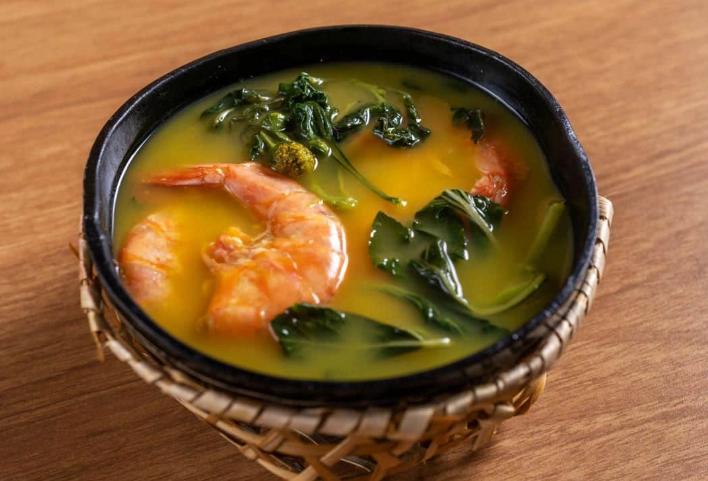
If you're here, you've probably heard the name, seen a picture, or maybe just stumbled upon this strange word. You're curious. What is this thing? Can I make it at home? Is it… safe to eat? Let's walk through this together. I've had the good, the bad, and the utterly confusing versions of this dish, and I'm here to translate the experience for you, without the fluff.
Quick Takeaway: At its core, tacaca (pronounced ta-ka-KA) is a hot, savory soup from the Brazilian Amazon, specifically the state of Pará. Its signature comes from three unique ingredients: tucupi (a fermented yellow broth from wild manioc), jambu (a leafy green that causes a mild anesthetic tingling), and dried shrimp. It's a staple of street food culture in Northern Brazil and a proud symbol of indigenous culinary wisdom.
So, What Exactly Is Tacaca?
Calling tacaca just a "soup" feels like calling the Amazon rainforest "some trees." It undersells the complexity. Think of it as a layered, interactive food experience. You're served a hot broth (tucupi) in a traditional cuia (a dried gourd bowl). Floating in it are the jambu leaves and a handful of dried shrimp. On the side, you always get a pile of goma—a thick, sticky tapioca starch paste. The ritual is part of the fun: you take a bit of the goma with your spoon, dip it into the hot, sour broth, gather some leaves and shrimp, and eat. The textures—slimy broth, sticky goma, leafy greens, chewy shrimp—are a wild dance in your mouth.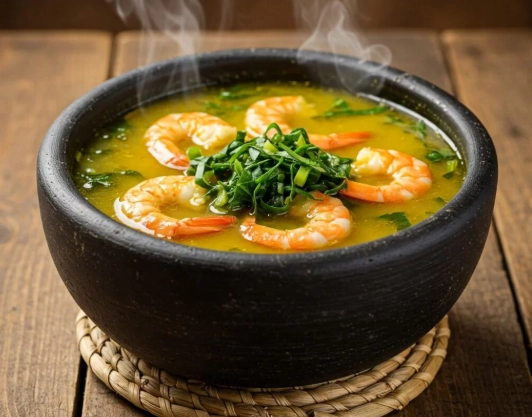
The taste profile is unlike anything in Western cuisine. It's predominantly sour and savory (tucupi), with a briny umami punch from the shrimp, and a fresh, slightly bitter green note from the jambu. And then there's that tingle. It's harmless but unforgettable.
A Bowl Full of History and Culture
To understand tacaca, you need to understand its roots, which go deep into the pre-colonial Amazon. The indigenous peoples, like the Tupi-Guarani, were masters of manioc (cassava). Tacaca is a direct descendant of their ingenuity. Tucupi was their way of making poisonous manioc safe and flavorful through fermentation and prolonged boiling. Jambu was foraged from the forest floor.
Over centuries, this indigenous base merged with influences from Portuguese colonizers (who introduced the clay pot serving style and likely the use of shrimp) and African culinary traditions. What was once likely a ritual or communal food transformed into the beloved street food of today. In cities like Belém and Manaus, tacaca stalls (tacacarias) are social hubs, especially in the late afternoon. It's more than a snack; it's a moment of pause, a connection to the region's identity. The Brazilian Ministry of Culture's cultural archives often highlight dishes like tacaca as Intangible Cultural Heritage, underscoring their social importance.
It’s a dish that stubbornly resists mass commercialization. You won't find a truly authentic version in your average Brazilian restaurant in São Paulo, let alone abroad. It's fiercely territorial, which is part of its allure and frustration for food lovers outside the North.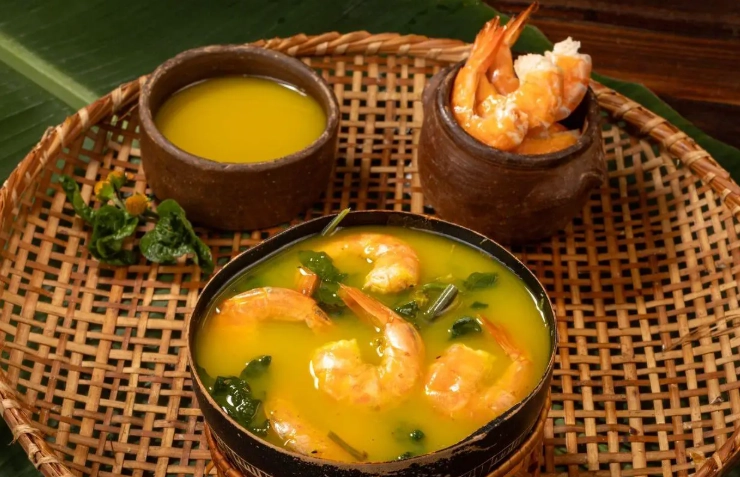
The Stars of the Show: Deconstructing Tacaca's Ingredients
Let's get granular. The soul of tacaca lies in its trinity of ingredients. Mess with one, and you lose the essence.
| Ingredient | What It Is | Its Role in Tacaca | Key Flavor/Sensation |
|---|---|---|---|
| Tucupi | Yellow liquid extracted from wild, poisonous manioc root, then fermented and boiled for hours. | The base broth. Provides the signature sour, tangy, slightly fermented depth. | Sharp, citrusy, earthy sourness. |
| Jambu (Paracress) | A leafy Amazonian herb, also known as toothache plant. | The "electric" element. Leaves are briefly cooked and added to the soup. | Mildly bitter green flavor, followed by a tingling, numbing sensation on lips and tongue. |
| Dried Shrimp (Camaro Seco) | Small shrimp, salted and sun-dried. | Provides protein and a crucial savory, briny, umami backbone. | Intense salty, seafood umami; chewy texture. |
| Goma (Tapioca Starch) | Hydrated tapioca starch, cooked into a thick, sticky, gelatinous paste. | Served on the side. Adds body, texture, and a neutral, starchy balance to the sour broth. | Neutral, slightly sweet; very sticky and glue-like texture. |
Finding these outside the Amazon basin is the first major hurdle. I've seen online stores selling frozen tucupi and dried jambu, but the quality and authenticity can be a gamble. Some Brazilian specialty shops in major global cities might carry them. If you can't find real jambu, there's honestly no substitute for that tingle. Don't bother trying with spinach or watercress; you'll just make a different soup.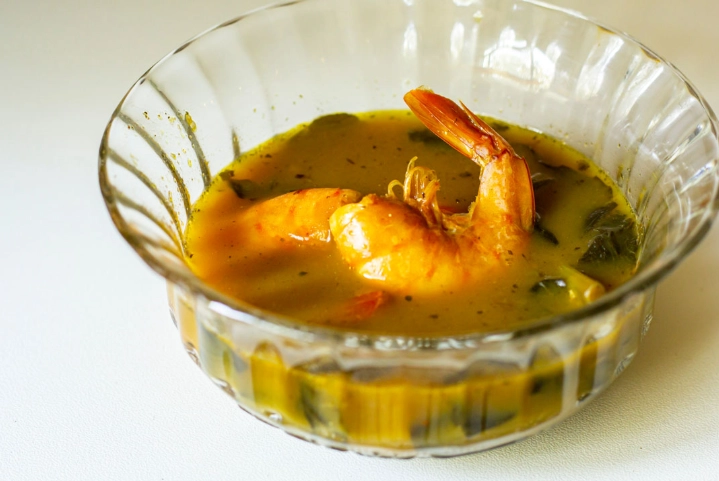
A Safety Note You Can't Ignore
Raw, unprocessed tucupi contains cyanogenic glycosides (cyanide). The traditional fermentation and lengthy boiling (often 24+ hours) completely neutralizes this. Commercially sold tucupi in Brazil is safe. If you ever source raw manioc juice yourself, you MUST follow proper detoxification processes. This isn't a place for improvisation. Stick to reputable, pre-prepared sources.
Why You Might Want to Try Tacaca (Beyond the Taste)
Okay, the tingling soup sounds weirdly cool, but is it good for you? From a traditional and nutritional standpoint, there are some compelling points.
First, it's generally gluten-free and can be made without any common allergens if you skip the shrimp (though purists will gasp). The base is manioc, a staple for millions. More interestingly, many of its components are studied in ethnobotany—the study of how people use plants.
- Jambu (Spilanthes acmella): That tingling isn't just for kicks. It's caused by spilanthol, a compound studied for its potential anti-inflammatory, analgesic (pain-relieving), and even antimicrobial properties. Traditional medicine has used it for toothaches (hence the name "toothache plant") and ulcers. A review in the PubMed database highlights its various bioactive potentials. In your tacaca, it's a fun, food-as-medicine moment.
- Tucupi: The fermentation process likely promotes probiotics, beneficial for gut health, similar to other fermented foods. It's also rich in minerals from the manioc.
- Overall Composition: It's a light, broth-based dish. It's not a calorie bomb. You get protein from shrimp, some fiber from jambu, and energy from the tapioca goma.
Now, I'm not a doctor, and this isn't medical advice. Don't go drinking tacaca to cure a headache. But it's fascinating to see how a centuries-old dish aligns with modern interests in functional, gut-friendly, and unique phytochemical-rich foods.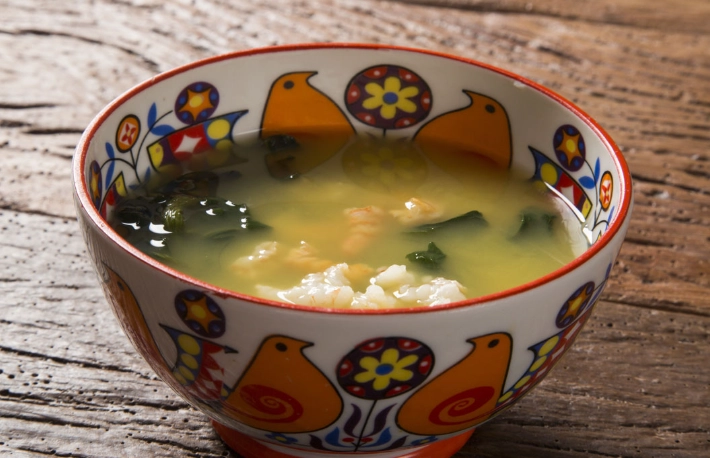
Making Tacaca at Home: A Step-by-Step Guide (With Caveats!)
I'll be honest: attempting authentic tacaca at home outside Brazil is a project. It's a labor of love, not a quick weeknight dinner. But if you're determined, here’s a roadmap. This assumes you've sourced frozen or bottled tucupi, dried jambu, and dried shrimp.
What You'll Need:
- 1 liter of prepared tucupi (ensure it's pre-boiled and safe!)
- 1 large bunch of dried jambu leaves (about 2 cups once rehydrated)
- 200g of dried shrimp
- 200g of tapioca starch (for the goma)
- 4-5 cloves of garlic, crushed
- 1 small onion, chopped
- 2-3 chili peppers (like cheiro-verde or a mild bird's eye), optional
- Salt to taste
- A handful of chicória leaves (Brazilian chicory, optional for garnish)
The Process:
Step 1: Prep the Jambu. Soak the dried jambu leaves in warm water for about 30 minutes until they soften. Drain. Bring a small pot of water to a boil, blanch the leaves for literally 30-60 seconds. You want them just wilted, not mushy. Drain and set aside. This brief cooking activates the spilanthol but keeps the texture.
Step 2: Flavor the Tucupi. This is crucial. Plain tucupi is one-dimensional. In a large pot, sauté the onion, garlic, and chili (if using) in a little oil until soft and fragrant. Pour in the tucupi. Bring it to a boil, then reduce to a very gentle simmer. Let it simmer for at least 20-30 minutes. This step mellows the sharpness and lets the aromatics infuse. Season with salt carefully (remember the shrimp will add salt). Taste as you go. The flavor should be tangy but balanced.
Step 3: Make the Goma. While the broth simmers, make the paste. Mix the tapioca starch with just enough cold water to form a thick, lumpy paste. In a separate saucepan, bring about 1 cup of water to a boil. Gradually whisk in the tapioca paste. It will turn translucent and become extremely thick and gluey very quickly. Stir vigorously until it forms a smooth, elastic mass. Remove from heat, cover, and keep warm.
Step 4: Assemble. Your tucupi broth is simmering and seasoned. Turn off the heat. Stir in the blanched jambu leaves and the dried shrimp. Let it sit for a minute so the shrimp soften slightly in the hot broth.
Step 5: Serve the Ritual. This is key. Place a generous spoonful (or a small ball) of the warm goma paste in the bottom of each serving bowl (a regular soup bowl is fine if you don't have a cuia). Ladle the hot broth, leaves, and shrimp over and around the goma. Garnish with fresh chicória if you have it.
My Personal Home-Cook Warning: The first time I made tacaca, I underestimated the goma. I made it too thin, and it dissolved into the broth, making the whole thing an unpleasantly slimy gruel. Get that paste thick. Also, finding the right salt balance between the broth and the salty shrimp is tricky. Go light on the broth salt at first.
Finding the Real Deal: Tacaca Across Brazil
If you're traveling to Brazil, hunting down a great tacaca is a must-do activity. But not all regions are equal.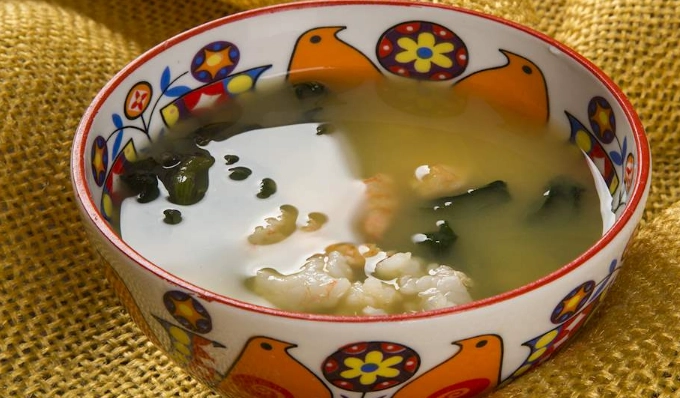
Top Spot: Belém do Pará. This is the undisputed capital of tacaca. The Ver-o-Peso market is ground zero. Look for stalls with large copper pots simmering over wood fires. The atmosphere is as important as the soup here. The city's tourism portal, Belem.pa.gov.br, often lists cultural experiences including market tours.
Second Best: Manaus, Amazonas. In the heart of the Amazon, tacaca is also a staple. The Mercado Municipal Adolpho Lisboa is a great place to try. The version here might be slightly less sour than Belém's, reflecting local tastes.
Outside the North: In Rio or São Paulo, you might find it in specialized Northern Brazilian restaurants. Be skeptical. Often, they use shortcuts—like lemon juice to mimic tucupi's sourness or skip the jambu entirely. Ask where they source their ingredients. If they hesitate, manage your expectations.
Trust me on this. The difference between a true market tacaca and a diluted city version is night and day.
Tacaca vs. Other Amazonian Soups
It's easy to get confused. The Amazon has a family of similar dishes.
- Pato no Tucupi: This is a famous dish from Pará, often confused with tacaca. It uses the same tucupi broth, but it's a stew with duck (pato), and it doesn't necessarily include jambu or the goma side. It's richer, more of a main course.
- Maniçoba: Another Pará legend, sometimes called "Feijoada of the North." It's made with finely chopped leaves of the manioc plant (cooked for a week to remove toxins!), and various meats. No relation to tacaca in taste or texture, but they share cultural roots.
So, if you see tucupi on a menu, check what's in it. Tacaca is the specific, tingling, shrimp-and-leaf soup with the tapioca paste.
Your Tacaca Questions, Answered
Final Thoughts: More Than Just Soup
Writing about tacaca makes me crave it terribly. It's a dish that embodies a place—its history, its biodiversity, its people's resilience. It's not trying to be universally palatable. It is unapologetically itself: sour, tingling, texturally challenging, and utterly captivating.
If you get the chance to try the real thing, in its homeland, take it. Embrace the weirdness. Let your lips tingle. Fumble with the goma paste. It's an edible story. And if you're attempting the home version, I salute your adventurous spirit. Just promise me you'll source your tucupi safely.
In a world of homogenized flavors, tacaca stands as a brilliant, electric yellow reminder that some of the best food experiences are the ones that completely rewrite your expectations. It's a journey worth taking, one spoonful at a time.