Your Thai Food Journey
Let's be honest, when you think of Thai food, what pops into your head? Probably a steaming bowl of green curry or a plate of pad thai. But there's so much more swimming beneath the surface. It's a cuisine built on a delicate, sometimes explosive, balance of flavors—sweet, sour, salty, bitter, and spicy—all dancing together in a single bite.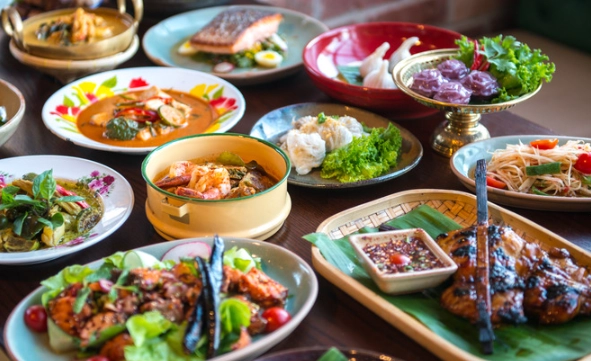
I remember my first real encounter with traditional Thai dishes wasn't in a fancy restaurant. It was at a cramped roadside stall in Bangkok, the air thick with the smell of fish sauce, chili, and lemongrass. The cook, a woman with a focused smile, tossed ingredients in a wok with a rhythm that felt like music. That plate of pad kra pao (holy basil stir-fry) wasn't just food; it was a revelation. It was spicy enough to make my nose run, sweet from the basil, savory from the sauce, and utterly addictive. That's the magic they don't always tell you about.
The Pillars of Flavor: What Makes a Dish "Traditional"?
Before we dive into specific dishes, it helps to understand the building blocks. Calling something a traditional Thai dish isn't just about age. It's about its connection to Thai culture, history, and daily life. These dishes are often passed down through families, tied to festivals, or represent the soul of a specific region.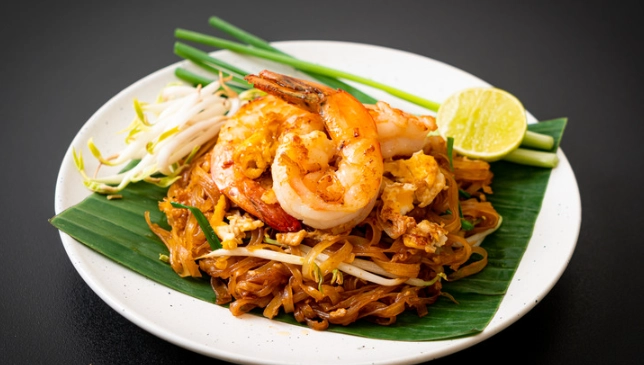
The foundation is the "holy trinity" of Thai aromatics: lemongrass, galangal (a knobbly cousin of ginger, but sharper and more citrusy), and kaffir lime leaves. Pound these together in a stone mortar, and you've got the start of countless curries and soups. Then come the workhorses: fish sauce (nam pla) for salty umami, palm sugar for a deep, caramel-like sweetness, and tamarind for a tangy sour punch. And of course, chilies. Lots of them.
The Essential Pantry for Authentic Thai Cooking
If you want to try your hand at these traditional Thai dishes, you'll need more than just coconut milk and curry paste. Here’s a non-negotiable shortlist:
- Fish Sauce (Nam Pla): The king of seasoning. Look for a clear, amber-colored sauce from Thailand.
- Shrimp Paste (Kapi): This fermented paste is pungent but essential for many southern curries and dips.
- Palm Sugar: Comes in hard cakes or soft jars. It has a more complex flavor than white sugar.
- Thai Chilies (Prik Kee Noo): Tiny but mighty. These are the primary source of heat.
- Tamarind Paste: For that signature sour note in pad thai and many soups.
- Galangal & Lemongrass: Fresh is best. The dried versions are a poor substitute.
The Must-Try List: Iconic Traditional Thai Dishes
Okay, let's get to the good stuff. This isn't just a list; it's a starting point for your culinary journey. We'll break them down by category because, in Thailand, a meal is rarely just one dish. It's a symphony of shared plates.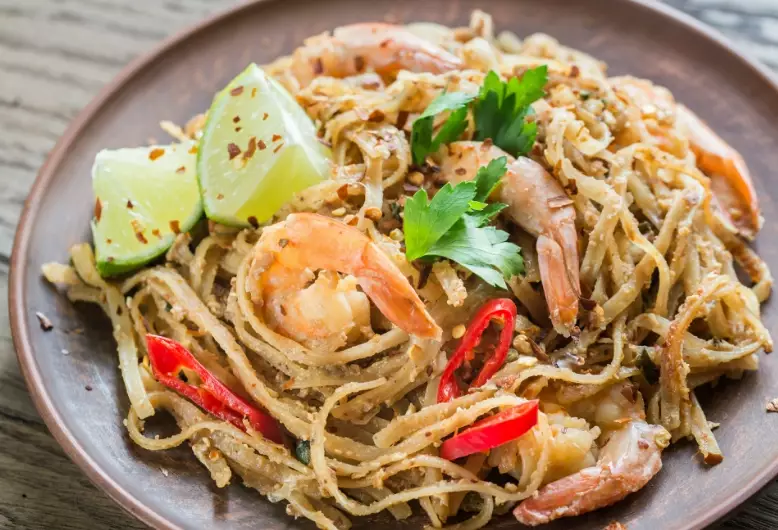
Curries: More Than Just Color
Thai curries are a world away from their Indian counterparts. They are soups, really—fragrant, coconut-based broths packed with meat, vegetables, and herbs. The color comes from the curry paste, which is freshly pounded for the best flavor.
| Curry | Key Paste Ingredients | Flavor Profile | Best Paired With |
|---|---|---|---|
| Green Curry (Gaeng Keow Wan) | Fresh green chilies, lemongrass, galangal, kaffir lime, cilantro root | Spicy, sweet, intensely herbal. The hottest of the common curries. | Steamed jasmine rice, Thai eggplant, chicken or fish balls. |
| Red Curry (Gaeng Phet) | Dried red chilies, garlic, shallots, shrimp paste | Robust, savory, medium-hot. A versatile, all-purpose curry. | Bamboo shoots, beef, or duck. A true crowd-pleaser. |
| Massaman Curry (Gaeng Massaman) | Dried chilies, spices (cinnamon, cardamom, nutmeg), peanuts | Rich, mild, sweet, and nutty. Shows Persian/Indian influence. | Potatoes, beef or chicken, served with roti bread. A national favorite. |
| Panang Curry (Gaeng Phanaeng) | Red curry paste base with peanuts, less liquid | Thick, rich, slightly sweet, and less soupy than others. | Pork or beef, kaffir lime leaves. It's almost a dry curry. |
My personal take? While everyone raves about green curry, I find a well-made Massaman to be the most comforting and complex of the bunch. It’s like a warm hug. Green curry can sometimes feel like it's attacking your taste buds (in a good way, mostly).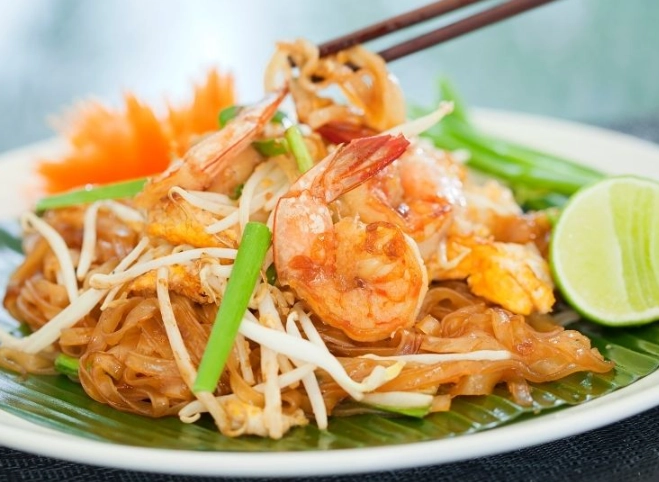
Salads (Yam): The Art of the Explosive Appetizer
Forget lettuce and ranch dressing. A Thai salad (yam) is a vibrant, often spicy, sour, and savory explosion meant to wake up your palate. They are technically appetizers, but I could make a meal out of them.
- Som Tum (Green Papaya Salad): The undisputed queen. Shredded unripe papaya pounded in a mortar with chilies, garlic, lime, fish sauce, palm sugar, tomatoes, and long beans. The perfect balance of sweet, sour, spicy, and salty. Northern style adds fermented crab (pu) for a funky kick—not for the faint of heart.
- Yam Woon Sen (Glass Noodle Salad): A personal favorite. Mung bean noodles tossed with minced pork, shrimp, chili, lime, and cilantro. It's lighter than papaya salad but just as flavorful.
- Larb (Minced Meat Salad): A signature dish from Isan (Northeast Thailand). Finely minced meat (chicken, pork, or duck) cooked with lime juice, fish sauce, toasted rice powder, and a heap of mint and herbs. It's fresh, tangy, and deeply savory.
Noodle Dishes: Beyond Pad Thai
Yes, Pad Thai is famous for a reason. Stir-fried rice noodles with tamarind, egg, tofu, shrimp, and peanuts—it's a masterpiece of sweet and sour. But calling it the best Thai noodle dish is like saying pizza is the only Italian food worth eating.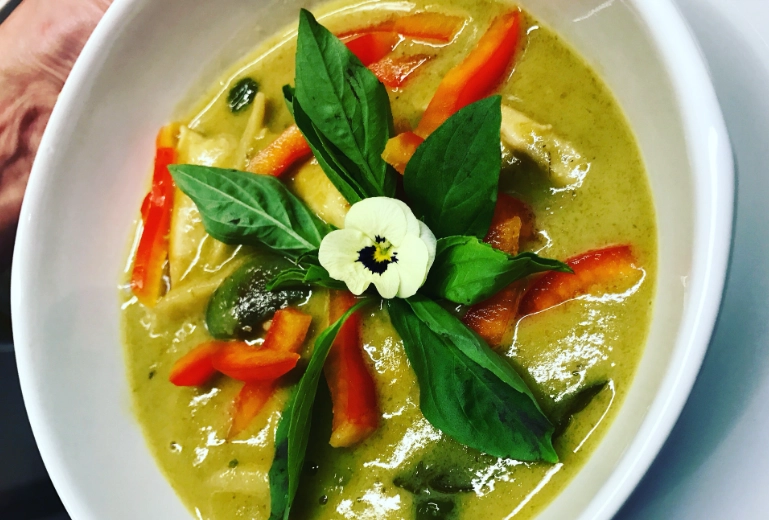
Here are two contenders that often steal the show for those in the know:
- Pad See Ew: My go-to comfort food. Wide, chewy rice noodles stir-fried with dark soy sauce, Chinese broccoli, egg, and your choice of meat. It's savory, slightly sweet from the soy, and has that wonderful smoky flavor from the wok (wok hei). It's less cloying than Pad Thai can sometimes be.
- Boat Noodles (Kuay Teow Reua): A deep, dark, and intense bowl of history. These small, powerful bowls of noodles in a rich, blood-enriched broth (don't let that put you off—it adds richness, not a metallic taste) packed with spices are a Bangkok institution. You eat five small bowls and feel like a champion.
The Tourism Authority of Thailand has a great resource on the history and variety of Thai noodles, showing how Chinese influences were adapted into something uniquely Thai. You can see how dishes like these evolved over time on their feature page about Thai noodles.
The Soup That Defines a Cuisine: Tom Yum Goong
If there's one dish that encapsulates the Thai flavor philosophy, it's Tom Yum Goong. This hot and sour soup is a national treasure. The broth is clear, fragrant with lemongrass, galangal, kaffir lime leaves, and chilies, soured with lime juice, and savory from fish sauce. Plump shrimp (goong) are added at the last minute. The creamy version (tom yum nam khon) adds a swirl of evaporated milk or coconut milk, which tames the heat slightly and adds a lovely richness.
Regional Differences: It's Not All the Same
This is a big gap in many articles about traditional Thai dishes. Thailand has four main culinary regions, and they're wildly different.
Northern Thailand (Lanna)
Food here is milder, influenced by neighboring Myanmar and Laos. Sticky rice is the staple, not jasmine rice. You'll find lots of dips (nam prik), herbal soups, and dishes without coconut milk.
- Khao Soi: The iconic dish of Chiang Mai. Crispy and soft egg noodles in a rich, creamy, slightly spicy curry broth, topped with pickled mustard greens, shallots, and a squeeze of lime. Unmissable.
- Sai Oua: A fragrant grilled sausage packed with herbs like lemongrass, galangal, and kaffir lime leaves.
Northeastern Thailand (Isan)
This is the land of bold, spicy, and pungent flavors. Sticky rice is king here too. The food is heavily influenced by Laos and is known for its simplicity and fire.
- Som Tum (Papaya Salad): This is its spiritual home, often made with the fermented crab mentioned earlier.
- Gai Yang (Grilled Chicken): Marinated in garlic, coriander root, and white pepper, then grilled over charcoal. Served with sticky rice and sweet chili sauce.
Central Thailand
This is the cuisine most foreigners know. It's the home of jasmine rice, intricate royal cuisine, and the balanced sweet-sour-salty-spicy flavors we've been discussing. Dishes like Pad Thai, Green Curry, and Tom Yum hail from here.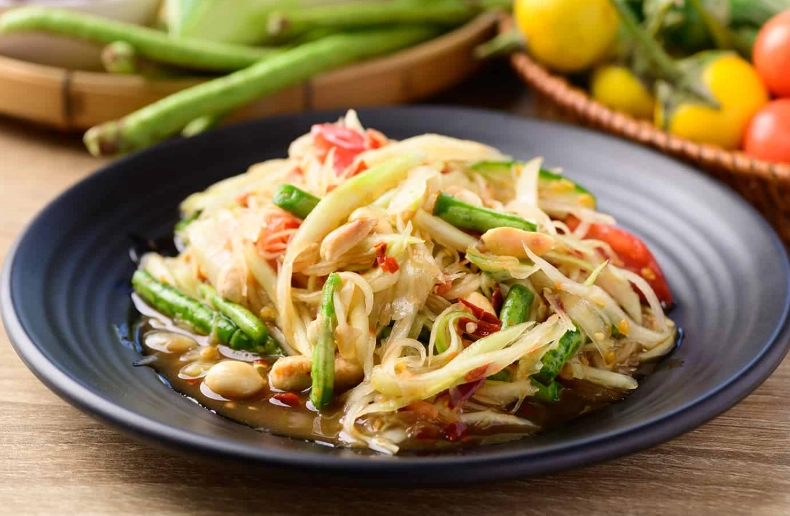
Southern Thailand
Brace yourself. Southern food is fiercely spicy, uses lots of turmeric, and features seafood and coconut. The influence from Malaysia is strong.
- Gaeng Som (Sour Orange Curry): A fiery, sour fish curry that's more of a soup, often with vegetables like green papaya.
- Khao Yam: A beautiful rice salad with herbs, toasted coconut, dried shrimp, and a pungent nam budu (fish sauce) dressing.
For an authoritative deep dive into how geography and culture shaped these regional cuisines, the Thai government's Ministry of Culture's website offers extensive cultural insights, including on culinary heritage.
How to Eat Thai Food Like You Mean It
Ordering one curry and a plate of rice is like listening to one note of a song. A proper Thai meal is about variety and sharing.
- Share Everything. Order a spread of dishes for the table: a curry, a stir-fry, a salad, a soup, and a whole fish or grilled meat.
- Rice is Your Canvas. You take a bite of rice with a bite of a flavorful dish. The rice balances the strong flavors.
- Use a Spoon and Fork. The fork pushes food onto the spoon. Chopsticks are generally only for noodle dishes.
- Embrace the Condiments. The four jars on the table—sugar, fish sauce, chili flakes in vinegar (prik nam som), and dried chilies—are there for you to adjust the final balance to your taste. My Thai friends always add a pinch of sugar and a splash of chili vinegar to their soups.
Answering Your Burning Questions (FAQ)
Let's tackle some common stuff people want to know when searching for traditional Thai dishes.
What is the most popular traditional Thai dish in Thailand?
This is tricky. Pad Thai might win among tourists, but for Thais, it's often a street food snack. If you look at what's eaten daily, Som Tum (Papaya Salad) with grilled chicken and sticky rice is a strong contender for the national comfort meal, especially in the North and Northeast. A survey by the National Statistical Office of Thailand often cites dishes like Gaeng Khiew Wan (Green Curry) and Tom Yum Goong as perennial household favorites.
Are traditional Thai dishes always spicy?
No! This is a huge misconception. While many have the potential for heat, the spice level is almost always adjustable. The core of the dish is the balance of flavors. You can ask for "mai pet" (not spicy) or "pet nit noi" (a little spicy). Dishes like Massaman Curry, Pad See Ew, and many stir-fries are often mild to medium by default.
What's a good traditional Thai dish for beginners?
Start with the milder, sweeter, or creamier dishes to ease in.
- Pad Thai: The classic gateway dish.
- Massaman Curry: Rich, nutty, and mild.
- Panang Curry: Thick and slightly sweet.
- Spring Rolls (Po Pia Tod): Familiar and non-threatening.
- Mango with Sticky Rice (Khao Niew Mamuang): The perfect sweet finish—glutinous rice with coconut milk and ripe mango.
Is street food the best place to try authentic traditional Thai dishes?
Often, yes. Street food isn't just fast food in Thailand; it's where culinary traditions are kept alive with incredible freshness and skill. A wok over super-high heat achieves flavors a home kitchen often can't. That said, don't ignore local restaurants (raan ahaan) where families have been perfecting recipes for generations. The Michelin Guide Bangkok, which famously highlighted street food stalls, is a great testament to where to find exceptional quality, from humble stalls to high-end establishments showcasing royal Thai cuisine.
What's the one ingredient I shouldn't skip when cooking Thai food at home?
Fresh herbs. Dried lemongrass or bottled lime leaves will let you down. If you can't find fresh galangal, it's better to omit it than use dried (which tastes like straw). The fresh kaffir lime leaf, torn and added at the end, provides that unmistakable citrusy perfume that says "Thai food."
Final Thoughts: It's a Journey, Not a Checklist
Exploring traditional Thai dishes is a lifelong adventure. You won't love everything immediately (I'm still not a huge fan of the texture of certain fermented foods), and that's okay. The joy is in the discovery—the first time you taste the herbal punch of a proper green curry, the refreshing zing of a yam salad, or the comforting warmth of a bowl of khao soi.
Don't just order what you know. Point to something on the menu you can't pronounce. Ask the server what they recommend. The world of traditional Thai dishes is vast, vibrant, and waiting to be explored, one shared plate at a time. And always, always have extra jasmine rice on standby.
Reader Comments