Your Seoul Food Journey Map
Let's be real for a second. When you think of food in Seoul, what pops into your head? Probably sizzling barbecue, a bowl of bright red kimchi, maybe some crispy fried chicken. And you're not wrong. But if that's where your mental image stops, you're missing out on about 90% of the story. The world of Seoul foods is deeper, messier, more surprising, and honestly, way more delicious than any Instagram feed can capture.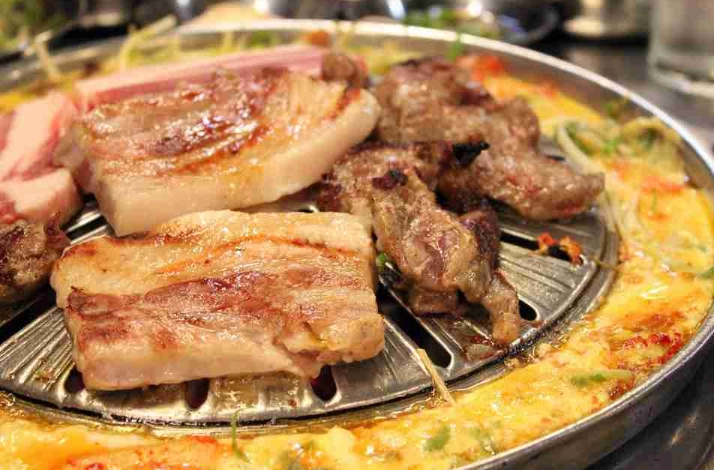
I remember my first real encounter with it. I'd done the tourist thing, eaten at a fancy BBQ place in Myeongdong. It was fine. Good, even. But it felt like watching a movie with the sound off. Then a Korean friend dragged me to a tiny, steam-covered tent down a back alley in Jongno. We sat on plastic stools, and for the next two hours, I was schooled. This wasn't just eating; it was a full-body experience. That's what I want to share with you—not just a list of dishes, but the how, the where, and the why behind one of the world's most thrilling food cities.
What Exactly Are "Seoul Foods"? It's More Than a Geography Lesson
This is the first thing to get straight. "Seoul foods" isn't an official culinary category you'll find in a textbook. It’s a vibe. It's the collective personality of the eating experiences that define this specific, hyper-fast, tradition-meets-innovation megalopolis. Think of it this way: Korean cuisine is the language. Seoul foods are the specific, rapid-fire, slang-filled dialect spoken on its busiest streets.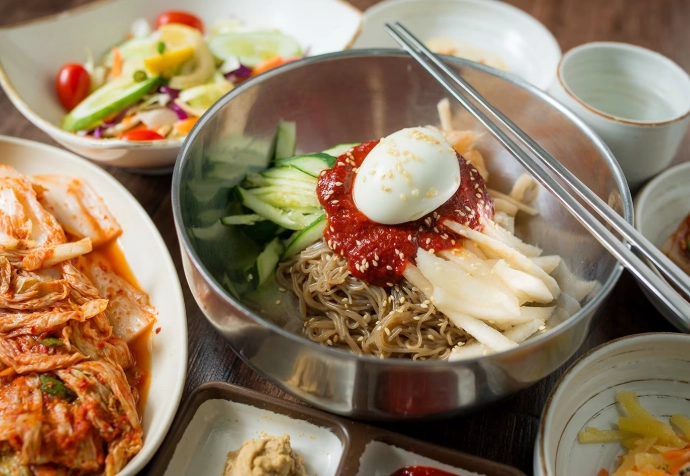
It's where 600-year-old royal court recipes share menu space with wild fusion creations dreamed up last week. It's where you'll find the most perfect, traditional version of a dish right next to a stall selling something utterly bizarre and new. The core elements are Korean, of course—fermentation, balance, communal eating—but the pace and the pressure-cooker environment of Seoul twist them into something unique.
The Seoul Food Vibe Check: If it's served fast to people who are often on-the-go, if it balances intense flavor with a need for comfort, if it has a story that ties old Korea to new Korea, and if you can find it at 2 AM... you're probably looking at a quintessential Seoul food.
The Unmissable Seoul Foods: Your Culinary Hit List
Okay, down to business. You can't try everything (though part of me wishes you could). So here's a breakdown of the absolute must-try Seoul foods, categorized not by ingredients, but by the experience they offer. I'm including some personal hits and misses, because let's be honest, not every famous dish is for everyone.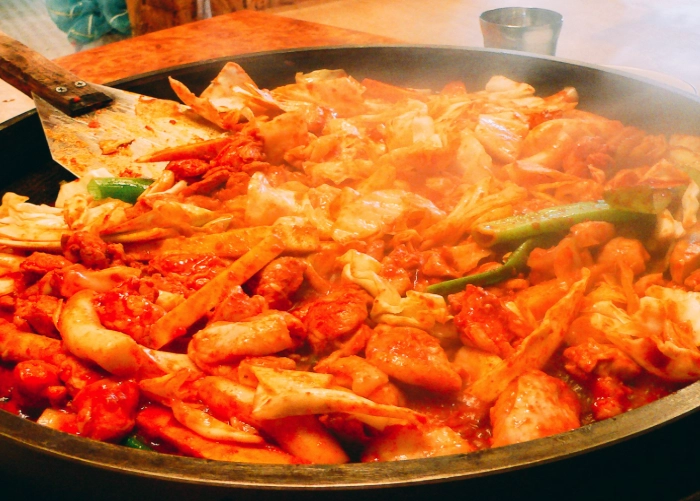
The Street Food Royalty (No Exceptions)
This is the beating heart of Seoul's food scene. It's democratic, delicious, and everywhere.
Tteokbokki (Spicy Rice Cakes): The undisputed king. Chewy cylindrical rice cakes swimming in a sweet, spicy, and deeply red gochujang (chili paste) sauce. Often with fish cakes and boiled eggs. The baseline version is good, but seek out the ones with added cheese or seafood. The Korea Tourism Organization often highlights this as a top street food, and for good reason. It's the perfect introduction to Seoul's love affair with chewy textures and sweet heat.
Hotteok: My personal winter savior. A fried dough pancake stuffed with a molten mix of brown sugar, honey, chopped peanuts, and cinnamon. It's crispy on the outside, gooey and dangerously hot on the inside. Pro tip: Let it cool for a solid minute unless you want a sugar lava burn on your tongue. I've made that mistake so you don't have to.
Eomuk (Fish Cake) Skewers: The gentle giant of street food. Boiled fish cakes on a stick, served with a cup of the mild, soothing broth they were cooked in. It's not flashy, but it's deeply comforting, especially on a cold day. This is the snack you eat while you're deciding what other snack to eat.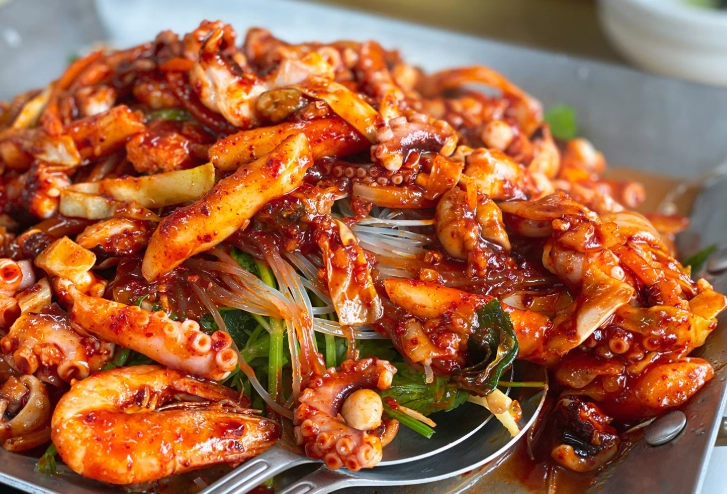
Bungeoppang (Fish-Shaped Pastry): Adorable and delicious. A fish-shaped waffle or pastry, crispy on the outside, filled with sweet red bean paste. Modern variations have custard, chocolate, or even pizza fillings, but the classic red bean is still the best, in my opinion.
Let's talk about Soondae (Korean blood sausage) for a second. It's a classic. It's everywhere. And I... just don't love it. The texture is a bit too dense and mealy for me, and the flavor is very mild. Many Koreans adore it, especially with a bit of salt dipping sauce. Try it! You might be on their team. But for me, it's a pass in a city full of can't-miss options.
The Restaurant Mainstay Stars
These are the dishes you'll sit down for. The ones that define meals.
Samgyeopsal (Grilled Pork Belly): Yes, it's BBQ, but it's a ritual. Thick, unmarinated slices of pork belly grilled at your table. You don't just eat the meat. You take a leaf of fresh lettuce or perilla leaf, add the meat, a swipe of ssamjang (fermented bean paste), maybe some garlic and grilled kimchi, and wrap it into a bundle. Then you eat the whole thing. The combination of hot, cold, savory, fresh, and crunchy is magical. The social aspect of cooking it together is half the fun.
Jjajangmyeon: The ultimate comfort food. Thick wheat noodles smothered in a rich, black sauce made from chunjang (fermented black bean paste), pork, and vegetables. It's savory, slightly sweet, and utterly addictive. It's also famously associated with moving day and is a popular delivery food. Don't wear white while eating it.
Samgyetang (Ginseng Chicken Soup): A whole young chicken stuffed with glutinous rice, ginseng, jujubes, and garlic, simmered in a clear broth. It's a summer dish, eaten to combat the heat with body-warming nutrition. The broth is clean, the chicken is fall-apart tender, and the rice inside becomes a porridge-like delight. It's a healing meal.
Bibimbap: The art of mixing. A bowl of warm rice topped with an array of seasoned vegetables, meat (often), a fried egg, and gochujang. The magic happens when you vigorously mix it all together just before eating. The Michelin Guide has recognized several Seoul restaurants for their exceptional, high-end versions of this humble dish, which tells you something about its depth.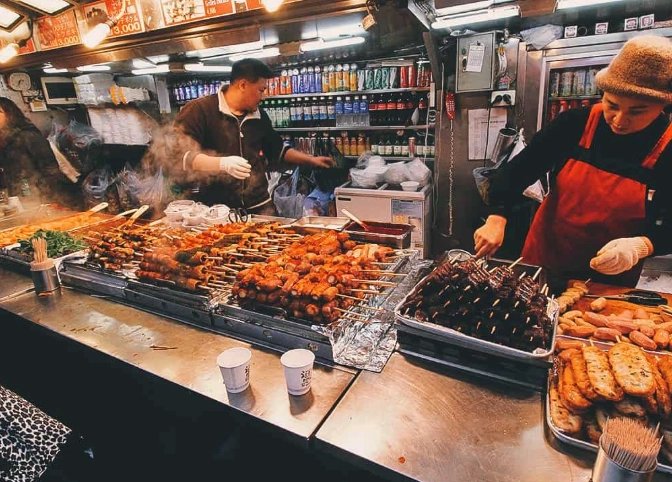
The Adventurous Bites (Level Up Your Game)
Seoul rewards the curious eater.
Live Octopus (San-nakji): This is the one everyone asks about. Yes, the tentacles are still moving. The texture is unique—chewy and suctiony—and the flavor is clean and oceanic, served with sesame oil and salt. It's safe if prepared properly, but you must chew thoroughly. Is it a must-try? For the truly adventurous, yes. For everyone else, it's a wild story to tell.
Bosintang (Dog Meat Soup): I have to mention this because it's a complex and controversial part of Korean food history. It is increasingly rare and not a mainstream Seoul food. Consumption has declined drastically, especially among younger generations, and it's difficult to find in central Seoul. Most food guides aimed at visitors focus on the vast array of other available dishes.
Quick Reality Check: You will see a lot of "Korean Army Stew" (Budae Jjigae) on lists. It's a fascinating history-in-a-pot dish born post-war from American military surplus like SPAM and hot dogs, cooked with kimchi, instant ramen, and gochujang. It's delicious, fun, and communal. But is it a deep, ancient Seoul tradition? No. It's a testament to the city's adaptive, resilient food culture. Give it a try for the flavor and the story.
Your Seoul Food Survival Guide: Where & How to Eat
Knowing what to eat is only half the battle. The other half is navigating where to find the good stuff and how to act when you get there. This is where most generic guides drop the ball.
Neighborhood Deep Dive: Where the Good Stuff Hides
Seoul is a city of distinct neighborhoods, each with its own food personality.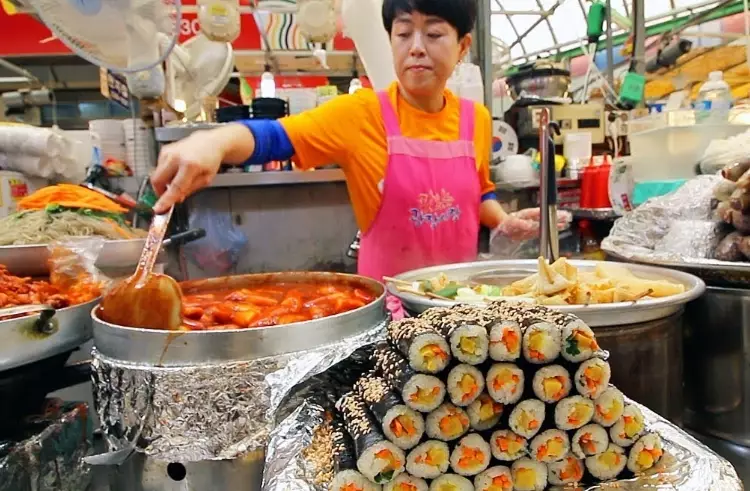
| Neighborhood | Vibe & Food Specialty | Best For | My Personal Take |
|---|---|---|---|
| Myeongdong | Tourist central, insane street food alley, flashy, crowded. | First-timers, street food variety, people-watching. Everything is on display. | It's overwhelming and a bit pricey, but the concentration of options is unbeatable for a first-night food crawl. Quality can be hit or miss. |
| Hongdae | Youthful, trendy, university area, creative fusion, late-night energy. | Trendy cafes, Instagrammable eats, pub food, experiencing youth culture. | This is where you'll find wild takes on classic Seoul foods (think tteokbokki with mozzarella or crazy dessert cafes). The energy is infectious. |
| Insadong | Traditional, cultural, tea houses, artisan vibe. | Traditional tea and snacks, royal cuisine (hansik), buying food souvenirs. | Go here for a calmer, more refined experience. The hotteok here are often a more artisanal, less greasy version. |
| Gwangjang Market | Raw, authentic, historic market chaos, a living museum of food. | Authentic bindaetteok (mung bean pancakes), mayak gimbap, soondae, rubbing elbows with locals. | This is the real deal. It's loud, crowded, and not always comfortable, but the food is spectacularly genuine. A must-visit for the brave. |
| Jongno & Ikseon-dong | Mix of old and new, traditional houses (hanok) turned into trendy spots, hidden alleys. | Finding unique cafes in hanok, modern Korean dining, a more curated experience. | My favorite area to explore. You can find a 50-year-old dumpling shop next to a hip wine bar. It captures Seoul's dual identity perfectly. |
Pro-Tips for Ordering & Eating Like You Belong
This isn't just about etiquette; it's about unlocking a better experience.
How to Spot a Good Restaurant: Look for places full of locals, especially older Koreans. A long line is usually a good sign. Menus only in Korean? Often a great sign. If there's a picture of a celebrity on the wall from 10 years ago, that's also a surprisingly reliable indicator of a longstanding, beloved spot.
The Banchan (Side Dishes) Rule: They're free and unlimited. Don't be shy about asking for a refill ("cha-ga ju-se-yo"). It's expected. Kimchi is the constant; the other 5-10 dishes rotate.
Drinking Culture: If you're drinking soju (and you probably will), never pour your own glass. Pour for others, and they will pour for you. Receive the glass with two hands. This matters.
Payment: Many older, smaller places are cash-only. Always have some Korean Won on you. Tipping is not a custom in Korea.
Beyond the Plate: The Soul of Seoul Foods
To really get it, you need to understand a few underlying principles. This is what separates a tourist who eats from a traveler who experiences.
Fermentation is Everything: Kimchi is just the start. Gochujang, doenjang (soybean paste), ganjang (soy sauce), and more are all deeply fermented. This creates the complex, umami-rich backbone of almost every savory dish. It's a taste your palate might need a day or two to fully appreciate, but once you do, you'll miss it when you leave.
The Texture Spectrum: Korean cuisine, and Seoul foods by extension, is obsessed with texture (matjil in Korean). It's not just about flavor. It's about the chew of tteokbokki, the crunch of fresh lettuce against grilled meat, the slippery give of naengmyeon (cold noodles), the popping of roe. Pay attention to it. It's intentional and glorious.
Food as Community: Very few iconic Seoul foods are meant to be eaten alone in a corner. BBQ, stews, even sharing street food skewers—it's all communal. Meals are social events. This is why the dining experience often feels so lively.
Want a deep dive into the science and history behind this fermentation culture? The Korean Food Research Institute publishes fascinating (if academic) resources on the health benefits and traditional methods that define these foundational ingredients.
Seoul Foods FAQ: Your Burning Questions Answered
Let's tackle the stuff you're actually typing into Google at 2 AM while planning your trip.
Is Seoul food super spicy?
The reputation is bigger than the reality. Yes, gochujang (red chili paste) is a staple, and dishes like tteokbokki can bring the heat. But Korean spice is often a sweet, flavorful heat, not just pure burn. And there's a huge world of non-spicy food: jjajangmyeon, samgyetang, gimbap, most soups and stews can be mild. You can always ask for less spice ("maep-ssi jom jook-yeo ju-se-yo"). Don't let the fear of spice limit you.
I'm vegetarian/vegan. Am I doomed?
It's challenging, but not impossible. The hidden enemy is fish sauce, shrimp paste, and beef or anchovy stock, which are used in everything, even things that look veggie-friendly like kimchi (though some kimchi is vegan). Your best bets: dedicated Buddhist temple cuisine restaurants, which are strictly vegan. Markets like Gwangjang for bindaetteok (mung bean pancake—confirm no seafood in the batter). Also, the trendy areas like Hongdae and Itaewon have a growing number of explicitly vegan/vegetarian cafes and restaurants catering to this demand. Do your research beforehand.
What's the one dish I absolutely shouldn't leave without trying?
If I had to pick one to represent the soul of Seoul foods—the fast, flavorful, communal, textured heart of it—I wouldn't pick BBQ. I'd pick Tteokbokki. Find a busy street stall, order a portion, stand there with everyone else, and eat it with a toothpick. You're experiencing a daily ritual for millions of Seoulites. For a sit-down, soul-warming experience, it's Samgyetang. It’s the culinary equivalent of a warm hug.
How do I navigate menus with no English?
Pointing is a universal language. Use translation apps like Papago (it's better than Google Translate for Korean). Look for pictures. Or, my favorite method: walk in, smile, and say "chu-ae-hae-neun-geo" (something you recommend). You'll often get the house specialty, which is rarely a bad thing.
Look, at the end of the day, the most important rule for diving into Seoul foods is this: be curious, be respectful, and be ready to get a little messy. Put down your phone (after taking that one quick pic, I get it). Watch what the locals do. Try the thing that looks strange. Some of my best food memories in Seoul came from complete accidents, from wandering into a basement restaurant because it smelled good, or from pointing randomly at a menu.
The city's food scene is a conversation between its past and its frantic present. Your job is just to take a seat at the table and listen—with your taste buds. You won't regret it.