Quick Guide to Seoul Sights
- The Non-Negotiables: Top Things to See in Seoul
- Beyond the Guidebook: Neighborhoods That Define Seoul
- Markets, Food, & The Stuff That Makes Life Good
- Planning Your Seoul Sightseeing: The Practical Bits
- Answering Your Questions
- A Quick Comparison: Shopping Areas
- Wrapping It Up: Your Seoul Sightseeing Mindset
Seoul hits you in the best way possible. It's this wild, wonderful mix of quiet temples tucked between skyscrapers, sizzling street food stalls next to minimalist cafes, and a pace of life that somehow feels both frantic and deeply peaceful. I remember my first time walking out of Seoul Station, the sheer scale of it all was overwhelming. Where do you even start with the things to see in Seoul?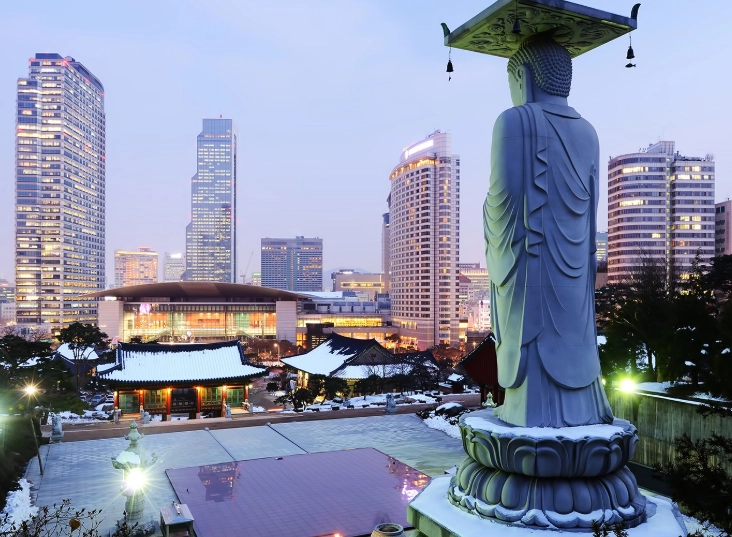
You've probably got a list. Gyeongbokgung Palace, N Seoul Tower, maybe Myeongdong for shopping. And those are great, they're classics for a reason. But if you only stick to the big-name spots, you'll miss the soul of the city. The real magic happens in the back alleys of Insadong, the quiet moments in a hidden hanok village, and the dizzying energy of a midnight food market.
This guide isn't about checking boxes. It's about helping you build an experience. We'll go through the absolute must-sees, sure. But we'll also dive into the neighborhoods that give Seoul its character, the food you have to try (not just the Instagram ones), and the practical stuff that nobody tells you until you're there, like which subway exit to use to avoid a 15-minute uphill walk. Sound good? Let's get into it.
The Non-Negotiables: Top Things to See in Seoul
Okay, let's start with the heavy hitters. These are the sights that define the postcard image of Seoul. You can't really say you've seen the city without visiting at least a couple of these. I'll be honest, some can feel touristy, but their historical and cultural weight makes them utterly unmissable.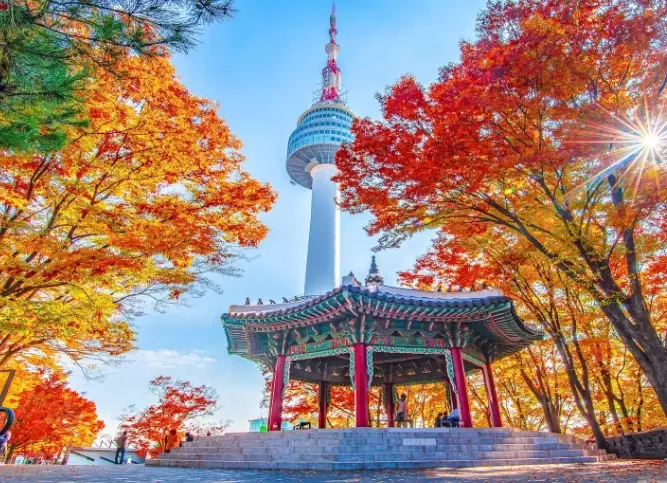
The Grand Palaces: Walking Through Joseon Dynasty History
Seoul's five grand palaces are the bedrock of its history. Gyeongbokgung is the main event—the largest and most important. Walking through the Gwanghwamun Gate and seeing the majestic Geunjeongjeon Hall is a moment. Pro tip: time your visit for the changing of the guard ceremony. It's a full-on colorful spectacle with traditional costumes and music. The official Royal Palace and Tombs website has the most accurate schedule.
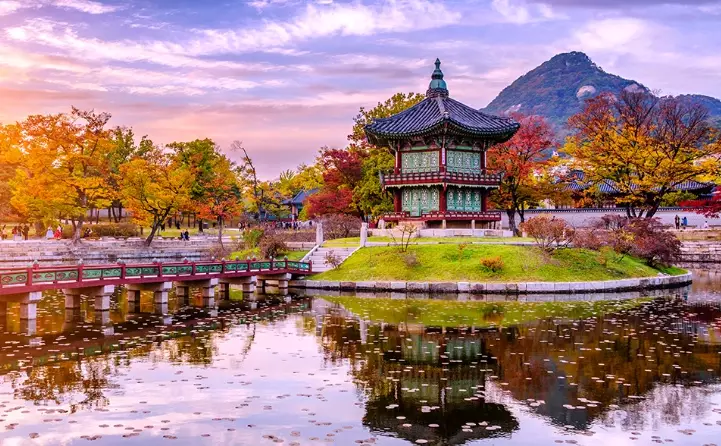
But here's my personal take: Changdeokgung, and specifically its Secret Garden (Huwon), is the star for me. You need a guided tour to enter the garden (book well in advance on their site), but it's worth the hassle. It's a serene, perfectly landscaped world of pavilions, ponds, and ancient trees that feels a million miles from the city. It's a UNESCO World Heritage site for a reason.
Deoksugung is unique because it's right in the heart of the business district and blends traditional Korean architecture with Western-style buildings from the early 1900s. It's also famous for its picturesque stone-wall road, a favorite stroll.
Bukchon Hanok Village & Insadong: The Cultural Heart
Right between Gyeongbokgung and Changdeokgung lies Bukchon Hanok Village. It's a residential area with hundreds of traditional Korean houses (hanoks) perched on a hillside. The maze-like alleys offer the most iconic rooftop views in Seoul, with traditional tiled roofs against the backdrop of modern towers.
Remember, people live here. Keep your voice down, don't peer into windows, and stay on the main designated paths. It's not a museum theme park; it's a living neighborhood.
Then, walk down to Insadong. This is the go-to street for traditional Korean crafts, antiques, tea, and art. Ssamziegil is a cool, spiral-shaped market building full of indie designer shops. This is the place to buy quality souvenirs like hanji (traditional paper), ceramics, or pretty fans. Grab a cup of traditional tea at one of the old-school teahouses—it's a perfect respite.
Namsan & N Seoul Tower: The City From Above
You'll see it from almost everywhere—the N Seoul Tower perched on top of Namsan Mountain. Yes, it's touristy. Yes, the love locks are a bit cliché. But the 360-degree view of the sprawling Seoul metropolis is genuinely breathtaking, especially at sunset or when the city lights start to twinkle.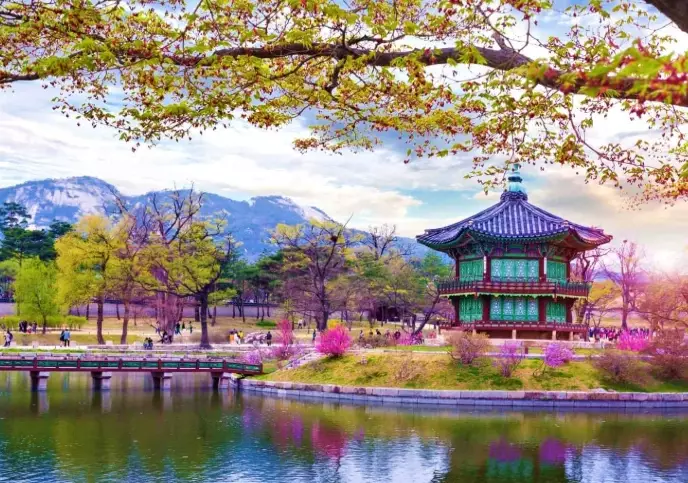
You can take a cable car up, a bus, or even hike the well-maintained trails. The hike is actually lovely and a favorite among locals for a morning walk. The tower itself has observation decks, overpriced restaurants, and gift shops. The view is the main attraction. Is it one of the essential things to see in Seoul? For the panorama alone, I'd say yes, at least once.
Beyond the Guidebook: Neighborhoods That Define Seoul
This is where your trip gets interesting. Seoul is a city of distinct neighborhoods, each with its own personality. Spending an afternoon wandering through these areas will teach you more about modern Korea than any museum.
Hongdae: Youth, Art, & Unfiltered Energy
Born from Hongik University, famous for its art school, Hongdae is the epicenter of youth culture. It's loud, colorful, and endlessly creative. You'll find indie band performances on the streets every weekend, quirky themed cafes (animal cafes, board game cafes, you name it), vintage clothing stores, and some of the city's best nightlife.
The energy here is raw and unfiltered. It's less about polished K-pop and more about underground hip-hop and indie rock. If you want to feel the pulse of young Seoul, come here after dark. Just be prepared for crowds.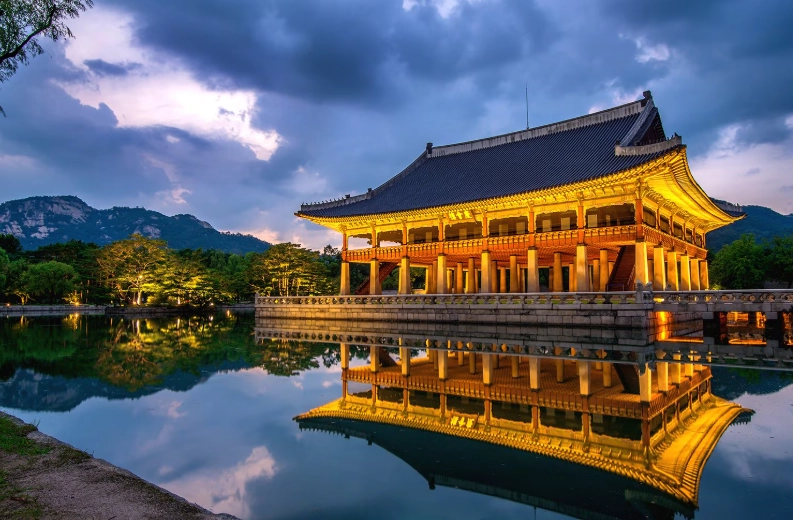
Itaewon: The Global Melting Pot
Itaewon has transformed dramatically. Historically known as the foreigner district near the U.S. army base, it's now Seoul's most cosmopolitan and LGBTQ+-friendly neighborhood. The main drag is packed with international restaurants (some of the best Mexican, Indian, and Middle Eastern food in Korea), trendy cocktail bars, and boutiques.
The National Museum of Korea and the stunning Leeum Museum of Art are also in the Yongsan area, close to Itaewon, making for a perfect culture-day combo.
Gangnam: The Glitzy Side
Thanks to a certain song, you know the name. Gangnam is the embodiment of South Korea's economic miracle—all sleek skyscrapers, luxury brand flagships, high-end plastic surgery clinics, and chic cafes. It's wealth on display. COEX Mall is here, home to the famous Starfield Library (a massive indoor book tower). Apgujeong and Cheongdam are the ultra-luxurious sub-districts.
It's fascinating to see, even if just for window shopping and people-watching. It feels like a different country compared to the historical centers north of the Han River.
Ikseon-dong: The New Old Favorite
This is my current favorite neighborhood in Seoul. Imagine a traditional hanok village, but instead of quiet residences, each tiny house is a hip cafe, a craft beer bar, a pasta restaurant, or a boutique. The narrow, winding alleys are filled with young locals. It has an intimate, discovery-like feel that's harder to find in the more established areas. It's perfect for a leisurely afternoon of cafe-hopping and getting lost.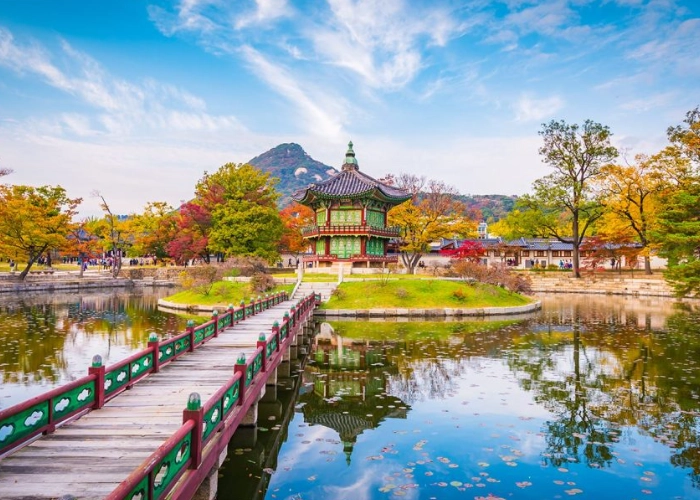
Markets, Food, & The Stuff That Makes Life Good
You cannot talk about things to see in Seoul without talking about food. Eating is a core activity here.
The Market Experience: From Gwangjang to Namdaemun
Markets are living, breathing organisms in Seoul. Gwangjang Market is the foodie paradise, famous for its bindaetteok (mung bean pancakes) and mayak gimbap ("addictive" rice rolls). You sit on stools at tiny stalls, steam and sizzle all around you. It's chaotic and delicious.
Namdaemun Market is older and more general—clothes, souvenirs, kitchenware, and yes, plenty of food. It's open late and even has some 24-hour sections. Noryangjin Fisheries Market is an adventure. You buy live seafood (like a massive king crab or octopus) from the ground floor vendors, and they'll direct you to an upstairs restaurant that will prepare it for you on the spot. It's fresh, it's interactive, and it's a memorable meal.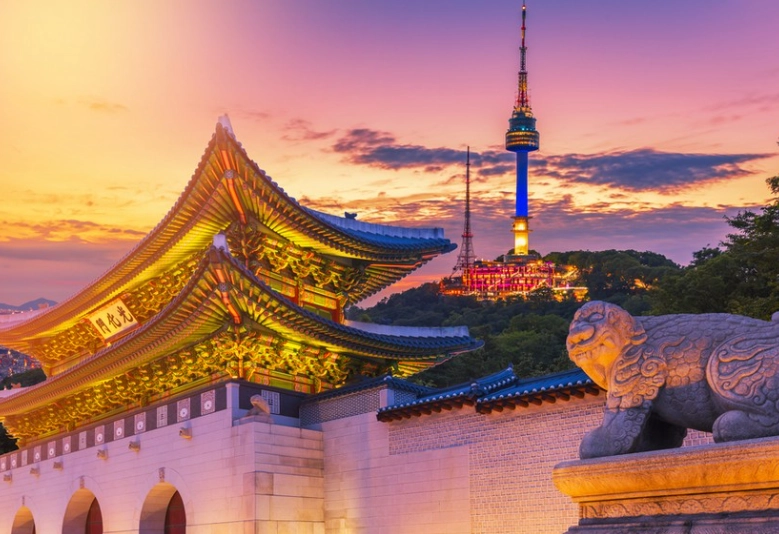
The Street Food Rundown
Beyond the markets, street food is everywhere, especially in Myeongdong. But what to try? Here's a quick hit list:
- Tteokbokki: Chewy rice cakes in a sweet and spicy gochujang sauce. The national comfort food.
- Hotteok: A sweet, syrupy pancake filled with brown sugar, nuts, and cinnamon. Perfect on a cold day.
- Eomuk (Odeng): Fish cake skewers boiled in a savory broth. You drink the broth from a cup they provide. Simple and warming.
- Kkwabaegi: Twisted Korean doughnuts, slightly chewy and coated in sugar. Dangerously good.
- Bungeoppang: Fish-shaped pastry filled with sweet red bean paste (or sometimes custard).
Planning Your Seoul Sightseeing: The Practical Bits
Alright, let's get down to brass tacks. How do you actually make this happen?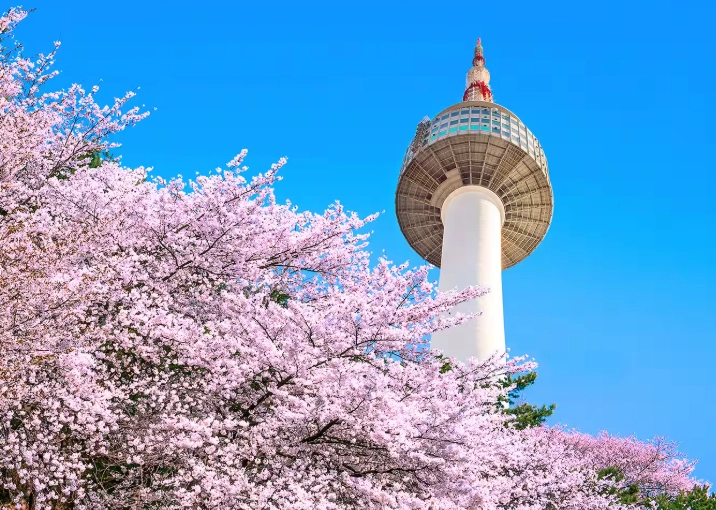
Getting Around: Subway is King
Seoul's subway system is clean, safe, efficient, and signs are in English. Get a T-money card (sold at any convenience store) and load it up. You tap in and out, and it works on subways, buses, and even taxis. Google Maps works okay, but Naver Map or KakaoMap are far more accurate for Korea. Download them.
Taxis are cheap compared to many Western cities. Regular (orange/silver) taxis are fine. Black taxis are deluxe and more expensive. You can hail them or use the Kakao T app (like Uber).
When to Go & How Long to Stay
Spring (April-May) and Autumn (late September-early November) are sublime. The weather is perfect, and the foliage is stunning. Summer (June-August) is hot, humid, and rainy. Winter (December-February) is cold and dry, but it has its charms (skiing, festive lights, warm street food).
How long? A packed 4-day trip can hit the major highlights. But to truly soak in the neighborhoods and have a more relaxed pace, 5 to 7 days is ideal. It lets you have a "palace day," a "neighborhood day," a "market/food day," and maybe even a day trip.
Budgeting & Money
Seoul can be as expensive or as budget-friendly as you make it. You can eat like a king from street stalls and markets for very little. Mid-range restaurants are reasonably priced. Fine dining and luxury shopping will cost you. Accommodation is probably your biggest cost. Myeongdong or Hongdae are good central bases for first-timers.
Sample One-Day Itinerary for First-Timers
Morning (9 AM): Start at Gyeongbokgung Palace. Watch the guard change (check times). Explore the grounds.
Late Morning (11:30 AM): Walk north into Bukchon Hanok Village. Wander the alleys, snap photos, visit a hanok cafe.
Lunch (1 PM): Walk down to Insadong. Have lunch at a traditional restaurant (try samgyetang – ginseng chicken soup). Browse the shops at Ssamziegil.
Afternoon (3 PM): Head to Jogyesa Temple (Seoul's main Buddhist temple) in Insadong to see the magnificent ancient trees.
Late Afternoon (4:30 PM): Take the subway to Myeongdong. Do some shopping, experience the chaotic street food scene for an early dinner.
Evening (7 PM): Take a bus or taxi up to N Seoul Tower for sunset and night views over the city.
This is a full, classic day hitting several top things to see in Seoul.
Answering Your Questions
A Quick Comparison: Shopping Areas
Seoul is a shopper's dream, but each area serves a different need. Here's a quick breakdown to help you decide where to go.
| District | Vibe & Specialty | Best For | Price Range |
|---|---|---|---|
| Myeongdong | Bustling, tourist-centric. Cosmetics, skincare, international brands, street food. | First-time visitors, K-beauty haul, fast fashion, energy. | Mid-range |
| Dongdaemun | 24-hour wholesale fashion markets (Doota, APM), fabric, accessories. Huge and overwhelming. | Fashion buyers, night owls, bargain hunters (wholesale). | Budget to High (designer) |
| Hongdae | Youthful, trendy, indie. Unique streetwear, vintage, handmade accessories, K-pop merch. | Unique finds, supporting small designers, youthful styles. | Budget to Mid-range |
| Gangnam/Apgujeong | Luxurious, high-end. Designer flagship stores, department stores (Galleria), upscale boutiques. | Luxury shopping, people-watching, high-end beauty. | High-end |
| Insadong | Traditional, cultural. Hanji paper, ceramics, tea sets, antiques, folk art. | Quality traditional souvenirs, art, cultural items. | Mid to High |
Wrapping It Up: Your Seoul Sightseeing Mindset
Looking for things to see in Seoul is easy. The list is long. But the real key is to not just see, but to experience. Let yourself get a little lost. Follow a smell down an alley. Accept that cup of mysterious food a vendor hands you (it's probably delicious). Sit in a plastic chair on the sidewalk with a beer and watch the world go by.
The city works on a rhythm of quiet respect and explosive energy. Bow when you receive something with two hands. Don't stick your chopsticks upright in your rice. And don't be afraid to make a fool of yourself trying to speak a little Korean—they'll appreciate the effort immensely.
Seoul will challenge your senses, fill your phone with photos, and your stomach with incredible food. It's a city that honors its past while sprinting into the future at full speed. Your job is just to jump in and enjoy the ride. Start with the palaces, get lost in a neighborhood, eat everything, and you'll leave with your own list of favorite things to see in Seoul—ones that are uniquely yours.
Have an amazing trip.